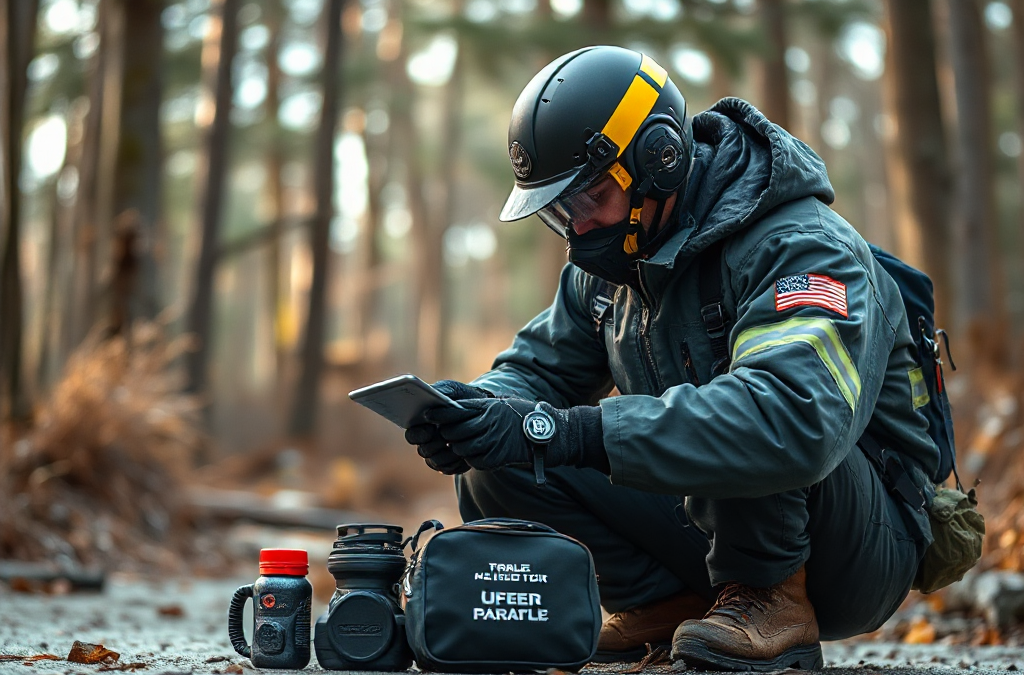
Understanding the specific risks your family may face is the first crucial step in creating an effective emergency plan. This can include natural disasters like hurricanes, earthquakes, or floods, as well as man-made threats such as chemical spills or power outages. Assessing these risks allows you to prioritize your planning efforts and allocate resources effectively.
For example, if you live in an area prone to wildfires, it’s essential to have a plan that involves evacuation routes and fire safety measures. Conversely, urban families may need to focus on emergency protocols for home intrusions or civil unrest. Regularly reviewing and updating your risk assessment ensures that your plan remains relevant as circumstances change.
Establishing Communication Plans
Communication during an emergency is vital for safety and coordination. Establishing a clear communication plan involves determining how family members will contact each other if separated, especially if phone lines or internet services are down. Consider using a combination of methods such as text messaging, social media, and designated family contacts who live outside the immediate area.
It’s also beneficial to create a list of important phone numbers, including local emergency services, schools, and out-of-town relatives. This list should be accessible to all family members, either in physical form or stored in a secure cloud service. Regularly practicing communication methods ensures that everyone knows what to do when the situation arises.
Designating Meeting Points
In the event of an emergency, having a designated meeting point is essential for ensuring all family members can regroup safely. Choose locations that are easy to find and accessible, such as a neighbor’s house, a local park, or a community center. Make sure that all family members are aware of these locations and understand how to get there from different places, whether they are at home, school, or work.
Consider having both a primary and a secondary meeting point in case the first location is unsafe or inaccessible. Discuss these plans regularly to reinforce their importance, and consider using visual aids like maps to help younger family members remember where to go.
Conducting Regular Drills
Practicing your emergency plan through regular drills is crucial for ensuring its effectiveness. Drills help family members become familiar with their roles and the steps they need to take during an emergency. Schedule these drills at least twice a year and simulate various scenarios, such as natural disasters, fires, or intruders.
During drills, pay attention to what works well and what can be improved. Are family members able to contact each other as planned? Do they remember their meeting points? Use these insights to refine your plan. Regular practice not only builds confidence but also reinforces the importance of being prepared for emergencies.
Frequently Asked Questions
What should be included in a family emergency plan?
A family emergency plan should include contact information, designated meeting points, a list of potential hazards, and communication strategies.
How often should we review our emergency plan?
It's advisable to review your emergency plan at least annually or after any significant life changes, such as moving or adding new family members.
Why are drills important for emergency preparedness?
Drills help family members practice their roles and improve coordination, ensuring everyone knows what to do during an actual emergency.
What are some common mistakes in emergency planning?
Common mistakes include not involving all family members in the planning process and failing to update contact information regularly.
How can we stay informed during an emergency?
Staying informed can involve using weather apps, radio alerts, and following local news channels to receive updates during emergencies.
National preparedness resources for planning, mitigation, and response readiness
Conclusion
Creating a family emergency plan that works is essential for ensuring safety during unexpected situations. By identifying risks, establishing communication strategies, designating meeting points, and conducting regular drills, families can enhance their preparedness. Prioritize these steps, involve all family members in the planning process, and regularly review your plan to adapt to any changes in circumstances. A well-prepared family is better equipped to handle emergencies effectively.
Regularly testing your emergency gear is essential to ensure its functionality and readiness. Over time, equipment can degrade, batteries may die, and perishables can expire. This regular maintenance helps prevent the risk of malfunctioning gear during a crisis, where every second counts. By establishing a routine testing schedule, individuals can verify that all items are in working order and that they are familiar with how to use them effectively.
Moreover, testing enables you to identify and replace outdated or damaged items before an emergency occurs. This proactive approach not only increases safety but also boosts confidence in your preparedness plan. Neglecting this step can lead to dire consequences, especially in high-stress situations where reliable gear is critical.
Common Issues Found During Gear Testing
When testing emergency gear, several common issues may arise that can impact your preparedness. One frequent problem is the discovery of expired supplies, such as food, medications, or water purification tablets. These items can lose their effectiveness over time, rendering them useless when you need them most.
Another issue is the malfunction of equipment, such as flashlights or radios. Batteries may be dead or equipment might be damaged due to improper storage. Regular testing helps identify these problems early, allowing for replacements or repairs before an emergency arises. Additionally, users often find that they are unfamiliar with their gear, which can lead to mistakes in critical moments. Regular practice with gear ensures that users know how to operate it efficiently, further enhancing their preparedness.
Effective Methods for Testing Emergency Gear
To effectively test your emergency gear, start with a thorough inventory check. Create a checklist of all items in your emergency kit and verify that each item is present and in good condition. For items with expiration dates, replace them as necessary and document the date of replacement.
Next, conduct functional tests on equipment. For example, check that flashlights work by turning them on and replacing batteries if needed. Test any electronic devices, such as radios, to ensure they are operational. If your kit includes tools, practice using them in a safe environment to build familiarity. This hands-on experience will prepare you for real-world scenarios.
How to Maintain Your Emergency Gear
Maintaining your emergency gear goes beyond testing; it involves regular upkeep and organization. Store gear in a cool, dry place to prevent damage from humidity or temperature extremes. Regularly update your inventory and replace any items that show signs of wear or have reached their expiration dates.
Additionally, consider creating a maintenance schedule that outlines when to test and update your gear. This could be done monthly or quarterly, depending on the type of gear and its usage. Encouraging family members or household members to participate in these checks can also enhance overall preparedness and ensure everyone knows how to use the gear effectively.
Frequently Asked Questions
How often should I test my emergency gear?
It's recommended to test your emergency gear at least once every six months to ensure all items are functional and up to date.
What should I do if I find expired supplies?
Replace any expired supplies immediately and document the new expiration dates to keep track of your inventory.
Can I use my emergency gear for everyday situations?
Yes, using your emergency gear in everyday situations can help you become more familiar with it, but ensure to replace any items that get used.
What types of gear should I focus on testing?
Focus on testing critical items like first aid kits, communication devices, water purification systems, and food supplies.
Is it necessary to practice using my gear?
Absolutely. Practicing with your gear ensures you know how to use it effectively under pressure, which is vital in emergencies.
FEMA offers insights into emergency preparedness and the importance of testing gear for various scenarios
Conclusion
Regular testing of your emergency gear is an essential practice that enhances your preparedness and safety. By identifying issues early, maintaining your supplies, and familiarizing yourself with the equipment, you can ensure that you are ready for any emergency situation. Make testing a routine part of your preparedness plan, and involve your family in the process to foster a culture of safety and readiness.
Geographical features significantly influence the safety of your bug-out location. Key elements to consider include elevation, natural barriers, and terrain type. A higher elevation can provide a strategic advantage, making it harder for others to access your location. Natural barriers such as rivers, mountains, or dense forests can serve as protective boundaries, deterring potential threats.
Additionally, assess the surrounding environment for potential hazards. For example, locations prone to natural disasters like floods or wildfires may pose risks that outweigh their benefits. When evaluating the geographical features, consider how they align with your personal safety requirements and lifestyle preferences.
Understanding Accessibility
Accessibility is a crucial factor in evaluating the safety of a bug-out location. Ensure that the route to your chosen site is clear and manageable under various conditions. Ideally, you should have multiple routes to access your location, allowing for flexibility in case one path becomes unsafe or blocked.
Consider the distance from your primary residence to the bug-out location. A site that is too far may be impractical for a quick evacuation. Conversely, a location that is too close may expose you to the same dangers you are trying to escape. Evaluate the transportation options available, including roads, trails, and potential obstacles that could hinder your escape.
Evaluating Proximity to Threats
Understanding the potential threats in the vicinity of your bug-out location is essential for ensuring safety. Identify nearby urban centers, military installations, or industrial areas that could become targets during a crisis. Being too close to these locations increases the risk of exposure to violence, chaos, or environmental hazards.
Moreover, consider the social dynamics of the surrounding population. Areas with high crime rates or social unrest may not be suitable for a bug-out location. Conduct thorough research to understand the local community and assess whether it is likely to remain stable or become hostile in times of crisis.
Resource Availability
Your bug-out location should have access to essential resources, including water, food, and shelter. Evaluate the availability of fresh water sources, such as rivers, lakes, or wells, as they are vital for survival. Additionally, consider the potential for growing food in the area or the proximity to stores that may still be operational during a crisis.
Having a sustainable source of resources can significantly enhance your safety and comfort. However, ensure that you have a plan for securing these resources, as they may become scarce during emergencies. Assessing the resource availability should include a backup plan to avoid dependency on a single source.
Frequently Asked Questions
What are the key factors to consider when evaluating a bug-out location?
Key factors include geographical features, accessibility, proximity to threats, and resource availability.
How can I assess the geographical features of my bug-out location?
Evaluate aspects like elevation, natural barriers, and potential hazards such as flooding or wildfires.
Why is accessibility important for a bug-out location?
Accessibility ensures you can reach your location quickly and safely, especially in emergencies.
How do I evaluate the threats near my bug-out location?
Research the local area for urban centers, military sites, and crime rates to gauge potential risks.
Academic search resource for finding research literature and source material
Conclusion
Evaluating the safety of your bug-out location involves a comprehensive assessment of geographical features, accessibility, potential threats, and resource availability. Prioritize these factors to ensure that your chosen site can provide security and sustainability during emergencies. Regularly review and adapt your evaluation as conditions change to maintain readiness for any situation.