
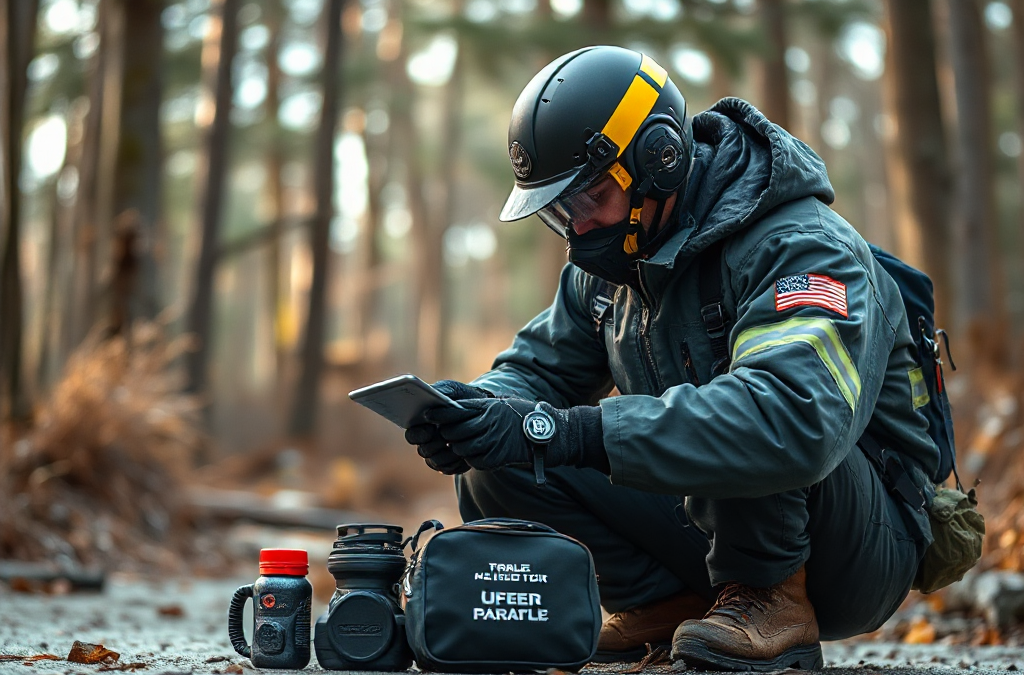
Regularly testing your emergency gear is essential for ensuring it functions correctly when you need it most. Over time, items can expire, batteries may die, and equipment can become damaged, which can jeopardize your safety during a crisis. Establishing a routine testing schedule allows you to identify and replace outdated supplies and familiarize yourself with your gear. For instance, checking the expiration dates on food and medications can prevent reliance on ineffective items. By proactively maintaining your emergency kit, you enhance your preparedness and confidence, ensuring you are ready to respond effectively in any situation.
Understanding the Necessity of Regular Testing
Regularly testing your emergency gear is essential to ensure its functionality and readiness. Over time, equipment can degrade, batteries may die, and perishables can expire. This regular maintenance helps prevent the risk of malfunctioning gear during a crisis, where every second counts. By establishing a routine testing schedule, individuals can verify that all items are in working order and that they are familiar with how to use them effectively.
Moreover, testing enables you to identify and replace outdated or damaged items before an emergency occurs. This proactive approach not only increases safety but also boosts confidence in your preparedness plan. Neglecting this step can lead to dire consequences, especially in high-stress situations where reliable gear is critical.
Common Issues Found During Gear Testing
When testing emergency gear, several common issues may arise that can impact your preparedness. One frequent problem is the discovery of expired supplies, such as food, medications, or water purification tablets. These items can lose their effectiveness over time, rendering them useless when you need them most.
Another issue is the malfunction of equipment, such as flashlights or radios. Batteries may be dead or equipment might be damaged due to improper storage. Regular testing helps identify these problems early, allowing for replacements or repairs before an emergency arises. Additionally, users often find that they are unfamiliar with their gear, which can lead to mistakes in critical moments. Regular practice with gear ensures that users know how to operate it efficiently, further enhancing their preparedness.

Effective Methods for Testing Emergency Gear
To effectively test your emergency gear, start with a thorough inventory check. Create a checklist of all items in your emergency kit and verify that each item is present and in good condition. For items with expiration dates, replace them as necessary and document the date of replacement.
Next, conduct functional tests on equipment. For example, check that flashlights work by turning them on and replacing batteries if needed. Test any electronic devices, such as radios, to ensure they are operational. If your kit includes tools, practice using them in a safe environment to build familiarity. This hands-on experience will prepare you for real-world scenarios.
How to Maintain Your Emergency Gear
Maintaining your emergency gear goes beyond testing; it involves regular upkeep and organization. Store gear in a cool, dry place to prevent damage from humidity or temperature extremes. Regularly update your inventory and replace any items that show signs of wear or have reached their expiration dates.
Additionally, consider creating a maintenance schedule that outlines when to test and update your gear. This could be done monthly or quarterly, depending on the type of gear and its usage. Encouraging family members or household members to participate in these checks can also enhance overall preparedness and ensure everyone knows how to use the gear effectively.
Frequently Asked Questions
How often should I test my emergency gear?
It's recommended to test your emergency gear at least once every six months to ensure all items are functional and up to date.
What should I do if I find expired supplies?
Replace any expired supplies immediately and document the new expiration dates to keep track of your inventory.
Can I use my emergency gear for everyday situations?
Yes, using your emergency gear in everyday situations can help you become more familiar with it, but ensure to replace any items that get used.
What types of gear should I focus on testing?
Focus on testing critical items like first aid kits, communication devices, water purification systems, and food supplies.
Is it necessary to practice using my gear?
Absolutely. Practicing with your gear ensures you know how to use it effectively under pressure, which is vital in emergencies.
Further Reading
Authoritative Sources
- Ready.gov: Build a Kit
ready.govThis resource outlines essential items for an emergency kit, emphasizing the importance of regular checks and updates
- Red Cross: Emergency Kit Checklist
redcross.orgThis checklist details necessary supplies and provides guidance on maintaining your emergency gear
- FEMA: Earthquake Preparedness
fema.govFEMA offers insights into emergency preparedness and the importance of testing gear for various scenarios
Conclusion
Regular testing of your emergency gear is an essential practice that enhances your preparedness and safety. By identifying issues early, maintaining your supplies, and familiarizing yourself with the equipment, you can ensure that you are ready for any emergency situation. Make testing a routine part of your preparedness plan, and involve your family in the process to foster a culture of safety and readiness.
Related Content
- Emergency Preparedness Tips Every Family Should Follow
- How to Balance Skill Development with Supply Acquisition: Practical Steps for Effective Preparation
- Authors
- Preparing for the Worst: A Comprehensive Checklist for Disaster Preparedness
- The Ultimate Guide to 10 Effective Emergency Preparedness Meals for 2025




