
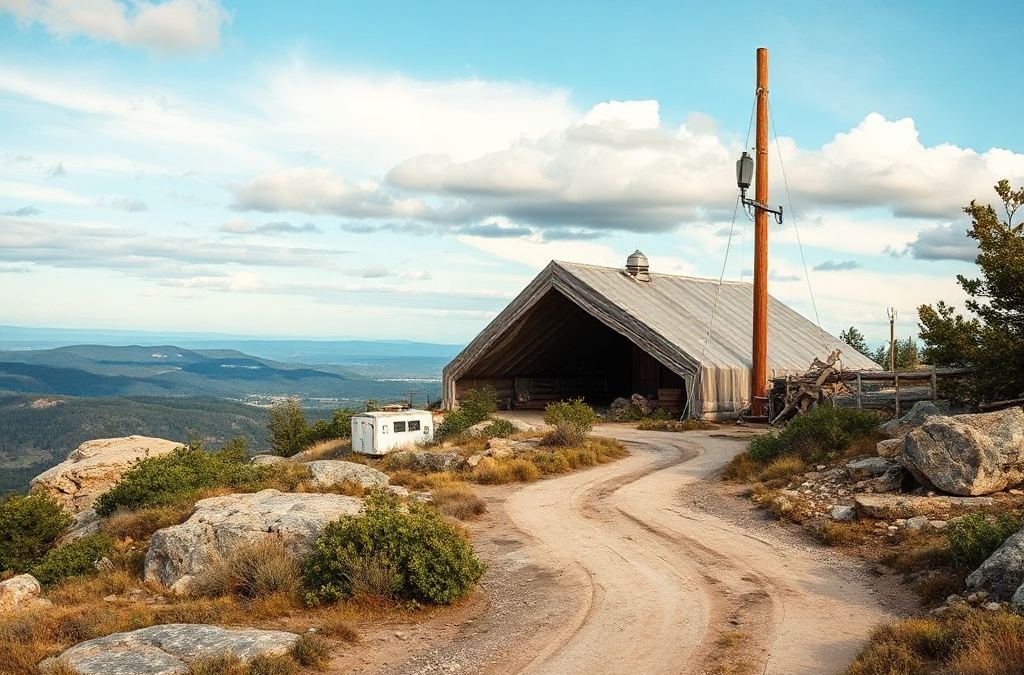
To evaluate the safety of your bug-out location, start by examining its geographical features, such as elevation and natural barriers, which can provide protection. Accessibility is vital; ensure you have multiple routes to your site that remain clear under various conditions. Assess the proximity to potential threats, including urban areas or industrial sites, which could pose risks during a crisis. Additionally, consider resource availability like water and food, as these are essential for survival. Regularly reassess these factors to adapt to any changes in your environment or circumstances.
Assessing Geographical Features
Geographical features significantly influence the safety of your bug-out location. Key elements to consider include elevation, natural barriers, and terrain type. A higher elevation can provide a strategic advantage, making it harder for others to access your location. Natural barriers such as rivers, mountains, or dense forests can serve as protective boundaries, deterring potential threats.
Additionally, assess the surrounding environment for potential hazards. For example, locations prone to natural disasters like floods or wildfires may pose risks that outweigh their benefits. When evaluating the geographical features, consider how they align with your personal safety requirements and lifestyle preferences.
Understanding Accessibility
Accessibility is a crucial factor in evaluating the safety of a bug-out location. Ensure that the route to your chosen site is clear and manageable under various conditions. Ideally, you should have multiple routes to access your location, allowing for flexibility in case one path becomes unsafe or blocked.
Consider the distance from your primary residence to the bug-out location. A site that is too far may be impractical for a quick evacuation. Conversely, a location that is too close may expose you to the same dangers you are trying to escape. Evaluate the transportation options available, including roads, trails, and potential obstacles that could hinder your escape.

Evaluating Proximity to Threats
Understanding the potential threats in the vicinity of your bug-out location is essential for ensuring safety. Identify nearby urban centers, military installations, or industrial areas that could become targets during a crisis. Being too close to these locations increases the risk of exposure to violence, chaos, or environmental hazards.
Moreover, consider the social dynamics of the surrounding population. Areas with high crime rates or social unrest may not be suitable for a bug-out location. Conduct thorough research to understand the local community and assess whether it is likely to remain stable or become hostile in times of crisis.
Resource Availability
Your bug-out location should have access to essential resources, including water, food, and shelter. Evaluate the availability of fresh water sources, such as rivers, lakes, or wells, as they are vital for survival. Additionally, consider the potential for growing food in the area or the proximity to stores that may still be operational during a crisis.
Having a sustainable source of resources can significantly enhance your safety and comfort. However, ensure that you have a plan for securing these resources, as they may become scarce during emergencies. Assessing the resource availability should include a backup plan to avoid dependency on a single source.
Frequently Asked Questions
What are the key factors to consider when evaluating a bug-out location?
Key factors include geographical features, accessibility, proximity to threats, and resource availability.
How can I assess the geographical features of my bug-out location?
Evaluate aspects like elevation, natural barriers, and potential hazards such as flooding or wildfires.
Why is accessibility important for a bug-out location?
Accessibility ensures you can reach your location quickly and safely, especially in emergencies.
How do I evaluate the threats near my bug-out location?
Research the local area for urban centers, military sites, and crime rates to gauge potential risks.
Further Reading
Authoritative Sources
- Library of Congress Research Guides
guides.loc.govResearch guides that help readers locate reliable background sources on a wide range of subjects
- USA.gov Official Information and Services
usa.govOfficial U.S. government information and public resources for practical reference
- Google Scholar
scholar.google.comAcademic search resource for finding research literature and source material
Conclusion
Evaluating the safety of your bug-out location involves a comprehensive assessment of geographical features, accessibility, potential threats, and resource availability. Prioritize these factors to ensure that your chosen site can provide security and sustainability during emergencies. Regularly review and adapt your evaluation as conditions change to maintain readiness for any situation.
Related Content
- 10 Effective Survival Preparation Tips to Ensure Youre Ready in 2025
- Surviving the First 72 Hours of a Crisis: What You Need to Know
- How to Create a Diversified Emergency Supply List: Essential Items for Various Scenarios
- Preparedness for Flood Disasters: Top 7 Essential Tips for 2025
- The Ultimate Emergency Preparation Guide 2025: 10 Effective Tips to Stay Safe




