
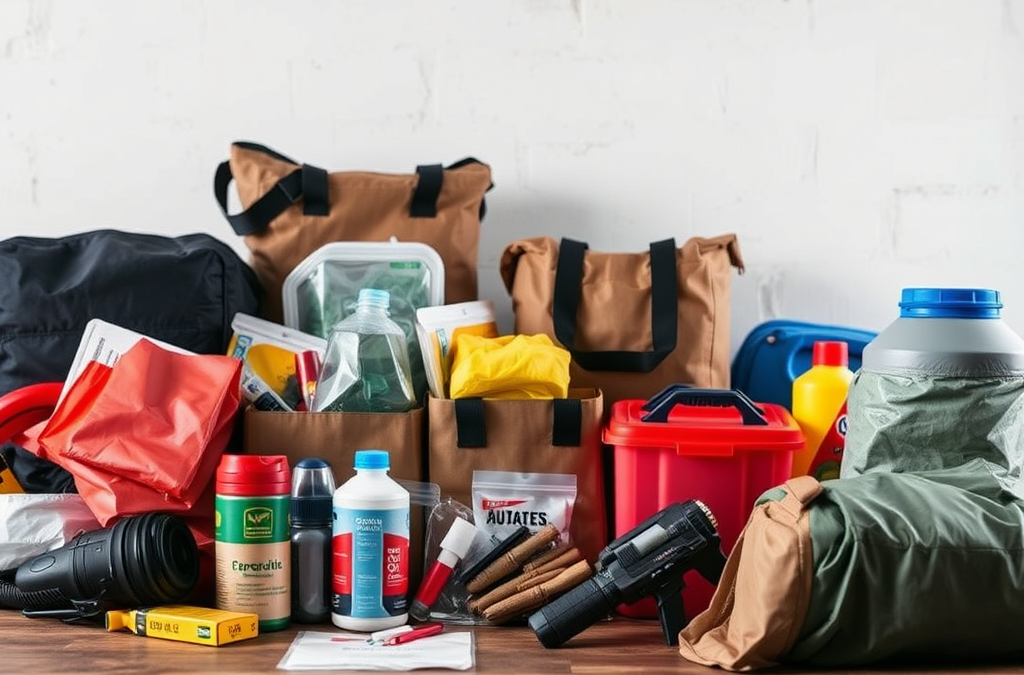
To create a diversified emergency supply list, begin by assessing potential scenarios like natural disasters or medical emergencies. Include essential items across several categories, such as non-perishable food, clean water, first aid supplies, communication tools, and personal hygiene products. It's important to tailor your list to the specific needs of your household, considering factors like dietary restrictions and the number of family members. Regularly review and update your supplies to reflect changing circumstances and ensure you are prepared for any situation. This proactive approach can significantly enhance your safety and comfort during emergencies.
Understanding the Importance of a Diversified Emergency Supply List
Creating a diversified emergency supply list is crucial for ensuring preparedness in various situations, from natural disasters to unexpected power outages. A well-rounded supply list addresses different needs and scenarios, increasing your chances of staying safe and healthy during emergencies. By anticipating potential challenges, you can stock supplies that will be essential for survival and comfort.
Many people underestimate the importance of having a tailored emergency supply list, often leading to inadequate preparation. A diversified approach helps mitigate risks associated with specific scenarios, such as flooding, wildfires, or medical emergencies. The goal is to prepare for the unexpected, ensuring you have the necessary resources to support yourself and your family.
Key Categories of Emergency Supplies
When building your emergency supply list, focus on several key categories to ensure comprehensive coverage. These categories include food and water, medical supplies, tools and equipment, personal hygiene items, and communication devices.
1. Food and Water: Non-perishable food items like canned goods, dried fruits, and nuts are essential. Aim for at least a three-day supply of water per person, including additional water for pets.

2. Medical Supplies: A well-stocked first aid kit is vital, including bandages, antiseptics, pain relievers, and any necessary prescription medications.
3. Tools and Equipment: Consider including a flashlight, batteries, multi-tool, and portable charger. These items can be invaluable for addressing emergencies effectively.
4. Personal Hygiene Items: Stock up on soap, hand sanitizer, toothpaste, and feminine hygiene products to maintain cleanliness during an emergency.
5. Communication Devices: Keep a battery-operated radio or a solar-powered charger to stay informed about emergency alerts and updates.
Common Mistakes to Avoid When Creating Your List
When creating your emergency supply list, it’s important to avoid common pitfalls that can compromise your preparedness. One frequent mistake is underestimating the amount of supplies needed. Many people prepare for short-term scenarios but fail to account for longer emergencies.
Another common error is neglecting to consider the unique needs of all household members. Ensure your list includes supplies for children, pets, and elderly family members, as their requirements may differ significantly. For example, infants may need formula or diapers, while elderly individuals might require specific medications or mobility aids.
Additionally, failing to regularly review and update your supply list can hinder your preparedness. As circumstances change, such as moving or changes in family size, your list should reflect these adjustments to remain effective.
How to Tailor Your List to Specific Scenarios
Tailoring your emergency supply list to specific scenarios is essential for maximizing its effectiveness. Start by evaluating the types of emergencies most likely to occur in your area, such as earthquakes, hurricanes, or flooding. This assessment will guide your selection of supplies.
For instance, if you live in a flood-prone area, consider adding waterproof storage bins and sandbags to your list. In contrast, if your region is susceptible to wildfires, prioritize items like fire extinguishers and smoke masks.
It’s also beneficial to create a plan that outlines how to respond to different emergencies. This plan should include escape routes, designated meeting points, and communication strategies, ensuring everyone in your household understands their role during an emergency.
Frequently Asked Questions
What should be the top priority when creating an emergency supply list?
The top priority should be ensuring you have enough food and water to sustain your household for at least three days.
How often should I update my emergency supply list?
It's recommended to review and update your list every six months or whenever there are changes in your household.
Can I use regular household items in my emergency kit?
Yes, many household items can be included, but ensure they are suitable for emergency use and are in good condition.
How can I make my emergency supplies last longer?
Choose non-perishable items with long shelf lives and regularly rotate your supplies to avoid expiration.
Is it necessary to have a first aid kit in my emergency supplies?
Yes, a first aid kit is essential for treating injuries and managing health issues during emergencies.
Further Reading
Authoritative Sources
Authoritative Sources
- Ready.gov
ready.govA comprehensive resource for emergency preparedness that includes checklists and planning tools
- American Red Cross
redcross.orgOffers guidelines on emergency preparedness, including how to create an effective supply list
Conclusion
Creating a diversified emergency supply list is vital for effective preparedness. By understanding the importance of a well-rounded list and tailoring it to your specific needs and scenarios, you increase your chances of successfully navigating emergencies. Prioritize essential items, avoid common mistakes, and regularly review your supplies to ensure you are always ready for unexpected situations.




