
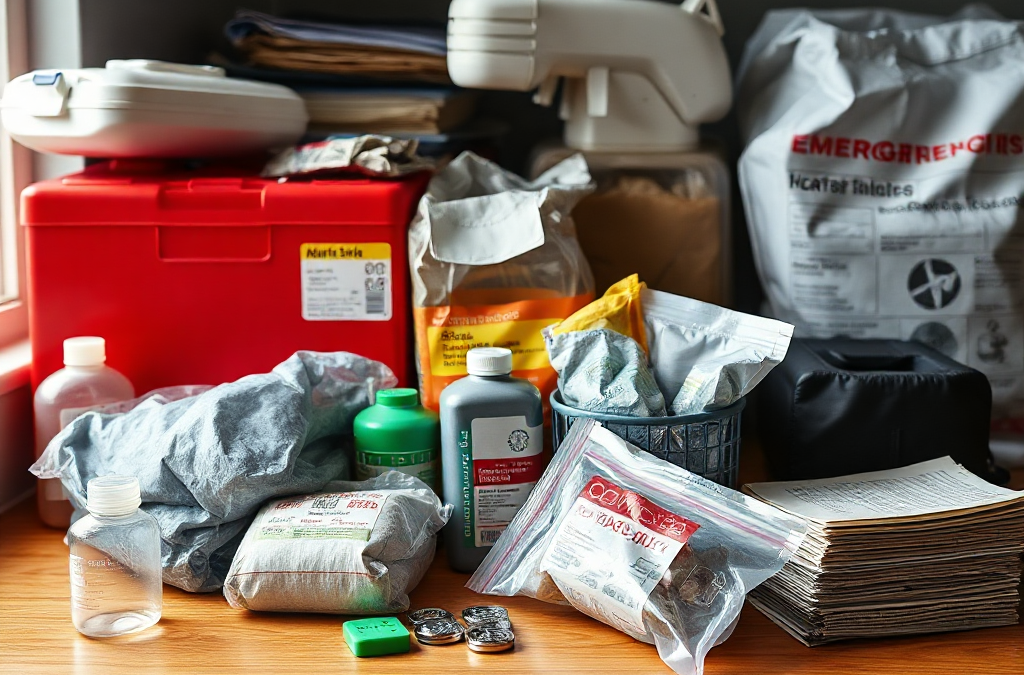
Using expired emergency supplies can pose serious risks, including health hazards and equipment failures. Expired food may contain harmful bacteria that can lead to foodborne illnesses, while outdated medications can lose their effectiveness or even become harmful. Additionally, first-aid supplies and emergency equipment may not function properly when needed, putting lives at risk. It's essential to regularly check expiration dates and replace supplies as necessary to ensure preparedness. Maintaining a well-stocked, up-to-date emergency kit can significantly enhance safety during critical situations.
Understanding Expiration Dates
Expiration dates on emergency supplies are critical indicators of safety and efficacy. These dates are set based on extensive testing and regulatory guidelines, ensuring that products maintain their intended potency and safety until that point. Once expired, food items, medications, and other supplies may not only lose effectiveness but can also pose significant health risks. Misunderstanding these dates can lead to a false sense of security, which is particularly dangerous in emergency situations.
For example, canned goods often have a shelf life of several years, but their quality can deteriorate over time. Similarly, medications may not be harmful immediately after their expiration but can become less effective or even dangerous if consumed after a certain period. Recognizing the importance of these dates is essential for maintaining a reliable stock of emergency supplies.
Health Risks Associated with Expired Supplies
Using expired emergency supplies can lead to serious health implications. Expired food items can harbor bacteria such as Salmonella or E. coli, which can cause food poisoning. Symptoms may range from mild gastrointestinal distress to severe illness requiring medical attention. Furthermore, expired medications may not only fail to treat conditions but can also lead to adverse reactions if they degrade into harmful substances over time.
For example, a person relying on expired antibiotics may find themselves at risk of untreated infections, which could escalate into serious health emergencies. Additionally, expired first-aid supplies, such as antiseptics and bandages, may not function as intended, increasing the risk of infection in wounds. Therefore, regular checks and timely replacements of emergency supplies are crucial to ensure safety.

Impact on Emergency Preparedness
The effectiveness of emergency preparedness heavily relies on the condition of supplies. Expired items can compromise the entire preparedness plan, leading to failures at critical moments. For instance, if a natural disaster strikes, relying on outdated supplies can lead to inadequate responses, putting individuals and families at greater risk.
Moreover, the psychological impact of using expired supplies cannot be overlooked. Knowing that one’s emergency kit is outdated can cause anxiety and a lack of confidence in one’s preparedness. It is vital to regularly review and update emergency kits to ensure that all items are within their shelf life. This practice not only enhances safety but also fosters a sense of readiness and control in dire situations.
Best Practices for Managing Supplies
To mitigate the dangers of using expired emergency supplies, adopting best practices for managing these items is essential. Start by conducting regular inventory checks, ideally every six months, to assess the condition and expiration dates of all supplies. Create a clear labeling system that indicates when items were purchased and their expiration dates, making it easier to track their status.
Additionally, consider a first-in, first-out (FIFO) approach, where older supplies are used before newer ones. This method ensures that items are consumed or replaced before they expire. Furthermore, maintaining a well-organized storage space for emergency supplies can help prevent overlooked items that may expire unnoticed. By implementing these practices, individuals can enhance their preparedness and reduce the risks associated with expired supplies.
For more information on emergency preparedness and managing supplies, consider checking out resources from recognized organizations such as the Ready.gov which offers comprehensive guidelines on maintaining emergency kits and supplies.
Frequently Asked Questions
What should I do with expired emergency supplies?
Expired emergency supplies should be disposed of safely and replaced with fresh items to ensure preparedness and safety.
How can I tell if food is safe to consume after the expiration date?
Check for signs of spoilage such as off-odors, unusual textures, or visible mold before consuming any food past its expiration date.
Are all expired medications dangerous?
Not all expired medications are immediately dangerous, but they may lose potency over time, making them ineffective for treatment.
How often should I check my emergency supplies?
It is recommended to check emergency supplies every six months to ensure everything is up-to-date and in good condition.
What are the risks of using expired first-aid supplies?
Expired first-aid supplies may not work effectively, increasing the risk of infection or complications in injuries.
Further Reading
Authoritative Sources
- Ready.gov Preparedness Guidance
ready.govFederal preparedness guidance for household planning, alerts, supplies, and emergencies
- American Red Cross Emergency Preparedness
redcross.orgEmergency preparedness resources for families, disasters, and practical safety planning
- FEMA Preparedness Resources
fema.govNational preparedness resources for planning, mitigation, and response readiness




