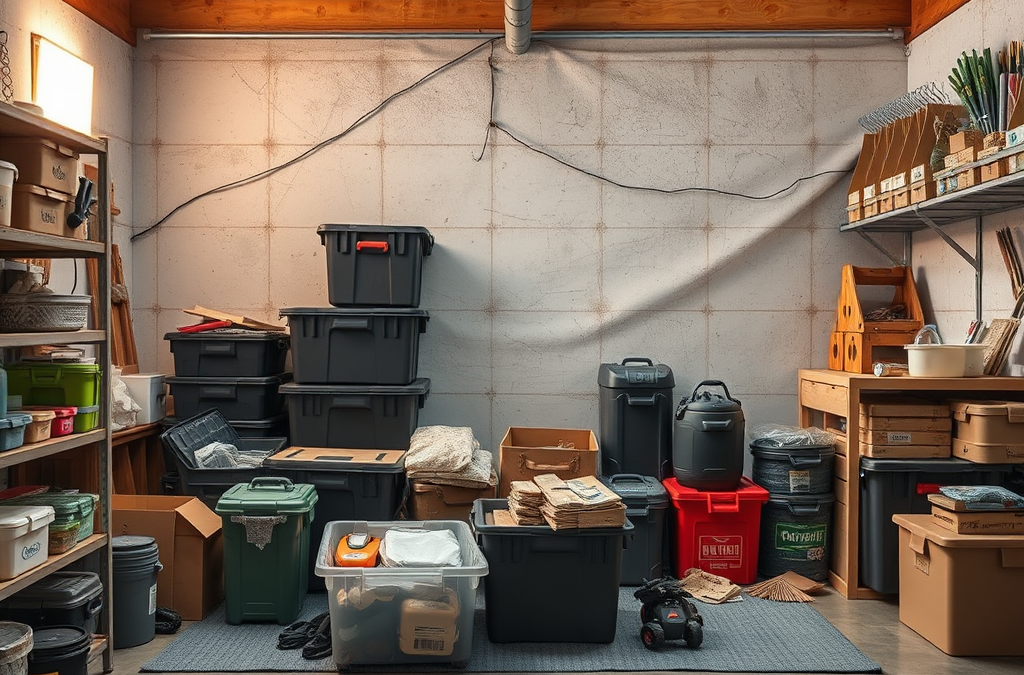
The challenges of finding space for prepping supplies stem from various factors, including limited living space, the sheer volume of items needed for effective preparedness, and the necessity for organization. Many individuals underestimate the amount of supplies required to be adequately prepared for emergencies, leading to cluttered spaces that are difficult to navigate. It’s crucial to recognize that effective prepping isn’t just about acquiring supplies; it’s about managing them efficiently within available space.
In urban settings, space constraints are particularly pronounced, as apartments and small homes often lack ample storage areas. Even in larger homes, basements and attics may not be suitable for long-term storage of food and emergency supplies due to potential issues like temperature fluctuations and pests. Understanding these challenges is the first step toward developing effective solutions.
Maximizing Vertical Space
One of the most effective strategies for overcoming space limitations is to maximize vertical space. Utilizing shelves, wall-mounted racks, and cabinets can significantly increase storage capacity without requiring additional floor space. Vertical storage solutions not only help keep supplies organized but also make them more accessible during emergencies.
For instance, installing sturdy shelving units in closets or garages allows for the storage of bins filled with non-perishable food items, first aid supplies, and other essentials. By categorizing items and labeling containers, individuals can quickly locate what they need in a crisis. Additionally, considering multifunctional furniture, such as ottomans with storage compartments or beds with built-in drawers, can also contribute to more efficient use of space.
Organizing Supplies Effectively
Effective organization is key to managing prepping supplies successfully. A systematic approach to inventory management ensures that items are easily accessible and accounted for. Begin by categorizing supplies into groups such as food, water, medical supplies, and tools. This categorization helps identify what is available and what needs to be replenished.
Consider using a digital inventory system or a simple spreadsheet to track supplies. This can include details such as expiration dates for food items, quantities on hand, and locations of stored items. Regularly updating this inventory not only prevents waste but also ensures that all necessary supplies are ready for use when needed.
Prioritizing Essential Items
When storage space is limited, prioritizing essential items becomes paramount. Not all supplies are created equal, and understanding what is necessary for a variety of emergency scenarios is crucial. Focus on obtaining high-priority items that provide the most utility and versatility, such as water purification methods, non-perishable food, first aid kits, and essential tools.
Furthermore, consider the potential scenarios you may face and tailor your supplies accordingly. For example, if you live in an area prone to natural disasters, ensure that your supplies include items that are relevant to those specific risks. This targeted approach not only maximizes the utility of your storage space but also enhances your overall preparedness.
Frequently Asked Questions
What are the best types of containers for prepping supplies?
Clear plastic bins with lids are ideal for prepping supplies as they protect items from moisture and pests while allowing easy visibility of contents.
How can I create more space in a small apartment for prepping?
Consider utilizing under-bed storage, wall-mounted shelves, and multifunctional furniture to create more space for your prepping supplies in a small apartment.
What should I prioritize when building my prepper stockpile?
Focus on non-perishable foods, drinking water, first aid supplies, and tools that are essential for emergency situations when building your prepper stockpile.
How often should I check my prepping supplies?
It’s advisable to check your prepping supplies at least every six months to ensure items are not expired and to replenish any depleted stock.
What are common mistakes when storing prepping supplies?
Common mistakes include overcrowding storage areas, neglecting to rotate supplies, and failing to keep an accurate inventory, which can lead to wasted resources.
Academic search resource for finding research literature and source material
Conclusion
Finding space for prepping supplies can be a daunting challenge, but with effective strategies, it is manageable. By maximizing vertical space, organizing supplies systematically, and prioritizing essential items, individuals can create a functional and accessible storage system. Remember, the goal is to ensure that your supplies are readily available and organized, allowing for a quick response in emergencies. Start implementing these strategies today to enhance your preparedness.
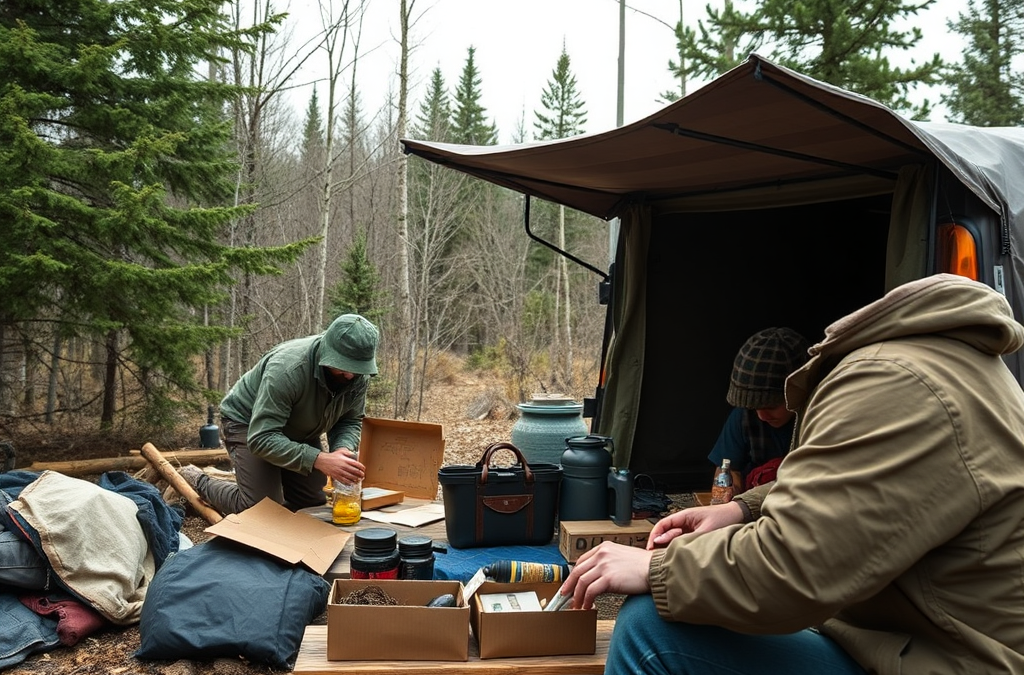
A reliable prepper network is characterized by certain essential traits that facilitate effective collaboration during emergencies. Key traits include clear communication, trustworthiness, shared values, and complementary skills among members. Each member should possess unique abilities or resources that contribute to the overall strength of the network. For instance, one member might be skilled in medical training while another has expertise in food preservation. This diversity ensures that the network can address a range of situations effectively.
Moreover, it’s critical to establish a culture of openness where members feel comfortable discussing their concerns and sharing ideas. This leads to a more resilient network capable of adapting to various challenges. A common mistake is to overlook the importance of individual contributions; recognizing and valuing each member’s skills fosters a sense of belonging and commitment to the group.
Evaluating Communication Within Your Network
Effective communication is the backbone of any reliable prepper network. To evaluate communication, start by assessing how information is shared among members. Are there regular meetings or updates? Is there a designated communication channel, such as a group chat or forum, where members can easily share information? Establishing a clear communication protocol ensures that everyone is on the same page during emergencies.
For example, in a crisis, rapid dissemination of information can be crucial. If a member discovers a local threat, they should be able to communicate this quickly to others. Regular check-ins can help identify any communication breakdowns, allowing the group to address these issues before they lead to significant problems. Failing to prioritize effective communication can lead to misunderstandings and hinder the network’s response capabilities.
Building Trust and Accountability
Trust and accountability are fundamental components of a reliable prepper network. Members must feel confident that others will fulfill their commitments, whether it’s providing supplies or participating in training exercises. Building trust takes time and is often fostered through shared experiences. Organizing group activities, such as community volunteering or joint training sessions, can enhance trust among members.
Accountability can be reinforced by setting clear expectations and responsibilities for each member. Regularly reviewing these commitments during meetings helps ensure that everyone is aware of their roles and can hold each other accountable. A common pitfall is assuming that trust will develop organically; it requires intentional efforts to cultivate a trustworthy environment.
Conducting Regular Training and Drills
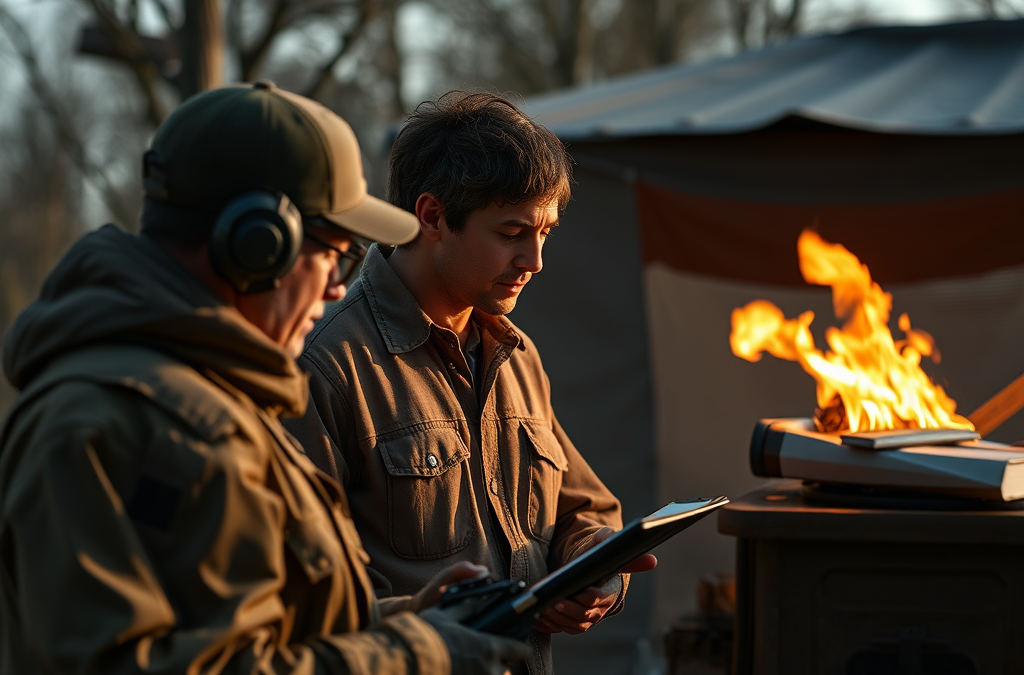
Regular training and drills are essential to ensure that your prepper network is prepared for emergencies. These exercises should simulate real-life scenarios that the group might face, such as natural disasters or medical emergencies. By practicing together, members become familiar with each other’s skills and improve their ability to work as a cohesive unit.
Additionally, training sessions can highlight areas where the group may need further development or resources. For instance, if a drill reveals that no one knows how to operate a specific piece of equipment, the group can prioritize training on that topic. Failing to conduct regular drills can lead to complacency and a lack of preparedness when actual emergencies arise.
For those interested in expanding their knowledge on building reliable prepper networks, consider exploring resources from local emergency management agencies or community preparedness organizations. These resources often provide valuable insights into effective networking strategies and training opportunities.
Frequently Asked Questions
What should I look for in a prepper network?
Look for clear communication, trustworthiness, shared goals, and diverse skills among members.
How often should a prepper network meet?
Regular meetings, ideally monthly, help maintain engagement and assess preparedness levels.
What types of training should be conducted?
Focus on emergency response drills, first aid training, and skills relevant to your network's needs.
How can I build trust within my prepper network?
Engage in shared activities, establish clear expectations, and communicate openly to foster trust.
What is the most common mistake in prepper networks?
Neglecting communication and accountability can lead to misunderstandings and decreased preparedness.
Academic search resource for finding research literature and source material
Conclusion
Building a reliable prepper network requires intentional efforts to foster communication, trust, and skills training. Prioritizing regular meetings and drills ensures that all members are engaged and prepared for possible emergencies. By focusing on these aspects, you can create a resilient network that is capable of responding effectively and efficiently when it matters most.
Understanding Misinformation in the Prepping Community
Misinformation in the prepping community often arises from a combination of fear, sensationalism, and misinformation propagation through social media and less credible sources. This misinformation can lead individuals to make decisions based on unfounded fears rather than rational assessment. Understanding the dynamics of misinformation is crucial for effective prepping, as it helps individuals discern fact from fiction, ultimately leading to better preparedness outcomes.
For instance, a common misconception might be that certain survival gear is essential based solely on viral posts, rather than on practical necessity or reliability. Recognizing how misinformation spreads allows preppers to be more vigilant and critical about the information they consume.
Common Sources of Misinformation
Misinformation can originate from various sources, including social media platforms, unverified blogs, and even word-of-mouth within communities. These channels often amplify sensational claims that can mislead preppers. For example, a post claiming that a particular food supply will become unavailable can drive panic buying, regardless of actual market conditions.
Additionally, the lack of rigorous checks on information shared online means that myths can perpetuate easily. Preppers must learn to identify credible sources, such as government advisories, reputable survivalist publications, and expert blogs that prioritize evidence-based information. By cross-referencing multiple sources, individuals can mitigate the impact of misinformation.
Consequences of Misinformation on Prepping
The consequences of misinformation can be significant, affecting both individual and community readiness. Misguided decisions based on false information may lead to inadequate preparation, wasted resources, and even increased vulnerability during emergencies. For instance, focusing on stocking up on the wrong supplies can leave preppers unprepared for actual threats.
Moreover, misinformation can create a culture of fear and anxiety within the prepping community. Individuals may feel pressured to act hastily without thorough research, which can lead to burnout and disillusionment. It’s essential to recognize these consequences to prioritize accurate information and maintain a rational approach to preparedness.
Strategies to Combat Misinformation
To effectively combat misinformation, preppers should adopt several key strategies. First, always verify information against multiple credible sources. This could include checking government websites, established survivalist forums, and peer-reviewed publications. Second, engage with community groups that emphasize evidence-based discussions, where members share reliable updates and experiences.
Additionally, fostering critical thinking around information consumption is vital. Preppers should ask questions like, “Who is the source?” and “What evidence supports this claim?” Lastly, sharing accurate information within their networks can help counter misinformation spread, promoting a culture of informed prepping.
Frequently Asked Questions
What is the role of misinformation in prepping?
Misinformation can lead preppers to make poor decisions, prioritize the wrong supplies, and even create unnecessary panic.
How can I identify credible information?
Check multiple sources, prioritize government and reputable organization websites, and cross-reference information before acting.
What are common myths in the prepping community?
Common myths include the belief that specific gear is essential or that certain supplies will always be available in a crisis.
How does misinformation affect community preparedness?
Misinformation can create fear, leading to rushed decisions and inadequate preparation, ultimately making communities more vulnerable.
What steps can I take to reduce misinformation?
Engage with credible sources, share accurate information within your network, and practice critical thinking when consuming news.
Further Reading
For those looking to deepen their understanding of misinformation and its effects on preparedness, consider exploring resources that focus on critical thinking and reliable information sources.
A leading organization in disaster relief and preparedness education
Conclusion
Recognizing the impact of misinformation on prepping decisions is essential for effective emergency preparedness. By prioritizing credible information and engaging with reliable sources, preppers can make informed choices that enhance their readiness. It is crucial to foster a community of informed individuals who can counter misinformation and support one another in their preparedness efforts.