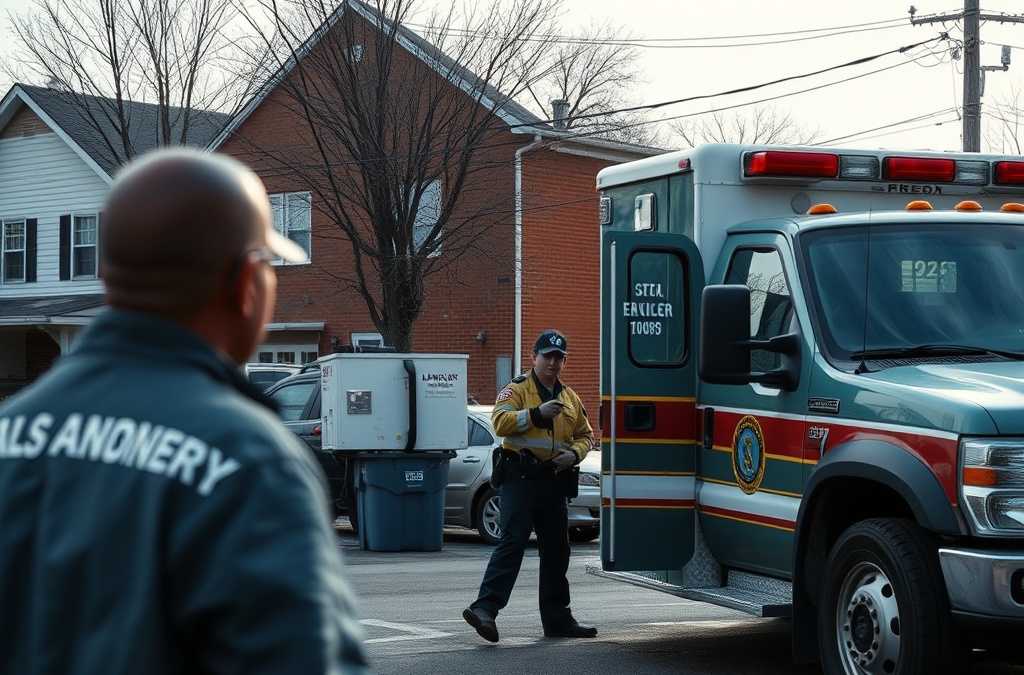
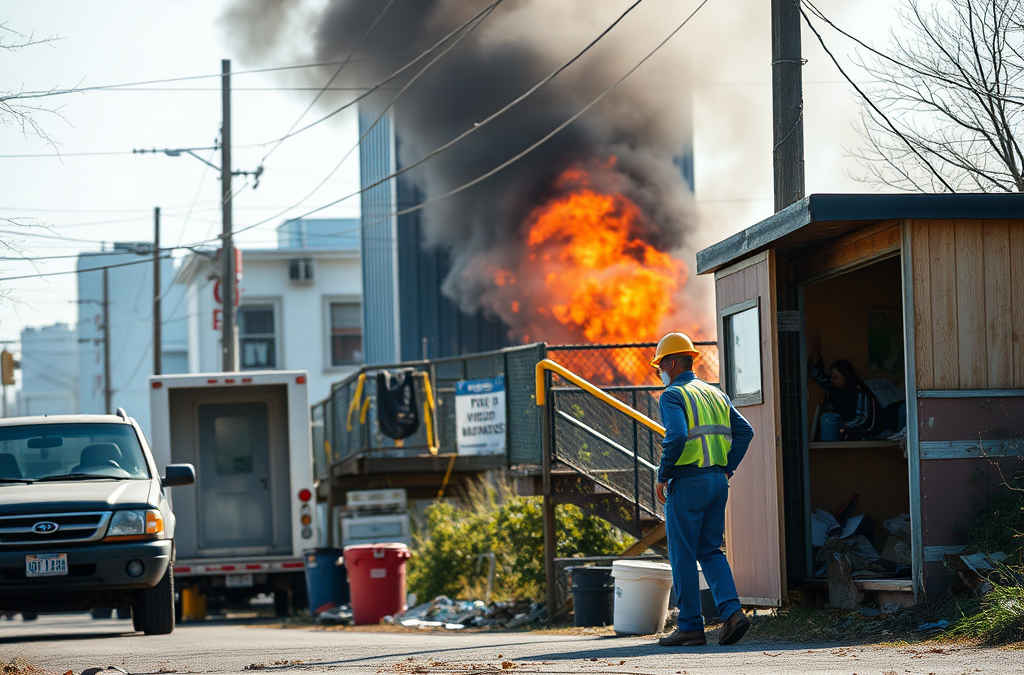
To effectively stay informed about local disaster risks, it is essential first to understand what these risks entail. Local disaster risks can range from natural events like floods, earthquakes, and hurricanes to human-made crises such as chemical spills or infrastructure failures. Recognizing the specific threats in your area allows you to tailor your information-seeking efforts.
Each region has distinct vulnerabilities based on geographical, climatic, and infrastructural factors. For example, coastal areas may be more susceptible to hurricanes, while regions near fault lines face earthquake risks. Understanding these elements helps prioritize which information sources to monitor and what preparedness measures to implement.
Reliable Sources of Information
One of the most effective ways to stay informed about local disaster risks is to utilize reliable information sources. Local government websites, particularly those of emergency management agencies, are critical for real-time updates on potential threats. These sites often provide emergency alerts, preparedness tips, and resource links that are invaluable during a crisis.
In addition to government websites, local news outlets can serve as a timely source of information. Radio stations, especially those dedicated to emergency broadcasting, can provide updates even when other communication methods fail. Subscribing to local newsletters or alerts from these sources can ensure that you receive information as it becomes available.
Utilizing Technology for Updates
In today’s digital age, technology plays a crucial role in staying informed about local disaster risks. Mobile apps designed for emergency alerts can provide immediate notifications regarding weather warnings, evacuations, and safety instructions. Apps such as FEMA, Red Cross, and local weather services can send push notifications tailored to your location.
Social media platforms are also powerful tools for real-time updates. Following local government agencies and emergency services on platforms like Twitter or Facebook can keep you informed about the latest developments. Many communities also have dedicated groups that share information, resources, and personal experiences related to local risks.
Community Engagement and Preparedness
Engaging with your local community is an essential aspect of staying informed about disaster risks. Local organizations, such as neighborhood watch groups or community emergency response teams (CERT), often provide resources and training on disaster preparedness. These groups can also facilitate communication among residents during emergencies.
Participating in community meetings or preparedness workshops can enhance your understanding of local risks and response strategies. Building relationships with neighbors can create a support network that is vital during a disaster. In addition, sharing information within your community can help ensure that everyone is aware of risks and prepared to respond effectively.
Frequently Asked Questions
What are the most common local disaster risks?
The most common local disaster risks vary by region but typically include natural disasters such as floods, hurricanes, earthquakes, and severe storms, as well as human-made incidents like chemical spills or infrastructure failures.
How can I receive emergency alerts?
You can receive emergency alerts by subscribing to local government notifications, downloading emergency apps, and following local news outlets on social media for real-time updates.
What should I include in my emergency preparedness plan?
Your emergency preparedness plan should include contact information for family members, a communication plan, emergency supplies, evacuation routes, and local emergency contacts.
How often should I update my disaster preparedness plan?
You should review and update your disaster preparedness plan at least once a year or after any significant life changes, such as moving, having a baby, or changes in family size.
Why is community involvement important for disaster preparedness?
Community involvement is crucial because it fosters communication, support, and resource sharing among residents, which can enhance overall preparedness and response during a disaster.
Offers resources for disaster preparedness, response, and recovery, along with information on local services
Conclusion
Staying informed about local disaster risks is vital for ensuring safety and preparedness. By utilizing reliable sources of information, embracing technology, and engaging with your community, you can effectively monitor potential threats and respond proactively. Prioritize creating an emergency preparedness plan tailored to your specific risks, and ensure that you remain connected with local resources and networks. Taking these steps will enhance your readiness and resilience in the face of disasters.
Local emergency services are essential components of community safety, comprising fire departments, police, and medical responders. These services are designed to respond quickly to emergencies, provide critical assistance, and ensure public safety during crises. The effectiveness of these services relies heavily on community support and engagement, which includes understanding their roles, resources, and limitations. When residents are unaware of how these services function, they may undervalue their importance.
Emergency services operate under various protocols and training programs aimed at maximizing efficiency during emergencies. For example, fire departments often conduct regular drills and community outreach programs to educate the public on fire safety. However, if communities disregard these initiatives, they miss opportunities to enhance their safety and preparedness. Recognizing the capabilities and limitations of local emergency services is crucial for fostering a collaborative approach to community safety.
Impacts of Ignoring Emergency Services
Neglecting local emergency services can have dire consequences for communities. One immediate impact is the delay in response times during emergencies, which can lead to increased injuries or fatalities. For instance, if residents fail to report a fire promptly or do not follow evacuation orders, the situation can escalate quickly, resulting in greater harm.
Additionally, ignoring these services can erode community trust and cooperation. When individuals do not participate in local emergency drills or fail to support funding for these services, it creates a gap in preparedness. This lack of engagement can lead to confusion and chaos during actual emergencies, as residents may not know how to respond effectively or whom to contact for assistance.
Moreover, communities that ignore emergency services may find themselves unprepared for larger disasters, such as natural disasters or public health crises. Without a strong network of emergency responders, the community’s resilience diminishes, making them more susceptible to the fallout from such events.
Community Engagement in Emergency Preparedness
Active community engagement is vital for enhancing the effectiveness of local emergency services. Engagement can take many forms, including participation in community safety meetings, volunteering for local emergency response teams, or simply staying informed about resources and protocols. By fostering a culture of preparedness, communities can significantly mitigate the risks associated with emergencies.
One effective strategy is to organize regular training sessions and drills that involve local residents. These events can help familiarize the public with emergency procedures and build confidence in their ability to respond effectively. For example, community-wide evacuation drills can simulate real-life scenarios, providing residents with valuable experience and knowledge.
Furthermore, communities should prioritize clear communication channels with local emergency services. Establishing a robust communication plan can ensure that residents receive timely information during emergencies, thereby reducing panic and confusion. Public awareness campaigns that highlight the importance of local emergency services can also encourage residents to take an active role in their safety.
Case Studies of Ignored Emergency Services
Examining real-world examples can illustrate the consequences of ignoring local emergency services. One notable case is the aftermath of Hurricane Katrina in New Orleans. Many residents disregarded evacuation orders, leading to chaos and preventable loss of life. The lack of cooperation with local emergency services exacerbated the disaster’s impact, highlighting the critical need for community engagement and adherence to safety protocols.
Another example is the 2017 wildfires in California, where communities that had previously engaged with fire services had better outcomes. Those that participated in fire prevention programs and adhered to safety guidelines experienced fewer damages and quicker recovery times. These case studies emphasize the importance of proactive engagement with local emergency services to mitigate risks and enhance community resilience.
Frequently Asked Questions
What are the main local emergency services?
The main local emergency services include fire departments, police departments, and emergency medical services (EMS) that respond to various emergencies and ensure public safety.
Why is community engagement important for emergency services?
Community engagement is crucial as it fosters cooperation, enhances preparedness, and ensures that residents understand how to respond effectively during emergencies.
What are the risks of ignoring emergency services?
Ignoring emergency services can lead to delayed response times, increased injuries or fatalities, and a breakdown in community safety during crises.
How can communities support local emergency services?
Communities can support local emergency services by participating in training programs, attending safety meetings, and advocating for necessary funding and resources.
What role do drills play in emergency preparedness?
Drills play a vital role by providing residents with practical experience in emergency procedures, helping to reduce panic and confusion during real emergencies.
National preparedness resources for planning, mitigation, and response readiness
Conclusion
Understanding the consequences of ignoring local emergency services is essential for fostering community resilience and safety. Communities that engage with these services not only enhance their preparedness but also build a culture of cooperation and trust. By actively participating in emergency preparedness initiatives, residents can mitigate risks and ensure a swift and effective response during crises. Prioritizing communication and training will empower individuals and communities to navigate emergencies more effectively, ultimately saving lives and resources.
Urban emergency preparedness focuses on the unique characteristics and risks of densely populated areas. High-rise buildings, crowded public spaces, and limited access to natural resources can complicate response efforts. Key priorities include identifying evacuation routes, ensuring access to emergency services, and maintaining communication networks during crises. Urban environments may face specific threats such as natural disasters, terrorist attacks, or civil unrest, making it essential to understand the nature of these risks.
One common mistake in urban preparedness is underestimating the importance of local resources. Residents often rely solely on government assistance without considering the critical role of community networks. Engaging with local organizations, participating in drills, and knowing your neighbors can significantly enhance collective resilience in an emergency scenario.
Navigating Rural Emergency Challenges
In contrast, rural emergencies present different challenges, such as longer response times and limited access to emergency services. Rural areas often lack the infrastructure found in cities, making self-sufficiency a priority. Residents must be prepared for scenarios where outside help may be delayed or unavailable, such as during natural disasters or widespread emergencies.
Common pitfalls in rural preparedness include neglecting communication strategies. Without reliable cell service or internet access, residents may struggle to receive critical information. Establishing alternative communication methods, such as ham radios or community bulletin boards, can ensure that residents stay informed and connected during crises.
Essential Supplies for Different Environments
Both urban and rural preparedness require specific supplies tailored to the environment. Urban residents should focus on compact, portable items that are easy to store and transport, such as emergency kits, portable chargers, and first aid supplies. In contrast, rural residents should prioritize bulk supplies, including food, water, and medical resources, to sustain them during extended emergencies.
When preparing supplies, consider the unique risks associated with your location. For example, urban areas may require items like fire extinguishers due to higher fire risks, while rural homes should stock additional fuel for generators or alternative heating sources during power outages. Creating a checklist of essential items based on your environment can help streamline your preparedness efforts.
Creating an Emergency Response Plan
An effective emergency response plan is crucial for both urban and rural settings. This plan should outline specific actions to take during various emergencies, including evacuation routes, communication strategies, and designated meeting points. In urban areas, plans may emphasize quick exits and access to public transportation, while rural plans should focus on self-sufficiency and resource management.
Regularly reviewing and practicing your emergency response plan can significantly improve readiness. Conduct drills, update contact information, and involve family members in discussions about what to do in different scenarios. This proactive approach not only familiarizes everyone with the plan but also highlights potential gaps that need addressing.
For more information on emergency preparedness, consider visiting reputable sources such as the Federal Emergency Management Agency (FEMA) and local community preparedness programs, which provide valuable resources and guidance tailored to your specific environment.
Frequently Asked Questions
What are the key differences in preparing for urban and rural emergencies?
Urban emergencies require quick evacuation and access to services, while rural emergencies focus on self-sufficiency and resource management.
How can I create an effective emergency response plan?
Your plan should include evacuation routes, communication methods, and designated meeting points tailored to your environment.
What essential supplies should I have for urban emergencies?
Urban supplies include portable emergency kits, first aid items, and portable chargers for devices.
What supplies are most important for rural preparedness?
Rural preparedness should focus on bulk supplies like food, water, and medical resources for extended self-sufficiency.
How often should I review my emergency plan?
Regularly review and practice your emergency plan at least once a year to ensure everyone is familiar with the procedures.