
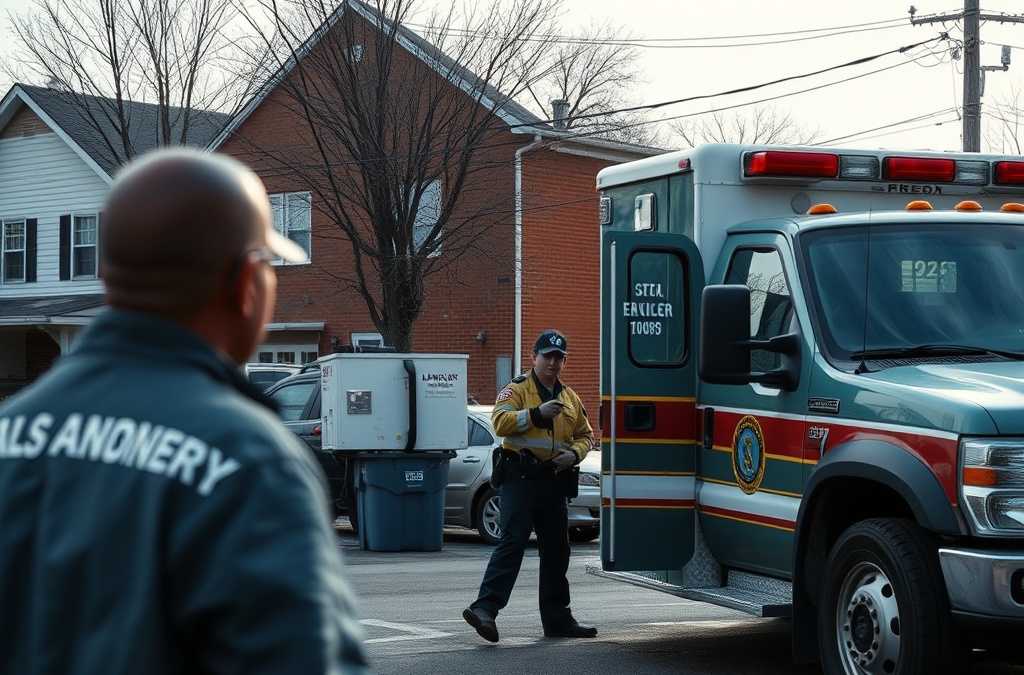
Ignoring local emergency services can lead to devastating outcomes, such as prolonged response times and increased risks of injury or loss of life. Communities that overlook the importance of these services may find themselves unprepared during crises, as a lack of engagement can weaken trust and cooperation among residents. For instance, failing to participate in emergency drills or neglecting to support funding initiatives can create significant gaps in readiness. To mitigate these risks, it is essential for residents to actively engage with local emergency services, understand their roles, and participate in community safety programs. This proactive approach not only enhances individual safety but also strengthens the overall resilience of the community.
Understanding Local Emergency Services
Local emergency services are essential components of community safety, comprising fire departments, police, and medical responders. These services are designed to respond quickly to emergencies, provide critical assistance, and ensure public safety during crises. The effectiveness of these services relies heavily on community support and engagement, which includes understanding their roles, resources, and limitations. When residents are unaware of how these services function, they may undervalue their importance.
Emergency services operate under various protocols and training programs aimed at maximizing efficiency during emergencies. For example, fire departments often conduct regular drills and community outreach programs to educate the public on fire safety. However, if communities disregard these initiatives, they miss opportunities to enhance their safety and preparedness. Recognizing the capabilities and limitations of local emergency services is crucial for fostering a collaborative approach to community safety.
Impacts of Ignoring Emergency Services
Neglecting local emergency services can have dire consequences for communities. One immediate impact is the delay in response times during emergencies, which can lead to increased injuries or fatalities. For instance, if residents fail to report a fire promptly or do not follow evacuation orders, the situation can escalate quickly, resulting in greater harm.
Additionally, ignoring these services can erode community trust and cooperation. When individuals do not participate in local emergency drills or fail to support funding for these services, it creates a gap in preparedness. This lack of engagement can lead to confusion and chaos during actual emergencies, as residents may not know how to respond effectively or whom to contact for assistance.

Moreover, communities that ignore emergency services may find themselves unprepared for larger disasters, such as natural disasters or public health crises. Without a strong network of emergency responders, the community’s resilience diminishes, making them more susceptible to the fallout from such events.
Community Engagement in Emergency Preparedness
Active community engagement is vital for enhancing the effectiveness of local emergency services. Engagement can take many forms, including participation in community safety meetings, volunteering for local emergency response teams, or simply staying informed about resources and protocols. By fostering a culture of preparedness, communities can significantly mitigate the risks associated with emergencies.
One effective strategy is to organize regular training sessions and drills that involve local residents. These events can help familiarize the public with emergency procedures and build confidence in their ability to respond effectively. For example, community-wide evacuation drills can simulate real-life scenarios, providing residents with valuable experience and knowledge.
Furthermore, communities should prioritize clear communication channels with local emergency services. Establishing a robust communication plan can ensure that residents receive timely information during emergencies, thereby reducing panic and confusion. Public awareness campaigns that highlight the importance of local emergency services can also encourage residents to take an active role in their safety.
Case Studies of Ignored Emergency Services
Examining real-world examples can illustrate the consequences of ignoring local emergency services. One notable case is the aftermath of Hurricane Katrina in New Orleans. Many residents disregarded evacuation orders, leading to chaos and preventable loss of life. The lack of cooperation with local emergency services exacerbated the disaster’s impact, highlighting the critical need for community engagement and adherence to safety protocols.
Another example is the 2017 wildfires in California, where communities that had previously engaged with fire services had better outcomes. Those that participated in fire prevention programs and adhered to safety guidelines experienced fewer damages and quicker recovery times. These case studies emphasize the importance of proactive engagement with local emergency services to mitigate risks and enhance community resilience.
Frequently Asked Questions
What are the main local emergency services?
The main local emergency services include fire departments, police departments, and emergency medical services (EMS) that respond to various emergencies and ensure public safety.
Why is community engagement important for emergency services?
Community engagement is crucial as it fosters cooperation, enhances preparedness, and ensures that residents understand how to respond effectively during emergencies.
What are the risks of ignoring emergency services?
Ignoring emergency services can lead to delayed response times, increased injuries or fatalities, and a breakdown in community safety during crises.
How can communities support local emergency services?
Communities can support local emergency services by participating in training programs, attending safety meetings, and advocating for necessary funding and resources.
What role do drills play in emergency preparedness?
Drills play a vital role by providing residents with practical experience in emergency procedures, helping to reduce panic and confusion during real emergencies.
Further Reading
Authoritative Sources
- Ready.gov Preparedness Guidance
ready.govFederal preparedness guidance for household planning, alerts, supplies, and emergencies
- American Red Cross Emergency Preparedness
redcross.orgEmergency preparedness resources for families, disasters, and practical safety planning
- FEMA Preparedness Resources
fema.govNational preparedness resources for planning, mitigation, and response readiness
Conclusion
Understanding the consequences of ignoring local emergency services is essential for fostering community resilience and safety. Communities that engage with these services not only enhance their preparedness but also build a culture of cooperation and trust. By actively participating in emergency preparedness initiatives, residents can mitigate risks and ensure a swift and effective response during crises. Prioritizing communication and training will empower individuals and communities to navigate emergencies more effectively, ultimately saving lives and resources.
Related Content
- How to Stay Safe During a Wildfire: Pro Tips
- The Ultimate Guide to the 2025 Emergency Preparedness Bag: 10 Powerful Tips
- How to Live Self-Reliant – A Path to Empowered Independence
- Issues With Long-Term Water Storage Solutions: Risks, Best Practices, and Common Mistakes
- The Basics of Emergency Childbirth in the Wilderness




