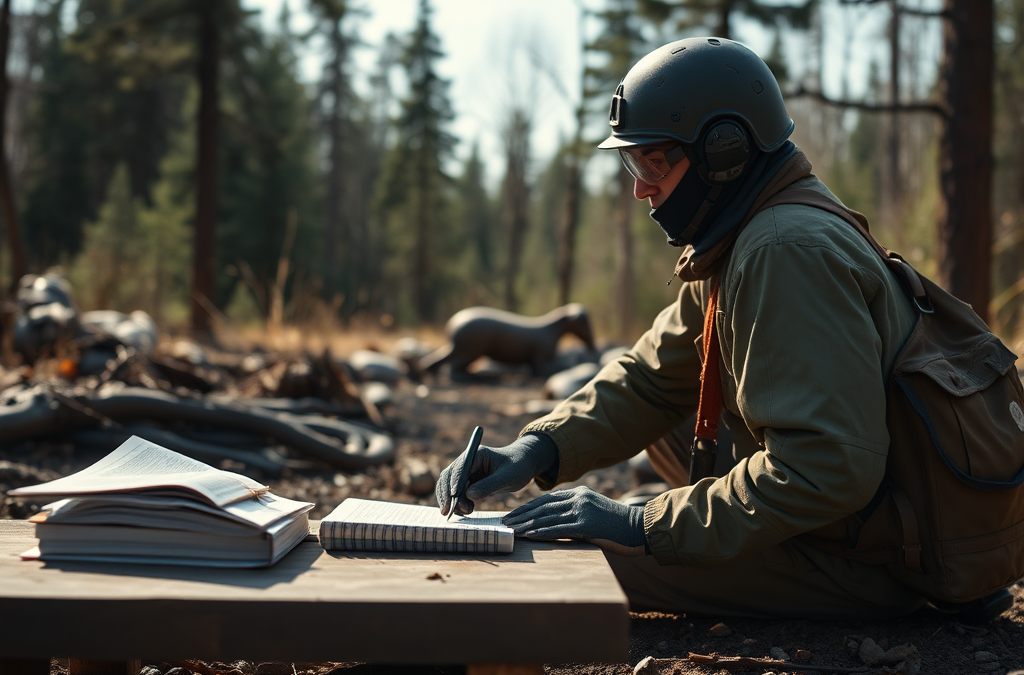
Understanding the Importance of a Household Preparedness Plan
A household preparedness plan is critical for ensuring your family’s safety during emergencies such as natural disasters, fires, or other crises. The significance lies in its ability to provide a structured response to unexpected situations, reducing panic and confusion. Without a plan, families may struggle to determine how to react, leading to missed opportunities for safety and communication.
Moreover, a well-thought-out preparedness plan fosters a sense of security among family members. Knowing that there is a clear course of action can alleviate anxiety and empower individuals to respond effectively. For example, families that regularly review their preparedness plans report feeling more confident during actual emergencies, as they are familiar with their designated roles and responsibilities.
Key Components of an Effective Preparedness Plan
An effective household preparedness plan should encompass several key components to ensure comprehensive coverage. Firstly, clear communication protocols are essential. This includes establishing a primary contact outside the area who can serve as a point of communication for family members. In the event of an emergency, having a reliable contact can facilitate information sharing and ensure everyone is accounted for.
Additionally, the plan should outline evacuation routes and meeting points. Designating specific locations where family members can regroup after an evacuation is crucial. For instance, if a fire occurs, knowing where to meet outside the home can prevent confusion and help ensure that everyone is safe. Regularly updating these routes based on changes in your neighborhood or environment is also important.
Creating an Emergency Kit: What to Include
An emergency kit is a vital part of any household preparedness plan. It should be stocked with essential supplies that can sustain your family for at least 72 hours. Key items to include are non-perishable food, water (at least one gallon per person per day), a flashlight, batteries, a first aid kit, and necessary medications.
In addition to these basics, consider including items that cater to specific family needs, such as baby supplies, pet food, or important documents in a waterproof container. Regularly check and update your emergency kit to replace expired items and add new necessities as your family’s needs change. For example, if a family member develops a new medical condition, adjust the kit accordingly to ensure it continues to meet everyone’s needs.
Practicing Your Plan: Drills and Family Meetings
Practicing your household preparedness plan is as crucial as creating it. Regular drills can help family members become familiar with their roles and the steps they need to take during an emergency. Schedule these drills at least twice a year to build muscle memory and confidence in executing the plan.
Family meetings are another valuable tool for ensuring everyone stays informed. During these meetings, discuss any updates to the plan, review roles, and address any concerns family members may have. Encouraging open communication about emergency preparedness fosters an environment where everyone feels comfortable discussing safety issues and contributes to a sense of collective responsibility.
Frequently Asked Questions
What is a household preparedness plan?
A household preparedness plan is a strategy designed to help families respond effectively to emergencies by outlining communication protocols, evacuation routes, and necessary supplies.
How often should we review our preparedness plan?
It's advisable to review and practice your preparedness plan at least twice a year, making adjustments as needed based on changes in family circumstances or local risks.
What should be included in an emergency kit?
Your emergency kit should include non-perishable food, water, a flashlight, batteries, a first aid kit, necessary medications, and any specific items needed for family members.
How can we practice our preparedness plan?
Regular drills and family meetings are essential for practicing your preparedness plan, helping everyone understand their roles and the steps to take during an emergency.
Why is a household preparedness plan important?
A household preparedness plan is vital because it reduces confusion during emergencies, ensures effective communication, and enhances the overall safety and security of family members.
This resource provides extensive information on how to prepare for various emergencies, including detailed guidance on creating a household preparedness plan
FEMA provides guidelines and resources for developing household preparedness plans tailored to various types of disasters
Conclusion
Creating and maintaining a household preparedness plan is essential for family safety during emergencies. By understanding its importance, incorporating key components, assembling an emergency kit, and practicing regularly, families can enhance their readiness. Prioritize communication, review your plan frequently, and ensure that all family members are involved in the process. This proactive approach will not only provide peace of mind but also empower your family to respond effectively in times of crisis.
Storm prep for families begins with understanding the types of storms that could impact your area. This includes hurricanes, tornadoes, floods, and winter storms, each presenting unique risks and challenges. Knowing the historical patterns and potential severity of storms can help families take proactive steps. For instance, families in hurricane-prone areas should be particularly vigilant during the Atlantic hurricane season, while those in tornado-prone regions may need to prepare for sudden severe weather warnings.
Understanding your local emergency management resources is also crucial. Many communities have systems in place to alert residents of impending storms, including sirens and notification apps. Failing to stay informed about these resources can result in missed warnings and inadequate preparation, leading to increased risk during a storm.
Creating an Emergency Plan
An effective emergency plan is vital for ensuring family safety during a storm. This plan should outline specific roles for each family member, including who is responsible for securing the home, gathering supplies, and communicating with others. Families should designate a safe meeting place both at home and outside the area in case evacuation becomes necessary.
Additionally, it’s important to practice the plan regularly. Conducting drills can help familiarize family members with their roles and the steps they need to take. One common mistake is neglecting to review and update the plan, especially after changes in family dynamics, such as a new child or a family member moving away. Regular updates ensure that everyone knows what to do in an emergency.
Building a Disaster Supply Kit
A well-stocked disaster supply kit is essential for storm preparedness. Families should include items such as non-perishable food, water (at least one gallon per person per day for three days), first aid supplies, flashlights, batteries, and important documents. Additionally, consider including items specific to family needs, such as medications, pet supplies, and baby essentials.
One common oversight is underestimating the amount of food and water needed, especially for larger families or those with specific dietary needs. It’s advisable to review the kit at least twice a year to replace expired items and reassess needs based on changes in family composition or health.
Securing Your Home
Securing your home against storm damage is a critical part of storm prep for families. This includes reinforcing windows and doors, clearing gutters, and trimming trees that could fall during high winds. Families should also consider investing in storm shutters or plywood to protect windows in extreme weather.
In addition to physical security, ensure that your insurance coverage is adequate. Many homeowners are surprised to learn that standard policies may not cover certain types of storm damage, particularly flooding. Reviewing your insurance policy before a storm season can help avoid financial pitfalls in the aftermath of a storm.
Communication Strategies for Families
Effective communication is critical during a storm event. Families should establish a communication plan that includes how to reach each other if separated, especially if power outages occur. Designating a family member or friend outside of the immediate area as a point of contact can provide peace of mind.
Many families fail to account for the potential loss of cell service during severe storms. It’s also wise to have a battery-operated radio or other means of receiving emergency updates. Regularly reviewing and practicing this communication plan can help ensure everyone knows how to stay connected during a crisis.
Frequently Asked Questions
What should be included in a family emergency plan?
Your family emergency plan should include roles for each member, a meeting place, and communication strategies.
How can I secure my home before a storm?
Reinforce windows and doors, clear gutters, and trim trees to minimize damage risk.
What items are essential in a disaster supply kit?
Include non-perishable food, water, first aid supplies, flashlights, batteries, and personal medications.
How often should I review my emergency plan?
Review your emergency plan at least twice a year and update it based on changes in family dynamics.
What is the best way to stay informed during a storm?
Use a battery-operated radio or mobile alerts to stay updated on weather conditions and emergency instructions.
Provides resources for creating emergency plans and building disaster kits
Conclusion
Preparing for storms is essential for family safety and peace of mind. By understanding storm risks, creating a detailed emergency plan, building a disaster supply kit, securing your home, and establishing effective communication strategies, families can significantly enhance their readiness. It’s crucial to regularly review and practice these preparations to ensure everyone knows their role during an emergency. Take proactive steps now, and prioritize safety as storm season approaches.
Understanding the specific risks in your area is crucial for effective survival planning. Each region has unique threats, whether they are natural disasters like hurricanes, earthquakes, or man-made emergencies such as chemical spills or civil unrest. By identifying these risks, you can prioritize your preparations and allocate resources effectively.
For example, if you live in a flood-prone area, you should focus on water safety, evacuation routes, and securing your property against water damage. Conversely, those in wildfire-prone regions should prioritize fire-resistant materials and evacuation plans. Regularly reviewing local news and emergency management resources can help you stay informed about potential threats.
Essential Supplies for Survival
Gathering the right supplies is a cornerstone of survival planning. Essential items include non-perishable food, clean drinking water, first aid kits, and basic tools. A recommended guideline is to have at least a 72-hour supply of food and water for each person in your household, along with a means to purify water if necessary.
Additionally, consider including items like flashlights, batteries, a multi-tool, and a portable charger for communication devices. A common mistake is underestimating the importance of sanitation supplies, which can become critical in disaster situations. Regularly check and rotate your supplies to ensure they remain usable and up-to-date.
Creating an Emergency Response Plan
An effective emergency response plan outlines how you and your family will respond in various scenarios. This plan should include communication strategies, evacuation routes, and designated meeting points. Ensure that all family members are aware of the plan and their roles during an emergency.
For instance, if you need to evacuate, having a clear route and understanding where to go can save valuable time. Include contact information for local emergency services and nearby shelters. Regularly review and practice your plan, as familiarity can significantly reduce panic during an actual emergency.
Training and Drills
Regular training and drills are essential components of survival planning. These practices help build confidence and ensure that everyone knows what to do in an emergency. Schedule drills for different scenarios, such as fire evacuations, severe weather responses, or medical emergencies.
Consider enrolling in first aid and CPR courses to enhance your skills. Many communities offer free or low-cost training options. A common oversight is neglecting to involve all family members in training, which can lead to confusion during a real emergency. By practicing together, you can ensure a coordinated response.
Frequently Asked Questions
What are the first steps in survival planning?
The first steps include assessing local risks, gathering essential supplies, and creating an emergency response plan.
How much food and water should I store for emergencies?
It's recommended to have at least a 72-hour supply of food and water for each person in your household.
What should be included in an emergency kit?
An emergency kit should include non-perishable food, water, first aid supplies, tools, and sanitation items.
How often should I review my emergency plan?
Your emergency plan should be reviewed at least once a year or whenever significant changes occur in your household.
What types of training should I pursue for emergencies?
Consider training in first aid, CPR, and emergency response drills to enhance your preparedness.
Further Reading
For additional resources on survival planning, check out the following:
Offers resources for creating emergency plans and understanding disaster preparedness
Conclusion
Effective survival planning is essential for ensuring safety during emergencies. By assessing risks, gathering supplies, creating a response plan, and conducting regular drills, you can enhance your preparedness. Prioritize these steps to build a resilient strategy that protects you and your loved ones in any situation.