Risk assessment is the foundation of preparedness for unexpected events. It involves identifying potential hazards that could disrupt normal life, such as natural disasters, pandemics, or technological failures. By evaluating the likelihood and impact of these threats, individuals and organizations can prioritize their preparedness efforts effectively. For instance, a community situated in a flood-prone area should focus more on flood mitigation strategies compared to one located in a region with minimal flood risk.
Common mistakes during risk assessment include underestimating the severity of potential events or overlooking less obvious risks. To mitigate these errors, conduct regular reviews of the risk landscape and engage with local emergency services for insights. This proactive approach not only enhances understanding but also fosters community resilience, allowing for a coordinated response when unexpected events occur.
Creating an Effective Emergency Plan
An effective emergency plan outlines procedures to follow during unexpected events. This plan should encompass evacuation routes, emergency contacts, and designated meeting points. Clarity in these areas ensures that all involved parties know how to react swiftly and safely. For example, families should practice evacuation drills to familiarize themselves with exit routes and communication methods.
Moreover, establishing specific roles for each family member or team member during emergencies can streamline response efforts. A common pitfall is creating a plan that is too complex or not tailored to the specific needs of those involved. Therefore, continually revising the plan to address feedback and changing circumstances is crucial. Regular training sessions can also reinforce the plan’s effectiveness, ensuring that everyone remains prepared and confident in their roles.
Communication Strategies During Crises
During unexpected events, communication is paramount for effective response and recovery. Establishing clear communication channels before a crisis occurs can significantly enhance coordination and information flow. Consider utilizing multiple platforms, such as text messages, social media, and local radio broadcasts, to ensure messages reach as many people as possible.
In addition, it is vital to designate a spokesperson to relay accurate information to the public and media. Misinformation can exacerbate panic and confusion, making it essential to communicate clearly and consistently. One common mistake is relying solely on one method of communication. Diversifying communication strategies helps cater to different preferences and ensures that critical information is disseminated promptly.
Resource Accessibility and Management
Accessibility to essential resources, such as food, water, medical supplies, and shelter, is crucial during unexpected events. Communities should assess local resources and create a plan for stockpiling necessary items. For instance, setting up community resource centers can facilitate the distribution of supplies during emergencies.
Moreover, understanding the limitations of resources is equally important. Overestimating available supplies can lead to shortages when they are most needed. Regular inventory checks and community engagement can help maintain awareness of resource availability. Establishing partnerships with local businesses and organizations can also enhance resource management, ensuring that communities are better equipped to handle unexpected events.
Frequently Asked Questions
What are the key components of an emergency preparedness plan?
The key components include risk assessment, communication strategies, resource management, and specific response procedures for various scenarios.
How can families practice their emergency plans?
Families can practice their emergency plans by conducting regular drills, discussing roles, and reviewing evacuation routes together.
What common mistakes should be avoided in emergency preparedness?
Common mistakes include underestimating risks, creating overly complex plans, and neglecting regular updates and training.
How can communities improve their preparedness for unexpected events?
Communities can improve preparedness by engaging in risk assessments, establishing resource centers, and fostering partnerships with local organizations.
Why is communication important during a crisis?
Effective communication helps manage information flow, reduces panic, and ensures coordinated responses, leading to better outcomes during crises.
National preparedness resources for planning, mitigation, and response readiness
Conclusion
Preparedness for unexpected events is vital for ensuring safety and minimizing chaos during crises. By understanding risks, creating comprehensive plans, and establishing effective communication strategies, individuals and communities can significantly enhance their resilience. Regularly updating these plans and engaging in practical drills will further solidify preparedness efforts, enabling a swift and organized response when faced with unexpected challenges.
Understanding the Importance of an Emergency Readiness Checklist
An emergency readiness checklist is vital for personal safety during crises, whether natural disasters, medical emergencies, or other unforeseen situations. By having a structured plan, individuals can minimize panic and ensure they have the necessary resources to respond effectively. This checklist serves as a proactive measure, helping families and individuals to stay organized and informed.
Many people underestimate the likelihood of emergencies, leading to inadequate preparation. The reality is that disasters can happen at any time, and having a checklist can make a significant difference in how well one can cope. Properly equipped individuals can save time, reduce stress, and increase their chances of safety and survival.
Essential Supplies to Include
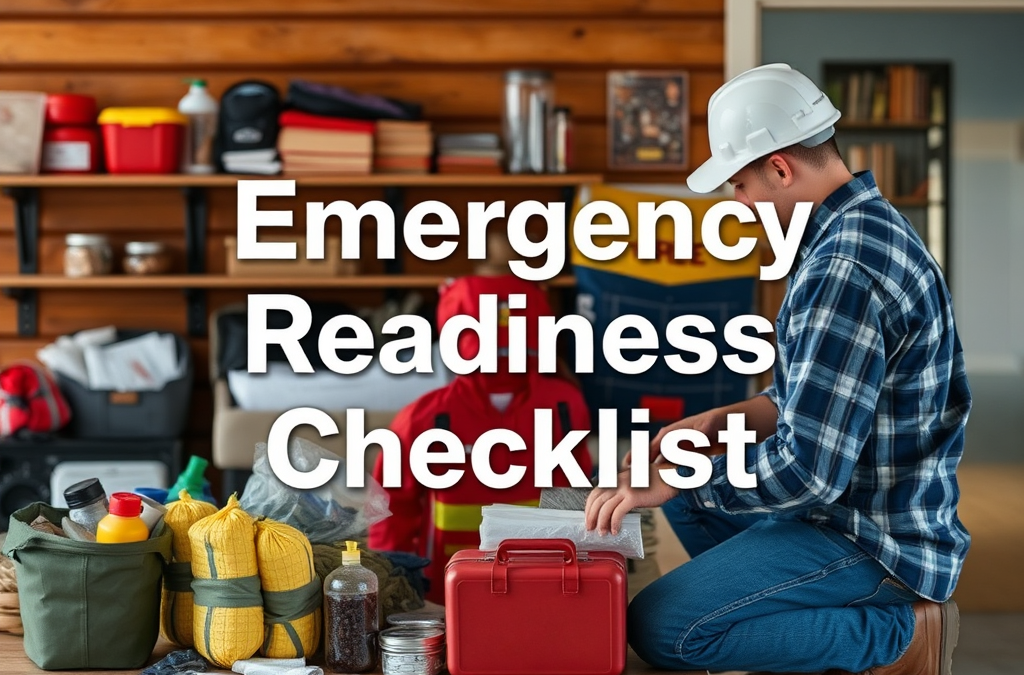
When compiling an emergency readiness checklist, it is crucial to include essential supplies that cater to various emergencies. These supplies should be practical, accessible, and tailored to the specific needs of your household.
Key items to consider include:
Water: At least one gallon per person per day for at least three days.
Food: Non-perishable items like canned goods, granola bars, and dried fruits, sufficient for three days.
First Aid Kit: A well-stocked kit with bandages, antiseptics, medications, and personal prescriptions.
Flashlights and Batteries: To provide light during power outages.
Multi-tool or Swiss Army Knife: Useful for a variety of tasks.
Important Documents: Copies of identification, insurance policies, and emergency contacts.
These supplies should be stored in a safe, accessible location and checked regularly to ensure they remain usable and within expiration dates. It’s also important to customize your list based on personal needs, such as including baby formula if you have young children or pet supplies for animals.
Steps to Creating Your Checklist
Creating an effective emergency readiness checklist involves several practical steps. Start by evaluating your household’s specific needs and the types of emergencies you might face based on your location.
1. Assess Risks: Identify potential emergencies in your area, such as floods, earthquakes, or wildfires.
2. Gather Supplies: Based on the risks identified, compile a list of essential items tailored to your family’s needs.
3. Create a Plan: Outline how your family will communicate and where to meet if separated during an emergency.
4. Review and Practice: Regularly go over your checklist with family members and conduct practice drills to ensure everyone knows what to do and where to find supplies.
5. Update Regularly: As your family dynamics change or new products become available, revisit your checklist to make necessary adjustments.
These steps help ensure that your emergency readiness checklist is comprehensive and practical, leading to better preparedness.
Common Mistakes to Avoid
While preparing an emergency readiness checklist, several common mistakes can hinder effectiveness. Awareness of these pitfalls can help you create a more robust plan.
One frequent error is failing to customize the checklist for individual needs. Generic lists may overlook specific requirements such as medications or dietary restrictions. Another mistake is neglecting to regularly check and update supplies, leading to expired items in the kit.
Additionally, many individuals underestimate the importance of practicing the plan. Simply having a checklist is not enough; family members should be familiar with the contents and procedures to follow during an emergency.
Finally, not considering the emotional aspect of emergencies can be a significant oversight. Preparing mentally for various scenarios can help alleviate panic and confusion when a crisis occurs.
Frequently Asked Questions
What should I include in my emergency readiness checklist?
Your checklist should include water, food, first aid supplies, flashlights, batteries, and important documents.
How often should I update my emergency readiness checklist?
It's recommended to review and update your emergency checklist at least twice a year or whenever there are significant life changes.
Where should I store my emergency supplies?
Store your emergency supplies in a cool, dry place that is easily accessible to all family members.
How can I ensure my family knows the emergency plan?
Conduct regular drills and discussions about the emergency plan to ensure everyone understands their roles and responsibilities.
What is the most common mistake people make when preparing for emergencies?
Many people fail to customize their emergency checklist to their specific needs, which can lead to inadequate preparation.
National preparedness resources for planning, mitigation, and response readiness
Conclusion
Implementing an emergency readiness checklist is a proactive step toward ensuring safety during unforeseen events. By including essential supplies, regularly updating your list, and practicing your plan, you can significantly enhance your preparedness. Prioritize understanding your specific risks and customizing your checklist accordingly, as this tailored approach will provide the best chance of effectively responding to emergencies.
Community readiness support is a vital framework for evaluating and enhancing a community’s capacity to respond to emergencies and challenges. This support focuses on identifying the strengths and weaknesses within a community, enabling targeted interventions that promote preparedness and resilience. Effective community readiness involves collaboration among local stakeholders, including government agencies, non-profits, and residents, to create a unified approach to preparedness.
Recognizing the unique characteristics and needs of each community is essential. Factors such as demographic diversity, local resources, and historical challenges influence how readiness is perceived and enacted. A community that actively engages in readiness support not only improves its ability to manage crises but also fosters a culture of collaboration and shared responsibility.
Key Components of Effective Community Readiness
Effective community readiness support is built on several key components that ensure a comprehensive approach to preparedness. These components include:
Assessment: Conducting thorough assessments to identify the current state of readiness within the community is crucial. This includes evaluating existing resources, infrastructure, and the community’s historical response to past emergencies.
Education and Training: Providing education and training programs equips community members with the knowledge and skills needed to respond effectively in emergencies. Workshops, drills, and simulations can enhance individual and collective readiness.
Collaboration: Building strong partnerships among local organizations, government agencies, and community members fosters a collaborative environment for addressing readiness issues. This synergy can lead to resource sharing and more effective response strategies.
Communication: Establishing clear communication channels is essential for disseminating information about preparedness initiatives and emergency procedures. Effective communication ensures that all community members are informed and engaged.
By integrating these components, communities can create a robust framework for readiness support that addresses their unique needs and capacities.
Engaging Stakeholders in Community Readiness
Engaging stakeholders is a fundamental aspect of community readiness support. Stakeholders can include local government officials, non-profit organizations, business leaders, and residents. Their involvement is crucial for fostering a sense of ownership and commitment to preparedness initiatives.
One effective strategy for engaging stakeholders is to form a community readiness coalition. This coalition can facilitate discussions, share resources, and coordinate efforts among various stakeholders. For example, a coalition may organize community forums where residents can voice their concerns and contribute ideas for improving readiness.
Moreover, recognizing and leveraging the expertise of stakeholders can enhance the effectiveness of readiness programs. For instance, local businesses can provide resources for training sessions, while non-profits can offer insights into community needs based on their outreach experiences. By actively involving stakeholders, communities can create a more inclusive and effective approach to readiness support.
Assessing Community Needs and Resources
Assessing community needs and resources is a critical step in developing effective community readiness support. This assessment involves gathering data on various aspects, including population demographics, infrastructure, and existing emergency plans. Understanding these elements allows communities to identify gaps and prioritize areas for improvement.
For instance, a community may discover that certain neighborhoods lack access to emergency services or that there is a low level of awareness regarding disaster preparedness. Addressing these gaps can involve targeted outreach efforts, such as distributing educational materials or organizing community workshops focused on emergency planning.
Additionally, utilizing surveys and focus groups can provide valuable insights into residents’ perceptions of community readiness and their specific concerns. This feedback is instrumental in shaping readiness initiatives that resonate with the community’s unique context.
Frequently Asked Questions
What is community readiness support?
Community readiness support involves assessing and enhancing a community's preparedness for emergencies through collaboration, education, and resource allocation.
Why is stakeholder engagement important in community readiness?
Engaging stakeholders fosters ownership and collaboration, leading to more effective preparedness initiatives that address community needs.
How can communities assess their readiness?
Communities can assess their readiness by conducting surveys, evaluating existing resources, and analyzing past responses to emergencies.
What role does education play in community readiness?
Education equips community members with essential knowledge and skills to respond effectively during emergencies, enhancing overall preparedness.
How can communities improve their communication during emergencies?
Communities can improve communication by establishing clear channels for disseminating information about emergency procedures and preparedness initiatives.
NVOAD coordinates the efforts of various organizations to improve disaster response and recovery efforts within communities
Conclusion
Community readiness support is essential for building resilient communities capable of effectively responding to emergencies. By focusing on assessment, education, collaboration, and communication, communities can enhance their preparedness and response capabilities. Engaging stakeholders and addressing specific community needs are critical steps in this process. Communities should prioritize ongoing training and resource allocation to ensure they are well-equipped for future challenges.