
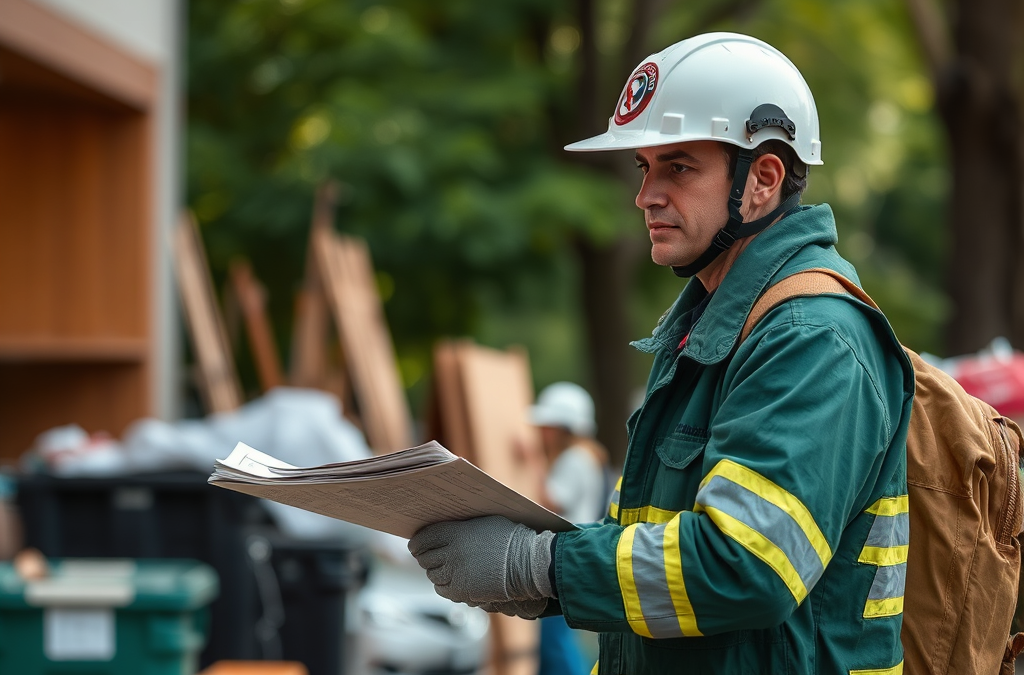
Preparedness for unexpected events requires a strategic approach that includes thorough risk assessment, effective communication plans, and resource management. Begin by identifying potential hazards relevant to your area, such as natural disasters or health crises, to prioritize your preparedness efforts. A practical step is to create a clear emergency plan that outlines evacuation routes and designated meeting points, ensuring everyone knows their roles during a crisis. Regularly review and practice this plan to address any complexities and adapt to changing circumstances.
Understanding Risk Assessment
Risk assessment is the foundation of preparedness for unexpected events. It involves identifying potential hazards that could disrupt normal life, such as natural disasters, pandemics, or technological failures. By evaluating the likelihood and impact of these threats, individuals and organizations can prioritize their preparedness efforts effectively. For instance, a community situated in a flood-prone area should focus more on flood mitigation strategies compared to one located in a region with minimal flood risk.
Common mistakes during risk assessment include underestimating the severity of potential events or overlooking less obvious risks. To mitigate these errors, conduct regular reviews of the risk landscape and engage with local emergency services for insights. This proactive approach not only enhances understanding but also fosters community resilience, allowing for a coordinated response when unexpected events occur.
Creating an Effective Emergency Plan
An effective emergency plan outlines procedures to follow during unexpected events. This plan should encompass evacuation routes, emergency contacts, and designated meeting points. Clarity in these areas ensures that all involved parties know how to react swiftly and safely. For example, families should practice evacuation drills to familiarize themselves with exit routes and communication methods.
Moreover, establishing specific roles for each family member or team member during emergencies can streamline response efforts. A common pitfall is creating a plan that is too complex or not tailored to the specific needs of those involved. Therefore, continually revising the plan to address feedback and changing circumstances is crucial. Regular training sessions can also reinforce the plan’s effectiveness, ensuring that everyone remains prepared and confident in their roles.

Communication Strategies During Crises
During unexpected events, communication is paramount for effective response and recovery. Establishing clear communication channels before a crisis occurs can significantly enhance coordination and information flow. Consider utilizing multiple platforms, such as text messages, social media, and local radio broadcasts, to ensure messages reach as many people as possible.
In addition, it is vital to designate a spokesperson to relay accurate information to the public and media. Misinformation can exacerbate panic and confusion, making it essential to communicate clearly and consistently. One common mistake is relying solely on one method of communication. Diversifying communication strategies helps cater to different preferences and ensures that critical information is disseminated promptly.
Resource Accessibility and Management
Accessibility to essential resources, such as food, water, medical supplies, and shelter, is crucial during unexpected events. Communities should assess local resources and create a plan for stockpiling necessary items. For instance, setting up community resource centers can facilitate the distribution of supplies during emergencies.
Moreover, understanding the limitations of resources is equally important. Overestimating available supplies can lead to shortages when they are most needed. Regular inventory checks and community engagement can help maintain awareness of resource availability. Establishing partnerships with local businesses and organizations can also enhance resource management, ensuring that communities are better equipped to handle unexpected events.
Frequently Asked Questions
What are the key components of an emergency preparedness plan?
The key components include risk assessment, communication strategies, resource management, and specific response procedures for various scenarios.
How can families practice their emergency plans?
Families can practice their emergency plans by conducting regular drills, discussing roles, and reviewing evacuation routes together.
What common mistakes should be avoided in emergency preparedness?
Common mistakes include underestimating risks, creating overly complex plans, and neglecting regular updates and training.
How can communities improve their preparedness for unexpected events?
Communities can improve preparedness by engaging in risk assessments, establishing resource centers, and fostering partnerships with local organizations.
Why is communication important during a crisis?
Effective communication helps manage information flow, reduces panic, and ensures coordinated responses, leading to better outcomes during crises.
Further Reading
Authoritative Sources
- Ready.gov Preparedness Guidance
ready.govFederal preparedness guidance for household planning, alerts, supplies, and emergencies
- American Red Cross Emergency Preparedness
redcross.orgEmergency preparedness resources for families, disasters, and practical safety planning
- FEMA Preparedness Resources
fema.govNational preparedness resources for planning, mitigation, and response readiness
Conclusion
Preparedness for unexpected events is vital for ensuring safety and minimizing chaos during crises. By understanding risks, creating comprehensive plans, and establishing effective communication strategies, individuals and communities can significantly enhance their resilience. Regularly updating these plans and engaging in practical drills will further solidify preparedness efforts, enabling a swift and organized response when faced with unexpected challenges.
Related Content
- How to Stay Safe in Disaster: Essential Steps for Creating a Personal Emergency Plan
- Top 10 Family Preparedness Strategies for 2025: Stay Safe & Ready
- Essential Navigation Skills for Outdoor Survival
- Verifying Secondhand Emergency Information Before Acting: A Source-Checking Decision Process
- How to Prepare Children for Emergencies: 5 Essential Tips for 2025




