
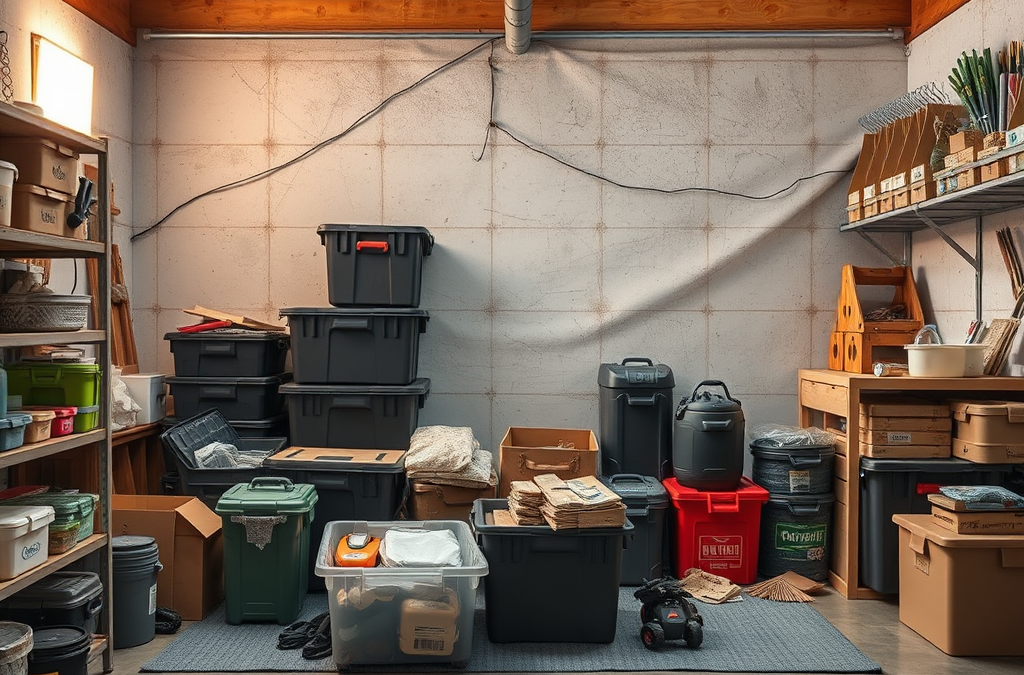
Finding space for prepping supplies can be challenging due to limited storage options and the need for effective organization. To tackle this issue, prioritize vertical storage solutions like shelves and wall-mounted racks, which can help maximize available space without cluttering your living area. Additionally, consider using multifunctional furniture that incorporates storage, such as ottomans or beds with compartments. Implementing a systematic inventory management approach will further enhance accessibility and organization, ensuring that essential supplies are easy to locate during emergencies. By addressing these challenges proactively, you can create a well-organized prepping space that meets your needs.
Understanding the Space Challenge
The challenges of finding space for prepping supplies stem from various factors, including limited living space, the sheer volume of items needed for effective preparedness, and the necessity for organization. Many individuals underestimate the amount of supplies required to be adequately prepared for emergencies, leading to cluttered spaces that are difficult to navigate. It’s crucial to recognize that effective prepping isn’t just about acquiring supplies; it’s about managing them efficiently within available space.
In urban settings, space constraints are particularly pronounced, as apartments and small homes often lack ample storage areas. Even in larger homes, basements and attics may not be suitable for long-term storage of food and emergency supplies due to potential issues like temperature fluctuations and pests. Understanding these challenges is the first step toward developing effective solutions.
Maximizing Vertical Space
One of the most effective strategies for overcoming space limitations is to maximize vertical space. Utilizing shelves, wall-mounted racks, and cabinets can significantly increase storage capacity without requiring additional floor space. Vertical storage solutions not only help keep supplies organized but also make them more accessible during emergencies.
For instance, installing sturdy shelving units in closets or garages allows for the storage of bins filled with non-perishable food items, first aid supplies, and other essentials. By categorizing items and labeling containers, individuals can quickly locate what they need in a crisis. Additionally, considering multifunctional furniture, such as ottomans with storage compartments or beds with built-in drawers, can also contribute to more efficient use of space.

Organizing Supplies Effectively
Effective organization is key to managing prepping supplies successfully. A systematic approach to inventory management ensures that items are easily accessible and accounted for. Begin by categorizing supplies into groups such as food, water, medical supplies, and tools. This categorization helps identify what is available and what needs to be replenished.
Consider using a digital inventory system or a simple spreadsheet to track supplies. This can include details such as expiration dates for food items, quantities on hand, and locations of stored items. Regularly updating this inventory not only prevents waste but also ensures that all necessary supplies are ready for use when needed.
Prioritizing Essential Items
When storage space is limited, prioritizing essential items becomes paramount. Not all supplies are created equal, and understanding what is necessary for a variety of emergency scenarios is crucial. Focus on obtaining high-priority items that provide the most utility and versatility, such as water purification methods, non-perishable food, first aid kits, and essential tools.
Furthermore, consider the potential scenarios you may face and tailor your supplies accordingly. For example, if you live in an area prone to natural disasters, ensure that your supplies include items that are relevant to those specific risks. This targeted approach not only maximizes the utility of your storage space but also enhances your overall preparedness.
Frequently Asked Questions
What are the best types of containers for prepping supplies?
Clear plastic bins with lids are ideal for prepping supplies as they protect items from moisture and pests while allowing easy visibility of contents.
How can I create more space in a small apartment for prepping?
Consider utilizing under-bed storage, wall-mounted shelves, and multifunctional furniture to create more space for your prepping supplies in a small apartment.
What should I prioritize when building my prepper stockpile?
Focus on non-perishable foods, drinking water, first aid supplies, and tools that are essential for emergency situations when building your prepper stockpile.
How often should I check my prepping supplies?
It’s advisable to check your prepping supplies at least every six months to ensure items are not expired and to replenish any depleted stock.
What are common mistakes when storing prepping supplies?
Common mistakes include overcrowding storage areas, neglecting to rotate supplies, and failing to keep an accurate inventory, which can lead to wasted resources.
Further Reading
Authoritative Sources
- Library of Congress Research Guides
guides.loc.govResearch guides that help readers locate reliable background sources on a wide range of subjects
- USA.gov Official Information and Services
usa.govOfficial U.S. government information and public resources for practical reference
- Google Scholar
scholar.google.comAcademic search resource for finding research literature and source material
Conclusion
Finding space for prepping supplies can be a daunting challenge, but with effective strategies, it is manageable. By maximizing vertical space, organizing supplies systematically, and prioritizing essential items, individuals can create a functional and accessible storage system. Remember, the goal is to ensure that your supplies are readily available and organized, allowing for a quick response in emergencies. Start implementing these strategies today to enhance your preparedness.
Related Content
- What are the top methods to stay informed during a disaster?
- How Weather Patterns Affect Disaster Planning: Key Considerations for Effective Preparedness
- How to Build a Survival Kit: Essential Items and Practical Steps
- Natural Disaster Kit Essentials: Must-Have Supplies and Strategies for Preparedness
- How to Recognize When Your Gear Is Ineffective: Identifying Common Signs and Solutions




