
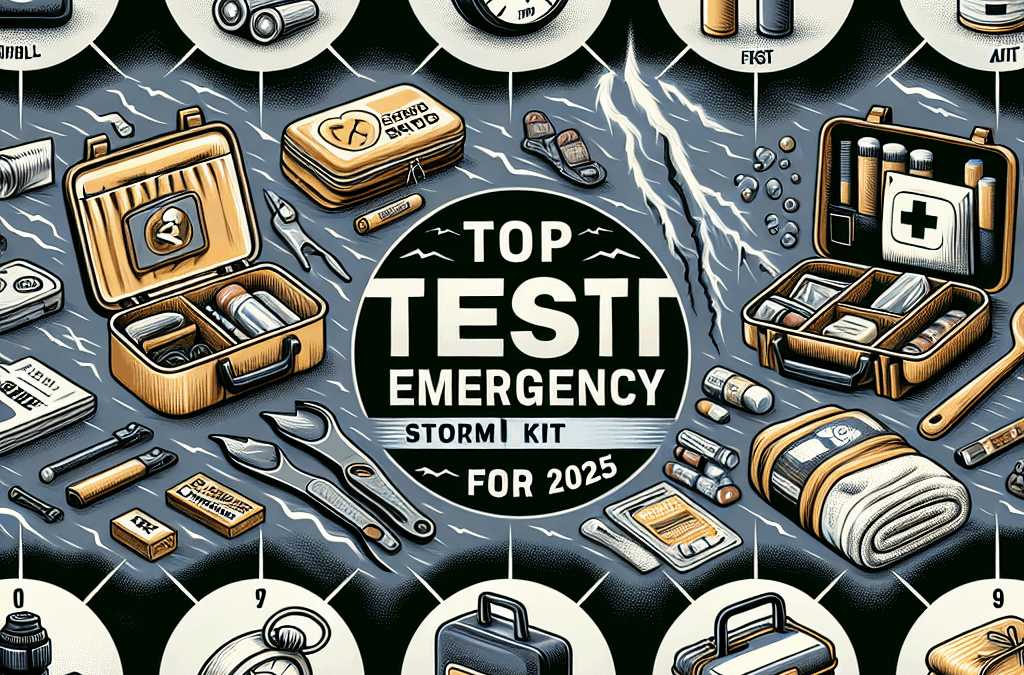
Understanding the specific types of natural disasters that could affect your area—such as hurricanes, earthquakes, or floods—can help you prioritize the items in your kit. For instance, if you live in a flood-prone area, waterproof containers for your supplies are essential. Additionally, consider the number of people in your household and any specific needs, such as medications or baby supplies, to ensure everyone is adequately prepared.
Many people underestimate the importance of regularly updating their kits. Items can expire, and your family’s needs may change over time. It’s recommended to review your kit at least once a year, checking expiration dates, ensuring batteries are charged, and replacing any items that have been used. This proactive approach can make a significant difference in an emergency.
Essential Items for Your Natural Disaster Kit
When assembling a natural disaster kit, focus on including a variety of essential items that cover food, water, shelter, and medical needs. Start with at least a three-day supply of non-perishable food items, such as canned goods or energy bars, and one gallon of water per person per day. Don’t forget to include a manual can opener if your food requires it.
Additionally, first aid supplies are critical. A well-stocked first aid kit should include bandages, antiseptic wipes, pain relievers, and any personal medications. Tools such as a multi-tool, flashlight, and batteries can also be invaluable in emergencies. Consider adding personal hygiene items like soap, toothbrushes, and sanitary supplies as well.
Prioritizing the right items can make all the difference in an emergency. Food and water are non-negotiable, but also think about comfort items like blankets or sleeping bags, especially if you may need to evacuate. Always tailor your kit to your household’s unique needs, incorporating items for pets or children if applicable.
How to Assemble Your Kit
Assembling your natural disaster kit is a systematic process that requires careful planning. Start with a durable, waterproof container, such as a plastic bin or backpack, to store your supplies. Organize items into categories: food and water, medical supplies, tools, and personal hygiene. This way, you can quickly locate what you need during a crisis.
Thank you for reading this post, don't forget to subscribe NOW for FREE!

Ensure that all food and water supplies are properly sealed and stored at appropriate temperatures. For the medical supplies, consider personal health needs and add a list of emergency contacts, including family members and your physician. This can save crucial time when seeking help.
When you’re ready to assemble your kit, involve all family members in the process. This not only educates everyone on the importance of preparedness but also ensures that each person knows where the kit is stored and how to access it. Regular practice drills can further enhance readiness.
Common Mistakes to Avoid
One common mistake people make is underestimating the amount of food and water needed. It’s essential to calculate the needs for each family member, including pets, for at least three days. Another frequent oversight is neglecting to update the kit regularly. Items can expire, and family needs may change, so it’s vital to check your kit at least once a year.
Additionally, many people forget about the importance of having important documents stored in their kits. Keep copies of identification, insurance policies, and medical records in a waterproof pouch. This can be invaluable in the aftermath of a disaster.
Another pitfall is relying solely on pre-made kits without personalizing them. While commercial kits are convenient, they might not meet your specific needs. Always assess and modify kits based on your unique situation, incorporating personal health needs and preferences.
Additional Resources for Preparedness
In addition to your natural disaster kit, staying informed about local emergency plans and resources is crucial. Familiarize yourself with community resources such as shelters and local emergency management offices. Websites like Ready.gov offer valuable checklists and guidance for preparing your kit and understanding your local risks.
Furthermore, consider joining local preparedness groups or online forums where you can exchange tips and strategies with others. Engaging with a community can provide additional insights and support as you prepare for potential disasters.
Lastly, remember that preparedness is an ongoing effort. Stay updated on new recommendations and best practices to keep your knowledge and supplies current.
Further Reading
Authoritative Sources
- Ready.gov: Build a Kit
ready.govThis site provides comprehensive information on what to include in your natural disaster kit and how to prepare effectively
- American Red Cross: Emergency Kit Supplies
redcross.orgOffers detailed guidance on assembling a disaster kit tailored to various emergencies
- FEMA: Preparing for Disasters
fema.govFederal Emergency Management Agency provides resources and information about disaster preparedness and response
Frequently Asked Questions
What should be included in a natural disaster kit?
Your kit should include non-perishable food, water, first aid supplies, tools, and personal hygiene items. Tailor it to meet the specific needs of your household.
How often should I check my natural disaster kit?
It’s advisable to review your kit at least once a year to ensure items are not expired and that it meets your current needs.
Can I use a regular backpack for my disaster kit?
Yes, a durable and waterproof backpack can work well for a disaster kit, making it easy to transport if you need to evacuate.
How much water should I include in my kit?
Include at least one gallon of water per person per day for at least three days, along with extra for pets.
What are common mistakes in disaster preparedness?
Common mistakes include underestimating food and water needs, neglecting to update the kit, and not personalizing pre-made kits to fit your specific situation.
Conclusion
Preparing a natural disaster kit is an essential step in ensuring your safety and survival during emergencies. By understanding the specific needs of your household, regularly updating your supplies, and avoiding common pitfalls, you can create a comprehensive kit that addresses potential risks. Prioritize essential items, stay informed about local resources, and engage with your community to enhance your preparedness efforts. Taking these proactive steps now can make a significant difference when facing a natural disaster.
Related Content
- Reconsidering Evacuation After the Primary Route Closes: A Safer Decision Sequence
- The Impact of Weather on Your Preparedness Strategy: Key Considerations for Effective Planning
- The Ultimate Guide to Evacuation Readiness Strategies for 2025
- The Basics of Fire Safety and Prevention in Emergency Preparedness
- Building a Community Support Network for Emergencies




