
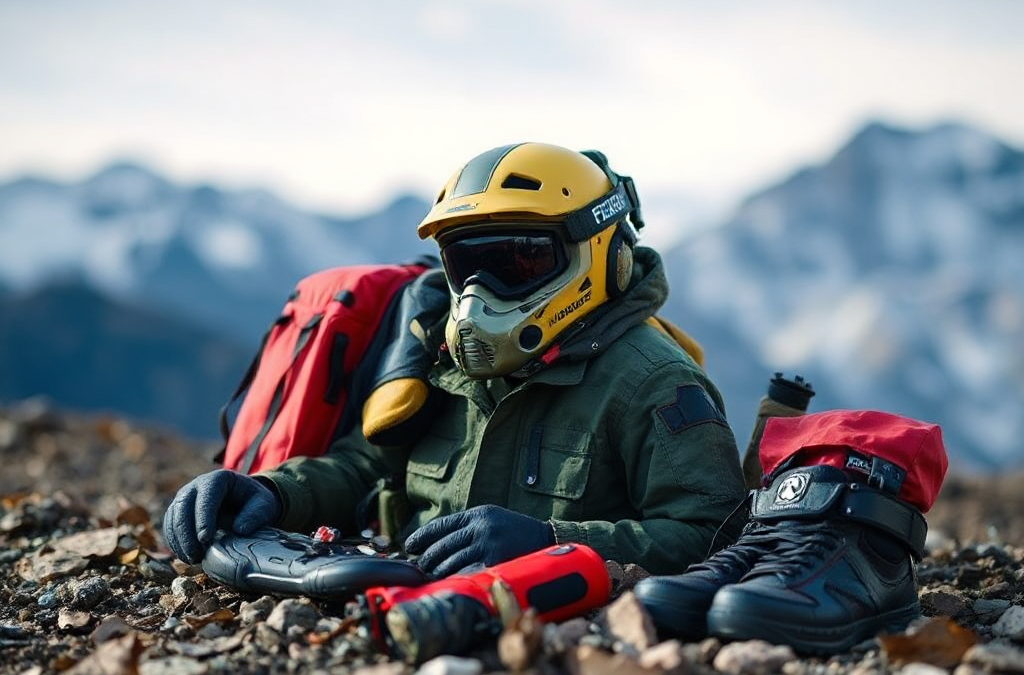
In real-world scenarios, ineffective gear can compromise your safety and success in emergency situations. For instance, if a flashlight consistently fails to illuminate, it may lead to dangerous circumstances in low-light environments. Additionally, equipment that does not align with your specific requirements can hinder your ability to respond effectively. Therefore, understanding these performance metrics and assessing your gear regularly is critical.
Key Indicators of Ineffective Gear
Identifying the signs that your gear is ineffective involves recognizing specific indicators that can affect performance. Look for issues such as frequent malfunctions, visible damage, or failure to operate as intended. If your gear consistently requires repairs or replacement parts, it’s a strong signal that it may not be suitable for your needs.
For example, if a backpack shows signs of fraying seams or broken zippers, it may not hold up under stress during critical situations. Additionally, if tools or equipment do not function correctly when needed, it’s important to assess their reliability. Prioritizing the replacement of failing gear is crucial for ensuring preparedness and safety.
Evaluating Gear Performance
Regular evaluation of gear performance is essential for ensuring its effectiveness. This can include routine checks for functionality, wear, and compatibility with your intended use cases. Establish a schedule for inspections to catch potential issues before they escalate.
For instance, a first aid kit should be checked periodically to ensure that supplies are not expired and that all necessary items are present. Similarly, testing electronic gear, such as flashlights or radios, can help confirm that they operate correctly when needed. A proactive approach to gear evaluation can prevent last-minute surprises during emergencies.
Common Mistakes to Avoid
When assessing your gear, it is easy to overlook critical aspects that contribute to its effectiveness. A common mistake is failing to consider the specific demands of your environment or activities. Gear that is well-suited for one scenario may not perform adequately in another.

For example, using a multi-tool that is not designed for heavy-duty tasks in a survival situation can lead to failure when it is needed most. Always match your gear to the requirements of your activities, and don’t hesitate to seek out alternatives when your current equipment does not meet your needs. Understanding the limitations of your gear is as important as knowing its strengths.
Further Reading
Authoritative Sources
- Library of Congress Research Guides
guides.loc.govResearch guides that help readers locate reliable background sources on a wide range of subjects
- USA.gov Official Information and Services
usa.govOfficial U.S. government information and public resources for practical reference
- Google Scholar
scholar.google.comAcademic search resource for finding research literature and source material
Frequently Asked Questions
What are the signs that my gear is not working properly?
Signs include frequent malfunctions, visible damage, and failure to meet operational requirements.
How often should I evaluate my gear?
It’s advisable to evaluate your gear at least once every few months or before any significant use.
What should I do if my gear is ineffective?
Replace or repair the gear promptly and consider investing in higher-quality alternatives that suit your needs.
Can I repair ineffective gear?
Many types of gear can be repaired, but assess whether the repair cost outweighs the benefits of replacement.
How does gear quality impact performance?
Higher-quality gear typically offers better durability and reliability, which is crucial during emergencies.
Conclusion
In conclusion, recognizing when your gear is ineffective is essential for maintaining safety and preparedness. Regular evaluations, awareness of key indicators, and understanding the specific demands of your activities are critical in ensuring your equipment functions as intended. Prioritize replacing or repairing ineffective gear promptly to avoid compromising your safety in emergencies.




