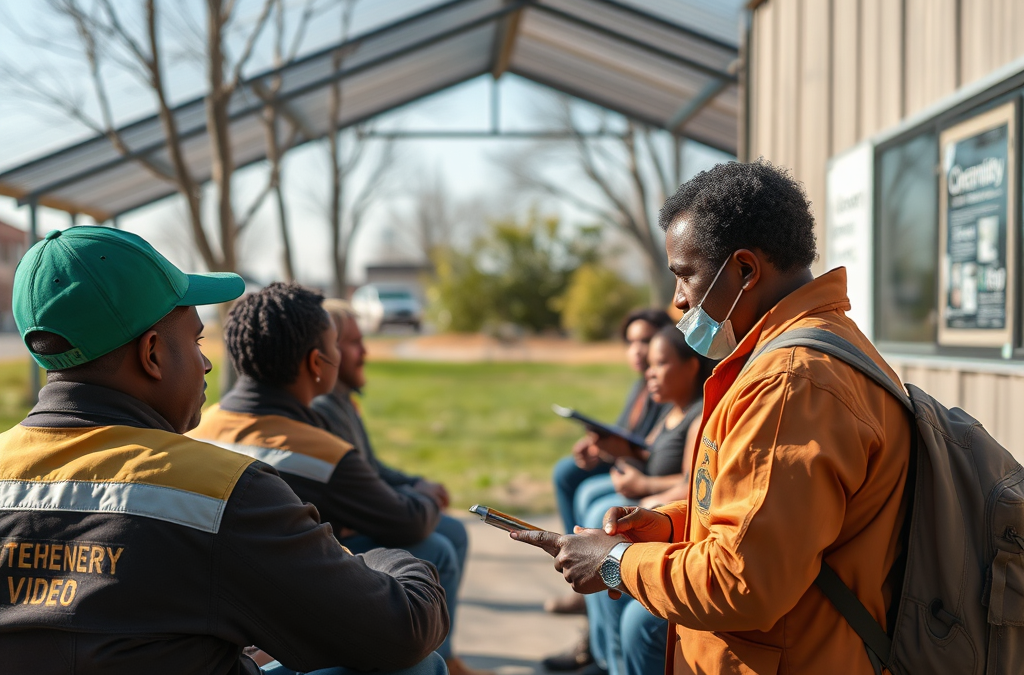
Balancing skill development with supply acquisition is crucial for effective preparedness. While having the right supplies is important, the ability to utilize them effectively can make the difference in critical situations. Skills such as first aid, navigation, or emergency response are not only beneficial but often essential. This balance ensures that individuals are not just equipped but are also capable of responding to emergencies efficiently.
Many people fall into the trap of over-investing in supplies, believing that having the latest gear will guarantee safety. However, without the necessary skills to use these tools effectively, their value diminishes. Therefore, it’s essential to recognize that both elements are interdependent and should be developed concurrently.
Identifying Essential Skills
To effectively balance skill development with supply acquisition, start by identifying the skills that are most relevant to your preparedness goals. For instance, if you’re preparing for natural disasters, consider skills like emergency first aid, basic survival techniques, and effective communication methods. Each skill contributes to your overall readiness and complements the supplies you acquire.
It’s also important to assess your current skill level and identify gaps. Many individuals may overestimate their abilities or rely on supplies as a substitute for essential training. Engaging in regular practice and realistic simulations can help reinforce these skills, ensuring that you are prepared to act when necessary.
Effective Supply Acquisition Strategies
When acquiring supplies, it’s vital to prioritize quality over quantity. Focus on obtaining essential items that align with the skills you’ve identified. For example, if you’ve developed first aid skills, ensure that you have a comprehensive first aid kit that includes necessary supplies. Additionally, consider the durability and usability of each item. Supplies should be reliable and easy to use under stress.
Budgeting for supplies is another crucial aspect. Allocate funds based on your preparedness priorities, ensuring that you are not compromising skill development for unnecessary items. Regularly review and update your inventory to avoid redundancy and ensure that your supplies remain relevant.
Integrating Skills and Supplies
The integration of skills and supplies is where true preparedness is achieved. Create a training schedule that allows for practice with your supplies, such as conducting mock drills or simulations that utilize your gear. This hands-on approach reinforces both skill proficiency and familiarity with your equipment.
Moreover, consider community involvement. Engaging with local preparedness groups can provide opportunities for shared training experiences, enhancing both skills and resource sharing. This collaborative approach fosters a stronger support network and helps individuals learn from each other’s experiences.
Frequently Asked Questions
Why is balancing skill development with supply acquisition important?
Balancing both ensures that you can effectively use your supplies during emergencies, enhancing overall preparedness.
What essential skills should I focus on developing?
Consider skills like first aid, navigation, and emergency response that are relevant to your preparedness goals.
How can I effectively budget for supplies?
Prioritize essential items, allocate funds based on preparedness goals, and regularly review your inventory to avoid unnecessary purchases.
What are common mistakes in preparedness?
Many individuals neglect skill training in favor of accumulating supplies, which can lead to ineffective preparedness.
How can community involvement enhance my preparedness?
Engaging with local groups provides opportunities for shared training and resource sharing, strengthening your preparedness network.
Academic search resource for finding research literature and source material
Conclusion
Successfully balancing skill development with supply acquisition is essential for effective preparedness. To achieve this balance, focus on identifying relevant skills, prioritize quality supplies, and integrate hands-on practice. By continuously assessing and refining both aspects, you ensure not only that you have the necessary tools but also the skills to use them effectively when it matters most.
Community training refers to organized efforts aimed at equipping individuals within a community with the knowledge and skills necessary to respond effectively during emergencies. This training encompasses various aspects, including first aid, disaster response, and crisis communication. Understanding the importance of community training is vital, as it creates a network of prepared individuals who can act quickly in the face of adversity.
Effective community training enhances local resilience by fostering a collective approach to preparedness. When community members are trained together, they develop trust and camaraderie, which are essential during emergencies. This collective understanding of local risks and resources allows for a more coordinated response, improving overall safety and security.
Benefits of Community Training
The benefits of community training for preparedness are multifaceted. First and foremost, it builds a network of informed individuals ready to assist each other. Training sessions can cover critical skills such as basic first aid, emergency evacuation procedures, and communication strategies, ensuring that everyone knows their role during a crisis.
Moreover, community training enhances the overall safety of neighborhoods. For instance, communities that regularly conduct drills for natural disasters are often better prepared than those that do not. These drills help individuals practice their responses, identify potential weaknesses in their plans, and refine their strategies. In addition, having a trained community can lead to faster response times during emergencies, as individuals are less likely to panic and more likely to take appropriate action.
Common Misconceptions
Despite the clear advantages of community training, several misconceptions persist. One common belief is that only emergency services should handle preparedness training. This notion underestimates the value of community involvement and the unique insights local residents can provide regarding their specific risks and resources. Another misconception is that training is unnecessary for small communities, which can be detrimental. Every community, regardless of size, faces potential emergencies that require coordinated responses.
Furthermore, some individuals may believe that training is only beneficial for specific groups, such as volunteers or first responders. In reality, every community member plays a role in preparedness, and training should be inclusive. By engaging all residents, communities can ensure a more comprehensive approach to emergency response.
Implementing Effective Training Programs
To implement effective community training programs, it is essential to assess local needs and resources. Communities should begin by identifying potential risks, such as natural disasters, health emergencies, or security threats. Once these risks are understood, training programs can be tailored to address specific needs.
Collaboration with local organizations, emergency services, and volunteers can enhance the effectiveness of training initiatives. By pooling resources and expertise, communities can develop comprehensive training sessions that cover a wide range of scenarios. Additionally, regular drills and exercises should be incorporated into training programs to reinforce skills and ensure participants remain engaged.
For those interested in learning more about community training and preparedness, consider exploring resources from local emergency management agencies, community organizations, or national preparedness initiatives. These resources can provide valuable insights into developing effective training programs.
Frequently Asked Questions
What is community training for preparedness?
Community training for preparedness involves organized efforts to equip individuals with skills necessary for effective emergency response, fostering collaboration and resilience.
Why is community training important?
It builds a network of prepared individuals, enhances local resilience, and improves response times during emergencies, ultimately ensuring community safety.
What are common misconceptions about community training?
Common misconceptions include the belief that only emergency services should handle preparedness training and that training is unnecessary for small communities.
How can communities implement effective training programs?
Communities should assess local risks, collaborate with organizations, and incorporate regular drills to create tailored and engaging training sessions.
Who should participate in community training?
All community members should participate in training programs to ensure a comprehensive approach to preparedness and effective emergency response.
National preparedness resources for planning, mitigation, and response readiness
Conclusion
Community training for preparedness is vital for building resilient networks and enhancing local response capabilities. By engaging all community members, fostering collaboration, and implementing tailored training programs, communities can significantly improve their readiness for emergencies. Prioritizing community involvement in training efforts not only enhances safety but also strengthens relationships among residents, ensuring a united front during crises. As communities prepare for potential challenges, investing in training programs will yield lasting benefits.
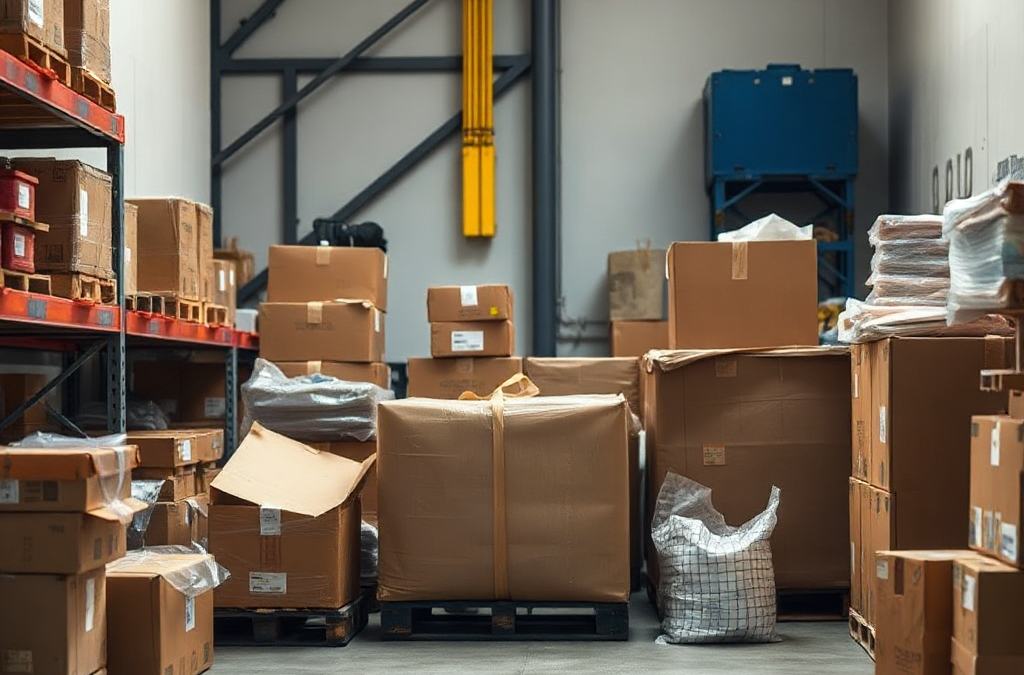
Before sourcing supplies, it’s crucial to have a clear understanding of your specific requirements. This involves identifying the type and quality of supplies needed for your projects or business operations. Understanding your needs helps in avoiding unnecessary expenses on items that do not meet your standards or serve your purpose.
Consider creating a detailed list of the supplies you require, including quantities and specifications. This will aid in comparing options and ensuring that you don’t overspend on items that are not essential. Additionally, knowing your budget constraints can guide your sourcing decisions effectively.
Finding Reliable Suppliers
Identifying reliable suppliers is key to sourcing quality supplies at a budget-friendly price. Start by researching local distributors or manufacturers known for their quality products. Networking with industry peers can also provide recommendations for trustworthy suppliers.
When evaluating suppliers, consider their reputation, product quality, and customer service. Request samples to assess the quality before making bulk purchases. Establishing a good relationship with suppliers can also lead to better pricing and terms in the long run.
Leveraging Bulk Purchases
Buying in bulk can significantly reduce costs and is a highly effective strategy for sourcing supplies on a budget. Many suppliers offer discounts for larger orders, which can help you save money over time. However, it’s important to balance bulk purchasing with your actual needs to avoid overstocking.
Additionally, consider forming a buying group with other businesses or individuals to pool resources for bulk purchases. This not only enhances your purchasing power but also opens up access to better deals that might not be available for smaller orders.
Utilizing Online Resources
Online platforms have revolutionized the way supplies are sourced. Websites like Alibaba, Amazon Business, and specialized industry platforms can provide a wide range of options at competitive prices. These platforms often allow for price comparisons and product reviews, helping you make informed decisions.
Be cautious when purchasing online; always check supplier ratings and reviews to ensure quality. Additionally, look for deals, discounts, or free shipping offers that can further reduce your costs. Utilizing online resources effectively can lead to significant savings while still obtaining quality supplies.
Frequently Asked Questions
What are the best ways to find suppliers for quality supplies?
Start by researching local manufacturers, attending industry trade shows, and leveraging business networks for recommendations.
Is buying in bulk always cost-effective?
Buying in bulk can save money, but it’s important to ensure you need the quantity to avoid waste and overstock.
How can I ensure the quality of supplies when sourcing on a budget?
Request samples, check supplier reviews, and compare products across different suppliers to ensure quality.
What common mistakes should I avoid when sourcing supplies?
Avoid sacrificing quality for lower prices, and ensure you understand your actual needs before making purchases.
Academic search resource for finding research literature and source material
Conclusion
Sourcing quality supplies on a budget requires strategic planning and a clear understanding of your needs. By identifying reliable suppliers, leveraging bulk purchasing, and utilizing online resources, you can effectively reduce costs while maintaining quality. Prioritize building relationships with suppliers and always be on the lookout for deals to maximize your budget. Focus on informed purchasing decisions to ensure that every dollar spent contributes to your overall success.