Before sourcing supplies, it’s crucial to have a clear understanding of your specific requirements. This involves identifying the type and quality of supplies needed for your projects or business operations. Understanding your needs helps in avoiding unnecessary expenses on items that do not meet your standards or serve your purpose.
Consider creating a detailed list of the supplies you require, including quantities and specifications. This will aid in comparing options and ensuring that you don’t overspend on items that are not essential. Additionally, knowing your budget constraints can guide your sourcing decisions effectively.
Finding Reliable Suppliers
Identifying reliable suppliers is key to sourcing quality supplies at a budget-friendly price. Start by researching local distributors or manufacturers known for their quality products. Networking with industry peers can also provide recommendations for trustworthy suppliers.
When evaluating suppliers, consider their reputation, product quality, and customer service. Request samples to assess the quality before making bulk purchases. Establishing a good relationship with suppliers can also lead to better pricing and terms in the long run.
Leveraging Bulk Purchases
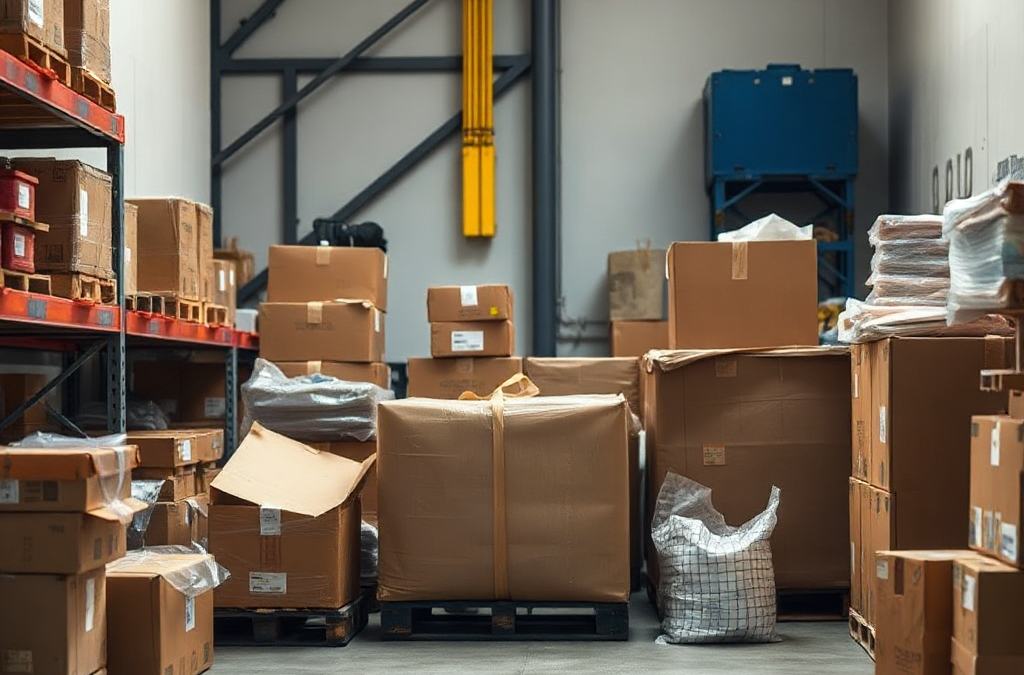
Buying in bulk can significantly reduce costs and is a highly effective strategy for sourcing supplies on a budget. Many suppliers offer discounts for larger orders, which can help you save money over time. However, it’s important to balance bulk purchasing with your actual needs to avoid overstocking.
Additionally, consider forming a buying group with other businesses or individuals to pool resources for bulk purchases. This not only enhances your purchasing power but also opens up access to better deals that might not be available for smaller orders.
Utilizing Online Resources
Online platforms have revolutionized the way supplies are sourced. Websites like Alibaba, Amazon Business, and specialized industry platforms can provide a wide range of options at competitive prices. These platforms often allow for price comparisons and product reviews, helping you make informed decisions.
Be cautious when purchasing online; always check supplier ratings and reviews to ensure quality. Additionally, look for deals, discounts, or free shipping offers that can further reduce your costs. Utilizing online resources effectively can lead to significant savings while still obtaining quality supplies.
Frequently Asked Questions
What are the best ways to find suppliers for quality supplies?
Start by researching local manufacturers, attending industry trade shows, and leveraging business networks for recommendations.
Is buying in bulk always cost-effective?
Buying in bulk can save money, but it’s important to ensure you need the quantity to avoid waste and overstock.
How can I ensure the quality of supplies when sourcing on a budget?
Request samples, check supplier reviews, and compare products across different suppliers to ensure quality.
What common mistakes should I avoid when sourcing supplies?
Avoid sacrificing quality for lower prices, and ensure you understand your actual needs before making purchases.
Academic search resource for finding research literature and source material
Conclusion
Sourcing quality supplies on a budget requires strategic planning and a clear understanding of your needs. By identifying reliable suppliers, leveraging bulk purchasing, and utilizing online resources, you can effectively reduce costs while maintaining quality. Prioritize building relationships with suppliers and always be on the lookout for deals to maximize your budget. Focus on informed purchasing decisions to ensure that every dollar spent contributes to your overall success.
Personal security risks during disasters can escalate quickly due to the breakdown of societal norms and the potential for increased crime. In emergencies, individuals may find themselves in chaotic situations where the usual safety protocols are compromised. For instance, natural disasters like hurricanes or earthquakes can lead to looting, as some may take advantage of the vulnerable state of others. Understanding these risks is crucial for effective disaster preparedness.
During such events, the lack of communication and the stress of the situation can lead to poor decision-making. People often underestimate the likelihood of crime or fail to recognize the potential for personal harm. By acknowledging these risks, individuals can take proactive steps to protect themselves and their loved ones.
The Importance of Preparedness
Preparedness is not just about having supplies; it also involves planning for personal security. Having a clear emergency plan that includes security measures can significantly reduce risks. This plan should outline how to secure your home, what to do in the event of an evacuation, and how to communicate with family members during a crisis.
For example, consider creating a family emergency plan that includes designated meeting points, communication methods, and specific actions to take if separated. It’s essential to practice these plans regularly so that everyone knows what to do when disaster strikes. Preparedness can transform a chaotic situation into a manageable one, minimizing risks associated with personal security.
Common Mistakes in Disaster Scenarios
One of the most significant mistakes individuals make during disasters is failing to prioritize personal security. Many tend to focus solely on physical safety or securing supplies, overlooking the potential for theft or personal harm. For instance, during an evacuation, leaving doors unlocked or windows open can invite opportunistic thieves.
Another common error is underestimating the need for situational awareness. In the frenzy of a disaster, it’s easy to become complacent, thinking that others are equally concerned about safety. However, not everyone has the same intentions. Maintaining vigilance and being aware of your surroundings can help in identifying threats early on.
Practical Security Measures
Implementing practical security measures can vastly improve personal safety during disasters. Start by securing your home with reinforced locks and security systems, if possible. Additionally, consider creating a ‘go-bag’ that includes essential items such as identification, cash, and emergency contacts.
Furthermore, educate yourself and your family about self-defense techniques and emergency response protocols. This knowledge can empower you to act decisively in threatening situations. Lastly, stay informed through reliable news sources and community alerts to remain aware of any emerging threats during a disaster.
Frequently Asked Questions
What should I include in my emergency preparedness plan?
Your emergency preparedness plan should include contact information, designated meeting points, and procedures for securing your home and valuables.
How can I enhance my home security before a disaster?
Enhance home security by installing quality locks, using security cameras, and ensuring all entry points are secure before a disaster strikes.
What are common security risks during disasters?
Common security risks include theft, vandalism, and personal attacks, especially in areas with significant disruption or chaos.
How can I stay informed during a disaster?
Stay informed by following reliable news sources, signing up for community alerts, and using emergency apps that provide real-time updates.
What are some self-defense strategies during a disaster?
Self-defense strategies can include being aware of your surroundings, avoiding confrontation, and knowing basic self-defense techniques to protect yourself if necessary.
Academic search resource for finding research literature and source material
Conclusion
Neglecting personal security during disasters can lead to serious consequences, including theft and personal harm. To mitigate these risks, it is essential to prioritize preparedness by developing a comprehensive emergency plan, enhancing home security, and remaining vigilant. By taking proactive steps, individuals can significantly improve their safety and that of their loved ones during chaotic situations. Stay informed, plan ahead, and ensure that personal security is a key component of your disaster preparedness efforts.
Defining specific, measurable goals is vital for maintaining momentum in your prepping journey. Without clear objectives, it’s easy to lose focus and direction. Start by assessing what you want to achieve, whether it’s acquiring specific supplies, learning new skills, or developing a comprehensive emergency plan. Goals should be realistic and time-bound, allowing you to track your progress effectively.
For instance, instead of a vague goal like “become better prepared,” set a target such as “complete a first aid course by the end of the month.” This approach not only provides clarity but also instills a sense of accomplishment when milestones are reached. Regularly revisit and adjust your goals based on changing circumstances or insights gained during your prepping activities, ensuring they remain relevant and motivating.
Diversifying Skills and Knowledge
To keep your prepping journey engaging, it’s essential to diversify your skills and knowledge. Focusing on a variety of areas—such as food preservation, self-defense, and emergency communication—prevents stagnation and enhances your overall preparedness. Engaging in different aspects of prepping can spark new interests and keep your momentum alive.
For example, if you’ve been concentrating on stockpiling food, consider branching out to learn about gardening or foraging. This not only adds depth to your skill set but also provides practical benefits in terms of sustainability and resourcefulness. Remember, the goal is to create a well-rounded preparedness plan that equips you to handle diverse situations.
Creating a Routine for Consistency
Establishing a regular routine can significantly enhance your ability to maintain momentum. Dedicate specific times each week to focus on different aspects of your preparedness, such as training, research, or inventory management. Consistency builds habits, making it easier to integrate prepping into your daily life.
For example, you could allocate every Saturday morning for skill practice, such as fire-starting techniques or first aid drills. This not only keeps your skills sharp but also helps you to stay engaged with your goals. Be sure to track your progress and celebrate small victories to reinforce your commitment to the prepping lifestyle.
Building a Supportive Community
Connecting with others who share your prepping interests can provide invaluable motivation and support. A community can offer fresh ideas, practical advice, and encouragement, making it easier to stay committed to your goals. Seek out local groups, online forums, or social media communities focused on preparedness.
Participating in group activities, such as workshops or meet-ups, can enhance your learning experience and strengthen your commitment. Being part of a community also helps in holding you accountable, as you’ll likely want to share your progress and achievements with others. Remember, prepping can feel overwhelming at times, but having a support network can make the journey more enjoyable and sustainable.
For readers looking to deepen their understanding of preparedness, consider exploring resources from reputable organizations, such as government emergency management agencies or survival-focused publications. These materials can provide valuable insights and practical guidance on various aspects of preparing for emergencies.
Frequently Asked Questions
What is the best way to start prepping?
Begin by assessing your needs and setting clear, achievable goals. Focus on essential supplies and skills relevant to your situation.
How often should I review my prepping plans?
Regularly review your plans at least once every few months or after any significant life changes to ensure they remain relevant.
What skills should I prioritize in prepping?
Focus on practical skills like first aid, food preservation, self-defense, and emergency communication to enhance your preparedness.
How can I stay motivated in my prepping journey?
Set specific goals, celebrate achievements, and engage with a supportive community to maintain motivation and accountability.
Academic search resource for finding research literature and source material
Conclusion
Maintaining prepping momentum requires a clear focus on goals, a commitment to learning diverse skills, and the establishment of a consistent routine. By building a supportive community and regularly assessing your readiness, you can ensure that your preparedness efforts remain engaging and effective. Prioritize your actions based on your unique needs and circumstances, and stay proactive in your preparations to navigate any challenges that may arise.