Identifying less common disasters is the first step in effective preparedness. These can include events like tsunamis in non-coastal areas, industrial accidents, or localized pandemics. Many people do not consider these scenarios because they are less frequent, leading to a significant gap in preparedness. Understanding the specific characteristics of these threats can help individuals and communities prioritize their resources effectively.
For instance, a small town near a chemical plant might face risks from an industrial accident, even if the community has never experienced one before. Awareness of the potential dangers allows for the creation of targeted response plans and the necessary resource allocation. Failure to recognize these risks can result in inadequate preparation, which can exacerbate the consequences when such events occur.
Resource Allocation and Planning
Allocating resources for less common disasters often requires a different approach than preparing for more familiar threats. Standard emergency kits may not suffice; specialized equipment and supplies might be needed. For example, if preparing for a volcanic eruption in an area not typically associated with such events, individuals might need to stock up on masks to protect against ash inhalation and find evacuation routes that are less known.
Moreover, planning should involve contingency strategies for resource shortages. Communities must consider partnerships with local businesses and organizations to establish a network for resource sharing during emergencies. This proactive approach can mitigate the impact of resource scarcity when an uncommon disaster strikes.
Community Engagement and Support
Community involvement is crucial in effectively preparing for less common disasters. Engaging local residents in preparedness initiatives can foster a culture of awareness and resilience. Workshops, training sessions, and simulations can help highlight the unique risks associated with these disasters and teach valuable skills for response and recovery.
Local governments can facilitate this engagement by providing information on potential disasters and resources available for preparation. Building relationships with emergency services can also enhance community response capabilities. For example, a community that regularly conducts disaster drills is more likely to respond effectively when faced with an actual event, regardless of its commonality.
Training and Skill Development
Training for less common disasters should be tailored to the specific risks identified in the community. This includes not only physical preparedness but also mental resilience. Individuals should be equipped with skills that may not be necessary for more common emergencies, such as understanding evacuation protocols for unique scenarios like radiation leaks or biological threats.
Incorporating training into community events can enhance participation and effectiveness. Practical drills that simulate less common disaster scenarios will help participants understand their roles and responsibilities during an actual event. One common mistake is underestimating the importance of this hands-on experience, which can lead to confusion and chaos in real situations.
For readers interested in learning more about the challenges of prepping for less common disasters, consider exploring resources from local emergency management agencies or relevant government publications that provide insights on specific regional risks and preparedness strategies.
Frequently Asked Questions
What are examples of less common disasters?
Examples include tsunamis in non-coastal areas, industrial accidents, and localized pandemics.
How can I prepare for a less common disaster?
Identify specific risks in your area, allocate specialized resources, and engage in community preparedness initiatives.
Why is community engagement important in disaster prep?
Community engagement fosters awareness, builds resilience, and enhances collective response capabilities during disasters.
What types of training should I consider?
Training should focus on unique risks, practical drills, and skills for specific scenarios, enhancing readiness and response.
What common mistakes do people make in disaster prep?
Underestimating risks, failing to recognize unique scenarios, and not engaging with community resources are common pitfalls.
Academic search resource for finding research literature and source material
Conclusion
Preparing for less common disasters requires a proactive approach that includes recognizing unique risks, allocating specialized resources, and fostering community engagement. By prioritizing training and planning, individuals and communities can enhance their resilience and response capabilities. Focusing on these aspects will not only prepare you for unexpected events but also contribute to a more aware and connected community.
Understanding Common Fears in Emergency Preparedness
Fear often stems from uncertainty and a lack of knowledge regarding potential emergencies. Common fears include the fear of not being prepared, fear of physical harm, and fear of inadequate resources. Recognizing these fears is the first step toward addressing them effectively. Understanding the psychological impact of these fears can help individuals take proactive steps to mitigate anxiety and build confidence.
Many people feel overwhelmed by the vast array of potential emergencies, from natural disasters to man-made crises. These fears can paralyze decision-making and lead to avoidance behavior. By identifying specific fears, such as fear of losing loved ones or fear of financial instability during a crisis, individuals can focus their preparedness efforts on what truly matters. This targeted approach not only reduces anxiety but also encourages actionable steps.
Developing a Comprehensive Emergency Plan
A well-structured emergency plan is crucial in alleviating fears related to preparedness. The first step is to assess potential risks based on geographic location and personal circumstances. Understanding local hazards, such as floods, earthquakes, or wildfires, allows individuals to tailor their plans accordingly.
The plan should include specific details such as evacuation routes, communication strategies, and emergency contacts. Creating a checklist of essential supplies—like food, water, first aid kits, and medications—can also enhance preparedness. Regularly reviewing and updating the plan is essential to ensure its effectiveness, as circumstances and risks may change over time. Engaging family members in this process fosters collaboration and ensures everyone understands their roles during an emergency.
Engaging in Practice and Drills
Practicing emergency scenarios through drills can significantly reduce anxiety and build confidence. Regular drills help individuals familiarize themselves with the emergency plan and reinforce the importance of preparedness. Simulation exercises, whether at home or in community settings, provide valuable experience in responding to emergencies.
It’s important to create realistic scenarios that reflect potential emergencies. For instance, conducting a fire drill or a mock evacuation can help individuals understand the practical steps they need to take. These drills should be evaluated to identify areas for improvement and ensure that everyone can execute the plan effectively. By making practice a routine part of life, individuals can transform fear into preparedness.
Building a Support Network
A strong support network plays a vital role in alleviating fears associated with emergency preparedness. Connecting with neighbors, community groups, and local organizations enhances resources and fosters a sense of belonging. This network can serve as a source of information, emotional support, and practical assistance during a crisis.
Participating in community preparedness programs or workshops can provide valuable insights and skills. These gatherings often encourage sharing experiences and strategies, which can help individuals feel less isolated in their fears. Furthermore, knowing that others are also prepared can be reassuring and motivating. Establishing communication channels within the network ensures that everyone stays informed and can assist each other effectively in emergencies.
Frequently Asked Questions
What are the most common fears related to emergency preparedness?
Common fears include the fear of not being prepared, fear of physical harm, and fear of inadequate resources during an emergency.
How can I create an effective emergency plan?
Assess potential risks, outline evacuation routes, establish communication strategies, and create a checklist of essential supplies to tailor your emergency plan accordingly.
Why are practice drills important?
Practice drills familiarize individuals with emergency procedures, reduce anxiety, and reinforce the importance of preparedness, ensuring effective execution during actual emergencies.
How can I build a support network for emergency preparedness?
Connect with neighbors, community groups, and local organizations to enhance resources, share experiences, and foster a sense of belonging in your preparedness efforts.
National preparedness resources for planning, mitigation, and response readiness
Conclusion
Addressing common fears in emergency preparedness requires a proactive approach that includes understanding the sources of anxiety, developing a comprehensive plan, engaging in regular practice, and building a supportive network. By taking these practical steps, individuals can transform their fears into actionable strategies, enhancing their confidence and resilience in the face of emergencies. Prioritizing preparedness not only safeguards personal safety but also fosters community strength and solidarity.
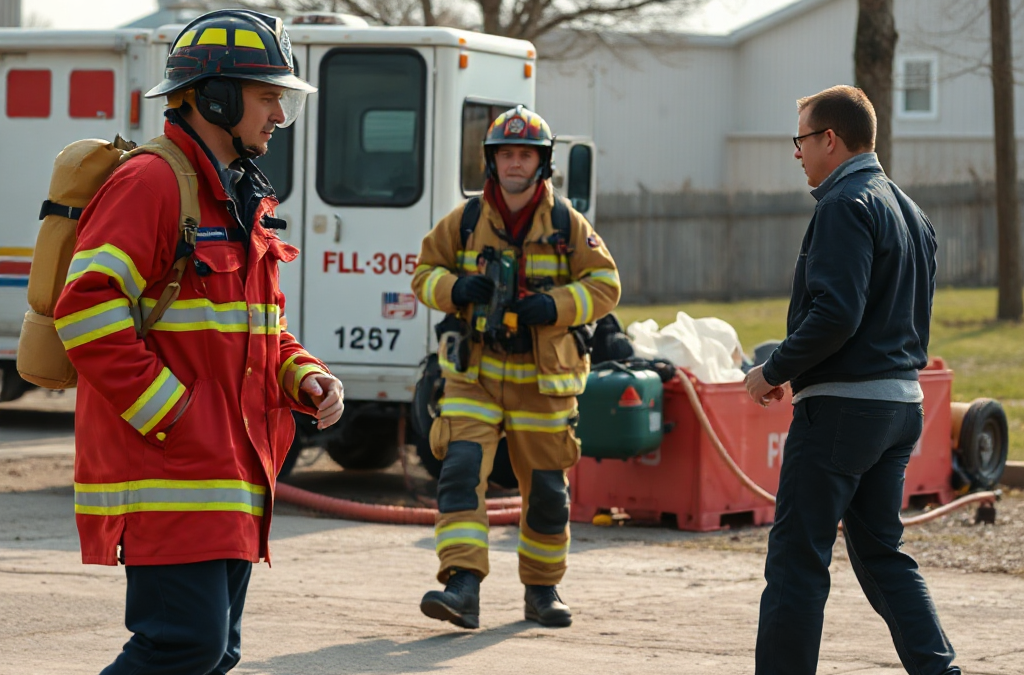
Training plays a vital role in emergency response by preparing individuals to handle crises effectively. This preparation is essential because emergencies often arise unexpectedly, requiring quick and informed decision-making. Trained personnel are better equipped to assess situations, manage resources, and communicate effectively, which is crucial in high-pressure environments. Furthermore, training helps to build confidence among responders, reducing anxiety during real incidents.
In emergencies, the stakes are high, and the consequences of unpreparedness can be severe. For instance, during natural disasters, trained responders can coordinate evacuation efforts, provide first aid, and establish communication channels with authorities. The absence of such training can lead to chaos, miscommunication, and ultimately, loss of life. Therefore, investing in comprehensive training programs is not only beneficial but necessary for effective emergency response.
Types of Emergency Response Training
There are several types of training programs designed for emergency responders, each tailored to specific scenarios and roles. Basic first aid training is foundational, providing essential skills for immediate medical assistance. Specialized training, such as tactical emergency medical support (TEMS), focuses on providing care in dangerous situations, combining medical training with tactical skills.
Another critical type is incident command system (ICS) training, which prepares responders to manage resources and personnel during emergencies. This training emphasizes the importance of clear communication and structured command, ensuring that all team members understand their roles. Simulation exercises, which replicate real-world scenarios, are also invaluable. They allow responders to practice their skills in a controlled environment, fostering teamwork and improving response times.
Challenges in Effective Training
Despite recognizing the importance of training, several challenges can hinder its effectiveness. One major issue is the lack of resources, including funding, personnel, and training facilities. Smaller organizations or volunteer groups may struggle to provide comprehensive training programs due to budget constraints.
Another challenge is keeping training relevant and up-to-date. As emergency response protocols and technologies evolve, continuous training is essential to ensure personnel are equipped with the latest knowledge and skills. Additionally, the varying levels of experience among responders can complicate training efforts; advanced personnel may require different training than beginners, necessitating a tailored approach.
Real-World Applications of Training
Training in emergency response is not just theoretical; its real-world applications can be seen in various scenarios. For example, during the COVID-19 pandemic, healthcare professionals relied on their training to manage patient care effectively, implement safety protocols, and communicate risks to the public. Their preparedness was crucial in mitigating the spread of the virus and ensuring patient safety.
Similarly, in natural disasters such as hurricanes or wildfires, trained responders can coordinate evacuation efforts, set up shelters, and provide immediate medical assistance. Their ability to act decisively and efficiently can save lives and minimize property damage. These real-world examples highlight the critical need for ongoing training to adapt to evolving challenges and ensure communities are prepared for emergencies.
Frequently Asked Questions
What is the main goal of emergency response training?
The main goal of emergency response training is to equip individuals with the necessary skills and knowledge to effectively manage crises and ensure safety during emergencies.
How often should emergency response training be conducted?
Emergency response training should be conducted regularly, ideally at least once a year, to ensure skills remain sharp and up-to-date with current protocols.
What are some common types of emergency response training?
Common types include first aid training, incident command system (ICS) training, and tactical emergency medical support (TEMS) training.
What challenges do organizations face in emergency training?
Organizations often face challenges such as limited resources, varying levels of experience among responders, and the need for continuous updates to training programs.
Why is realistic simulation important in training?
Realistic simulations are crucial as they provide responders with hands-on experience, enabling them to practice skills in a controlled environment and improve their response times in real emergencies.
FEMA provides training courses for emergency management professionals and volunteers to improve response capabilities
Conclusion
Effective emergency response training is essential for ensuring that responders are prepared to face crises confidently and competently. By prioritizing realistic training scenarios, continuous education, and resource allocation, organizations can enhance their readiness and improve outcomes during emergencies. Communities benefit greatly from well-trained responders who can act decisively to save lives and manage resources effectively. Investing in training is not just a matter of compliance; it is a commitment to safety and resilience.