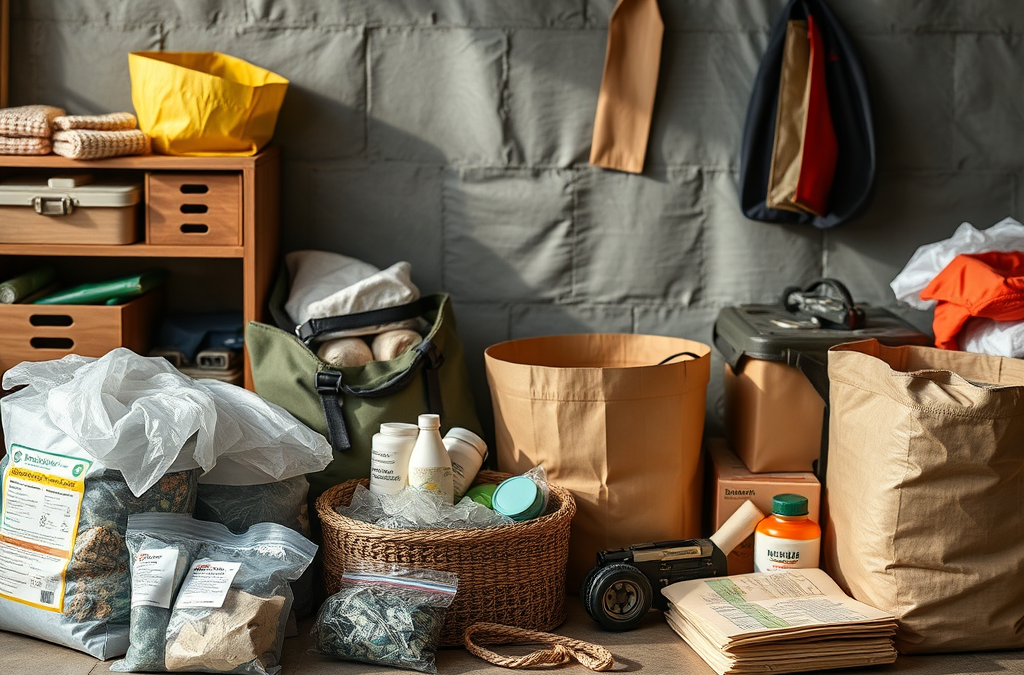
Burnout in prepping refers to the physical, emotional, and mental exhaustion that can occur when individuals become overwhelmed by their preparedness efforts. This phenomenon is particularly relevant for those committed to extensive planning and resource management for potential emergencies. As the demands of prepping escalate, it becomes increasingly important to recognize how burnout can undermine these efforts, leading to ineffective strategies and heightened anxiety.
Understanding burnout is essential as it can affect decision-making capabilities. When burnout sets in, individuals may struggle to prioritize tasks, leading to a cycle of stress and diminished productivity. Recognizing the early signs of burnout allows preppers to take proactive measures to maintain their focus and effectiveness in their preparedness endeavors.
Common Symptoms of Burnout
Identifying the symptoms of burnout is crucial for anyone engaged in prepping activities. Common signs include chronic fatigue, irritability, lack of enthusiasm, and feelings of being overwhelmed. Preppers may notice a decline in their motivation to acquire supplies or conduct drills, which can directly impact their preparedness levels.
Physical symptoms may manifest as insomnia, headaches, or gastrointestinal issues, which can further exacerbate feelings of anxiety and stress. Recognizing these symptoms early on can help individuals take necessary steps to address their mental and emotional health. Regular self-checks can be an effective way to gauge one’s well-being and identify any signs of burnout before they escalate.
Identifying the Causes of Burnout
Burnout often stems from a combination of factors, including unrealistic expectations, excessive workload, and lack of support. In the context of prepping, individuals may set overly ambitious goals or feel pressure to acquire extensive supplies and knowledge, leading to feelings of inadequacy and stress.
Moreover, the isolation that can accompany prepping can contribute to burnout. Many preppers operate independently, which may lead to feelings of loneliness and disconnection. Understanding these underlying causes is essential for developing effective strategies to combat burnout and create a more balanced approach to preparedness.
Strategies to Combat Burnout
To effectively combat burnout in prepping efforts, individuals should adopt several strategies that promote balance and well-being. Setting realistic goals is crucial; breaking down larger tasks into smaller, manageable steps can help reduce feelings of overwhelm. Incorporating regular breaks into the prepping routine allows for necessary downtime, helping to recharge both physically and mentally.
Additionally, seeking support from fellow preppers or engaging in community discussions can alleviate feelings of isolation. Sharing experiences and challenges can foster a sense of connection and provide valuable insights. Lastly, practicing mindfulness and stress-reduction techniques, such as meditation or exercise, can significantly improve mental resilience and overall preparedness effectiveness.
Frequently Asked Questions
What are the main signs of burnout in prepping?
The main signs include chronic fatigue, irritability, decreased motivation, and feelings of being overwhelmed.
How can I prevent burnout while prepping?
Prevent burnout by setting realistic goals, taking regular breaks, and seeking support from others.
Is burnout common among preppers?
Yes, burnout can be common among preppers due to the high demands and pressures associated with extensive preparedness efforts.
How does isolation contribute to burnout in prepping?
Isolation can lead to feelings of loneliness and disconnection, increasing stress and contributing to burnout.
What are effective self-care strategies to combat burnout?
Effective self-care strategies include practicing mindfulness, engaging in physical activity, and maintaining social connections.
Academic search resource for finding research literature and source material
Conclusion
Recognizing and addressing burnout in prepping efforts is essential for maintaining effective preparedness. By understanding the symptoms and causes of burnout, individuals can implement strategies to support their mental and emotional well-being. Prioritizing realistic goals, taking breaks, and fostering community connections can mitigate the effects of burnout. Ultimately, a balanced approach to prepping can enhance both resilience and readiness for any situation.
Understanding local wildlife behavior is crucial for effective prepping. Each species exhibits unique patterns of behavior, especially in times of stress or food scarcity. For instance, bears may become more aggressive when they are foraging for food in human-populated areas, while deer might venture closer to homes during winter months when food is scarce. Preppers must educate themselves on these behaviors to avoid dangerous encounters.
Moreover, recognizing wildlife habits helps in designing effective food storage solutions and safety protocols. For example, knowing that raccoons are notorious for raiding garbage can lead to better waste management practices that deter these animals. Failure to account for local wildlife behavior can result in unexpected and potentially hazardous situations for individuals and families during emergencies.
Potential Hazards from Wildlife
Ignoring local wildlife can expose preppers to significant hazards. Wildlife can pose direct threats, such as attacks from predatory animals like mountain lions or bears. Additionally, animals can carry diseases, such as rabies or hantavirus, which pose health risks to humans. These threats are not just theoretical; many incidents occur annually where wildlife interactions lead to injury or illness.
Moreover, wildlife can also disrupt emergency plans. For example, if animals invade a prepping site, they can destroy supplies, damage shelters, or contaminate food sources. Understanding these risks enables preppers to develop strategies to minimize encounters and protect themselves and their resources. This knowledge should inform decisions on where to set up shelters and how to manage food supplies effectively.
Resource Competition and Food Security
Resource competition with wildlife can jeopardize food security during emergencies. Many animals are opportunistic feeders and may consume food supplies intended for humans, leading to shortages. For example, if a prepper stores grains or canned goods without adequate protection, they may find these supplies raided by squirrels or birds.
To mitigate this risk, preppers should consider hardening their food storage against wildlife. This includes using airtight containers, elevated storage systems, or wildlife-proof sheds. Additionally, understanding seasonal patterns can help in planning food supplies. For instance, if certain wildlife is more active during specific seasons, preppers can adjust their storage methods accordingly to prevent losses.
Safety Precautions and Mitigation Strategies
Implementing safety precautions and mitigation strategies is essential for successful prepping in wildlife-rich areas. Establishing a perimeter around the prepping site can deter wildlife from approaching. This can be achieved through fencing, motion-activated lights, or noise deterrents. Additionally, keeping food supplies sealed and stored away from living areas is critical to avoid attracting animals.
Moreover, preppers should educate themselves on local wildlife encounters and emergency response. Knowing how to react in case of an animal sighting, such as remaining calm and backing away slowly, can prevent adverse outcomes. Carrying bear spray or other deterrents can also enhance safety when venturing outdoors. By taking these precautions, preppers can significantly reduce the risks associated with local wildlife.
Frequently Asked Questions
What types of wildlife should I be concerned about when prepping?
Common wildlife concerns include bears, coyotes, deer, raccoons, and various birds, depending on your location. Each poses different risks, such as food theft or direct attacks.
How can I secure my food supplies from wildlife?
Use bear-proof containers, elevate food storage, and keep supplies sealed and away from living areas to prevent wildlife access.
What should I do if I encounter wildlife while prepping?
Stay calm, back away slowly, and avoid direct eye contact. Make noise to alert the animal of your presence and give it space to leave.
Are there any deterrents I can use against wildlife?
Motion-activated lights, noise deterrents, and bear spray can help keep wildlife at bay and protect your prepping site.
How does wildlife behavior change during emergencies?
Wildlife may become more aggressive or opportunistic in search of food during emergencies, increasing the risk of encounters with humans.
Provides information on managing wildlife conflicts and protecting resources from wildlife damage
Conclusion
Understanding the risks of not considering local wildlife in prepping is essential for ensuring safety and resource security. By educating oneself on local wildlife behavior, implementing effective deterrents, and securing food supplies, preppers can significantly reduce risks associated with wildlife encounters. Prioritizing these factors will not only enhance personal safety but also improve overall preparedness in emergency situations.
Understanding how to adapt your supplies for different family needs starts with a thorough assessment of each family member’s requirements. Age, health conditions, dietary preferences, and personal preferences all play a crucial role in determining what supplies are necessary. For example, children may require more snacks and easy-to-eat options, while elderly family members may need specialized dietary items or medical supplies.
To effectively assess these needs, consider conducting a family meeting where everyone can express their preferences and needs. This can help in identifying specific items that may not be immediately obvious. A checklist can be beneficial to ensure no needs are overlooked. Additionally, keep in mind any seasonal changes that may affect supply needs, such as allergies or illnesses that are more prevalent at certain times of the year.
Customizing Food Supplies
When adapting food supplies, it’s essential to cater to the dietary restrictions and preferences of each family member. This can include allergies, intolerances, and personal preferences such as vegetarian or vegan diets. For instance, if a family member is gluten intolerant, ensure that gluten-free options are available. Having a variety of snacks and meals that appeal to all ages can make a significant difference during emergencies.
Moreover, consider the packaging and storage of food supplies. For younger children, easy-to-open packages can be a lifesaver, while adults may prefer bulk options that are cost-effective. Regularly rotate food supplies to ensure freshness and keep track of expiration dates. This proactive approach prevents waste and ensures that your family has access to nutritious options when needed.
Medical Supplies Considerations
Medical supplies are another critical area where family needs can vary significantly. Each family member may have different health conditions that require specific medications or first aid supplies. For example, if one member has asthma, ensure that inhalers are readily accessible and that others are aware of how to use them. Similarly, if anyone has chronic conditions, keep their medications organized and easily accessible.
Additionally, consider including a variety of first aid items that cater to different ages and needs. Children may require smaller bandages, while adults might need more comprehensive supplies. Regularly review and replenish your medical supplies to ensure everything is up-to-date and functional. This attention to detail can make a significant difference in emergency situations.
Emergency Gear for All Ages
Emergency gear should be versatile enough to accommodate the needs of all family members. This includes items such as flashlights, blankets, and communication devices. When choosing gear, consider the physical capabilities of each family member. For instance, heavy gear may not be suitable for children or elderly family members.
Creating a family emergency kit that includes items for all ages can enhance preparedness. Include child-friendly items like games or toys to keep younger children occupied during stressful situations. For older family members, ensure comfort items such as medications and reading glasses are included. Regularly review and practice using emergency gear with the family to ensure everyone knows how to utilize it effectively in a crisis.
For those looking to expand their knowledge on adapting supplies for family needs, consider checking resources from local emergency management agencies or health organizations. They often provide guidelines and checklists tailored to various family situations.
Frequently Asked Questions
What are the key factors to consider when adapting supplies for family needs?
Key factors include age, dietary restrictions, medical conditions, and personal preferences. Understanding these factors helps tailor supplies effectively.
How often should I reassess my family's supply needs?
It's advisable to reassess your family's supply needs at least twice a year or during significant life changes, such as new family members or health changes.
What types of food should be included in a family emergency kit?
Include non-perishable items, snacks, and foods that cater to dietary restrictions. Aim for a variety of easy-to-eat options suitable for all ages.
How can I ensure my family is prepared for medical emergencies?
Keep a well-stocked first aid kit and ensure all family members know how to use the supplies. Regularly update medications and supplies as needed.
What should I include in an emergency gear kit for children?
Include items like toys, snacks, and comfort items. Ensure that gear is lightweight and easy for children to handle.
Academic search resource for finding research literature and source material
Conclusion
Adapting supplies for different family needs is essential for effective emergency preparedness. By assessing individual requirements, customizing food and medical supplies, and ensuring that emergency gear is suitable for all ages, families can enhance their readiness for any situation. Regularly reviewing these supplies and involving the whole family in the process can lead to a more organized and efficient approach to preparedness.