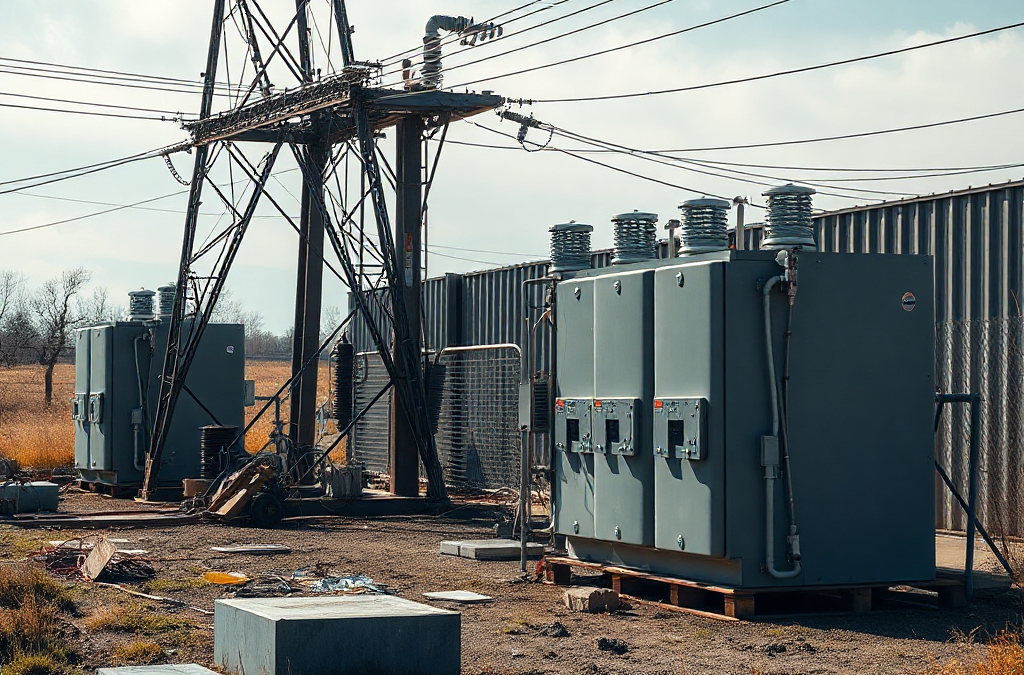
Situational awareness refers to the perception and comprehension of one’s environment and the ability to predict how it may change. In the context of disaster planning, it is crucial for identifying threats and recognizing opportunities for effective response. This concept encompasses not only understanding the immediate surroundings but also anticipating the implications of various scenarios that could unfold during a disaster.
Situational awareness is built on three key components: perception, comprehension, and projection. Perception involves gathering information about current conditions, while comprehension entails understanding what that information means in the context of potential disasters. Finally, projection is about anticipating future events based on the current understanding. Together, these components create a framework for making informed decisions in high-stress situations.
Key Elements of Situational Awareness in Disaster Planning
Effective situational awareness in disaster planning involves several critical elements that enhance preparedness and response capabilities. These elements include continuous monitoring, effective communication, and the integration of technology to support decision-making.
Continuous monitoring requires the use of various tools and sensors to gather real-time data about environmental conditions, potential threats, and resource availability. This data can be analyzed to provide insights that inform planning and response strategies. For instance, weather monitoring systems can alert emergency services to impending storms or floods, allowing for timely evacuations and resource deployments.
Effective communication is another vital aspect of situational awareness. Establishing clear communication channels ensures that information flows smoothly among all stakeholders, including emergency services, government agencies, and the public. Regular drills and training sessions can help reinforce communication protocols and ensure that everyone knows their roles in a crisis.
Lastly, integrating technology such as Geographic Information Systems (GIS) and mobile applications can significantly enhance situational awareness. These tools provide visual representations of data, enabling responders to assess risks and allocate resources more efficiently. By leveraging technology, organizations can make informed decisions that improve response times and overall effectiveness.
Real-World Applications and Case Studies
Examining real-world applications of situational awareness in disaster planning reveals its effectiveness in various scenarios. One notable example is the response to Hurricane Katrina in 2005. The lack of situational awareness among authorities exacerbated the disaster’s impact, highlighting the need for improved preparedness and communication strategies.
In contrast, the response to Hurricane Sandy in 2012 demonstrated the benefits of effective situational awareness. Authorities utilized advanced modeling and monitoring techniques to predict the storm’s path and impact, allowing for timely evacuations and resource allocation. This proactive approach resulted in fewer casualties and more efficient emergency response efforts.
Another example can be found in wildland fire management. Firefighting agencies use real-time data and predictive modeling to assess fire behavior and spread. This information is critical for making decisions about evacuations, resource allocations, and containment strategies. By maintaining situational awareness, these agencies can effectively respond to wildfires and minimize damage to communities.
Common Mistakes in Situational Awareness
Despite the critical importance of situational awareness, common mistakes can undermine its effectiveness in disaster planning. One frequent error is over-reliance on technology without adequate human oversight. While technology can provide valuable data, it is essential to combine it with human judgment and experience to make informed decisions.
Another common pitfall is failing to conduct regular training and drills. Situational awareness skills can diminish over time without practice, leading to poor performance in real emergencies. Regular training helps reinforce communication protocols and ensures that all team members are familiar with their roles and responsibilities.
Additionally, neglecting to engage the community in disaster planning can lead to gaps in situational awareness. Community members often possess valuable local knowledge that can enhance overall preparedness. Involving them in the planning process fosters a sense of ownership and encourages proactive behavior during emergencies.
For those interested in exploring the topic further, it is beneficial to consult authoritative sources that discuss situational awareness in disaster planning. Resources such as FEMA guidelines, emergency management literature, and case studies from disaster response agencies can provide in-depth insights.
Frequently Asked Questions
What is situational awareness in disaster planning?
Situational awareness in disaster planning involves understanding the environment, recognizing potential threats, and predicting how situations may evolve, enabling effective decision-making during emergencies.
Why is situational awareness important during a disaster?
It enhances responsiveness and safety by allowing individuals and organizations to anticipate hazards, allocate resources effectively, and react swiftly to changing circumstances.
How can technology improve situational awareness?
Technology such as GIS and real-time monitoring systems provides critical data that helps organizations assess risks and make informed decisions during disasters.
What are common mistakes in maintaining situational awareness?
Common mistakes include over-reliance on technology, failing to conduct regular training, and neglecting community involvement in disaster planning.
How can communities enhance situational awareness?
Communities can enhance situational awareness by engaging in disaster planning, participating in drills, and sharing local knowledge that can inform emergency response strategies.
National preparedness resources for planning, mitigation, and response readiness
Conclusion
Situational awareness is a fundamental aspect of effective disaster planning. By understanding its components and actively engaging in continuous monitoring, communication, and training, individuals and organizations can significantly improve their preparedness and response capabilities. Prioritizing situational awareness not only enhances safety but also fosters a culture of proactive engagement within communities, ultimately leading to better outcomes during disasters.
Understanding your specific food allergies is the first step in managing them during emergencies. Each person may have different allergens that can trigger severe reactions, including nuts, dairy, gluten, or seafood. It’s crucial to create a comprehensive list of these allergens to inform your preparation process. This identification helps in planning safe meals and avoiding cross-contamination in emergency situations.
In addition to knowing your allergens, consider the risks associated with various emergency scenarios. For instance, during natural disasters or power outages, access to safe food may be limited, increasing the likelihood of encountering allergens. Being aware of these risks enables you to strategize effectively and prioritize safety.
Creating an Emergency Food Kit
An emergency food kit tailored for those with food allergies is essential for safety during crises. Start by compiling non-perishable food items that are safe for your dietary needs. Look for foods that are clearly labeled as allergen-free and ensure they comply with your dietary restrictions. Examples include canned fruits, vegetables, gluten-free granola bars, and certified allergen-free snacks.
It’s also important to include necessary medications in your kit, such as antihistamines and epinephrine auto-injectors. Regularly check the expiration dates of these items and replace them as needed. Having a well-stocked emergency food kit can significantly reduce anxiety during emergencies and ensure that you have safe options available.
Communicating Allergies Effectively
Clear communication about food allergies is vital, especially in emergency situations. Inform family members, friends, and caregivers of your allergies and the potential risks they pose. This communication should extend to emergency contacts and anyone who might be responsible for your care during a crisis.
Consider creating an allergy alert card that outlines your specific allergies and emergency procedures, including how to use an epinephrine auto-injector. Distributing these cards can help ensure that others are prepared to act swiftly and appropriately if an allergic reaction occurs.
Preparing Safe Meals During Emergencies
In emergencies, meal preparation can become challenging, particularly if access to safe food sources is limited. It’s beneficial to have a plan in place for preparing meals that adhere to your dietary restrictions. Focus on simple recipes that require minimal ingredients to reduce the risk of exposure to allergens.
Consider using shelf-stable ingredients that you have included in your emergency food kit. For instance, canned beans can serve as a protein source, while rice or gluten-free pasta can provide carbohydrates. Always check labels for allergen warnings before using any product, and practice safe food handling to avoid cross-contamination.
Frequently Asked Questions
What should I include in an emergency food kit for allergies?
Your emergency food kit should include non-perishable foods that are allergen-free, as well as necessary medications like antihistamines and epinephrine auto-injectors.
How can I communicate my allergies to others?
Inform family, friends, and caregivers about your allergies, and consider creating an allergy alert card that details your specific allergens and emergency procedures.
What are common mistakes to avoid in emergency preparations for allergies?
Avoid assuming that others will remember your allergies. Always communicate clearly and provide written information to help others respond effectively in emergencies.
How often should I check my emergency food kit?
Regularly check your emergency food kit every six months to ensure that all items are safe, non-perishable, and within their expiration dates.
What foods are safe during a natural disaster?
Safe foods during a natural disaster include canned fruits, vegetables, gluten-free grains, and allergen-free snacks, always checking labels for potential allergens.
National preparedness resources for planning, mitigation, and response readiness
Conclusion
Effectively managing food allergies in emergency preparations requires thorough planning and proactive communication. By identifying allergens, creating a tailored emergency food kit, and ensuring clear communication with others, you can significantly reduce risks associated with allergic reactions during crises. Make it a priority to regularly check your supplies and educate those around you about your dietary needs to ensure safety and preparedness in any emergency situation.
Power source alternatives refer to various energy generation methods that differ from traditional fossil fuels. These alternatives include renewable energy sources such as solar, wind, hydroelectric, and geothermal power, as well as nuclear energy. Understanding these alternatives is crucial as they offer sustainable solutions to meet energy demands without depleting finite resources.
Embracing power source alternatives not only addresses the growing energy needs but also aligns with global efforts to combat climate change. By investing in a mix of energy sources, individuals and organizations can create a resilient energy portfolio that reduces dependence on any single source. However, neglecting these alternatives can lead to missed opportunities for innovation and sustainability.
Impacts of Neglecting Alternatives
Neglecting power source alternatives can have far-reaching impacts on energy security and economic stability. When societies rely heavily on a limited range of energy sources, they become vulnerable to fluctuations in supply and price. This overreliance can lead to energy crises, especially in times of geopolitical tensions or natural disasters that disrupt traditional energy supplies.
Moreover, ignoring alternative power sources can stifle technological advancements in energy efficiency and storage. Countries that fail to adopt innovative energy solutions risk falling behind in the global energy transition, limiting their competitiveness and economic growth. The consequences of such neglect can be profound, affecting everything from consumer prices to national security.
Economic Consequences
The economic ramifications of neglecting power source alternatives are significant. High dependence on fossil fuels often results in volatile energy prices, impacting household budgets and business operations. As fossil fuel reserves dwindle and extraction costs rise, consumers face higher energy bills, which can strain local economies.
Additionally, the lack of investment in alternative energy sources can result in lost job opportunities in emerging sectors such as renewable energy technology and sustainable infrastructure. By not diversifying energy portfolios, regions may miss out on the economic benefits of green jobs and innovation, which are increasingly critical in a rapidly changing job market.
Environmental Implications
From an environmental perspective, neglecting power source alternatives contributes to ongoing climate change and ecosystem degradation. Traditional energy sources, particularly fossil fuels, are major contributors to greenhouse gas emissions, which are linked to global warming and extreme weather events. By failing to transition to cleaner energy sources, societies exacerbate these environmental challenges.
Furthermore, the environmental costs of fossil fuel extraction, including habitat destruction and water pollution, highlight the urgent need for alternative energy solutions. Investing in renewable energy not only helps mitigate climate change but also promotes biodiversity and sustainable land use practices, fostering a healthier planet for future generations.
Frequently Asked Questions
What are the main power source alternatives?
Main power source alternatives include renewable sources like solar, wind, hydroelectric, geothermal, and nuclear energy.
How does neglecting alternatives impact energy prices?
Neglecting alternatives can lead to higher energy prices due to overreliance on fossil fuels, which are subject to market volatility.
What are the environmental risks of sticking to traditional energy sources?
Traditional energy sources contribute to greenhouse gas emissions, climate change, and habitat destruction, harming ecosystems.
Can investing in alternatives create job opportunities?
Yes, investing in alternative energy sources can create jobs in renewable energy technology and sustainable infrastructure sectors.
Why is energy diversification important?
Energy diversification enhances energy security, reduces risks from supply disruptions, and fosters innovation in energy technologies.
The EPA provides information on the environmental impacts of energy production and strategies for sustainable practices
Conclusion
Neglecting power source alternatives poses significant risks, including economic instability, environmental degradation, and energy insecurity. To mitigate these consequences, both individuals and organizations must prioritize the adoption of diverse energy solutions. By investing in alternative power sources, we can enhance resilience, drive economic growth, and protect the environment for future generations. Embracing change in energy consumption is not just beneficial; it is essential for a sustainable future.