Understanding the Importance of First Aid Supplies
First aid supplies are crucial for managing injuries and illnesses during emergencies. They provide immediate care that can stabilize conditions before professional medical help arrives. Having the right supplies can make a significant difference in outcomes, especially in critical situations where time is of the essence. Recognizing the role of first aid kits and their contents can empower individuals to respond effectively in emergencies.
people underestimate the potential risks they may encounter, leading to inadequate preparation. For instance, a household in a flood-prone area should prioritize water-resistant supplies, while those in urban settings might focus on items for minor cuts and abrasions. Understanding the unique needs of your environment is essential for creating an effective first aid strategy.
Key Items to Include in Your First Aid Kit
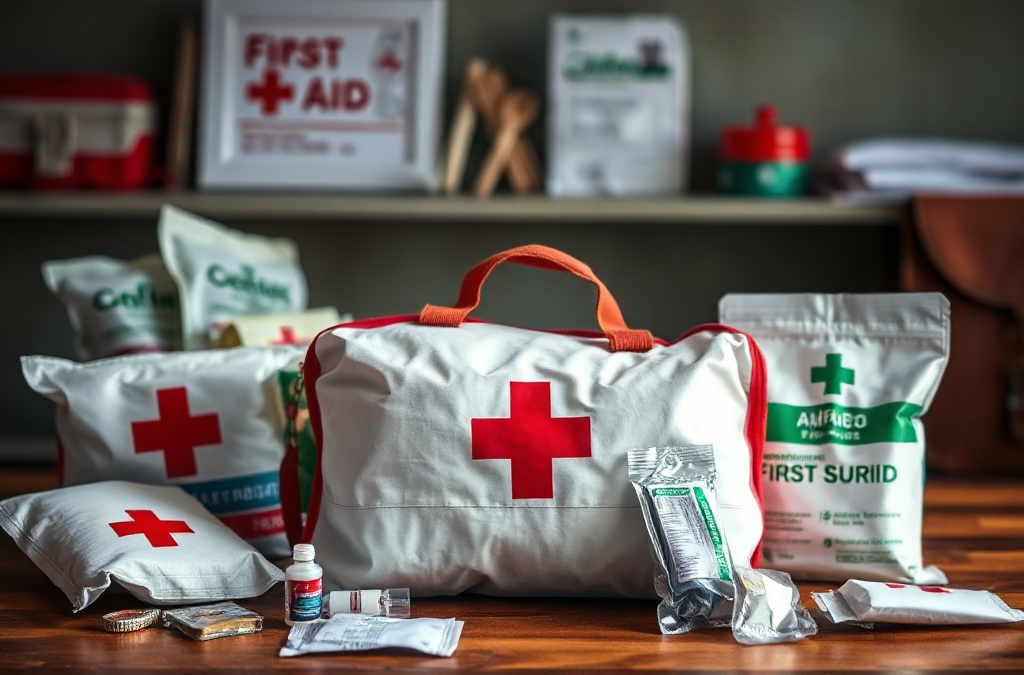
An effective first aid kit should contain a variety of essential items tailored to address common injuries and emergencies. At a minimum, your kit should include:
Adhesive bandages: For minor cuts and scrapes.
Antiseptic wipes: To clean wounds and prevent infection.
Gauze pads and adhesive tape: For larger wounds requiring dressing.
Antibiotic ointment: To apply on cuts to reduce infection risk.
CPR face shield: For safe mouth-to-mouth resuscitation.
Burn cream or gel: To alleviate pain from burns.
Scissors and tweezers: For cutting tape, gauze, or removing splinters.
Elastic bandage: For sprains or strains.
Pain relievers: Such as ibuprofen or acetaminophen.
These items are foundational, but you should also consider additional supplies based on specific risks you may face. For example, adding an emergency blanket can provide warmth in cold conditions, while a first aid manual can guide you through treatment procedures.
Assessing Your Specific Needs
Identifying the best first aid supplies involves assessing your specific needs based on potential emergencies in your area. Factors to consider include the types of injuries that are most likely to occur, the number of people in your household, and any existing medical conditions that may require special supplies.
For instance, families with young children should have items like pediatric doses of medications and child-friendly bandages. On the other hand, individuals with allergies may need to include antihistamines and an epinephrine auto-injector. Conducting a risk assessment can help you prioritize what to include in your first aid kit, ensuring that it is tailored to your unique circumstances.
Storing and Maintaining Your Supplies
Once you have assembled your first aid kit, proper storage and maintenance are vital to ensure that supplies remain effective when needed. Store your kit in a cool, dry place that is easily accessible to all household members. A designated area, such as a kitchen cabinet or a specific drawer, can help keep your supplies organized.
Regularly check the contents of your kit to replace expired items and replenish any supplies that have been used. Create a schedule for reviewing your first aid kit, such as every six months, to ensure that it remains ready for emergencies. Keeping a checklist of the items will help you track what is in your kit and what needs to be replaced.
Frequently Asked Questions
What items are essential in a first aid kit?
Essential items in a first aid kit include adhesive bandages, antiseptic wipes, gauze, antibiotic ointment, scissors, and pain relievers.
How often should I check my first aid kit?
It's recommended to check your first aid kit every six months to replace expired items and replenish supplies.
Can I customize my first aid kit?
Yes, you should customize your first aid kit based on specific needs, such as including medications for allergies or pediatric supplies for children.
Where should I store my first aid kit?
Store your first aid kit in a cool, dry place that is easily accessible to all household members.
What should I do if I use supplies from my first aid kit?
Replace any used supplies immediately after use to ensure your first aid kit is always ready for emergencies.
Offers resources on health and safety guidelines during emergencies
Conclusion
Identifying the best first aid supplies for emergencies is essential for effective response during critical situations. Focus on assembling a kit that meets your specific needs, including essential items and additional supplies tailored to your risks. Regularly maintain your kit to ensure its readiness, and educate all household members on its location and use. Being prepared can significantly impact outcomes in emergencies, so take the necessary steps to equip yourself and your loved ones.
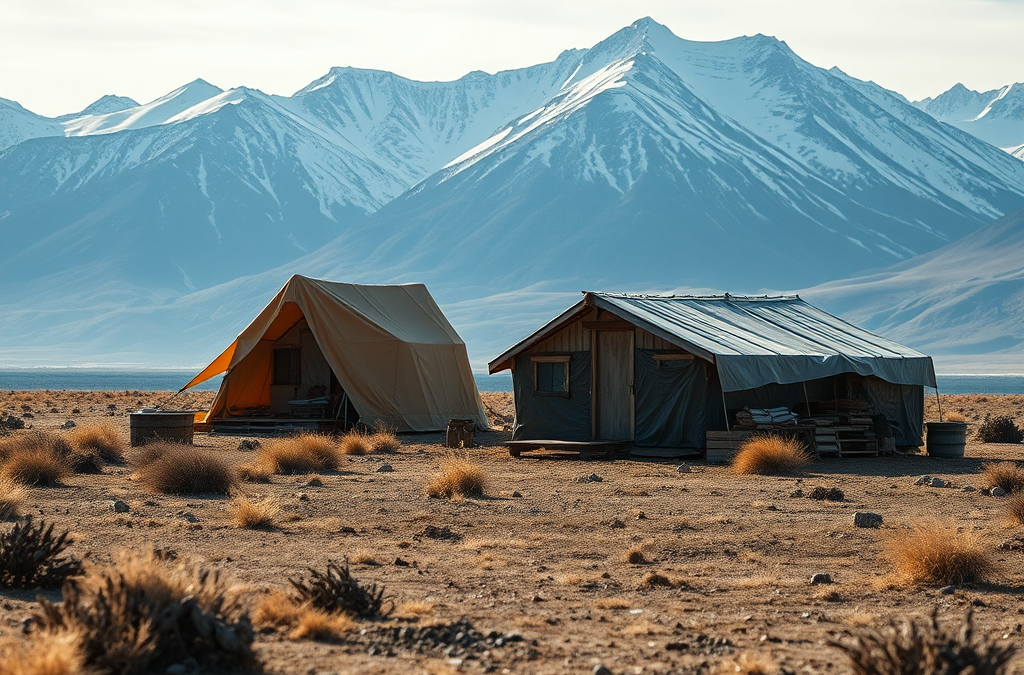
Geographic isolation presents significant challenges for preppers in remote locations. The distance from urban centers means limited access to essential services, including medical care, food supplies, and emergency assistance. In emergencies, the lack of nearby help can be life-threatening, making it crucial to understand the implications of living in a remote area. For instance, if a natural disaster strikes, the time it takes for emergency services to reach isolated communities can be considerably longer than in urban environments.
Moreover, geographic isolation can lead to a false sense of security. Many preppers assume that being away from populated areas inherently means safety from disasters or societal collapse. However, isolation can also mean a lack of community support, making it essential to build networks with nearby neighbors or like-minded individuals. Establishing strong relationships can provide mutual aid and resource sharing, which is vital during emergencies.
Logistical Challenges in Resource Acquisition
Acquiring supplies in remote areas often poses logistical hurdles that can hinder effective prepping. The challenges include limited transportation options, higher costs, and potential supply chain disruptions. For example, if a prepper relies on a single road for supply deliveries, any blockage—due to weather or accidents—can severely impact their ability to restock essential items.
Additionally, the scarcity of local stores means that preppers must plan their supplies meticulously. Bulk buying may seem advantageous, but storing large quantities of food and supplies requires adequate space and proper preservation methods. Preppers should also consider the perishability of items and invest in reliable storage solutions, such as root cellars or climate-controlled environments, to ensure longevity.
Self-Sufficiency Strategies
To effectively prep in a remote location, embracing self-sufficiency is crucial. This involves not only having a robust food storage plan but also developing skills to grow, hunt, or forage for food. Establishing a garden, raising livestock, or learning about edible wild plants can significantly enhance food security. For instance, a small vegetable garden can provide fresh produce, reducing reliance on store-bought items.
Moreover, energy independence is another aspect of self-sufficiency. Utilizing renewable energy sources like solar panels or wind turbines can ensure a reliable power supply, which is vital for food preservation and communication devices. Preppers should evaluate their energy needs and consider investing in off-grid systems that can sustain them during outages or emergencies.
Emergency Communication Plans
Effective communication is essential for preppers in remote locations, especially during emergencies. Establishing a communication plan that includes various methods—such as ham radios, satellite phones, or even signal mirrors—can enhance safety and coordination. Relying solely on cell phones may not be sufficient due to potential network outages during crises.
Moreover, creating a network with neighbors or local community members can provide additional support. Regularly scheduled check-ins or establishing a signaling system can help ensure everyone remains informed and safe. It’s also beneficial to have multiple communication options, including written messages or physical signals, to prepare for different scenarios.
Frequently Asked Questions
What are the main challenges of prepping in a remote location?
The main challenges include limited access to resources, isolation from emergency services, and logistical difficulties in transporting supplies.
How can I ensure food security in a remote area?
Building a sustainable garden, raising livestock, and foraging for wild edibles are effective ways to enhance food security.
What should I include in my emergency communication plan?
Your plan should include various communication methods such as radios, satellite phones, and signal systems to ensure connectivity during emergencies.
How do I manage supply logistics in a remote location?
Plan your supplies carefully, consider bulk purchasing, and invest in reliable storage solutions to manage logistics effectively.
What are some self-sufficiency strategies for preppers?
Focus on growing your own food, raising livestock, and utilizing renewable energy sources to enhance self-sufficiency.
FEMA's website offers insights into disaster preparedness, including tips tailored for isolated communities
Conclusion
Prepping in a remote location requires careful consideration of unique challenges such as isolation, limited resources, and logistical hurdles. By prioritizing self-sufficiency, establishing robust communication plans, and understanding local geography, preppers can effectively navigate these challenges. Building a supportive community and developing practical skills will enhance resilience and readiness for emergencies, ensuring that you are well-prepared for any situation.
To effectively assess emergency drills, it’s vital to establish key performance indicators (KPIs) that align with your organization’s objectives. These KPIs can include metrics such as the time taken to evacuate a building, the number of participants who successfully complete assigned tasks, and the accuracy of responses to simulated emergencies. By quantifying these elements, you can gauge the efficiency and effectiveness of your drills.
For instance, if a drill’s objective is to evacuate a facility in under five minutes, measuring the actual time taken allows you to determine if participants are meeting expectations. Evaluating these KPIs not only highlights strengths but also uncovers weaknesses that need addressing, ensuring that future drills are more effective.
Participant Feedback and Observations
Gathering feedback from participants is crucial for a comprehensive assessment of emergency drills. After each drill, conduct debriefings to discuss what went well and what could be improved. Encourage open dialogue, allowing participants to share their experiences and observations. This feedback offers valuable insights that quantitative metrics alone may not reveal.
Consider using surveys or questionnaires to collect structured feedback, focusing on aspects like clarity of instructions, perceived realism of the scenario, and overall confidence in responding to emergencies. This qualitative data complements the quantitative KPIs and provides a holistic view of drill effectiveness.
Realistic Scenario Simulation
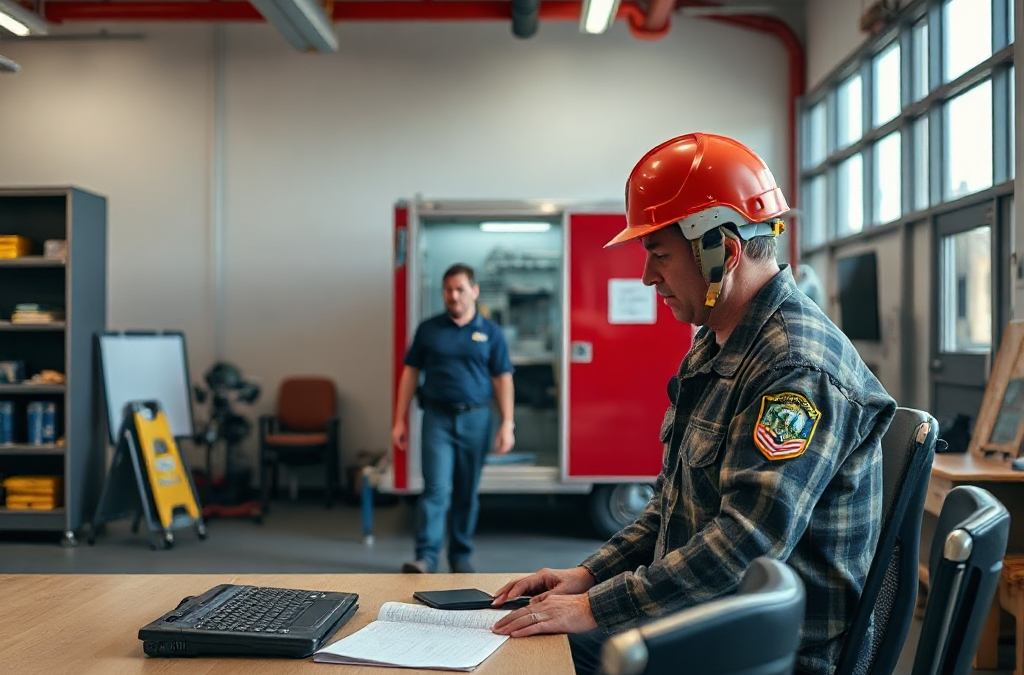
Realism in emergency drills is essential for effective training. Ensure that scenarios closely mimic potential real-life situations to prepare participants adequately. This includes using actual equipment, realistic timelines, and involving all relevant stakeholders, such as emergency services when possible.
For example, if you are conducting a fire drill, use smoke machines, alarms, and even emergency responders to create a more immersive experience. This realism not only enhances engagement but also allows participants to practice critical decision-making under pressure. Evaluating how well participants navigate these realistic scenarios can help you identify gaps in training and areas for improvement.
Continuous Improvement and Training
Assessment of emergency drills should not be a one-time event; it requires an ongoing commitment to improvement. After analyzing performance data and feedback, develop action plans to address identified weaknesses. This may involve additional training sessions, revising protocols, or modifying drill scenarios to enhance effectiveness.
Additionally, consider implementing a regular schedule for drills to ensure skills remain sharp. Continuous training reinforces knowledge and prepares participants for actual emergencies. By fostering a culture of preparedness and responsiveness, your organization will be better equipped to handle real-life crises.
Frequently Asked Questions
What are the main goals of emergency drills?
The main goals are to improve preparedness, enhance response skills, and ensure participants can effectively handle real emergencies.
How often should emergency drills be conducted?
Emergency drills should be conducted regularly, typically at least twice a year, to maintain readiness and reinforce skills.
What should be included in the debriefing after a drill?
Debriefings should include performance evaluation, participant feedback, areas for improvement, and action items for future drills.
How can realism be incorporated into drills?
Realism can be incorporated by using actual equipment, simulating real-life scenarios, and involving emergency services when appropriate.
What are common mistakes during emergency drills?
Common mistakes include lack of clarity in instructions, insufficient realism, and not allowing enough time for participants to complete tasks.
Offers resources on fire safety and emergency preparedness, including best practices for conducting drills
Conclusion
Assessing the effectiveness of your emergency drills is crucial for ensuring preparedness and improving response capabilities. By focusing on key performance indicators, gathering participant feedback, and creating realistic scenarios, you can enhance the value of your drills. Continuous improvement through regular training and evaluation will foster a culture of readiness within your organization, ultimately leading to better outcomes in real emergencies.