
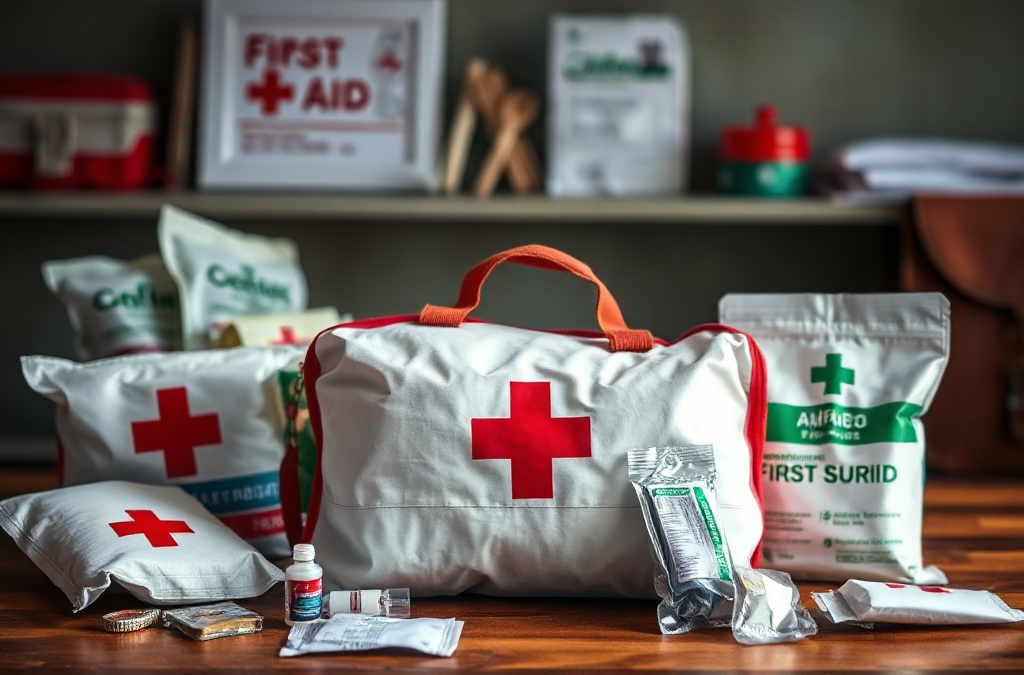
To identify the best first aid supplies for emergencies, evaluate your environment and the specific risks you may face. Essential items should include adhesive bandages, antiseptic wipes, gauze pads, and a CPR face shield, tailored to address common injuries and scenarios. Consider the likelihood of situations such as cuts, burns, or allergic reactions when selecting your supplies. It's also vital to regularly check and replenish your kit to ensure all items are in good condition and within their expiration dates. This proactive approach can significantly enhance your readiness and response during emergencies.
Understanding the Importance of First Aid Supplies
First aid supplies are crucial for managing injuries and illnesses during emergencies. They provide immediate care that can stabilize conditions before professional medical help arrives. Having the right supplies can make a significant difference in outcomes, especially in critical situations where time is of the essence. Recognizing the role of first aid kits and their contents can empower individuals to respond effectively in emergencies.
People underestimate the potential risks they may encounter, leading to inadequate preparation. For instance, a household in a flood-prone area should prioritize water-resistant supplies, while those in urban settings might focus on items for minor cuts and abrasions. Understanding the unique needs of your environment is essential for creating an effective first aid strategy.
Key Items to Include in Your First Aid Kit
An effective first aid kit should contain a variety of essential items tailored to address common injuries and emergencies. At a minimum, your kit should include:
- Adhesive bandages: For minor cuts and scrapes.
- Antiseptic wipes: To clean wounds and prevent infection.
- Gauze pads and adhesive tape: For larger wounds requiring dressing.
- Antibiotic ointment: To apply on cuts to reduce infection risk.
- CPR face shield: For safe mouth-to-mouth resuscitation.
- Burn cream or gel: To alleviate pain from burns.
- Scissors and tweezers: For cutting tape, gauze, or removing splinters.
- Elastic bandage: For sprains or strains.
- Pain relievers: Such as ibuprofen or acetaminophen.
These items are foundational, but you should also consider additional supplies based on specific risks you may face. For example, adding an emergency blanket can provide warmth in cold conditions, while a first aid manual can guide you through treatment procedures.

Assessing Your Specific Needs
Identifying the best first aid supplies involves assessing your specific needs based on potential emergencies in your area. Factors to consider include the types of injuries that are most likely to occur, the number of people in your household, and any existing medical conditions that may require special supplies.
For instance, families with young children should have items like pediatric doses of medications and child-friendly bandages. On the other hand, individuals with allergies may need to include antihistamines and an epinephrine auto-injector. Conducting a risk assessment can help you prioritize what to include in your first aid kit, ensuring that it is tailored to your unique circumstances.
Storing and Maintaining Your Supplies
Once you have assembled your first aid kit, proper storage and maintenance are vital to ensure that supplies remain effective when needed. Store your kit in a cool, dry place that is easily accessible to all household members. A designated area, such as a kitchen cabinet or a specific drawer, can help keep your supplies organized.
Regularly check the contents of your kit to replace expired items and replenish any supplies that have been used. Create a schedule for reviewing your first aid kit, such as every six months, to ensure that it remains ready for emergencies. Keeping a checklist of the items will help you track what is in your kit and what needs to be replaced.
Frequently Asked Questions
What items are essential in a first aid kit?
Essential items in a first aid kit include adhesive bandages, antiseptic wipes, gauze, antibiotic ointment, scissors, and pain relievers.
How often should I check my first aid kit?
It's recommended to check your first aid kit every six months to replace expired items and replenish supplies.
Can I customize my first aid kit?
Yes, you should customize your first aid kit based on specific needs, such as including medications for allergies or pediatric supplies for children.
Where should I store my first aid kit?
Store your first aid kit in a cool, dry place that is easily accessible to all household members.
What should I do if I use supplies from my first aid kit?
Replace any used supplies immediately after use to ensure your first aid kit is always ready for emergencies.
Further Reading
Authoritative Sources
- American Red Cross
redcross.orgProvides guidance on assembling first aid kits and emergency preparedness
- Centers for Disease Control and Prevention (CDC)
cdc.govOffers resources on health and safety guidelines during emergencies
Conclusion
Identifying the best first aid supplies for emergencies is essential for effective response during critical situations. Focus on assembling a kit that meets your specific needs, including essential items and additional supplies tailored to your risks. Regularly maintain your kit to ensure its readiness, and educate all household members on its location and use. Being prepared can significantly impact outcomes in emergencies, so take the necessary steps to equip yourself and your loved ones.




