Prepping in a remote location presents unique challenges, including limited access to essential resources and the isolation that can hinder emergency assistance. To effectively prepare, individuals must focus on building self-sufficiency through skills like food preservation and alternative energy solutions. Establishing a reliable communication plan is vital, as it can facilitate contact with nearby communities for mutual support during crises. Additionally, preppers should develop contingency plans for transportation disruptions, ensuring they have multiple ways to acquire supplies. Understanding local geography and weather patterns can further enhance preparedness and resilience in isolated environments.
Understanding Geographic Isolation
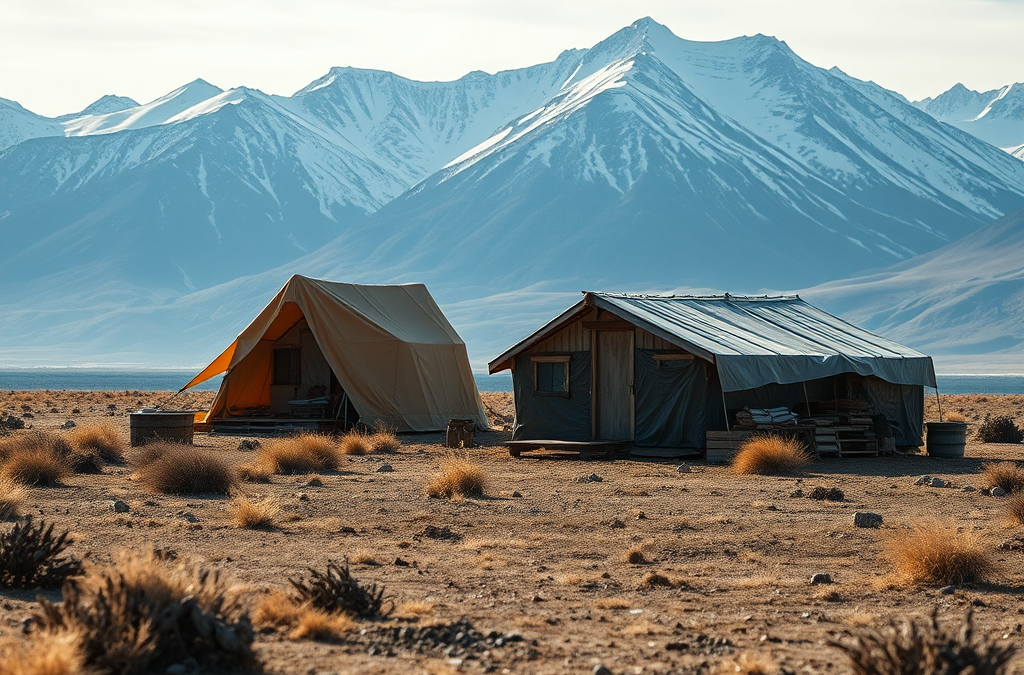
Geographic isolation presents significant challenges for preppers in remote locations. The distance from urban centers means limited access to essential services, including medical care, food supplies, and emergency assistance. In emergencies, the lack of nearby help can be life-threatening, making it crucial to understand the implications of living in a remote area. For instance, if a natural disaster strikes, the time it takes for emergency services to reach isolated communities can be considerably longer than in urban environments.
Moreover, geographic isolation can lead to a false sense of security. Many preppers assume that being away from populated areas inherently means safety from disasters or societal collapse. However, isolation can also mean a lack of community support, making it essential to build networks with nearby neighbors or like-minded individuals. Establishing strong relationships can provide mutual aid and resource sharing, which is vital during emergencies.
Logistical Challenges in Resource Acquisition
Acquiring supplies in remote areas often poses logistical hurdles that can hinder effective prepping. The challenges include limited transportation options, higher costs, and potential supply chain disruptions. For example, if a prepper relies on a single road for supply deliveries, any blockage—due to weather or accidents—can severely impact their ability to restock essential items.
Additionally, the scarcity of local stores means that preppers must plan their supplies meticulously. Bulk buying may seem advantageous, but storing large quantities of food and supplies requires adequate space and proper preservation methods. Preppers should also consider the perishability of items and invest in reliable storage solutions, such as root cellars or climate-controlled environments, to ensure longevity.

Self-Sufficiency Strategies
To effectively prep in a remote location, embracing self-sufficiency is crucial. This involves not only having a robust food storage plan but also developing skills to grow, hunt, or forage for food. Establishing a garden, raising livestock, or learning about edible wild plants can significantly enhance food security. For instance, a small vegetable garden can provide fresh produce, reducing reliance on store-bought items.
Moreover, energy independence is another aspect of self-sufficiency. Utilizing renewable energy sources like solar panels or wind turbines can ensure a reliable power supply, which is vital for food preservation and communication devices. Preppers should evaluate their energy needs and consider investing in off-grid systems that can sustain them during outages or emergencies.
Emergency Communication Plans
Effective communication is essential for preppers in remote locations, especially during emergencies. Establishing a communication plan that includes various methods—such as ham radios, satellite phones, or even signal mirrors—can enhance safety and coordination. Relying solely on cell phones may not be sufficient due to potential network outages during crises.
Moreover, creating a network with neighbors or local community members can provide additional support. Regularly scheduled check-ins or establishing a signaling system can help ensure everyone remains informed and safe. It’s also beneficial to have multiple communication options, including written messages or physical signals, to prepare for different scenarios.
Frequently Asked Questions
What are the main challenges of prepping in a remote location?
The main challenges include limited access to resources, isolation from emergency services, and logistical difficulties in transporting supplies.
How can I ensure food security in a remote area?
Building a sustainable garden, raising livestock, and foraging for wild edibles are effective ways to enhance food security.
What should I include in my emergency communication plan?
Your plan should include various communication methods such as radios, satellite phones, and signal systems to ensure connectivity during emergencies.
How do I manage supply logistics in a remote location?
Plan your supplies carefully, consider bulk purchasing, and invest in reliable storage solutions to manage logistics effectively.
What are some self-sufficiency strategies for preppers?
Focus on growing your own food, raising livestock, and utilizing renewable energy sources to enhance self-sufficiency.
Further Reading
Authoritative Sources
- Ready.gov
ready.govThis resource offers comprehensive information on emergency preparedness, including communication strategies and resource management
- U.S. Nuclear Regulatory Commission
nrc.govThe NRC provides guidelines on emergency preparedness and response, relevant for those living in remote areas
- FEMA
fema.govFEMA's website offers insights into disaster preparedness, including tips tailored for isolated communities
Conclusion
Prepping in a remote location requires careful consideration of unique challenges such as isolation, limited resources, and logistical hurdles. By prioritizing self-sufficiency, establishing robust communication plans, and understanding local geography, preppers can effectively navigate these challenges. Building a supportive community and developing practical skills will enhance resilience and readiness for emergencies, ensuring that you are well-prepared for any situation.
Related Content
- 5 Essential Steps to Prepare for an Emergency
- How to Stay Safe During a Wildfire: Pro Tips
- Do You Have Enough Supplies for a Flood? Here’s the Checklist
- Sleep And Decision Quality During Multi-Night Emergency Disruptions — A Practical Recovery And Safety Plan
- What’s the One Thing You’re Forgetting in Your Hurricane Plan?