
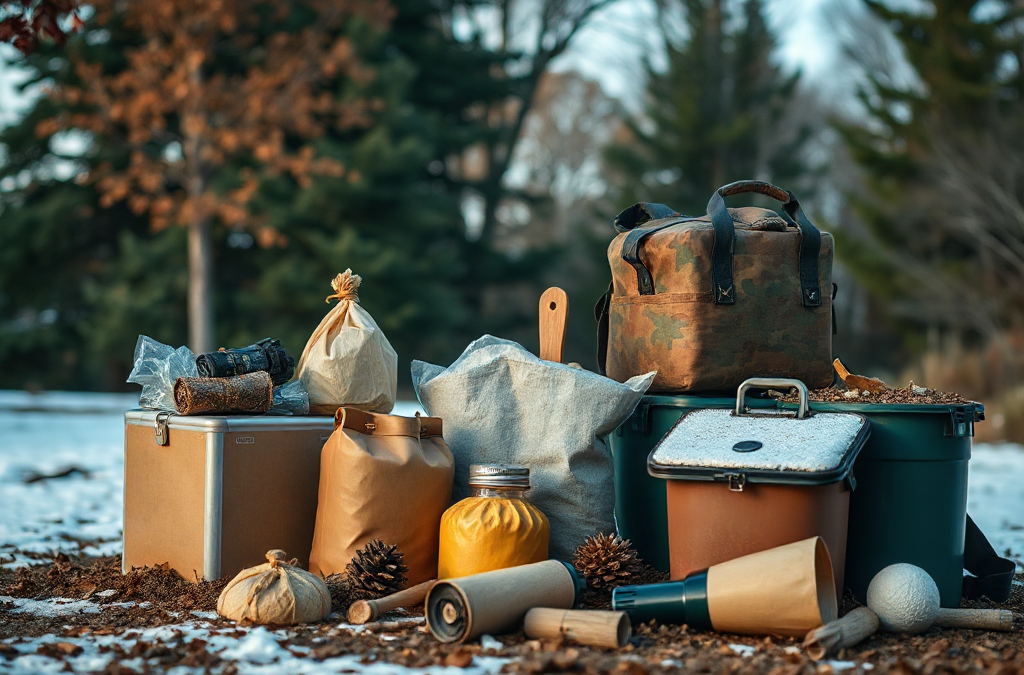
Seasonal changes greatly influence prepping strategies, necessitating adjustments in supplies and techniques to effectively address unique challenges. For example, winter requires preppers to stock up on insulated clothing, reliable heating sources, and non-perishable food that can be prepared without electricity. Conversely, summer prepping should prioritize hydration solutions and heat safety measures. A common mistake is failing to reassess and adapt your supplies as seasons change, which can leave you unprepared for specific weather-related emergencies. By regularly evaluating your needs and resources with each seasonal transition, you can enhance your preparedness and ensure you are ready for any situation throughout the year.
Understanding Seasonal Impacts on Prepping
The impact of seasonal changes on prepping strategies is crucial for effective emergency preparedness. Each season presents unique challenges that dictate the necessary supplies and techniques. For example, extreme weather conditions can affect not just personal safety but also the availability of resources like food and water. By recognizing these seasonal variations, preppers can prioritize their needs, ensuring they are equipped to handle specific challenges that arise throughout the year.
Moreover, understanding the seasonal context helps in making informed decisions about resource allocation. For instance, winter weather may require a focus on thermal clothing and heating supplies, while summer might necessitate an emphasis on hydration and heat-related safety measures. Each transition between seasons is an opportunity to reassess and refine your prepping strategies, adapting them to the realities of the climate.
Winter Prepping Essentials
Winter prepping is often centered around ensuring warmth and safety during extreme cold. Essential items include insulated clothing, sleeping bags rated for low temperatures, and reliable heating sources such as propane heaters or wood stoves. Additionally, maintaining a stockpile of non-perishable food that can be easily prepared without electricity is vital.
In many areas, winter storms can lead to power outages or road closures, making it important to have alternative cooking methods, like camping stoves, and sufficient fuel supplies. Preppers should also consider snow removal tools and strategies for maintaining access to their homes. One common mistake is underestimating the importance of staying warm; failure to prepare adequately can lead to hypothermia or frostbite.

Spring and Fall Considerations
Spring and fall require a more versatile approach to prepping, as these transitional seasons can bring unpredictable weather. Prepping strategies should include a mix of winter and summer supplies, ensuring readiness for both cold snaps and warm spells. During spring, focus on checking and replenishing emergency kits, as well as preparing for potential flooding or severe storms.
In fall, it’s critical to prepare for the onset of winter by securing heating sources and winterizing your home. This might involve insulating pipes, checking the roof for leaks, and ensuring that all heating equipment is functioning properly. One often-overlooked aspect is the importance of maintaining a well-stocked first aid kit that can address seasonal allergies or illnesses that may arise during these months.
Summer Prepping Strategies
Summer prepping strategies should prioritize hydration and heat safety. Ensure that you have ample water storage, as well as methods for purifying water in case of shortages. Lightweight, portable cooling solutions, such as fans or cooling towels, can be beneficial for managing heat stress.
In addition to personal safety, summer prepping should also consider the increased risk of wildfires in some regions. Creating defensible space around your property and having an evacuation plan can mitigate these risks. A common mistake during summer is neglecting food storage; high temperatures can spoil supplies quickly, so proper storage methods are essential.
Frequently Asked Questions
How often should I update my prepping supplies?
It's advisable to review and update your prepping supplies at least twice a year, ideally at the transition between seasons, to ensure everything is functional and relevant.
What are the key items for winter prepping?
Key items include insulated clothing, sleeping bags, heating sources, and a supply of non-perishable food that is easy to prepare without electricity.
How can I prepare for summer heat?
Ensure adequate hydration supplies, portable cooling solutions, and plan for heat-related emergencies, including having a first aid kit that addresses heat exhaustion.
What should I consider for spring prepping?
Focus on replenishing emergency kits, preparing for flooding or severe storms, and checking the functionality of all equipment and supplies.
How do seasonal changes affect food storage?
Seasonal changes can impact food storage methods; ensure that food is stored properly to prevent spoilage, especially in high temperatures during summer.
Further Reading
Authoritative Sources
- Ready.gov
ready.govThis government resource provides comprehensive guidelines on emergency preparedness for all seasons
- American Red Cross
redcross.orgOffers valuable insights and resources for disaster preparedness, including seasonal challenges
Conclusion
Adapting your prepping strategies to the seasonal changes is essential for maintaining readiness and ensuring safety. Each season brings unique challenges that require tailored supplies and methods. By understanding these impacts and regularly updating your supplies, you can effectively prepare for any situation that arises throughout the year. Prioritizing seasonal needs, from winter warmth to summer hydration, can make a significant difference in your overall preparedness and response capabilities.
Related Content
- The Ultimate 2025 Guide to Preparedness for Biological Threats: Top Strategies & Tips
- Achieving Unmatched Readiness for Fire Emergencies: Empower Your Safety Today
- Urban Foraging: Finding Food in the City
- 10 Powerful preparing for emergencies Strategies for 2025: The Ultimate Guide
- 5 Essential Steps to Disaster Preparedness: Are You Ready




