
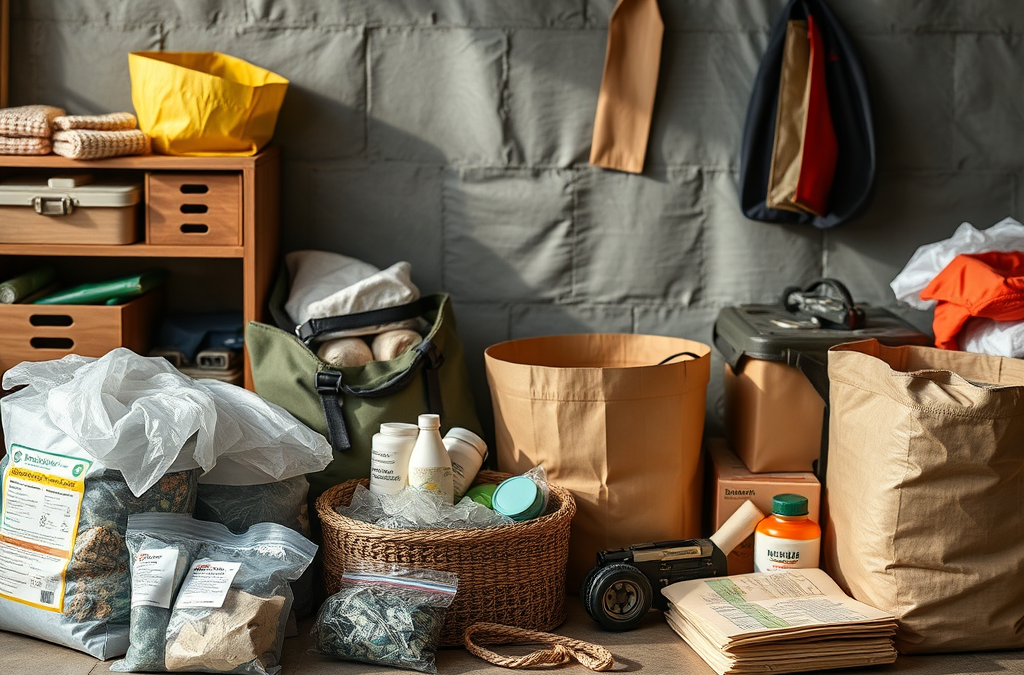
To adapt your supplies for different family needs, begin by evaluating each member's unique requirements, including age, health conditions, and dietary preferences. For example, younger children may need easy-to-eat snacks and age-appropriate food, while older family members might require specific medications or specialized dietary items. Conducting a family meeting can help identify these needs, ensuring that no essential items are overlooked. Additionally, consider the packaging of supplies; easy-to-open containers are beneficial for children, while bulk options may be more suitable for adults. Regularly rotating supplies will help maintain freshness and readiness for emergencies.
Assessing Family Needs
Understanding how to adapt your supplies for different family needs starts with a thorough assessment of each family member’s requirements. Age, health conditions, dietary preferences, and personal preferences all play a crucial role in determining what supplies are necessary. For example, children may require more snacks and easy-to-eat options, while elderly family members may need specialized dietary items or medical supplies.
To effectively assess these needs, consider conducting a family meeting where everyone can express their preferences and needs. This can help in identifying specific items that may not be immediately obvious. A checklist can be beneficial to ensure no needs are overlooked. Additionally, keep in mind any seasonal changes that may affect supply needs, such as allergies or illnesses that are more prevalent at certain times of the year.
Customizing Food Supplies
When adapting food supplies, it’s essential to cater to the dietary restrictions and preferences of each family member. This can include allergies, intolerances, and personal preferences such as vegetarian or vegan diets. For instance, if a family member is gluten intolerant, ensure that gluten-free options are available. Having a variety of snacks and meals that appeal to all ages can make a significant difference during emergencies.
Moreover, consider the packaging and storage of food supplies. For younger children, easy-to-open packages can be a lifesaver, while adults may prefer bulk options that are cost-effective. Regularly rotate food supplies to ensure freshness and keep track of expiration dates. This proactive approach prevents waste and ensures that your family has access to nutritious options when needed.

Medical Supplies Considerations
Medical supplies are another critical area where family needs can vary significantly. Each family member may have different health conditions that require specific medications or first aid supplies. For example, if one member has asthma, ensure that inhalers are readily accessible and that others are aware of how to use them. Similarly, if anyone has chronic conditions, keep their medications organized and easily accessible.
Additionally, consider including a variety of first aid items that cater to different ages and needs. Children may require smaller bandages, while adults might need more comprehensive supplies. Regularly review and replenish your medical supplies to ensure everything is up-to-date and functional. This attention to detail can make a significant difference in emergency situations.
Emergency Gear for All Ages
Emergency gear should be versatile enough to accommodate the needs of all family members. This includes items such as flashlights, blankets, and communication devices. When choosing gear, consider the physical capabilities of each family member. For instance, heavy gear may not be suitable for children or elderly family members.
Creating a family emergency kit that includes items for all ages can enhance preparedness. Include child-friendly items like games or toys to keep younger children occupied during stressful situations. For older family members, ensure comfort items such as medications and reading glasses are included. Regularly review and practice using emergency gear with the family to ensure everyone knows how to utilize it effectively in a crisis.
For those looking to expand their knowledge on adapting supplies for family needs, consider checking resources from local emergency management agencies or health organizations. They often provide guidelines and checklists tailored to various family situations.
Frequently Asked Questions
What are the key factors to consider when adapting supplies for family needs?
Key factors include age, dietary restrictions, medical conditions, and personal preferences. Understanding these factors helps tailor supplies effectively.
How often should I reassess my family's supply needs?
It's advisable to reassess your family's supply needs at least twice a year or during significant life changes, such as new family members or health changes.
What types of food should be included in a family emergency kit?
Include non-perishable items, snacks, and foods that cater to dietary restrictions. Aim for a variety of easy-to-eat options suitable for all ages.
How can I ensure my family is prepared for medical emergencies?
Keep a well-stocked first aid kit and ensure all family members know how to use the supplies. Regularly update medications and supplies as needed.
What should I include in an emergency gear kit for children?
Include items like toys, snacks, and comfort items. Ensure that gear is lightweight and easy for children to handle.
Further Reading
Authoritative Sources
- Library of Congress Research Guides
guides.loc.govResearch guides that help readers locate reliable background sources on a wide range of subjects
- USA.gov Official Information and Services
usa.govOfficial U.S. government information and public resources for practical reference
- Google Scholar
scholar.google.comAcademic search resource for finding research literature and source material
Conclusion
Adapting supplies for different family needs is essential for effective emergency preparedness. By assessing individual requirements, customizing food and medical supplies, and ensuring that emergency gear is suitable for all ages, families can enhance their readiness for any situation. Regularly reviewing these supplies and involving the whole family in the process can lead to a more organized and efficient approach to preparedness.




