
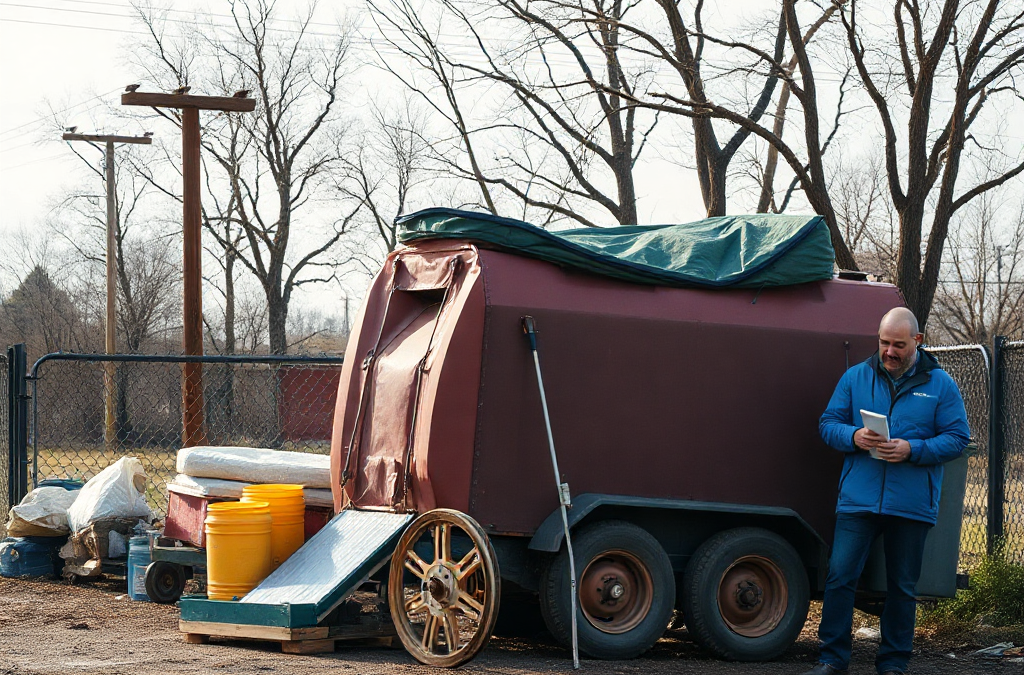
Prepping for less common disasters presents unique challenges that require a proactive approach. Individuals often overlook risks such as industrial accidents or localized pandemics, leading to inadequate preparedness. To address this, it's crucial to identify potential threats specific to your area and develop tailored response plans. For instance, communities near chemical plants should stock specialized supplies and establish resource-sharing networks to enhance their readiness. By recognizing these unique risks and planning accordingly, individuals can significantly improve their emergency preparedness and resilience against unexpected events.
Recognizing Less Common Disasters
Identifying less common disasters is the first step in effective preparedness. These can include events like tsunamis in non-coastal areas, industrial accidents, or localized pandemics. Many people do not consider these scenarios because they are less frequent, leading to a significant gap in preparedness. Understanding the specific characteristics of these threats can help individuals and communities prioritize their resources effectively.
For instance, a small town near a chemical plant might face risks from an industrial accident, even if the community has never experienced one before. Awareness of the potential dangers allows for the creation of targeted response plans and the necessary resource allocation. Failure to recognize these risks can result in inadequate preparation, which can exacerbate the consequences when such events occur.
Resource Allocation and Planning
Allocating resources for less common disasters often requires a different approach than preparing for more familiar threats. Standard emergency kits may not suffice; specialized equipment and supplies might be needed. For example, if preparing for a volcanic eruption in an area not typically associated with such events, individuals might need to stock up on masks to protect against ash inhalation and find evacuation routes that are less known.
Moreover, planning should involve contingency strategies for resource shortages. Communities must consider partnerships with local businesses and organizations to establish a network for resource sharing during emergencies. This proactive approach can mitigate the impact of resource scarcity when an uncommon disaster strikes.

Community Engagement and Support
Community involvement is crucial in effectively preparing for less common disasters. Engaging local residents in preparedness initiatives can foster a culture of awareness and resilience. Workshops, training sessions, and simulations can help highlight the unique risks associated with these disasters and teach valuable skills for response and recovery.
Local governments can facilitate this engagement by providing information on potential disasters and resources available for preparation. Building relationships with emergency services can also enhance community response capabilities. For example, a community that regularly conducts disaster drills is more likely to respond effectively when faced with an actual event, regardless of its commonality.
Training and Skill Development
Training for less common disasters should be tailored to the specific risks identified in the community. This includes not only physical preparedness but also mental resilience. Individuals should be equipped with skills that may not be necessary for more common emergencies, such as understanding evacuation protocols for unique scenarios like radiation leaks or biological threats.
Incorporating training into community events can enhance participation and effectiveness. Practical drills that simulate less common disaster scenarios will help participants understand their roles and responsibilities during an actual event. One common mistake is underestimating the importance of this hands-on experience, which can lead to confusion and chaos in real situations.
For readers interested in learning more about the challenges of prepping for less common disasters, consider exploring resources from local emergency management agencies or relevant government publications that provide insights on specific regional risks and preparedness strategies.
Frequently Asked Questions
What are examples of less common disasters?
Examples include tsunamis in non-coastal areas, industrial accidents, and localized pandemics.
How can I prepare for a less common disaster?
Identify specific risks in your area, allocate specialized resources, and engage in community preparedness initiatives.
Why is community engagement important in disaster prep?
Community engagement fosters awareness, builds resilience, and enhances collective response capabilities during disasters.
What types of training should I consider?
Training should focus on unique risks, practical drills, and skills for specific scenarios, enhancing readiness and response.
What common mistakes do people make in disaster prep?
Underestimating risks, failing to recognize unique scenarios, and not engaging with community resources are common pitfalls.
Further Reading
Authoritative Sources
- Library of Congress Research Guides
guides.loc.govResearch guides that help readers locate reliable background sources on a wide range of subjects
- USA.gov Official Information and Services
usa.govOfficial U.S. government information and public resources for practical reference
- Google Scholar
scholar.google.comAcademic search resource for finding research literature and source material
Conclusion
Preparing for less common disasters requires a proactive approach that includes recognizing unique risks, allocating specialized resources, and fostering community engagement. By prioritizing training and planning, individuals and communities can enhance their resilience and response capabilities. Focusing on these aspects will not only prepare you for unexpected events but also contribute to a more aware and connected community.
Related Content
- Evacuation Preparedness Checklist: Key Items for Safe and Efficient Exits
- How to Handle Medical Emergencies Alone
- The Impact of Seasonal Changes on Prepping Strategies: Adapting Supplies and Techniques for Every Season
- Stay Ready: Top Tips for Disaster Preparedness at Home and Beyond
- Don’t Wait for the Storm: Your Ultimate Guide to Disaster Preparedness




