Understanding Inadequate Water Purification Methods
Inadequate water purification methods refer to techniques that fail to effectively remove contaminants from drinking water. This can include outdated filtration systems, reliance on chemical treatments that are ineffective against certain pathogens, or even the absence of any purification process. The importance of effective water purification cannot be overstated, as it serves as the first line of defense against various contaminants that can pose significant health risks. Commonly used methods like boiling or basic filtration may not eliminate all harmful substances, leading to the potential for serious consequences.
Many people underestimate the complexity of water purification, assuming that simple filtration or boiling is sufficient. Unfortunately, these methods often overlook specific contaminants such as heavy metals, pesticides, or viruses. Understanding the limitations of these approaches is essential for recognizing the need for more advanced purification systems.
Health Risks Associated with Poor Water Quality
The health risks associated with inadequate water purification are numerous and can be severe. Waterborne diseases, such as cholera, giardiasis, and dysentery, are often linked to contaminated water sources. These diseases can lead to chronic health problems, severe gastrointestinal issues, and, in extreme cases, death. Vulnerable populations, including children and the elderly, are particularly at risk.
Moreover, exposure to heavy metals like lead and arsenic, often found in poorly treated water, can result in long-term health issues, including neurological damage and developmental delays in children. The inability to eliminate harmful chemicals from agricultural runoff can also lead to acute poisoning or chronic health conditions. Understanding these risks emphasizes the critical need for reliable water purification methods.
Environmental Consequences of Inadequate Purification
Inadequate water purification not only affects human health but also poses significant environmental risks. Contaminated water can lead to the degradation of aquatic ecosystems, affecting fish and wildlife populations. Pollutants can accumulate in the food chain, leading to broader ecological imbalances.
Furthermore, the discharge of untreated or poorly treated wastewater into natural bodies of water can harm local flora and fauna, disrupt habitats, and contribute to the proliferation of harmful algae blooms. These blooms can produce toxins that further threaten aquatic life and human health. Effective water purification is essential not only for safeguarding human health but also for protecting our delicate ecosystems.
Effective Water Purification Techniques
To mitigate the risks associated with inadequate water purification, it is vital to adopt effective purification techniques. Advanced filtration systems, such as reverse osmosis and UV disinfection, are effective in removing a wide range of contaminants, including bacteria, viruses, and heavy metals. These systems offer a comprehensive approach to water purification, ensuring that drinking water is safe and clean.
Additionally, regular maintenance and monitoring of water purification systems are crucial to ensure their effectiveness. Users should also be educated on the importance of testing their water for contaminants, especially in areas with known pollution issues. By prioritizing advanced purification methods and ongoing education, communities can significantly reduce the health and environmental risks associated with inadequate water purification methods.
Frequently Asked Questions
What are the main contaminants found in untreated water?
Main contaminants include bacteria, viruses, heavy metals, and chemical pollutants, which can pose serious health risks.
How can I test my water for contaminants?
You can use home testing kits available online or consult local health departments for comprehensive water testing services.
What are the signs of water contamination?
Signs include unusual taste or odor, discoloration, or the presence of sediment in the water.
How often should I purify my water?
Water should be purified before consumption, and purification systems should be regularly maintained for optimal effectiveness.
What are the best purification methods for home use?
Effective methods include reverse osmosis, UV purification, and activated carbon filters, depending on the contaminants present.
This site provides guidelines on safe water practices and the impact of water quality on health
Conclusion
Addressing the consequences of inadequate water purification methods is crucial for safeguarding both public health and the environment. By understanding the health risks and environmental impacts, individuals and communities can prioritize effective purification techniques. Implementing advanced filtration systems and ensuring regular maintenance can significantly reduce the chances of contamination. Communities must remain vigilant and proactive in tackling these issues to ensure access to safe, clean drinking water for all.
Resource sharing can present various risks that must be understood and managed effectively. These risks include exposure to fraud, theft, or misuse of shared resources, which can compromise personal safety. For example, sharing tools or supplies with unknown individuals can lead to liability issues if those items are misused or damaged. Recognizing these potential dangers is the first step in developing a balanced approach to resource sharing.
Moreover, the psychological aspect of sharing resources can also play a crucial role. Many individuals may feel uncomfortable or anxious about sharing their belongings, fearing that they may not be returned or could be damaged. It is important to acknowledge these feelings and create a supportive environment where all participants feel secure in their decisions to share resources.
Establishing Trust in Resource Sharing
Building trust is essential for successful resource sharing. This involves verifying the reliability and intentions of those you share with. One effective method is to create a vetting process, where potential resource sharers must provide references or demonstrate their commitment to responsible use. This not only helps ensure that shared resources are treated with care but also fosters a sense of community among participants.
In addition, establishing clear agreements regarding the terms of sharing is vital. These agreements should outline expectations for the use of resources, responsibilities for damages, and guidelines for communication. By setting these parameters, all parties involved can feel more secure and accountable, which ultimately enhances the overall safety of the resource-sharing experience.
Effective Communication Strategies
Effective communication is a cornerstone of balancing personal safety with resource sharing. Utilizing secure communication channels, such as encrypted messaging apps, can protect sensitive information from unauthorized access. This is particularly important when discussing logistics or sharing personal data related to the resources being exchanged.
Moreover, regular check-ins with participants can help monitor the status of shared resources and address any concerns that may arise. Open lines of communication foster transparency, allowing individuals to voice their apprehensions or suggestions. This proactive approach can prevent misunderstandings and reinforce trust among those involved in resource sharing.
Safety Protocols for Resource Sharing
Implementing safety protocols is crucial in ensuring that resource sharing is conducted securely. These protocols can include establishing guidelines for safe locations to exchange items, ensuring that meetings occur in public spaces, and encouraging participants to keep personal belongings secure during exchanges.
Additionally, providing training or resources on safe practices can empower participants to take responsibility for their safety and that of others. For instance, sharing tips on how to assess a situation for potential risks or how to handle conflicts can enhance the safety of the entire resource-sharing process.
Frequently Asked Questions
What are the primary risks associated with resource sharing?
The primary risks include fraud, theft, misuse of shared resources, and potential liability issues.
What communication strategies enhance safety in resource sharing?
Utilizing secure communication channels and maintaining open lines of communication for regular check-ins can enhance safety.
What safety protocols should I implement for resource sharing?
Implement protocols such as meeting in public spaces, securing personal belongings, and providing training on safe practices.
How can I address concerns about sharing my personal belongings?
Address concerns by creating a supportive environment, discussing apprehensions openly, and ensuring that clear agreements are in place.
Homemade survival supplies are often crafted by individuals based on personal preferences, available resources, and specific needs. The primary advantage of homemade supplies is customization; preppers can tailor items to meet their unique requirements, such as dietary restrictions or specific environmental conditions.
However, the quality and durability of homemade supplies can vary significantly. Many individuals may underestimate the time and effort required to develop effective survival gear and food supplies. For instance, a homemade water filtration system may not be as reliable as a commercially manufactured one, which is tested and certified for safety. Understanding these nuances is essential when considering homemade options.
Evaluating Store-Bought Survival Supplies
Store-bought survival supplies offer convenience and reliability, as they are typically manufactured to meet industry standards. These products often undergo rigorous testing to ensure safety and efficacy, making them a popular choice for preppers who prioritize assurance over customization.
However, store-bought items can be more expensive and may not always align with personal preferences. For example, a pre-packaged emergency food supply might contain ingredients that some individuals wish to avoid. Additionally, the reliance on commercial products can lead to a lack of self-sufficiency, which is a fundamental principle of effective preparedness. Therefore, it is crucial to balance the benefits of convenience with the need for personal autonomy in your survival strategy.
Comparative Analysis: Pros and Cons
When analyzing the issues with homemade versus store-bought survival supplies, several factors come into play:
Cost: Homemade supplies can be less expensive, but the initial investment of time and resources can be high. Store-bought supplies often come with a premium price tag, reflecting the convenience and reliability they offer.
Quality Control: Store-bought items are subject to quality standards, whereas homemade supplies may vary based on individual skill and resource availability.
Customization: Homemade supplies can be tailored to individual needs, while store-bought options may not offer the same level of personalization.
Convenience: Store-bought supplies are ready to use and require no preparation, while homemade items require time and effort to create.
Understanding these pros and cons is vital for making informed decisions about your survival supplies.
Practical Tips for Making the Right Choice
Choosing between homemade and store-bought survival supplies requires careful consideration of your specific circumstances. Start by assessing your immediate needs and environment. For example, if you live in an area prone to natural disasters, investing in reliable store-bought supplies may be wise.
For those interested in self-sufficiency, learning to create homemade supplies can be a valuable skill. Begin with simple items, such as first-aid kits or basic food preservation techniques, and gradually expand to more complex supplies. Keep in mind the importance of testing and validating homemade items to ensure their effectiveness.
Ultimately, the best approach often involves a blend of both homemade and store-bought supplies, allowing for customization while still ensuring reliability and quality.
Frequently Asked Questions
What are the main advantages of homemade survival supplies?
Homemade survival supplies offer customization to meet specific needs and can be less expensive to create, allowing for personal preferences.
Are store-bought survival supplies worth the investment?
Yes, store-bought supplies are often rigorously tested for safety and reliability, making them a dependable choice for emergency preparedness.
How do I decide between homemade and store-bought supplies?
Consider your specific needs, budget, available resources, and the importance of reliability versus customization in your survival plan.
Can I mix homemade and store-bought supplies?
Absolutely! A combination of both can provide the best of both worlds, allowing for personalization while ensuring quality and reliability.
What common mistakes should I avoid when preparing survival supplies?
Avoid overestimating your ability to create effective homemade supplies and ensure you validate their effectiveness through testing and research.
Provides resources and information on disaster preparedness, including survival supplies
Conclusion
Understanding the issues with homemade versus store-bought survival supplies is crucial for effective preparedness. Weighing the pros and cons of each option allows you to make informed decisions that align with your specific needs and circumstances. Prioritize reliability, quality, and personal preferences when selecting your supplies, and consider a balanced approach that incorporates both homemade and store-bought items for a comprehensive preparedness strategy.
Reliable sources for prepping advice must be credible and trustworthy. This means they should have a proven track record of providing accurate and practical information. Sources such as government agencies, educational institutions, and recognized experts in the field typically offer more reliable guidance than personal blogs or unverified online forums. The credibility of a source can be assessed by examining its history, the qualifications of its authors, and the presence of citations from reputable studies or publications.
For example, a government website like the Federal Emergency Management Agency (FEMA) provides guidelines and resources that are well-researched and vetted by experts. In contrast, anecdotal advice from social media may lack the necessary verification, making it less reliable. Always consider the authority of the source and its ability to provide evidence-based information.
Evaluating Expert Opinions
When seeking prepping advice, evaluating the opinions of experts is essential. Look for individuals with relevant credentials, such as certifications in emergency management, survival training, or related fields. Experts who engage in peer-reviewed research or have published reputable articles are more likely to provide accurate insights.
For instance, a survival expert with a background in military training may offer practical tips based on real-world experience. However, be cautious of self-proclaimed experts who lack verifiable credentials. Always cross-check their claims against other reputable sources to ensure the information is sound and applicable.
Recognizing Common Pitfalls
Many individuals fall into common pitfalls when sourcing prepping advice. One major mistake is relying solely on anecdotal evidence or personal experiences, which can be misleading. Another issue is the tendency to overlook the publication date of information. In the rapidly changing field of emergency preparedness, outdated advice can lead to dangerous situations.
For example, using outdated survival gear recommendations can leave you unprepared in a crisis. Always consider the context and timing of the information you are using. A source that was credible five years ago may not be relevant today due to advancements in technology or changes in best practices.
Practical Steps for Verification
To verify the reliability of a source, follow these practical steps: first, check the author’s credentials and background to ensure they have expertise in the subject matter. Next, look for references and citations that support the claims being made; credible sources should back their advice with evidence. Additionally, compare the information across multiple sources to identify inconsistencies or biases.
Another effective method is to consult community forums or groups that focus on prepping. Engaging with experienced preppers can provide valuable insights and lead you to trustworthy sources. However, always apply a critical eye to the information shared within these communities, as personal experiences can vary widely.
Frequently Asked Questions
What should I look for in a reliable prepping source?
Look for credentials, evidence-based information, and reputable publications or organizations that specialize in emergency preparedness.
How can I verify the credibility of an expert?
Check their qualifications, prior work experience, and any published research or articles in reputable journals or platforms.
Why is it important to cross-reference information?
Cross-referencing helps confirm the accuracy of the information and reveals potential biases or inconsistencies across different sources.
What are common mistakes to avoid when sourcing prepping advice?
Avoid relying solely on anecdotal evidence, overlooking the publication date, and ignoring the credibility of the source.
Where can I find credible prepping communities?
Online forums, social media groups, and local preparedness organizations can provide valuable insights and recommendations from experienced preppers.
Further Reading
For additional insights into identifying reliable sources for prepping advice, consider exploring resources from recognized emergency management organizations and expert publications.
nih.govResearch-based information on health and safety during emergencies
Conclusion
Identifying reliable sources for prepping advice is crucial for effective emergency preparedness. By focusing on credible experts, evaluating the authority of sources, and avoiding common pitfalls, you can ensure the information you rely on is accurate and applicable. Always cross-reference your findings and engage with knowledgeable communities to enhance your understanding and preparedness strategies.
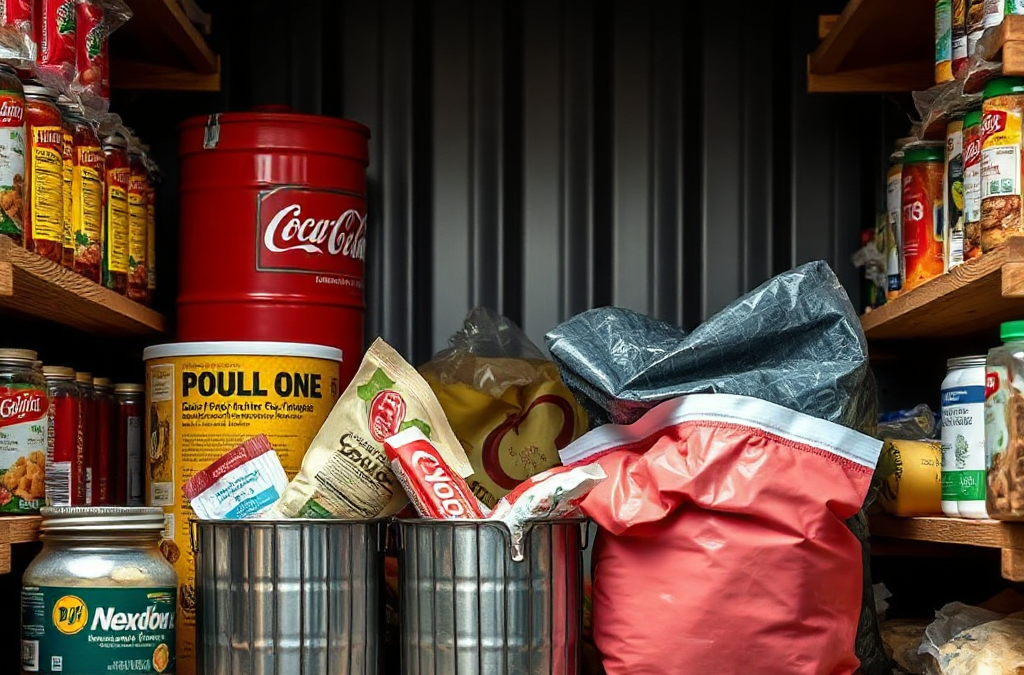
Supply rotation, an essential practice among preppers, involves regularly using and replacing stockpiled resources to prevent expiration and waste. This method ensures that food and supplies remain fresh and usable when needed most. The importance of regular supply rotation cannot be overstated, as it maximizes resources and minimizes the risk of relying on outdated supplies during emergencies.
Proper supply rotation is particularly crucial for perishable items, such as canned goods and freeze-dried foods, which can have limited shelf lives. By consistently checking expiration dates and utilizing older items first, preppers can maintain a reliable stockpile that is ready for any situation. This practice not only fosters efficiency but also promotes a proactive approach to emergency preparedness.
Methods for Effective Supply Rotation
Implementing effective supply rotation methods can significantly impact the longevity and usability of stockpiled supplies. One popular technique is the FIFO (First In, First Out) method, which involves organizing supplies so that older items are used before newer ones. This method is particularly effective for canned goods and other items with expiration dates.
Another approach is to label supplies with purchase dates or expiration dates to ensure that preppers can easily identify which items need to be used first. Additionally, maintaining a well-organized storage area can help facilitate efficient rotation, making it easier to access older supplies. Regularly scheduled inventory checks can also assist in identifying items that are nearing expiration and require immediate use.
Common Mistakes in Supply Management
Many preppers fall into common pitfalls when managing their supplies, which can lead to wasted resources and ineffective preparedness. One significant mistake is neglecting to regularly check expiration dates, resulting in outdated supplies that are no longer safe for consumption. This oversight can have serious consequences during emergencies when reliable resources are needed most.
Another frequent error is overstocking items without considering their shelf life. Preppers may accumulate supplies, thinking they will always be available, but failing to rotate them effectively can lead to waste. To avoid these mistakes, preppers should establish a routine for checking supplies and consider implementing a system for tracking expiration dates to ensure that all items are utilized effectively.
The Role of Inventory Tracking
Inventory tracking plays a vital role in maintaining an effective supply rotation system. By keeping a detailed list of all stockpiled supplies, preppers can easily monitor expiration dates and identify which items need to be used or replaced. This practice not only helps prevent waste but also ensures that preppers are aware of their resource levels during emergencies.
There are various methods for tracking inventory, ranging from simple written logs to digital inventory management apps. Choosing a method that fits individual needs and lifestyles can make supply management more efficient. Regularly updating inventory records and conducting physical checks of supplies can help preppers stay organized and prepared for any situation.
Frequently Asked Questions
What is supply rotation?
Supply rotation is the practice of using older stock first to prevent expiration and waste, ensuring that supplies remain usable during emergencies.
Why is regular supply rotation important for preppers?
Regular supply rotation helps maintain the freshness and safety of stockpiled food and resources, ensuring they are ready for use when needed.
How can I implement supply rotation effectively?
Implementing supply rotation can be done using the FIFO method, labeling supplies with dates, and regularly checking inventory to prioritize older items.
What are common mistakes in supply management?
Common mistakes include neglecting to check expiration dates and overstocking items without effective rotation, leading to waste and expired supplies.
How does inventory tracking help with supply rotation?
Inventory tracking allows preppers to monitor expiration dates and resource levels, ensuring that supplies are used effectively and waste is minimized.
Further Reading
For those looking to delve deeper into supply management and rotation practices, consider exploring reputable resources that offer detailed insights and techniques to enhance preparedness.
Information on regulations and practices that promote food safety and effective supply management
Conclusion
Regular supply rotation is a critical practice for preppers to ensure that their stockpiled resources remain safe and effective. By implementing effective rotation methods, tracking inventory, and avoiding common mistakes, preppers can enhance their preparedness efforts and maximize the usability of their supplies. Prioritizing these practices will help ensure that essential items are always ready for emergencies, ultimately supporting long-term preparedness goals.
To effectively tailor your emergency kit for family needs, it’s crucial to assess the specific requirements of each family member. Start by considering their age, health conditions, and any potential preferences or dislikes. For instance, infants will require baby formula and diapers, while teenagers may need personal items. Additionally, understanding any special needs or health issues, such as allergies or chronic illnesses, will help in selecting appropriate supplies.
Conducting a family meeting can be beneficial to discuss these needs openly. This process not only helps identify what everyone requires but also fosters a sense of responsibility and preparedness among family members. By involving everyone, you can ensure that the kit is comprehensive and meets the diverse needs within your household.
Essential Supplies for Different Age Groups
When assembling your emergency kit, it’s vital to include age-appropriate supplies tailored to different family members. For infants, consider necessities such as baby formula, bottles, diapers, and wipes. Toddlers may need snacks, toys, and comfort items, while school-aged children might benefit from educational materials and games to keep them occupied during stressful times.
Teenagers, on the other hand, may prefer personal hygiene items, such as sanitary products and toiletries, along with their favorite snacks or entertainment options. Including a mix of practical and comforting supplies will help maintain morale and ensure that everyone feels supported during emergencies.
Health Considerations and Special Requirements
Health considerations are paramount when tailoring your emergency kit. If any family members have specific medical needs, such as prescribed medications or dietary restrictions, be sure to include these in your kit. Medications should be stored in their original containers, clearly labeled, and checked regularly for expiration dates.
Additionally, consider including items for individuals with allergies, such as EpiPens or specific allergy medications. If you have pets, ensure you have pet food, medications, and supplies for their care as well. Failing to account for health needs can lead to complications during a crisis, so it’s essential to prepare accordingly.
Organizing and Storing Your Emergency Kit
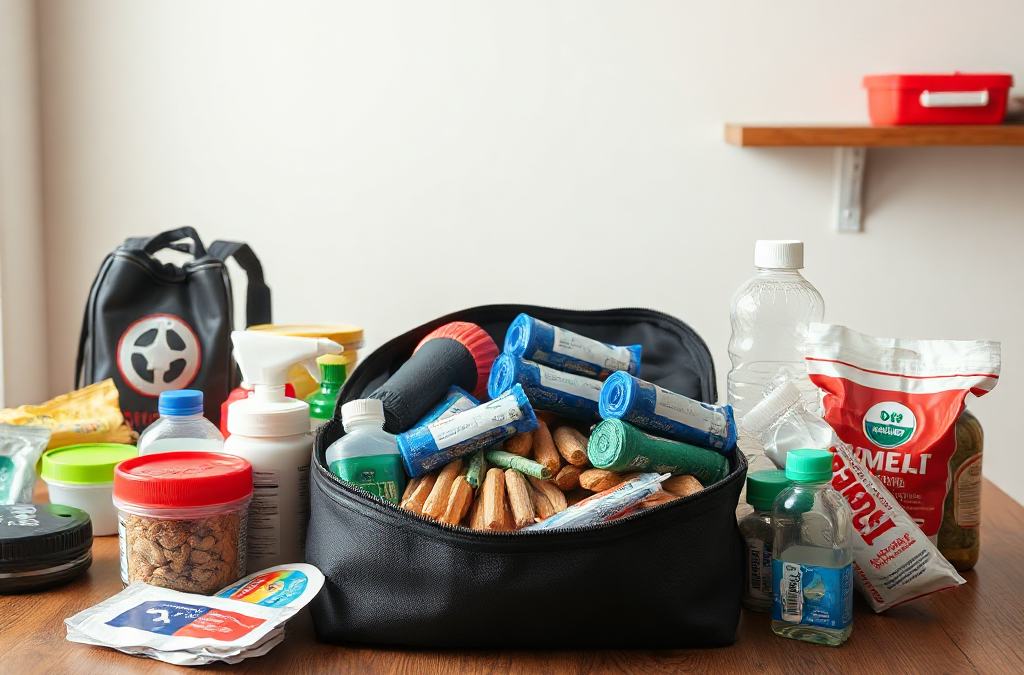
Once you have compiled the necessary supplies, organizing and storing your emergency kit effectively is crucial. Use a sturdy, waterproof container that is easily accessible. Label the container clearly and keep it in a designated location known to all family members. Regular checks should be scheduled to update supplies and replace expired items.
Consider creating a checklist of contents to ensure nothing is overlooked during restocking. This practice not only keeps the kit organized but also helps in training family members on what is in the kit and how to use it. Engaging everyone in this process can enhance preparedness and confidence in handling emergencies.
Frequently Asked Questions
What should I include in an emergency kit for children?
Include age-appropriate items such as snacks, toys, diapers, and any necessary medications.
How often should I check my emergency kit?
It's recommended to check your emergency kit every six months to replace expired items and update supplies.
Can I include pet supplies in my emergency kit?
Yes, include enough pet food, medications, and supplies to care for your pets during emergencies.
What if someone in my family has special medical needs?
Ensure to include any prescribed medications, special dietary needs, and necessary medical equipment in the kit.
How can I make my emergency kit more accessible?
Store your emergency kit in an easily accessible location and ensure all family members know where it is kept.
Provides essential items to include in emergency kits tailored for different situations
Conclusion
Tailoring your emergency kit for family needs is essential for ensuring the safety and well-being of all members during a crisis. By assessing individual requirements, including age-appropriate supplies, and considering health needs, you can create a comprehensive kit that effectively meets everyone’s needs. Regularly updating the kit and involving family members in the process will enhance preparedness and confidence in handling emergencies. Take action today to ensure your family is ready for any situation.