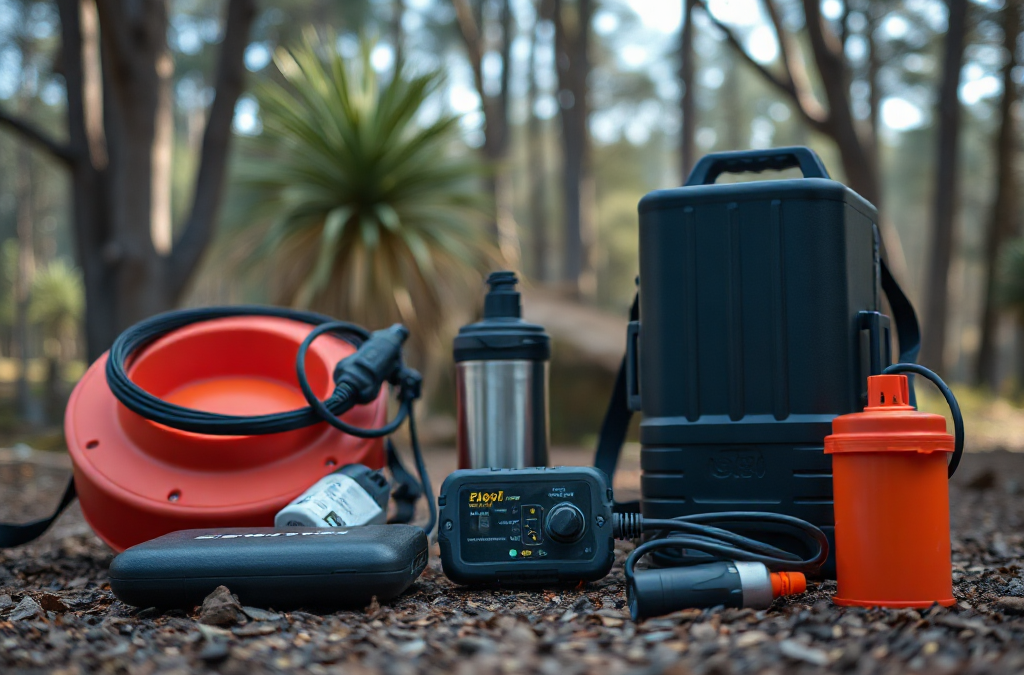
Portable power sources are vital for preparedness, especially in emergency situations where access to electricity is compromised. These devices ensure that essential equipment remains functional, supporting communication, medical needs, and basic lighting. Their importance cannot be overstated, as they bridge the gap between a reliable power supply and the unpredictable nature of disaster scenarios.
In prepping, it’s crucial to recognize that not all power sources are created equal. Each type has its unique strengths and weaknesses, which can significantly impact your emergency response. For instance, during a power outage, a portable power source can mean the difference between maintaining critical operations or being left in the dark.
Types of Portable Power Sources
Portable power sources can be broadly categorized into three main types: solar-powered systems, battery-operated devices, and generators. Each type serves different needs and comes with its own set of advantages and limitations.
Solar-Powered Systems: These are ideal for long-term prepping scenarios where sustainability is key. Solar panels can recharge batteries during the day, providing a renewable energy source. However, their efficiency can be weather-dependent, making them less reliable during prolonged cloudy conditions.
Battery-Operated Devices: Batteries can be a quick solution for short-term power needs. They are easy to transport and can power small devices such as lights, radios, and phones. The main drawback is their limited capacity and the need for recharging, which may not be feasible during extended outages.
Generators: Generators can provide substantial power and are excellent for heavy-duty needs, such as running refrigerators or medical equipment. However, they require fuel, which can be a challenge to store and transport. Additionally, they can be noisy and produce emissions, requiring proper ventilation.
Choosing the Right Power Source for Your Needs
When selecting a portable power source, consider your specific needs and the scenarios you are preparing for. Start by assessing the essential devices you need to power during an emergency. This could include medical equipment, communication devices, or basic lighting.
Next, evaluate the duration you expect to be without traditional power. For short outages, battery-operated devices may suffice, while long-term scenarios may require a combination of solar and generator power. Additionally, consider the portability of the device—how easy it is to transport and set up can influence your choice.
Finally, assess the space and resources available for storage. Some power sources, like large generators, require more space and fuel storage than smaller battery packs or solar setups, which may be more suitable for confined living situations.
Common Mistakes to Avoid When Using Portable Power Sources
One common mistake is underestimating the power needs of essential devices. Always calculate the wattage requirements of your devices to ensure that your power source can handle the load. Failing to do so can lead to overloading the system, resulting in equipment failure or damage.
Another pitfall is neglecting maintenance. Portable power sources require regular checks and maintenance to ensure they function properly when needed. For example, solar panels should be cleaned regularly to maximize efficiency, while batteries need to be charged periodically to maintain their lifespan.
Lastly, many preppers overlook the importance of having a backup plan. Relying solely on one type of power source can be risky. It’s advisable to have multiple options available, so if one fails, you have alternatives to rely on.
Frequently Asked Questions
What is the best portable power source for prepping?
The best portable power source depends on your specific needs. Solar power is great for sustainability, while generators provide high capacity for heavy-duty needs.
How long can a portable power source last?
The duration a portable power source lasts varies by type and usage. Battery-operated sources may last hours, while solar setups can provide ongoing power with proper sunlight.
Are portable generators safe to use indoors?
No, portable generators should never be used indoors due to the risk of carbon monoxide poisoning. Always operate them in well-ventilated outdoor areas.
Can solar power work in cloudy weather?
Yes, solar panels can still generate power in cloudy conditions, but their efficiency will be reduced. It's important to have a battery backup for cloudy days.
What should I consider when storing fuel for a generator?
When storing fuel for a generator, consider safety, expiration dates, and proper storage containers. Keep fuel in a cool, dry place away from ignition sources.
Consumer Reports offers a detailed guide on various portable generators, including features and performance ratings
Conclusion
Portable power sources are indispensable for anyone serious about prepping. Whether you opt for solar panels, batteries, or generators, understanding their unique benefits and constraints is essential for effective emergency preparedness. Always evaluate your power needs, maintain your equipment, and have a backup plan to ensure you remain powered during critical situations. By making informed decisions about your portable power sources, you can enhance your readiness for any emergency.
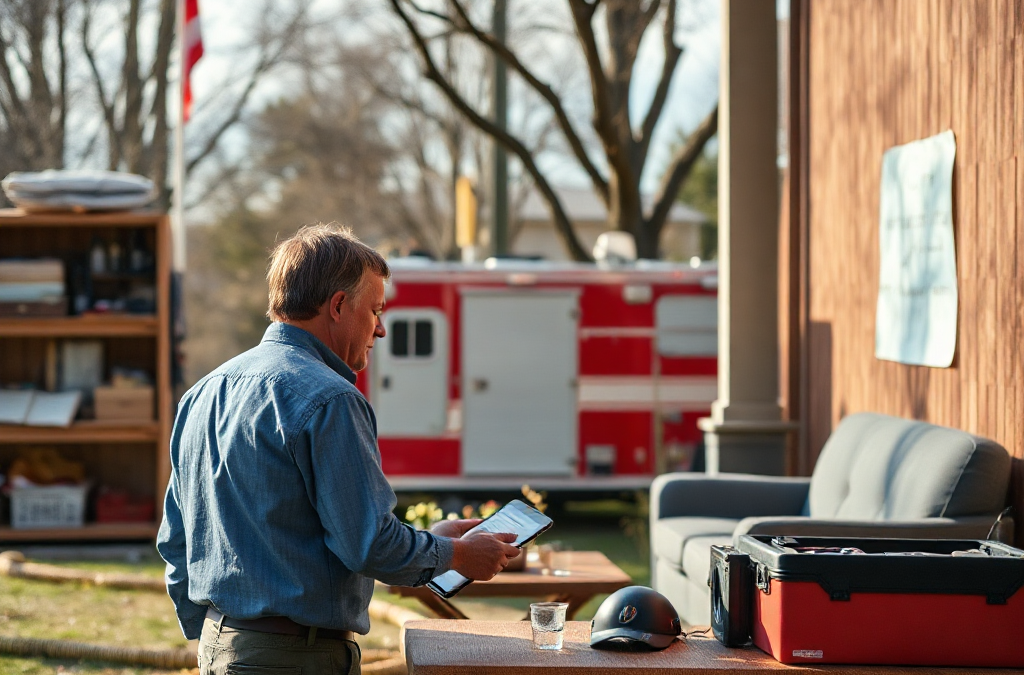
Assessing the impact of a major event involves understanding how it affected your area and your specific situation. This assessment is crucial because it informs the adjustments needed in your emergency plan. Start by evaluating the physical damages, changes in local infrastructure, and any new risks that may have arisen, such as flooding, fire hazards, or structural instability.
Consider conducting a household meeting to discuss observations and experiences during the event. This collaborative approach ensures that everyone’s perspective is included, leading to a more comprehensive understanding of the situation. For example, if a recent hurricane caused flooding in your neighborhood, you might need to revise your evacuation routes and shelter locations. Recognizing these factors and integrating them into your emergency plan is essential for effective preparedness.
Incorporate Lessons Learned
Once you have assessed the impact, the next step is to incorporate lessons learned from the event into your emergency plan. This reflection process is vital because it helps identify what worked well and what did not during the crisis. For instance, if communication methods failed during the event, consider alternative options like text message alerts, social media, or local community groups for updates.
Additionally, reviewing any logistical challenges faced, such as supply shortages or difficulties accessing resources, can lead to better planning. Create a checklist that highlights these lessons and outlines actionable steps to address them. By actively learning from past experiences, you can strengthen your emergency response and increase overall safety for your household.
Update Contacts and Resources
Updating your contacts and resources is a critical part of refining your emergency plan. This includes revising your emergency contact list to ensure it reflects the current situation. Reach out to local authorities, community organizations, and neighbors to gather updated information regarding available resources and support systems.
Consider creating a resource inventory that includes emergency supplies, food, water, and any necessary medical equipment. Ensure that these items are not only up-to-date but also accessible. For example, if you previously stored your emergency kit in a basement that flooded, relocating it to a higher area would be prudent. Regularly reviewing and replenishing your emergency supplies will ensure you are well-prepared for any future events.
Communicate Changes Effectively
Effective communication of changes to your emergency plan is essential for ensuring that all family members are aware and prepared. Schedule a family meeting to discuss the updates, share new contact information, and review any new procedures. This step helps reinforce the importance of being prepared and ensures everyone understands their roles during an emergency.
Consider using visual aids, such as maps or charts, to illustrate evacuation routes and safety procedures. Additionally, practice drills can be beneficial in cementing the plan in everyone’s mind. Regularly revisiting these discussions and drills fosters a culture of preparedness within your household, reducing panic and confusion during an actual emergency.
Frequently Asked Questions
What should I include in my updated emergency plan?
Your updated emergency plan should include new evacuation routes, updated contact information, resources, and any lessons learned from recent events.
How often should I review my emergency plan?
It's recommended to review your emergency plan at least once a year or after a major event to ensure its effectiveness and relevance.
How can I ensure my family understands the updated plan?
Hold a family meeting to discuss the updates and conduct practice drills to reinforce understanding and preparedness.
Why is it important to update my emergency plan after a major event?
Updating your emergency plan ensures it reflects current risks and resources, enhancing your family's safety and preparedness for future emergencies.
Federal Emergency Management Agency provides guidelines and resources for disaster preparedness and response
Conclusion
Updating your emergency plan after a major event is an essential step in enhancing your preparedness. By assessing the impact, incorporating lessons learned, updating contacts and resources, and effectively communicating changes, you can create a robust plan tailored to your current situation. Regular reviews and practice drills will ensure your family remains informed and ready to respond effectively during future emergencies.
Mental resilience refers to the ability to adapt to stressful situations and bounce back from adversity. In disaster situations, this quality is essential as it allows individuals to manage their emotions, maintain clarity of thought, and make sound decisions under pressure. Understanding the components of mental resilience, such as emotional regulation, optimism, and adaptability, is vital for anyone preparing for potential crises.
Resilience is not an innate trait but rather a skill that can be developed over time. Individuals who cultivate resilience can better cope with the uncertainties and challenges posed by disasters. This development involves recognizing personal strengths and weaknesses, which helps create a tailored approach to building resilience. Effective training programs can teach these skills, enabling individuals to face crises with greater confidence.
The Role of Mental Resilience in Crisis Management
Mental resilience plays a key role in crisis management by enhancing decision-making processes during disasters. Resilient individuals are less likely to succumb to panic, which often leads to poor choices that can exacerbate a situation. Instead, they can evaluate risks, prioritize actions, and implement effective solutions quickly. This ability to remain composed is crucial when lives are at stake.
Moreover, mental resilience fosters teamwork and communication in group settings, which is often essential during disasters. Effective leaders exhibit resilience, inspiring confidence in their teams. Recognizing the importance of mental resilience in crisis management highlights the need for training and preparation in communities, workplaces, and emergency services.
Techniques to Build Mental Resilience
Building mental resilience involves various techniques that can be practiced in everyday life. One effective method is cognitive restructuring, which involves changing negative thought patterns into more positive, constructive ones. This practice helps individuals reframe challenges as opportunities for growth rather than insurmountable obstacles.
Mindfulness and stress-reduction techniques, such as meditation or yoga, can also significantly enhance resilience. These practices help individuals manage anxiety and improve focus, enabling them to respond more effectively during crises. Additionally, fostering strong social connections provides emotional support, which is essential for maintaining resilience in tough times.
Common Pitfalls in Disaster Situations
Despite the importance of mental resilience, individuals often fall into common pitfalls during disasters. One major issue is the tendency to panic, which can cloud judgment and lead to rash decisions. Recognizing the signs of panic and employing coping strategies can help mitigate this risk.
Another pitfall is the failure to communicate effectively. In disaster situations, clear communication is critical for coordinating efforts and ensuring safety. Individuals must practice assertiveness and clarity when conveying information to avoid misunderstandings that could worsen the situation. Training in communication skills can enhance resilience and improve outcomes in emergencies.
Understanding more about mental resilience can provide valuable insights for individuals looking to enhance their ability to cope with disasters. Consider exploring resources from recognized psychological organizations or emergency management agencies for comprehensive strategies and guidance.
Frequently Asked Questions
What is mental resilience?
Mental resilience is the ability to adapt to stressful situations and recover from setbacks, allowing individuals to cope effectively during disasters.
Why is mental resilience important in disasters?
It is crucial for maintaining composure, enhancing decision-making, and fostering effective communication during crises, ultimately improving outcomes.
How can I build mental resilience?
Techniques include cognitive restructuring, mindfulness practices, and fostering social connections that provide emotional support during tough times.
What are common mistakes people make during disasters?
Common mistakes include panicking, failing to communicate effectively, and not utilizing available resources, which can exacerbate the situation.
How does resilience affect teamwork in disasters?
Resilience enhances teamwork by fostering clear communication and effective leadership, which are essential for coordinated responses in emergencies.
National preparedness resources for planning, mitigation, and response readiness
Conclusion
Mental resilience is a vital component in effectively navigating disaster situations. By understanding its significance and implementing strategies to build resilience, individuals can enhance their ability to cope with crises. Recognizing common pitfalls and preparing for them can further improve outcomes during emergencies. Prioritizing mental resilience training can empower individuals and communities to face disasters with confidence and composure.
Establishing clear protocols is vital for ensuring your emergency communication plan works effectively. This involves defining specific roles and responsibilities among team members, which helps eliminate confusion during critical moments. For instance, identifying a communication lead who is responsible for disseminating information can streamline the process and ensure accurate messaging. Additionally, protocols should detail the types of emergencies covered and the corresponding communication steps for each scenario.
Common mistakes in this area include vague role definitions and failure to update protocols as personnel change. It’s crucial to review and revise these protocols regularly, particularly after drills or real incidents, to incorporate lessons learned and adapt to new challenges. An effective approach is to create a flowchart that visually represents the communication process, making it easier for all team members to understand their responsibilities.
Leveraging Diverse Communication Tools
Utilizing a variety of communication tools enhances the effectiveness of your emergency communication plan. Depending solely on one method can lead to failures in reaching all stakeholders. For example, combining traditional methods like phone calls with digital tools such as text messaging, social media, and dedicated apps can ensure that messages reach individuals regardless of their preferred communication channels.
When selecting tools, consider factors such as accessibility, user-friendliness, and the specific needs of your audience. A typical oversight is underestimating the importance of redundancy; having backup communication systems in place can be critical if primary channels fail. Regularly testing these tools during drills can help identify potential shortcomings and allow for adjustments before an actual emergency occurs.
Conducting Regular Drills and Training
Regular drills and training sessions are essential for ensuring that your emergency communication plan functions smoothly under pressure. These exercises provide a practical environment for team members to familiarize themselves with the protocols, tools, and their roles. They also help identify gaps in the plan and areas for improvement.
It’s important to vary the scenarios during drills to cover different types of emergencies, such as natural disasters, cybersecurity incidents, or public health crises. This diversity prepares the team for unexpected situations. Additionally, consider involving external stakeholders, such as local emergency services, to provide feedback and enhance collaboration. A common pitfall is conducting drills infrequently, which can lead to complacency and reduced effectiveness during real emergencies.
For additional insights into developing effective emergency communication strategies, consider consulting resources from recognized organizations such as the Federal Emergency Management Agency (FEMA) or the National Institute of Standards and Technology (NIST).
Frequently Asked Questions
What are the key components of an effective emergency communication plan?
Key components include clear protocols, defined roles, diverse communication tools, and regular training and drills.
How often should emergency communication drills be conducted?
Drills should be conducted at least twice a year to ensure all team members are familiar with the protocols and tools.
What communication tools are most effective during emergencies?
Effective tools include text messaging, social media, email, and dedicated emergency apps to reach various audiences.
How can I test the effectiveness of my emergency communication plan?
Testing can be done through simulations and drills, where you evaluate response times, message clarity, and overall team coordination.
What common mistakes should be avoided in emergency communication planning?
Common mistakes include vague role definitions, reliance on a single communication method, and infrequent testing of the plan.
National preparedness resources for planning, mitigation, and response readiness
Conclusion
Ensuring your emergency communication plan works requires a proactive approach that includes establishing clear protocols, leveraging diverse tools, and conducting regular drills. By prioritizing these elements, organizations can enhance their preparedness and responsiveness during emergencies. Continuous evaluation and adaptation of the plan based on real-world experiences are essential for maintaining effectiveness. Consider engaging with stakeholders and experts to further refine your strategies and ensure robust communication in times of crisis.
Local self-defense laws are critical to understanding what personal protection measures are permissible in a given area. These laws can vary significantly from one jurisdiction to another, affecting everything from the types of weapons permitted to the legal definitions of self-defense. For example, some states allow for the open carry of firearms, while others impose strict regulations on concealed carry. Understanding these nuances is essential for anyone considering self-defense supplies.
Moreover, local laws often reflect the community’s values and concerns regarding safety and crime. For instance, areas with higher crime rates might have more lenient laws regarding self-defense weapons, while others may impose stricter regulations. Familiarizing oneself with these laws not only helps in compliance but also informs individuals about their rights and responsibilities concerning self-defense.
Types of Self-Defense Supplies and Their Regulations
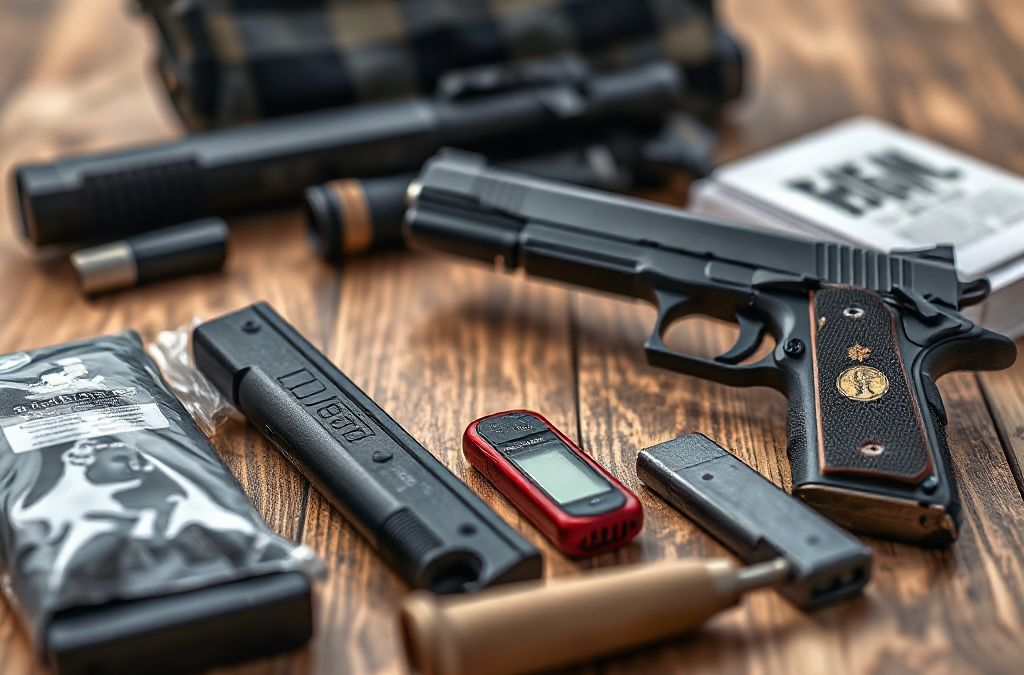
The types of self-defense supplies available to individuals can include firearms, pepper spray, stun guns, and personal alarms, each governed by different regulations. Firearms, for example, often require permits, background checks, and registration, reflecting the stringent regulations surrounding their use. In contrast, items like pepper spray may have fewer restrictions but can still be subject to local laws regarding size and concentration.
For instance, in some states, carrying a stun gun is legal, but it may be restricted in certain public spaces such as schools or government buildings. Understanding the specific laws that apply to each type of self-defense supply is crucial to ensure compliance and avoid legal issues.
Consequences of Non-Compliance
Failing to comply with local laws regarding self-defense supplies can lead to severe consequences, including criminal charges, fines, and potential imprisonment. For example, possessing a firearm without the necessary permits can result in felony charges, which may carry significant penalties. Additionally, using a self-defense supply in a manner deemed unlawful can lead to civil liability, further complicating the legal landscape for individuals.
Moreover, violations can have long-lasting repercussions, affecting an individual’s ability to purchase firearms or self-defense items in the future. Understanding the potential consequences of non-compliance underscores the importance of staying informed about local regulations and adhering to them strictly.
Practical Considerations for Compliance
To ensure compliance with local laws regarding self-defense supplies, individuals should take several practical steps. First, it is advisable to research local laws thoroughly, including any recent changes or updates. This can often be done through official government websites or local law enforcement agencies.
Second, individuals should consider attending workshops or training sessions on self-defense, which can provide valuable insights into legal rights and responsibilities. These sessions often cover not only the legal aspects but also practical applications of self-defense supplies in real scenarios.
Lastly, consulting with legal professionals who specialize in self-defense law can provide tailored advice and help navigate complex legal issues. By taking these steps, individuals can better equip themselves to make informed decisions about their self-defense supplies while remaining compliant with local laws.
Frequently Asked Questions
What types of self-defense supplies are legal in my area?
The legality of self-defense supplies varies by location; check local laws for specifics on firearms, pepper spray, and other items.
How can I find out about local self-defense laws?
Consult local government websites or legal resources to stay updated on self-defense laws in your area.
What are the penalties for violating self-defense supply laws?
Penalties can include fines, confiscation of supplies, and even criminal charges, depending on the violation.
Do I need a permit for self-defense weapons?
Many jurisdictions require permits for firearms; however, regulations for other self-defense supplies may vary.
Can I use self-defense supplies in any situation?
Self-defense supplies should only be used in life-threatening situations; misuse can lead to legal consequences.
This organization offers insights into gun violence prevention and related legal resources
Conclusion
Understanding the impact of local laws on self-defense supplies is essential for anyone interested in personal protection. Individuals must stay informed about regulations to ensure compliance and avoid severe penalties. By taking proactive steps such as researching local laws, attending training sessions, and consulting legal experts, individuals can make informed decisions about their self-defense supplies while adhering to legal requirements.
Winter months can bring severe weather conditions, leading to power outages that disrupt daily life. Understanding these risks is essential for effective preparedness. Ice storms, heavy snowfall, and high winds can down power lines, causing extended outages. In regions prone to such conditions, knowing the specific risks can help you prioritize your preparations.
One common misconception is that power outages are short-lived and manageable. In reality, outages can last for days, especially during severe winter storms. This reality underscores the importance of having a robust emergency plan and adequate supplies to sustain yourself and your family during prolonged outages.
Essential Supplies for Winter Preparedness
Having the right supplies is crucial for surviving winter power outages. Start by creating an emergency supply kit that includes non-perishable foods, bottled water, a flashlight, batteries, a first aid kit, and personal hygiene items. Consider items like canned goods, dried fruits, and nuts as they have a long shelf life and require no cooking.
Additionally, include blankets and warm clothing in your kit to maintain body heat. A battery-powered or hand-crank radio can provide critical updates during an outage, while a multi-tool can assist with various tasks. Regularly check your supplies and replace expired items to ensure they are ready when needed.
Heating Alternatives During Outages
Maintaining warmth during a winter power outage is vital for safety. Explore heating alternatives such as portable propane heaters or wood stoves, ensuring they are used in well-ventilated areas to prevent carbon monoxide buildup. If using a generator, follow safety protocols to avoid electrical hazards.
Consider insulating your home effectively to retain heat. Use heavy curtains, draft stoppers, and weather stripping on doors and windows to minimize heat loss. This approach not only keeps your living space warmer but also reduces the energy needed to maintain a comfortable environment when power is restored.
Communication and Emergency Plans
Establishing a communication plan is essential for staying informed during power outages. Share your plan with family members, ensuring everyone knows how to reach each other in case of an emergency. Keep a list of important contacts, including local emergency services, neighbors, and family members.
Additionally, consider designating a meeting place where family members can gather if separated. Regularly review and practice your emergency plan to ensure everyone is prepared and knows what to do during a power outage. Awareness and preparation can significantly reduce panic and confusion during an actual event.
Frequently Asked Questions
What should I include in my winter power outage kit?
Your kit should include non-perishable food, water, blankets, a flashlight, batteries, a first aid kit, and personal hygiene items.
How can I keep warm during a power outage?
Use alternative heating sources like propane heaters or wood stoves, ensuring they are well-ventilated, and insulate your home effectively to retain heat.
How long can power outages last in winter?
Power outages can last from a few hours to several days, depending on the severity of the weather conditions and the extent of damage to power infrastructure.
What is the best way to stay informed during an outage?
Keep a battery-powered or hand-crank radio to receive updates and alerts from local authorities during an outage.
Why is it important to have a communication plan?
A communication plan ensures that family members can reach each other and stay informed about safety measures during an emergency.
Academic search resource for finding research literature and source material
Conclusion
Preparing for power outages during winter months involves understanding the risks, gathering essential supplies, finding heating alternatives, and developing a communication plan. Prioritize stocking non-perishable food, water, and blankets while ensuring your home is insulated against the cold. By taking these proactive steps, you can enhance your safety and comfort during winter outages, reducing the impact on your daily life.