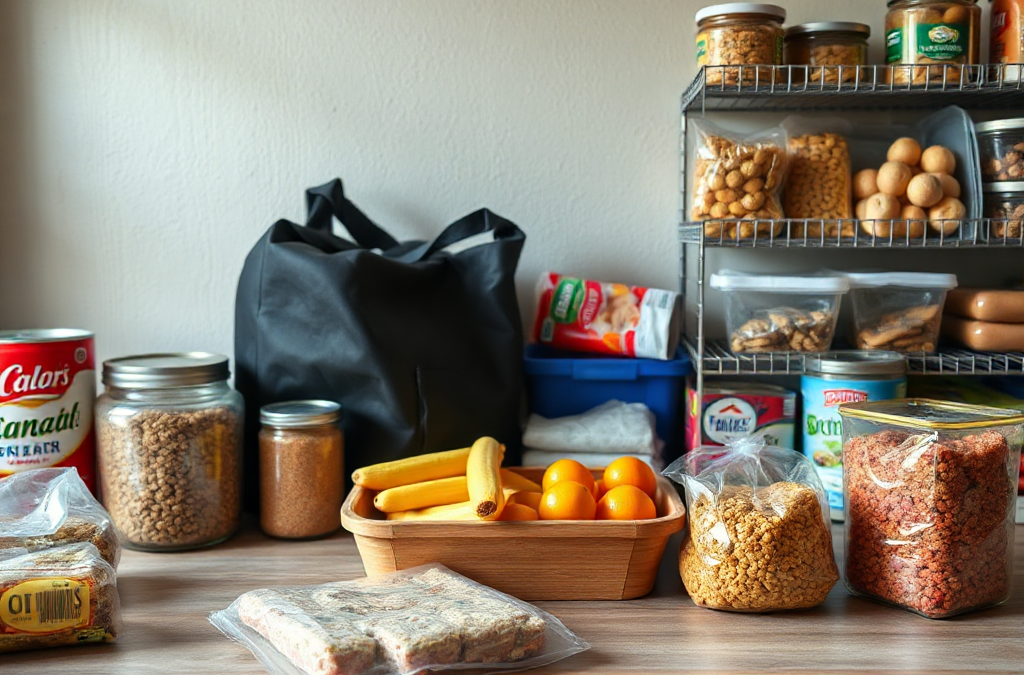
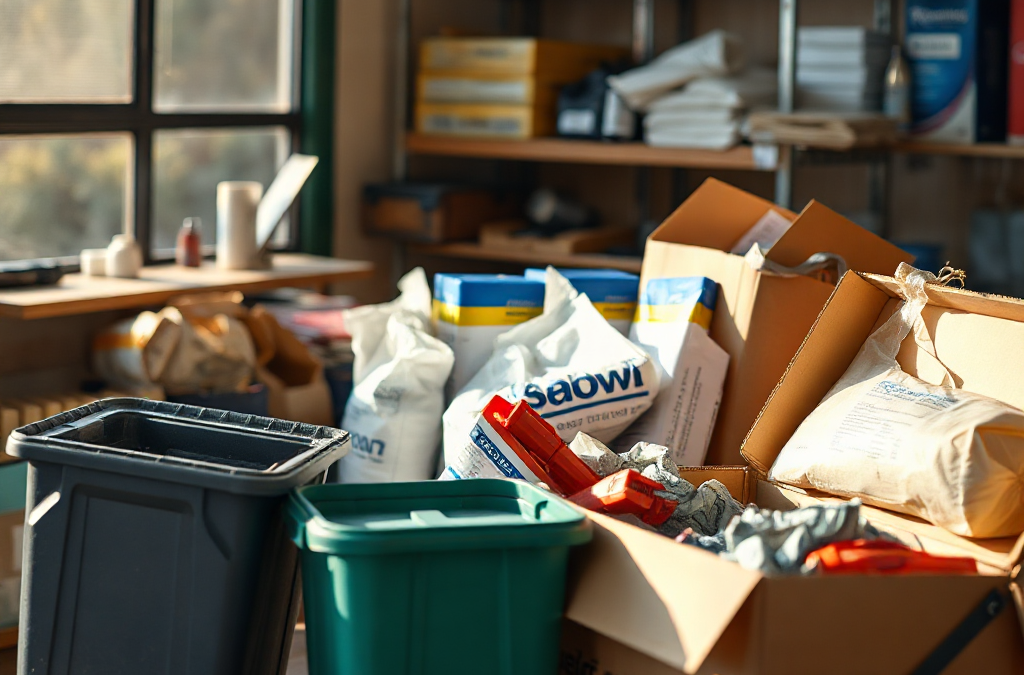
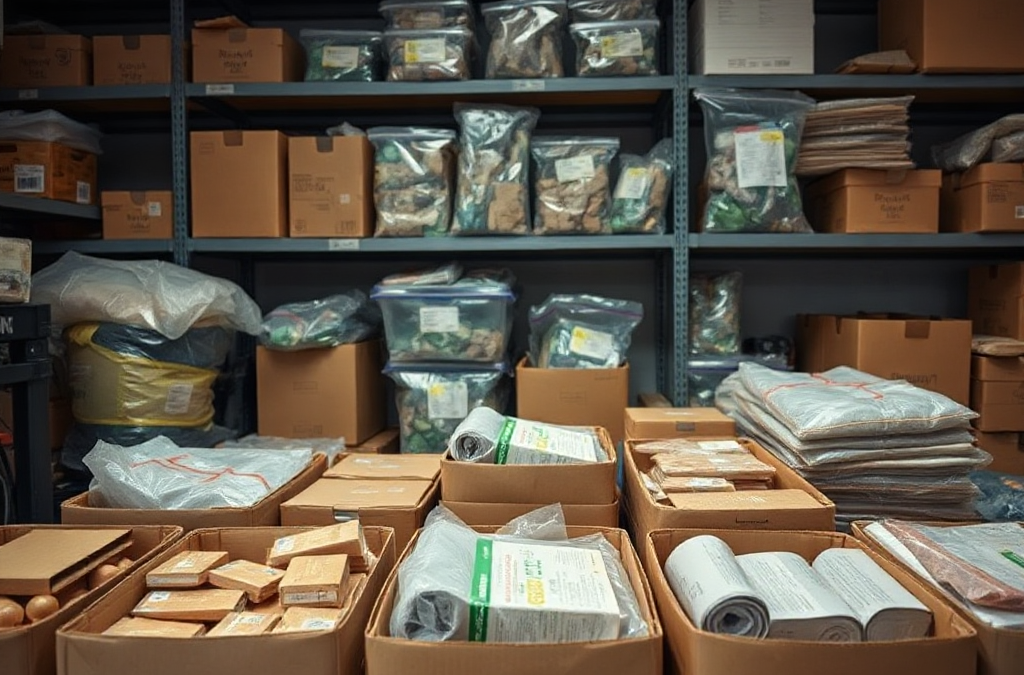
Understanding your household’s needs is the first step in determining the right amount of food storage. Start by evaluating the number of people in your household and their specific dietary requirements. For instance, families with children or individuals with dietary restrictions may need to store different types of food compared to an adult-only household. This assessment helps to create a tailored food storage plan that meets everyone’s needs.
Additionally, consider your lifestyle and eating habits. If your household frequently eats out or has irregular meal patterns, you might need less stored food compared to a household that primarily cooks at home. Regularly tracking your food usage can provide valuable insights into how much food you should store.
Calculating Food Quantities
Calculating food quantities involves understanding how much food you need per person, per day, and for the duration you want to be prepared. A common guideline suggests storing at least a two-week supply of food for emergencies, but many experts recommend aiming for a three-month supply for greater security.
A practical method to calculate this is to use a meal planning approach. Determine the number of meals you typically consume each week, multiply that by the number of weeks you want to prepare for, and then factor in snacks and beverages. For example, if a household of four consumes three meals a day, that translates to 84 meals per week. Multiply that by the number of weeks you wish to prepare for, and you can estimate the total food quantity needed.
Understanding Nutritional Requirements
Nutritional balance is crucial when determining the right amount of food storage. It’s essential to include a variety of food types to meet the dietary needs of all household members. Aim for a mix of proteins, carbohydrates, fats, vitamins, and minerals.
For example, consider incorporating canned vegetables, grains like rice or pasta, and protein sources such as beans or canned meat. Each category provides essential nutrients, and diversifying your food storage can help prevent deficiencies during prolonged storage periods. It’s also vital to rotate your food stock regularly to ensure freshness and avoid waste.
Storage Conditions and Their Impact
Storage conditions significantly impact the longevity and quality of your food supply. Proper storage is essential to prevent spoilage and ensure that your food remains safe to eat. Factors such as temperature, humidity, and light can all affect food preservation.
For optimal food storage, keep items in a cool, dry place, and use airtight containers to protect against moisture and pests. Regularly inspect your stored food for signs of spoilage or damage, and implement a first-in, first-out system to manage inventory effectively. Understanding these conditions can help you maximize the shelf life of your food supplies.
Frequently Asked Questions
How much food should I store for emergencies?
It's recommended to store at least a two-week supply of food, but many experts suggest aiming for a three-month supply to ensure adequate resources.
What types of food are best for long-term storage?
Foods such as canned goods, dried grains, legumes, and freeze-dried products are excellent choices for long-term storage due to their shelf stability.
How can I ensure my stored food remains fresh?
Store food in a cool, dry place, use airtight containers, and regularly check for spoilage to maintain freshness.
What are the common mistakes in food storage?
Common mistakes include overestimating shelf life, neglecting regular inventory checks, and failing to store a balanced variety of food types.
How do I calculate food needs for my family?
Calculate food needs by assessing the number of meals consumed per week, then multiply that by the number of weeks you want to prepare for.
Public health nutrition guidance and educational resources
Conclusion
Determining the right amount of food storage is essential for preparedness and peace of mind. By assessing your household needs, calculating food quantities, understanding nutritional requirements, and managing storage conditions, you can create a solid food storage plan. Regularly review and adjust your supplies to ensure they meet your family’s evolving needs and preferences.
Understanding the Importance of Mental Health in Prepping
Mental health is a critical component of effective prepping, yet it is frequently overlooked in favor of physical supplies and logistics. The emotional and psychological aspects of preparedness can significantly impact decision-making and overall resilience during emergencies. Ignoring mental health can lead to heightened stress levels, hindered problem-solving abilities, and a reduced capacity to cope with crises. Recognizing the importance of mental well-being is essential for preppers to ensure they are fully equipped to handle unexpected situations.
Prepping often involves planning for worst-case scenarios, which can naturally induce anxiety and stress. By prioritizing mental health, preppers can develop strategies to manage these feelings, ensuring they remain calm and focused during emergencies. This proactive approach not only enhances individual preparedness but also fosters a more resilient mindset, enabling preppers to face challenges with confidence.
Common Mental Health Challenges for Preppers
Preppers may encounter various mental health challenges, including anxiety, depression, and feelings of isolation. The fear of potential disasters can create a persistent state of worry, leading to anxiety disorders if left unaddressed. Additionally, the solitary nature of prepping can foster feelings of loneliness, particularly if individuals do not have a supportive network to share their concerns and experiences.
Another challenge is the pressure to be constantly prepared, which can lead to burnout. The relentless pursuit of gathering supplies and knowledge may result in physical and emotional exhaustion, making it difficult to maintain motivation and focus. Recognizing these challenges is the first step toward effective management, allowing preppers to implement strategies that support their mental health.
Strategies for Maintaining Mental Health
To mitigate the risks associated with poor mental health, preppers should adopt strategies that promote emotional well-being. One effective approach is mindfulness and stress-reduction techniques, such as meditation and deep-breathing exercises. These practices can help preppers manage anxiety and cultivate a sense of calm, making it easier to think clearly during emergencies.
Another important strategy is establishing a routine that incorporates self-care activities. This can include regular physical exercise, adequate sleep, and a balanced diet, all of which contribute to improved mental health. Additionally, engaging in hobbies or activities that bring joy can provide a necessary break from the stresses of prepping and foster a positive mindset.
Building a Supportive Community
Creating and maintaining a supportive community is vital for preppers to address mental health concerns. Connecting with like-minded individuals can reduce feelings of isolation and provide a sense of belonging. Online forums, local meetups, and social media groups can serve as platforms for sharing experiences, advice, and emotional support.
Furthermore, participating in group activities, such as training sessions or workshops, can enhance social connections while also building practical skills. These interactions not only foster camaraderie but also create opportunities for collaborative problem-solving, which can alleviate stress associated with individual preparedness efforts.
Frequently Asked Questions
Why is mental health important in prepping?
Mental health is crucial in prepping as it affects decision-making, stress management, and overall resilience during crises.
What are common mental health challenges faced by preppers?
Common challenges include anxiety, depression, and feelings of isolation, often stemming from the stress of preparing for potential disasters.
How can preppers maintain their mental health?
Preppers can maintain mental health by practicing mindfulness, establishing routines, engaging in self-care, and participating in enjoyable activities.
What role does community play in prepping?
A supportive community helps reduce isolation, provides emotional support, and fosters collaboration among preppers, enhancing overall preparedness.
How can mindfulness help preppers?
Mindfulness techniques can help preppers manage anxiety, improve focus, and cultivate a sense of calm, making it easier to handle stressful situations.
Water storage is a critical component of emergency preparedness, yet many people misunderstand how much water they truly need. The general guideline is to store at least one gallon of water per person per day for a minimum of three days, but ideally, this should extend to two weeks. This requirement encompasses drinking, cooking, and sanitation needs. Misconceptions arise when individuals underestimate their family’s total water needs, often forgetting to account for pets or additional cooking requirements during emergencies.
Moreover, environmental factors can influence water consumption. For instance, during extreme heat or physical exertion, the body requires more hydration. Thus, planning for a larger reserve is advisable. It is also essential to consider the specific needs of vulnerable populations, such as children, the elderly, or those with medical conditions, who may require additional hydration. Understanding these factors helps ensure adequate preparation for any emergency situation.
Choosing the Right Storage Containers
Not all containers are suitable for water storage, and using the wrong type can lead to contamination. Many people mistakenly believe that any plastic container will suffice, but it is crucial to use food-grade containers specifically designed for water storage. These containers are made to withstand the conditions necessary for safe water preservation without leaching harmful chemicals.
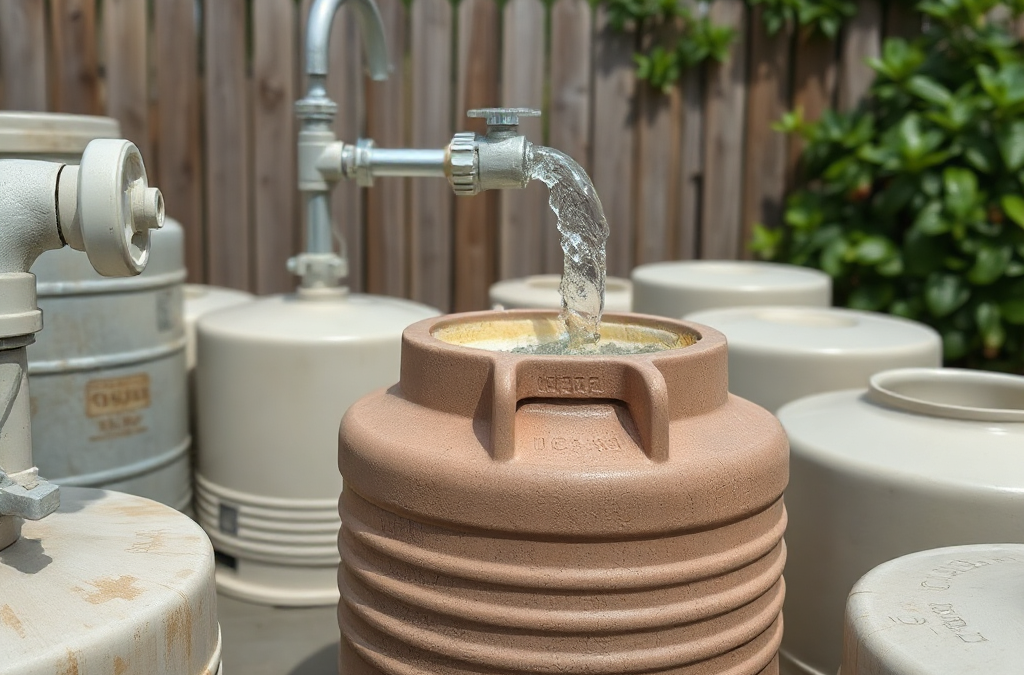
Common options include commercially available water storage barrels, which can hold large quantities and are designed for long-term storage. Alternatively, smaller food-grade plastic bottles can be used for smaller supplies. It’s essential to avoid containers that previously held non-food substances, as residues can contaminate the water. Additionally, storing water in clear containers can lead to algae growth if exposed to sunlight; thus, opaque containers are recommended for long-term storage.
Common Mistakes in Water Storage
Many individuals make critical mistakes emergency water storage. One prevalent misconception is that tap water can be stored indefinitely. In reality, even treated tap water can become contaminated over time, especially if not stored correctly. It is recommended to replace stored water every six months to ensure its safety.
Another common error is neglecting to prepare for water filtration and purification methods. In emergencies, access to clean water may be limited, so having a plan for filtering and treating water is essential. Relying solely on stored water without considering backup purification methods can leave individuals unprepared.
Additionally, some people overlook the importance of labeling their water containers with the storage date. This simple practice helps keep track of when to rotate supplies, ensuring that older water is used first. By addressing these common mistakes, individuals can significantly enhance their emergency water preparedness.
Maintaining Your Water Supply
Proper maintenance of stored water is vital to ensure its safety and usability. Regularly inspecting storage containers for leaks or damage helps prevent contamination. It is advisable to clean and sanitize containers before refilling them with water. A solution of one teaspoon of unscented liquid chlorine bleach per quart of water can effectively sanitize containers.
Furthermore, if water is stored for an extended period, periodic testing for clarity and odor is essential. If the water appears cloudy or has an unusual smell, it should be discarded, and the container should be cleaned before refilling. Ensuring that stored water remains uncontaminated and safe for consumption is paramount for effective emergency preparedness.
Frequently Asked Questions
How long can water be stored safely?
Water can be safely stored for up to six months, after which it should be replaced to ensure safety.
What type of container is best for water storage?
Food-grade plastic containers are the best choice for water storage, as they do not leach harmful chemicals.
Should I treat tap water before storing it?
If the tap water is from a municipal source, it is generally treated and safe to store; however, it is advisable to sanitize containers before filling.
How much water should I store per person?
It is recommended to store at least one gallon of water per person per day for a minimum of three days.
What should I do if my stored water smells bad?
If stored water has a bad smell, it should be discarded, and the container should be cleaned and sanitized before refilling.
Identifying the types of emergencies you may face is crucial for effective supply prioritization. Emergencies can range from natural disasters like hurricanes and earthquakes to health-related crises such as pandemics or chemical spills. Each type requires different preparations and supplies. For instance, a natural disaster may necessitate non-perishable food and water, while a health crisis may require medical supplies and sanitizers.
Understanding the specific risks associated with your location or lifestyle can help you focus your efforts. For example, those living in flood-prone areas should prioritize waterproof storage for supplies, while those in wildfire zones may need to consider smoke masks and fire-resistant materials. By categorizing emergencies, you can better tailor your supply list to meet the unique demands of each scenario.
Assessing Your Needs
Once you understand the types of emergencies you might encounter, the next step is assessing your specific needs. Consider factors such as the number of people in your household, any special medical requirements, and pets. For example, families with young children may need baby formula and diapers, while those with elderly members might require specific medications and mobility aids.
Additionally, think about the duration of potential emergencies. Supplies for a short-term power outage will differ significantly from those needed for a long-term evacuation. A thorough assessment allows for a more personalized approach, ensuring that your supply list addresses the most pressing needs first.
Creating a Prioritized Supply List
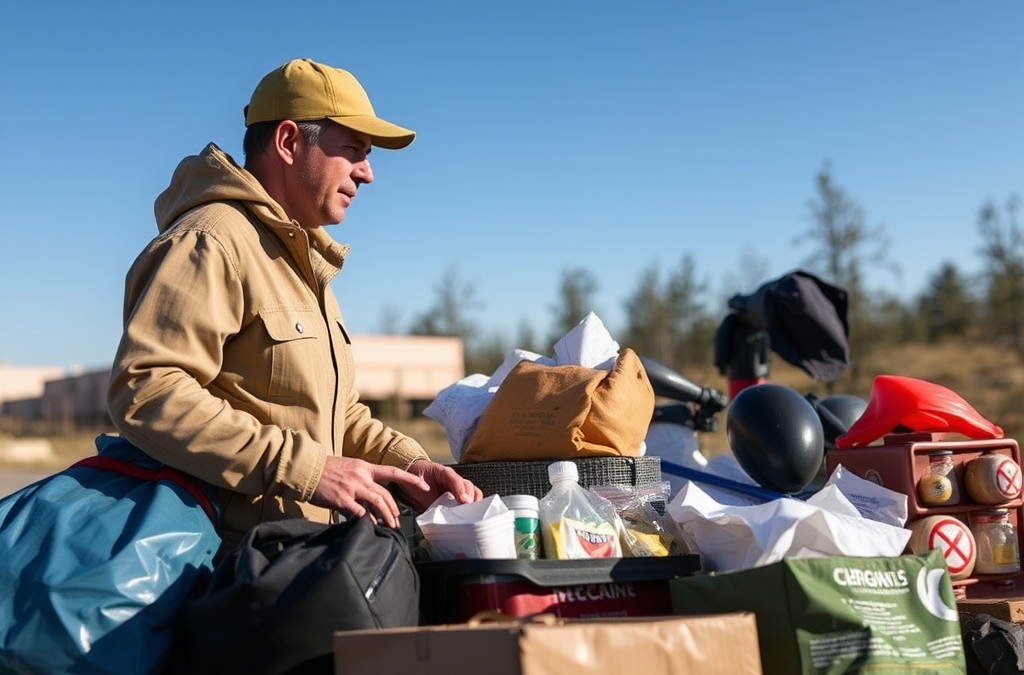
Creating a prioritized supply list involves organizing items based on urgency and necessity. Start with essentials that support basic survival: clean water, non-perishable food, and first aid supplies. Following these, include items that enhance safety and comfort, such as flashlights, batteries, and blankets. It’s wise to categorize supplies into tiers: immediate needs, short-term needs, and long-term supplies.
For example, a tiered approach could look like this:
Immediate Needs: Water, food, first aid kit, medications.
Long-term Supplies: Extra food, tools for repairs, long-term medication supplies.
This structured approach ensures you can easily access the most critical items when time is of the essence.
Common Mistakes to Avoid
When prioritizing supplies for emergencies, it’s important to avoid common pitfalls that can undermine your preparedness. One frequent mistake is overloading on supplies that are not relevant to your specific risks. For instance, stockpiling items like camping gear may not be beneficial during a health crisis.
Another mistake is neglecting to update your supplies regularly. Items can expire or degrade over time, so it’s crucial to rotate stock and replace outdated supplies. Additionally, failing to practice emergency drills can lead to confusion during an actual emergency, rendering your preparation ineffective. Regularly review your supply list and practice using your supplies to ensure readiness.
Frequently Asked Questions
What should I include in my emergency supply kit?
Essential items include water, non-perishable food, a first aid kit, medications, a flashlight, batteries, and hygiene products.
How often should I check my emergency supplies?
It's advisable to review and update your emergency supplies at least every six months to ensure everything is current and functional.
How can I prioritize supplies for different emergencies?
Assess the types of emergencies you might face, then create a tiered list of supplies based on urgency and necessity for each scenario.
What are common mistakes in emergency preparedness?
Common mistakes include stockpiling irrelevant items, neglecting to update supplies, and failing to practice emergency drills.
How much water should I store for emergencies?
A general guideline is to store one gallon of water per person per day for at least three days, for drinking and sanitation.
Access information on health-related emergencies and necessary supplies
Conclusion
Prioritizing supplies for specific emergencies is essential for effective preparedness. By understanding the types of emergencies you may face and assessing your needs, you can create a tailored supply list that meets your most pressing demands. Regularly update your supplies and practice emergency responses to enhance your readiness. Taking these steps ensures that you will be well-equipped to handle any crisis that arises.
Understanding the Initial Costs of Prepping Supplies
The hidden costs of prepping supplies begin with the initial investment needed to acquire essential items. While many focus solely on the price tags of food, gear, and tools, it’s vital to recognize that these costs can multiply quickly. For instance, buying bulk food supplies might seem economical, but if you factor in the need for proper storage containers, oxygen absorbers, and moisture control, the expenses can escalate. Additionally, specialized equipment like water purifiers or solar generators can significantly impact your budget.
Another aspect to consider is the quality of the supplies you choose. Cheaper options may save money upfront but could lead to higher long-term costs due to lower effectiveness or shorter shelf life. Investing in quality gear and food can mitigate future expenses related to replacements or failures, but this requires careful planning and research to ensure you’re making wise choices.
Ongoing Expenses: Storage and Maintenance
Once you’ve acquired prepping supplies, ongoing expenses related to their storage and maintenance become apparent. Many preppers underestimate the cost of adequate storage solutions. Properly storing supplies requires not only space but also climate control to prevent degradation. For example, storing canned goods in a damp basement can lead to rusting and spoilage, while extreme heat can compromise food quality.
Moreover, routine maintenance is crucial for items like generators and fire-starting tools. Regular checks and potential repairs can add to your overall costs. Failure to account for these ongoing expenses can lead to unpreparedness during emergencies, as malfunctioning equipment can compromise your readiness.
Spoilage and Replacement Costs
Spoilage is a significant hidden cost that preppers often overlook. Food items, even those with long shelf lives, can spoil if not stored correctly, leading to wasted resources. For instance, freeze-dried foods may last for years, but once opened, they have a limited window of usability. Understanding the rotation of supplies and implementing a ‘first in, first out’ system is essential to minimize spoilage.
Replacement costs also factor into long-term prepping strategies. Emergency supplies may need to be replaced after a certain period, especially perishable items or batteries. Budgeting for these replacements is crucial to maintain a state of readiness without unexpected financial strain.
Assessing Your Budget for Long-Term Preparedness
To effectively manage the hidden costs of prepping supplies, a thorough budget assessment is necessary. Start by listing all potential expenses, from initial purchases to ongoing maintenance and replacement costs. This comprehensive view can help identify areas where you might be overspending or where savings can be made.
Consider creating a prioritization framework for your supplies, focusing on what is essential versus what is nice to have. This approach can help you allocate funds more efficiently and ensure that you’re investing in supplies that will provide the most benefit during an emergency. Regularly reviewing and adjusting your budget can also help you stay on track and prepared without breaking the bank.
Frequently Asked Questions
What are the most common hidden costs of prepping supplies?
Common hidden costs include storage solutions, maintenance of gear, spoilage of food items, and replacement of expired supplies.
How can I minimize spoilage in my prepping supplies?
To minimize spoilage, store supplies in a cool, dry place, use airtight containers, and implement a rotation system for perishable items.
What types of storage solutions are best for prepping supplies?
Optimal storage solutions include climate-controlled rooms, vacuum-sealed bags, and food-grade buckets for long-term storage.
How often should I check and replace my prepping supplies?
It’s recommended to review your supplies every 6-12 months and replace any items that are nearing expiration or show signs of damage.
Are there any budgeting tips for new preppers?
New preppers should prioritize essential supplies, create a detailed budget, and look for sales or bulk purchasing options to save money.
A comprehensive site with articles and resources on prepping supplies and budgeting strategies
Conclusion
Understanding the hidden costs of prepping supplies is essential for effective emergency preparedness. By factoring in not just the initial purchase price but also ongoing expenses related to storage, maintenance, and spoilage, preppers can develop a more sustainable approach. Regularly assessing your budget and making informed choices about supplies will ensure that you remain prepared without overspending. Prioritize quality and practicality to maximize your readiness while minimizing unexpected costs.
Inventory management refers to the systematic approach of overseeing and controlling the ordering, storage, and use of supplies. This process is vital for ensuring that the necessary materials are available when needed while minimizing excess stock. Proper inventory management is particularly important in emergency preparedness, where having the right supplies can mean the difference between safety and vulnerability.
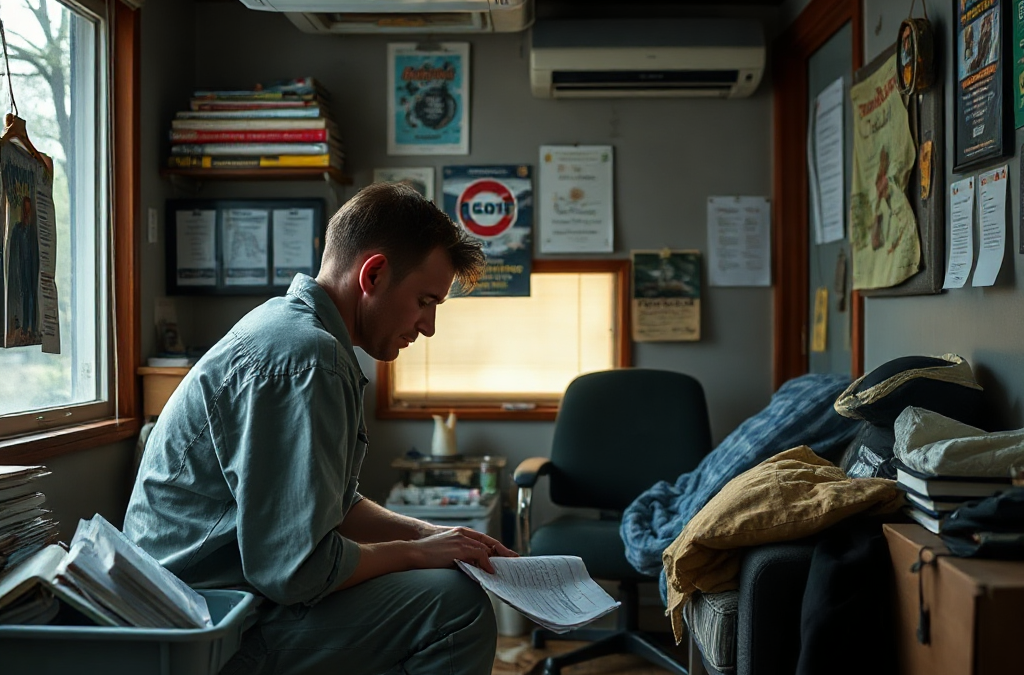
Effective inventory management involves categorizing supplies, tracking their quantities, and regularly updating records. This not only helps in maintaining an adequate supply of essentials but also aids in identifying items that are nearing expiration or are no longer necessary. By understanding the flow of supplies, individuals and organizations can better prepare for unexpected events.
Benefits of a Detailed Inventory
Maintaining a detailed inventory offers several benefits that contribute to overall efficiency and effectiveness. Firstly, it enhances resource allocation by ensuring that supplies are available when required, which is crucial during emergencies. Secondly, it helps in budgeting by providing insights into spending patterns and identifying areas where cost savings can be made.
Additionally, a well-documented inventory reduces the risk of overstocking or stockouts. Overstocking can lead to wasted resources, especially with perishable items, while stockouts can result in critical shortages. Regular inventory checks also facilitate better decision-making, as they provide a clear picture of what is available and what needs replenishing.
Common Mistakes in Inventory Management
Despite its importance, many individuals and organizations make common mistakes in inventory management. One frequent error is neglecting to update inventory records regularly, leading to discrepancies between actual stock and recorded quantities. This can cause confusion and hamper effective decision-making.
Another mistake is failing to categorize supplies properly. Without clear categories, it becomes challenging to locate items quickly, which can be particularly detrimental in emergencies where time is of the essence. Additionally, relying solely on digital systems without backup can lead to issues if technology fails. It’s essential to have a contingency plan for inventory management that includes physical records or alternative systems.
Practical Steps for Effective Inventory Management
To establish an effective inventory management system, start by categorizing all supplies into logical groups. This could include food, medical supplies, tools, and other essentials. Clearly label each category to facilitate easy access and updates.
Next, implement a consistent tracking method, whether through digital software or manual logs. Regularly schedule inventory checks to update records and assess stock levels. During these checks, look for expired items, damaged goods, or supplies that need replenishing. Consider utilizing the FIFO (First In, First Out) method for perishable items to minimize waste.
Finally, train all relevant personnel on inventory management procedures to ensure everyone understands their roles in maintaining accurate records. This collective responsibility fosters accountability and enhances the overall effectiveness of the inventory system.
Frequently Asked Questions
Why is inventory management crucial for preparedness?
Inventory management is crucial for preparedness as it ensures that necessary supplies are readily available during emergencies, minimizing risks and enhancing safety.
How often should I check my inventory?
It is advisable to check your inventory at least quarterly, or more frequently if you have perishable items to ensure optimal stock levels.
What are the best practices for categorizing supplies?
Best practices for categorizing supplies include grouping items by type, usage frequency, and expiration dates to make tracking and access easier.
What is the FIFO method?
The FIFO (First In, First Out) method involves using older stock before newer stock, which is especially important for perishable items to reduce waste.
What technology can help with inventory management?
Inventory management software can aid in tracking supplies efficiently, providing real-time updates and analytics for better decision-making.
Find resources on emergency supplies and how to manage them effectively
Conclusion
Maintaining a detailed inventory of supplies is essential for effective resource management, especially in emergency situations. By understanding the importance of inventory management, recognizing common pitfalls, and implementing practical steps, individuals and organizations can ensure they are well-prepared for unforeseen circumstances. Prioritizing regular inventory checks, proper categorization, and effective tracking methods will enhance readiness and minimize waste. Start organizing your supplies today to safeguard against future emergencies.