
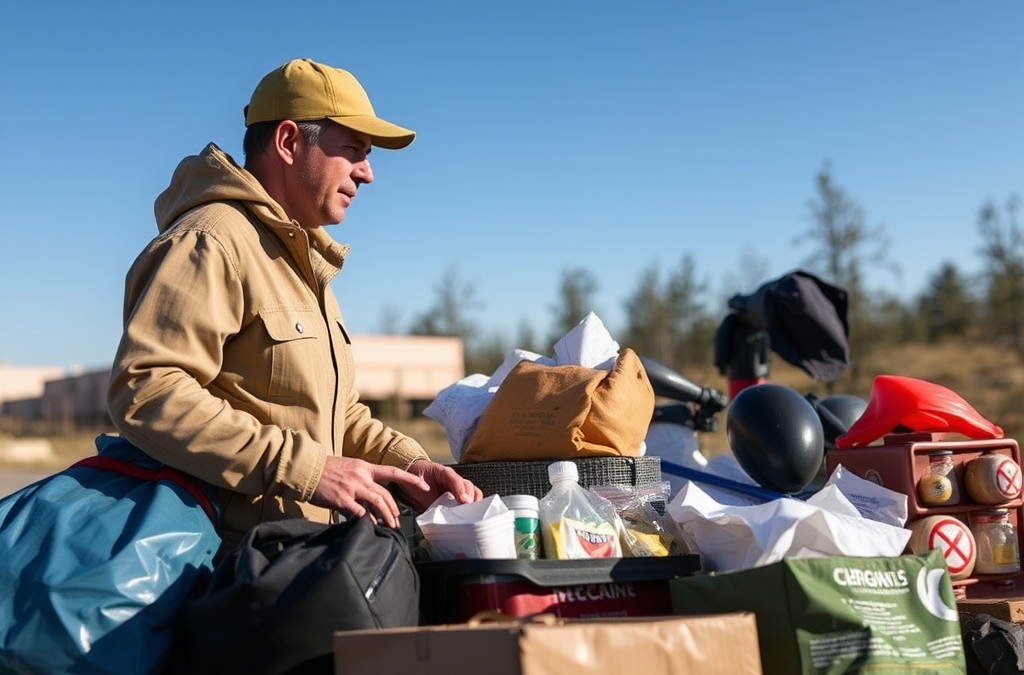
To prioritize supplies for specific emergencies, begin by identifying the types of emergencies relevant to your area, such as natural disasters or health crises. Tailor your supply list to include essential items like food, water, medical supplies, and communication tools, ensuring they meet the unique demands of each scenario. For instance, if you live in a flood-prone area, prioritize waterproof storage for your supplies. Additionally, consider the number of people in your household and any special needs, such as medications for elderly family members. This targeted approach will enhance your preparedness and ensure that you can respond effectively during critical situations.
Understanding Emergency Types
Identifying the types of emergencies you may face is crucial for effective supply prioritization. Emergencies can range from natural disasters like hurricanes and earthquakes to health-related crises such as pandemics or chemical spills. Each type requires different preparations and supplies. For instance, a natural disaster may necessitate non-perishable food and water, while a health crisis may require medical supplies and sanitizers.
Understanding the specific risks associated with your location or lifestyle can help you focus your efforts. For example, those living in flood-prone areas should prioritize waterproof storage for supplies, while those in wildfire zones may need to consider smoke masks and fire-resistant materials. By categorizing emergencies, you can better tailor your supply list to meet the unique demands of each scenario.
Assessing Your Needs
Once you understand the types of emergencies you might encounter, the next step is assessing your specific needs. Consider factors such as the number of people in your household, any special medical requirements, and pets. For example, families with young children may need baby formula and diapers, while those with elderly members might require specific medications and mobility aids.
Additionally, think about the duration of potential emergencies. Supplies for a short-term power outage will differ significantly from those needed for a long-term evacuation. A thorough assessment allows for a more personalized approach, ensuring that your supply list addresses the most pressing needs first.

Creating a Prioritized Supply List
Creating a prioritized supply list involves organizing items based on urgency and necessity. Start with essentials that support basic survival: clean water, non-perishable food, and first aid supplies. Following these, include items that enhance safety and comfort, such as flashlights, batteries, and blankets. It’s wise to categorize supplies into tiers: immediate needs, short-term needs, and long-term supplies.
For example, a tiered approach could look like this:
- Immediate Needs: Water, food, first aid kit, medications.
- Short-term Needs: Flashlight, batteries, hygiene items, clothing.
- Long-term Supplies: Extra food, tools for repairs, long-term medication supplies.
This structured approach ensures you can easily access the most critical items when time is of the essence.
Common Mistakes to Avoid
When prioritizing supplies for emergencies, it’s important to avoid common pitfalls that can undermine your preparedness. One frequent mistake is overloading on supplies that are not relevant to your specific risks. For instance, stockpiling items like camping gear may not be beneficial during a health crisis.
Another mistake is neglecting to update your supplies regularly. Items can expire or degrade over time, so it’s crucial to rotate stock and replace outdated supplies. Additionally, failing to practice emergency drills can lead to confusion during an actual emergency, rendering your preparation ineffective. Regularly review your supply list and practice using your supplies to ensure readiness.
Frequently Asked Questions
What should I include in my emergency supply kit?
Essential items include water, non-perishable food, a first aid kit, medications, a flashlight, batteries, and hygiene products.
How often should I check my emergency supplies?
It's advisable to review and update your emergency supplies at least every six months to ensure everything is current and functional.
How can I prioritize supplies for different emergencies?
Assess the types of emergencies you might face, then create a tiered list of supplies based on urgency and necessity for each scenario.
What are common mistakes in emergency preparedness?
Common mistakes include stockpiling irrelevant items, neglecting to update supplies, and failing to practice emergency drills.
How much water should I store for emergencies?
A general guideline is to store one gallon of water per person per day for at least three days, for drinking and sanitation.
Further Reading
Authoritative Sources
- Ready.gov
ready.govThis site offers comprehensive resources on emergency preparedness and planning
- American Red Cross
redcross.orgFind guides and resources for creating emergency kits and plans
- CDC Emergency Preparedness
cdc.govAccess information on health-related emergencies and necessary supplies
Conclusion
Prioritizing supplies for specific emergencies is essential for effective preparedness. By understanding the types of emergencies you may face and assessing your needs, you can create a tailored supply list that meets your most pressing demands. Regularly update your supplies and practice emergency responses to enhance your readiness. Taking these steps ensures that you will be well-equipped to handle any crisis that arises.




