
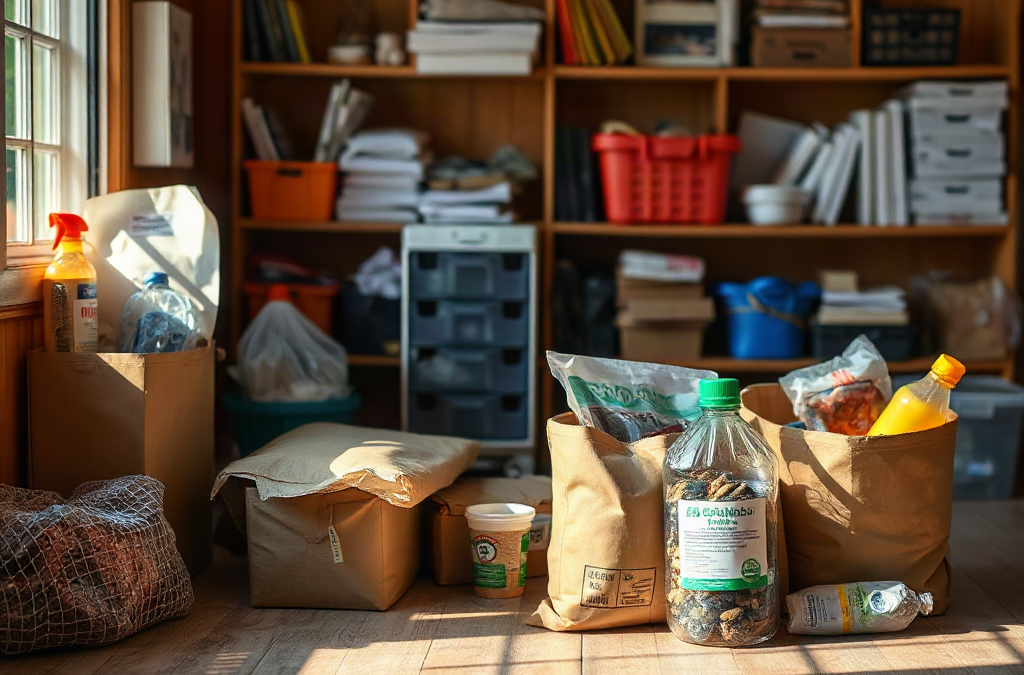
Organizing yourselves and preparing every needful thing means assigning responsibilities, securing a workable seven-day supply, documenting contacts, and practicing the response before disruption occurs. Begin with water, ordinary food, essential medicines, lighting, sanitation items, and reliable communication methods, then tailor quantities to household size, age, mobility, pets, and local hazards. A written contact plan prevents confusion when phones or internet service are unreliable, while a dated task list exposes missing supplies and expired items. Avoid buying specialized equipment before covering daily necessities; an elaborate kit that nobody can find, use, or maintain is weaker than a modest system that is labeled, accessible, and reviewed regularly.
Turn a Broad Instruction Into Household Tasks
“Organize yourselves and prepare every needful thing” becomes useful only when it is translated into decisions that a household can complete, check, and repeat. The phrase is not a command to accumulate everything imaginable. It is a prompt to identify likely disruptions, protect essential routines, and give each person a clear role. A short power outage, a temporary water interruption, a severe storm, and an evacuation may require different actions, so preparation should begin with the situations most plausible for the location.
Make a simple inventory of people, animals, medications, mobility needs, important documents, transportation options, and communication limitations. A toddler, an older adult who uses powered medical equipment, and a dog each change the supply calculation. The same is true for apartment living, limited storage, dietary restrictions, or a household member who works away from home. A generic container of supplies may look complete while failing the people who depend on it.
Assign ownership rather than assuming that everyone will remember the same details. One person can check water and food, another can maintain batteries and lighting, and another can keep contact information and documents current. Children can have age-appropriate jobs, such as locating a flashlight or identifying the meeting place. The goal is shared competence, not a single household member who becomes the only source of information.
A useful first task list contains four columns: need, current item, responsible person, and review date. Record gaps such as “no backup glasses,” “pet food lasts two days,” or “no printed contact numbers.” This approach is more effective than shopping from a long list because it distinguishes an actual deficiency from a duplicate purchase. Link this process to your broader preparation call so that supplies, skills, and decisions remain connected.

The common mistake is treating organization as a one-time event. A household changes when prescriptions, occupants, vehicles, jobs, or storage locations change. Review the inventory after a move, a new medical need, a major purchase, or a seasonal change. Preparation works best as a small operating system for the home rather than as a box left untouched in a closet.
Build Supplies Around Real Needs and Constraints
Supplies should preserve basic functions first: hydration, food, medication, sanitation, light, temperature management, and communication. Water deserves early attention because it is heavy, essential, and difficult to replace during an interruption. Store it in clean, food-safe containers or commercially packaged containers, and follow the storage and replacement guidance on the packaging. Include a method for obtaining or treating additional water only when you understand its limits and local safety instructions.
Food should match what the household will actually eat and prepare. Shelf-stable choices might include canned beans, vegetables, fruit, fish, nut butter, oats, crackers, rice, or ready-to-eat meals, depending on dietary needs and available cooking equipment. A manual can opener is more useful than a collection of cans nobody can open. If heating food requires a camping stove, use it only according to the manufacturer’s directions and never operate fuel-burning equipment in an enclosed space.
Medication planning requires particular care. Keep an up-to-date list of prescriptions, doses, allergies, prescribers, and pharmacy contact details, and ask a pharmacist or clinician about lawful refill planning when appropriate. Do not substitute stored medicine, alter doses, or share prescriptions. Include routine items such as inhaler accessories, glucose-management supplies, hearing-aid batteries, eyeglasses, and mobility-device chargers when they apply.
Sanitation is often underestimated because people picture food before waste management. Soap, hand sanitizer, toilet paper, menstrual products, heavy-duty bags, disinfecting supplies, diapers, and a way to manage used materials can protect dignity and reduce avoidable problems. Lighting should include more than a phone flashlight; a headlamp or lantern leaves both hands free, while spare batteries should be stored with the devices and checked for corrosion.
Budget and storage space create real tradeoffs. A small apartment may benefit from compact, multi-use supplies distributed in labeled containers rather than one large bin. A larger home may have more volume but still place everything in a basement vulnerable to water. Prioritize items that serve ordinary life as well as disruptions, such as shelf-stable food, spare chargers, blankets, and basic hygiene products. The failure mode to avoid is buying impressive but specialized gear before covering water, medication, sanitation, and a way to receive information.
Use the needful-things inventory as a controlled list. Mark each item with its quantity, location, expiration or inspection date, and replacement trigger. That record turns shopping into maintenance and reveals whether the arrangement is affordable to keep current.
Create Communication, Evacuation, and Documentation Systems
A supply cache cannot solve a coordination problem. Every household should know how to contact one another, where to reunite, and which information source to trust when normal channels fail. Write down phone numbers and addresses because a stored contact list may be inaccessible if a device is lost, damaged, or uncharged. Include an out-of-area contact when that arrangement is practical, since local networks may be congested during a major event.
Choose two meeting places: one close to home for a quick separation and another outside the immediate neighborhood if the area becomes inaccessible. Make the locations specific rather than saying “the park” or “downtown.” Consider mobility, traffic, public transit, children’s routines, and pets. A plan that assumes everyone can drive may fail when a household member is at work, a road is closed, or a vehicle is unavailable.
Evacuation preparation should focus on movement, not merely packing. Keep essential documents protected in a water-resistant container, with secure digital copies where appropriate. Documents may include identification, insurance information, medical details, prescriptions, and records needed to care for dependents. Avoid carrying unnecessary originals when a protected copy will meet the immediate need.
Communication methods should reflect likely outages. A charged power bank, vehicle charger, battery radio, written contacts, and a designated check-in method can complement phones. Decide in advance how often people will report their status and what “no response” means; otherwise repeated calls may drain batteries without improving safety. Verify that every person knows how to use the selected devices.
Practice exposes assumptions that a written plan hides. For example, a family may discover during a short drill that the emergency bag is stored behind a locked door, the child cannot reach the flashlight, or the contact sheet contains an old number. A two-hour exercise can reveal more than another shopping trip. Keep the exercise proportionate and safe: do not create artificial danger, block exits, or use fuel-burning equipment indoors.
The most common misconception is that evacuation and sheltering require the same kit. Evacuation favors light, portable items, documents, footwear, chargers, medicines, and identification. Staying in place may require more water, sanitation materials, food preparation options, and methods for managing waste. Build a core set that works in either case, then add scenario-specific items instead of making one overloaded bag do every job.
Test, Maintain, and Improve the Arrangement
Preparedness becomes dependable when the household tests whether its system works under ordinary constraints. Open the storage containers, check package dates, test lights, inspect batteries, confirm that chargers fit, and verify that supplies remain accessible. A list that says “batteries” is less useful than a record naming the device, battery size, quantity, and storage location.
Use a maintenance rhythm tied to habits already in the calendar. A quarterly review can cover food rotation, water containers, contact details, first-aid materials, and vehicle supplies. Seasonal reviews should account for cold-weather clothing, heat management, storm exposure, and changes in daylight. After using an item, replace it promptly rather than waiting for the next scheduled inspection.
Test the plan against constraints instead of ideal conditions. Ask what happens if one adult is away, the elevator is unavailable, the power is out for a day, or a pet carrier is stored behind furniture. Try preparing one meal with the available equipment. Check whether an older relative can open packaging and reach the stored supplies. These tests produce actionable corrections: move a bin, add a manual tool, simplify instructions, or divide weight among several bags.
Signs of a working system are easy to observe. People can locate the essentials without arguing, the written instructions fit the household’s abilities, and supplies are rotated before they expire. Signs of failure include unlabeled boxes, inaccessible equipment, expired medicine, duplicate purchases, and a plan known only by one person. Fix the failure closest to the daily routine first; an accessible flashlight may matter sooner than a rarely used specialty item.
Keep improvements modest and documented. After each review, record the missing item, the reason it matters, the cost, and the next action. This prevents anxiety-driven buying and makes progress visible. A household with limited funds can spread purchases across several pay periods, beginning with water storage, sanitation, lighting, essential medication information, and dependable communication. A more elaborate setup is worthwhile only when the household can maintain and use it.
For a focused final check, use this sequence: identify the likely disruption, protect the first 24 hours of basic needs, extend supplies toward seven days where feasible, assign responsibilities, verify contact and meeting arrangements, then run a short test. The preparation checklist should remain flexible enough to reflect local guidance and changing household circumstances.
Frequently Asked Questions
What should be prepared first?
Start with water, essential medicines, food that needs little preparation, sanitation supplies, lighting, and a way to receive information. These support immediate needs before specialized equipment.
How much food should a household store?
Choose a quantity your budget and storage space can support, then build toward several days of familiar, shelf-stable food. Account for children, dietary restrictions, pets, and cooking limitations.
Where should emergency supplies be kept?
Keep them in a dry, accessible location known to everyone who may need them. Avoid placing all supplies where flooding, heat, locked doors, or heavy objects could make access difficult.
How often should the supplies be checked?
Review them at least seasonally and after any use or household change. Check dates, batteries, medication information, contact numbers, equipment condition, and storage access.
What is the difference between sheltering and evacuation preparation?
Sheltering emphasizes water, food, sanitation, lighting, and information at home. Evacuation emphasizes portable supplies, documents, medicines, identification, transportation, and meeting arrangements.
Further Reading
Authoritative Sources
- Build A Kit
ready.govProvides federal guidance on assembling basic supplies and adapting them to household needs
- Survival Kit Supplies
redcross.orgOffers practical supply considerations for common disruptions and evacuation situations
Conclusion
Organizing yourselves and preparing every needful thing is a process of matching real household needs to clear responsibilities, usable supplies, and tested decisions. Cover the basics before purchasing specialized gear: water, food, medication information, sanitation, light, communication, and documents. Separate what must travel from what can remain at home, and make meeting places and contact procedures specific enough to work under stress.
Next, write a short inventory with owners and review dates, correct the most consequential gap, and run a small test. Rotate supplies through ordinary use, update the plan when people or circumstances change, and keep instructions accessible to everyone. A modest arrangement that is labeled, maintained, and understood will generally serve the household better than a larger collection that is forgotten, inaccessible, or dependent on one person.
Related Content
- 10 Effective disaster preparedness strategies to protect your family in 2025
- Managing Chronic Health Conditions During Disasters
- Physical Readiness Training for Demanding Emergency Tasks With a Progressive 6-Week Conditioning Plan
- Tsunami Preparedness Plan for Coastal Households: Evacuation Routes, Alerts, and Supply Priorities
- How can I prepare my home for extreme weather conditions?




