
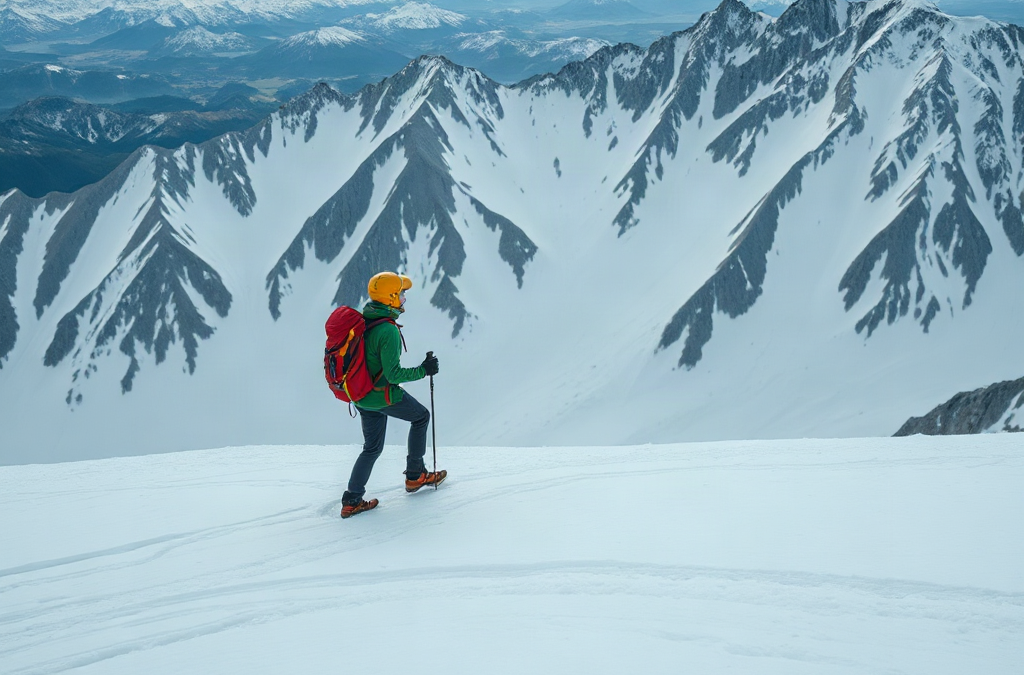
Altitude-change preparation for travel and outdoor safety means allowing time for acclimatization, controlling exertion, watching for altitude-illness symptoms, and having a descent plan. Lower oxygen pressure at elevation can cause headache, nausea, unusual fatigue, dizziness, and poor coordination, especially after a rapid climb or flight. Build elevation gradually when possible, spend the first hours resting rather than exercising hard, drink normally without forcing excessive water, and avoid alcohol or sedatives during initial acclimatization. Anyone with worsening symptoms, confusion, trouble walking, breathlessness at rest, or a persistent cough should stop ascending and seek urgent help, because descent and medical evaluation may be more important than completing the itinerary.
How Elevation Changes Affect Travelers
Altitude becomes a safety issue because the air contains less available oxygen as elevation increases. The percentage of oxygen in the atmosphere does not suddenly change, but reduced air pressure means each breath delivers less oxygen to the bloodstream. The body responds by breathing faster and increasing heart rate; over several days, it can make further adjustments. That process is acclimatization, and it cannot be compressed simply by being fit, experienced, or eager to reach a destination.
A traveler arriving by aircraft may move from near sea level to a high mountain town within hours, while a hiker may gain elevation more gradually. Both can be affected, but the rapid traveler has less time for the body to adapt. A person who feels well during the first afternoon can still develop symptoms overnight or after a strenuous climb the next morning. Previous success at elevation also does not guarantee an identical response on a later trip, because ascent speed, sleep, illness, hydration, and individual susceptibility vary.
Common early symptoms include headache, reduced appetite, nausea, dizziness, unusual tiredness, and disturbed sleep. These signs can resemble dehydration, jet lag, a viral illness, or a hangover, which creates a dangerous temptation to explain them away. The useful question is not whether the symptom has another possible cause; it is whether the person is improving at the current elevation. A headache that worsens after additional ascent deserves more attention than a mild, stable headache that improves with rest.
Fitness helps with walking efficiency and carrying capacity, but it does not eliminate reduced oxygen pressure. An athletic visitor who attempts a hard summit itinerary immediately may be at greater risk than a slower traveler who rests and observes symptoms. Treat altitude exposure as a physiological change, not a test of character. The related altitude-change preparation for travel and outdoor safety decisions should begin with elevation gain and timing rather than with equipment purchases.

Before You Leave: Building a Safer Acclimatization Plan
The safest itinerary gives the body time at an intermediate elevation before demanding strenuous activity. If route and lodging choices allow it, spend an initial night at a lower town, use a gradual approach, and schedule an easy first day. A plan that reaches a high pass immediately after landing may save a night but removes the margin that helps reveal symptoms before the group is far from help. When a gradual ascent is impossible, reduce the first-day workload and make transport, lodging, and descent options explicit.
Research the actual sleeping elevations, not just the destination name. A nearby valley, airport, campsite, and summit can differ substantially. Mark where the group will sleep, where the route rises sharply, and where a person could turn around. Check whether the accommodation has reliable communication, weather information, and access to transport. Remote terrain changes the decision: mild symptoms at a staffed hotel may be manageable with rest and observation, whereas the same symptoms on an isolated trail may justify an earlier retreat.
Medical preparation should be individualized. People with heart or lung disease, sleep-related breathing problems, pregnancy, anemia, or a history of altitude illness should discuss the itinerary with a qualified clinician before travel. A clinician may also review prescription medicines and whether any preventive medication is appropriate. Do not borrow medication from a companion or assume that a drug replaces acclimatization. It may reduce risk for some travelers while leaving the need for gradual ascent, symptom monitoring, and descent decisions intact.
Pack for the consequences of delay rather than only the planned activity. Useful items may include warm layers, sun protection, food that is easy to eat, a headlamp, navigation tools, a charged phone or satellite communicator where appropriate, and a written emergency contact plan. Keep a modest buffer in the schedule. The common failure is treating a fixed reservation or summit deadline as more important than a changing health situation. A flexible itinerary is a safety control, not wasted travel time.
Managing the First Day at Altitude
The first day should be deliberately uneventful. Rest after arrival, walk gently, eat a normal meal, and postpone hard exercise, heavy lifting, and rapid climbs. The aim is to observe how the body responds while keeping the consequences of a problem small. A visitor who arrives at a mountain resort in the morning and spends the afternoon skiing aggressively has combined rapid ascent, exertion, cold, and possible sun exposure before knowing whether acclimatization is progressing.
Drink according to thirst and normal meals rather than forcing large volumes of water. Excessive drinking can contribute to dangerous electrolyte imbalance, while too little fluid can worsen headache and fatigue. Alcohol can impair judgment and disturb sleep, and sedating medicines may affect breathing or make it harder to notice deteriorating symptoms; discuss prescribed medicines with a clinician rather than stopping them independently. Carbohydrate-containing meals and familiar foods may be easier to tolerate when appetite is reduced, but no food or supplement substitutes for time at elevation.
Sleep deserves particular attention. Breathing patterns can become irregular during early acclimatization, and unfamiliar beds, noise, cold, or jet lag may compound poor rest. Keep the sleeping area warm and avoid turning a restless night into a reason for strenuous daytime activity. If symptoms are mild, do not ascend higher until they improve. Rest at the same elevation can be reasonable for some people, but worsening symptoms, repeated vomiting, or new coordination problems require a more urgent response.
A simple check-in system works better than vague reassurance. Before each outing, ask every person about headache, nausea, dizziness, fatigue, breathing, and balance. Record when symptoms began and whether they improve with rest. A participant who says, “I can continue, but I feel strangely unsteady,” should not be judged by the group’s pace. The travel safety plan should identify who stays with the affected person, who contacts help, and which route descends most directly.
Recognizing Symptoms and Deciding When to Descend
Mild altitude illness often presents as headache accompanied by symptoms such as nausea, dizziness, tiredness, or reduced appetite after a recent ascent. The practical response is to stop gaining elevation, rest, monitor closely, and avoid masking deterioration with continued exertion. If the person improves at the same elevation, a cautious itinerary may be possible; if symptoms persist or worsen, descent is the safer direction. A local medical service or emergency professional should guide decisions when available.
Serious warning signs include confusion, inability to walk normally, marked loss of coordination, breathlessness while resting, blue or gray lips, chest tightness, a wet or persistent cough, or rapidly worsening weakness. These signs can indicate life-threatening altitude-related complications and should not be managed by waiting for morning or completing one last viewpoint. Descend immediately when it is safe to do so, arrange emergency assistance, and use supplemental oxygen or other equipment only according to trained guidance and available protocols.
Do not use symptom relief as proof that the underlying risk has disappeared. Pain medicine may reduce a headache while the person continues ascending, and a short rest may temporarily improve fatigue. Improvement should mean sustained recovery at the same elevation, normal coordination, and no new symptoms—not simply enough comfort to resume the original schedule. The strongest protection is changing the environment that caused the problem, especially by stopping ascent or moving lower.
Groups should agree on these decisions before leaving. A leader who waits for unanimous agreement may lose valuable time when a sick traveler is embarrassed or another person is focused on the itinerary. Set a clear rule: no one with worsening symptoms continues upward, and no one descends alone. The alternative—splitting up without communication—can create a second emergency through separation, darkness, weather, or navigation errors.
Outdoor Safety Beyond Acclimatization
Altitude preparation does not protect against mountain hazards unrelated to oxygen pressure. Cold, ultraviolet exposure, wind, dehydration, snow blindness, loose rock, river crossings, and rapidly changing weather can affect a traveler who is otherwise acclimatizing normally. Reduced appetite and fatigue may also make it harder to notice that a person is underdressed or running out of energy. Match the route to daylight, forecast, navigation ability, and the least experienced member of the group.
Sun protection is especially important at elevation because intense light and reflective snow can burn exposed skin and damage eyes. Use protective clothing, sunglasses that block ultraviolet light, and sunscreen suited to the conditions. Carry layers that can be added before stopping rather than after becoming chilled. A person who sweats heavily during a climb may become cold during a rest break, so clothing strategy should account for both exertion and stillness.
Navigation and communication deserve the same attention as first aid. Download maps before leaving service, carry a physical backup where appropriate, and tell someone outside the group the route, expected return time, and escalation plan. Do not assume a phone battery will survive cold temperatures or that a visible trail remains obvious in fog or snow. Turnaround times should be set before the group becomes committed to a summit or ridge.
Use this compact priority order when conditions deteriorate: protect breathing and consciousness, stop exposure to cold or weather, prevent further ascent, communicate the situation, then decide whether self-evacuation is safe. Equipment can extend capability, but it cannot compensate for poor judgment or a deteriorating medical condition. The outdoor safety checklist is strongest when it links each item to a decision: warm layers for exposure, navigation backups for low visibility, and communication equipment for delayed or remote assistance.
Frequently Asked Questions
How long should travelers acclimatize before strenuous activity?
The needed time varies with elevation, ascent speed, health, and prior response. Plan an easy first day and avoid climbing higher while symptoms remain.
Does physical fitness prevent altitude sickness?
No. Fitness may improve exercise capacity, but it does not remove the body’s need to adapt to reduced oxygen pressure.
Should I drink extra water at altitude?
Drink normally with meals and according to thirst. Forcing excessive water can be harmful, while alcohol and heavy exertion may worsen dehydration or poor sleep.
When should someone descend?
Descend if symptoms worsen, fail to improve with rest, or include confusion, poor coordination, breathlessness at rest, or a persistent cough. Seek urgent help for severe signs.
Can altitude symptoms be confused with travel fatigue?
Yes. Jet lag, dehydration, illness, and a hangover can look similar. Recent ascent and worsening symptoms should prompt altitude precautions rather than dismissal.
Further Reading
Authoritative Sources
- CDC Yellow Book: Altitude Illness
wwwnc.cdc.govProvides travel-health information on acclimatization, symptoms, prevention, and treatment considerations
- Altitude Sickness
nhs.ukExplains common symptoms and urgent warning signs in accessible language for travelers
- Altitude Sickness: Symptoms and Causes
mayoclinic.orgOffers a practical medical overview of risk factors, symptoms, and when professional care is needed
Conclusion
Safe altitude travel depends less on toughness than on controlling the rate of change and responding early when the body is not adapting well. Identify sleeping elevations, build rest into the first day, keep exertion modest, and make descent options practical before leaving. Monitor headache, nausea, fatigue, breathing, and coordination instead of relying on a traveler’s willingness to continue. Weather, cold, sun, navigation, and communication can turn a manageable symptom into a remote emergency, so outdoor planning must extend beyond acclimatization. Before departure, review the route with the least experienced participant, share an outside contact plan, and confirm which symptoms end the ascent immediately. A flexible schedule is the final safeguard: changing the itinerary early is usually safer than waiting for certainty in a worsening environment.
Related Content
- Top 10 Urban Preparedness Strategies for 2025 You Cant Ignore
- Prepper Shopping List That Avoids Waste: Foods, Rotation Steps, and Buying Rules
- Prepping Your Home: Essential Steps for Effective Safety and Readiness
- The Ultimate Guide to the Emergency Essentials Checklist for 2025: 10 Effective Tips
- How to Protect Your Digital Life in a Crisis




