
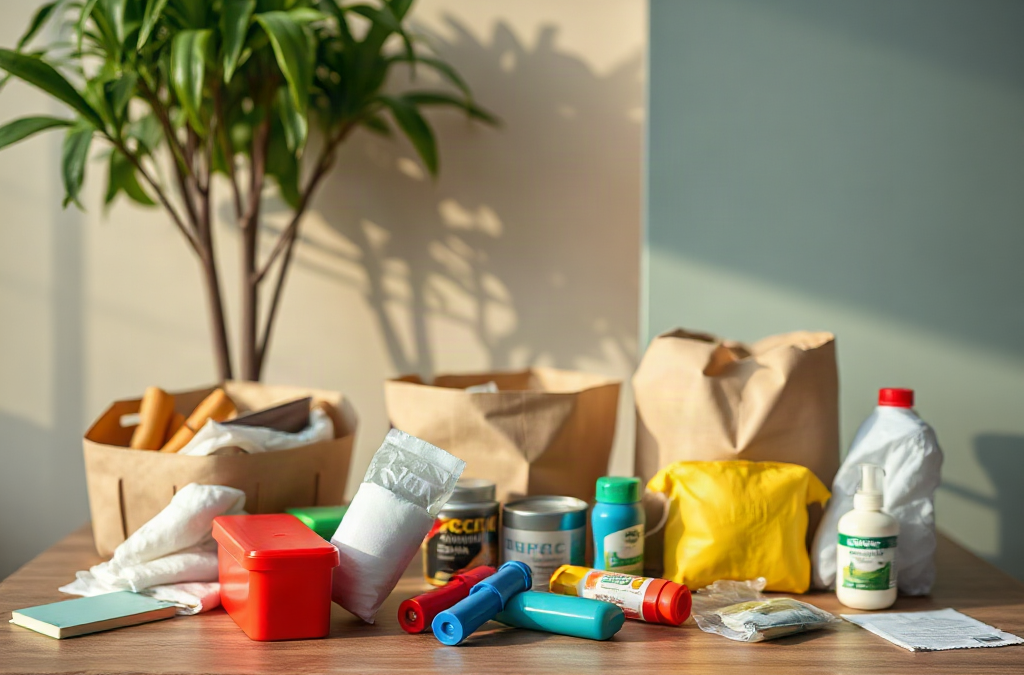
Prerequisites for starting an emergency preparedness plan include identifying likely hazards, assessing household needs, setting communication and evacuation procedures, gathering essential supplies, and assigning responsibilities. Begin by listing who may need extra help, including children, older adults, people with disabilities, and pets, then account for medications, medical equipment, language needs, and transportation limits. Review local hazards and official alerts before choosing supplies, because an earthquake plan differs from one for flooding or extended power loss. Store water, food, lighting, first-aid items, important documents, and backup power where they can be reached quickly. Test the plan through a short household drill and revise it when contact details, living arrangements, or health needs change.
Define the Risks and Household Needs
The first prerequisite is a realistic picture of the hazards that could affect your location and the people who depend on you. A plan built around a generic supply bin may overlook the consequences of a winter outage, flash flood, wildfire evacuation, earthquake, severe storm, or hazardous-material incident. Local geography, building type, utility reliability, road access, and warning time all change what preparation should emphasize.
Start by making two short inventories. The first lists plausible disruptions and their likely effects: loss of electricity, unsafe tap water, blocked roads, smoke, evacuation orders, damaged communications, or temporary isolation. The second records household requirements. Include prescription schedules, refrigerated medicines, mobility aids, hearing or vision needs, infant supplies, pet carriers, dietary restrictions, and the location of shutoff valves. A person who relies on an electric oxygen concentrator has a different planning priority from someone whose main concern is commuting home after a storm.
Household composition also affects the plan’s speed. A young child may not be able to follow an unfamiliar evacuation route, while an older adult may need time, transportation, or assistance with stairs. Pets cannot be assumed to remain safe indoors, and some shelters may have separate arrangements for animals. Ask each person what they would need if they were away from home when the incident began. That question exposes gaps in school pickup, workplace communication, and transportation plans.
A useful first review can be compact:

- Identify three to five credible local hazards and the first problem each could create.
- List people, animals, medications, equipment, and documents that need special handling.
- Mark utility shutoffs, safe interior areas, exits, meeting places, and nearby higher ground where relevant.
- Note who may be at work, school, or traveling during a typical weekday.
The common mistake is treating the most dramatic disaster as the only meaningful one. A household near a coast may focus on evacuation but still need a plan for a multi-day power failure. Conversely, buying large quantities of supplies before understanding evacuation routes can waste money and create storage problems. Use the prerequisites for starting an emergency preparedness plan as a filter: every item and procedure should answer a specific risk or household need.
Set Communication, Evacuation, and Shelter Conditions
A plan becomes usable when it explains what people will do, where they will go, and how they will reconnect if normal communication fails. Phone calls may not work during congestion or a power outage, so relying on one contact method is a weak assumption. Establish an out-of-area contact, a nearby meeting place, and a second meeting place outside the immediate neighborhood. Write the details down rather than keeping them only in a phone.
Communication instructions should be specific enough for a child, visitor, or stressed adult to follow. Decide who collects children, who checks on a neighbor, who transports pets, and who carries medications or documents. Identify official information channels, such as local emergency management alerts, weather notifications, or public safety announcements. A social-media post may provide a useful lead, but it should not replace confirmation through an official source when evacuation or shelter instructions are involved.
Evacuation and shelter-in-place are different operating conditions. Evacuation requires routes, fuel, transportation, destination options, and a way to leave if a primary road closes. Shelter-in-place requires suitable interior space, ventilation decisions when outside air is hazardous, water, sanitation, lighting, and a method for receiving updates. A basement may be useful for some severe weather but unsuitable during flooding; a vehicle may help with transportation but becomes dangerous if roads are submerged or smoke reduces visibility.
Write a short decision sequence for each major hazard. For example, during a fast-moving wildfire threat, the sequence may be to monitor official alerts, load medications and identification, take pets, leave on the designated route, and notify the out-of-area contact. During a winter outage, the priorities may instead be preserving warmth, checking on vulnerable occupants, protecting pipes where appropriate, and deciding when to relocate before conditions worsen.
One failure mode is creating a route without confirming the destination. Relatives may be away, hotels may not accept animals, and a shelter may have capacity or accessibility limits. Contact potential destinations in advance when practical, and keep paper maps because digital navigation depends on a charged device and usable networks. Revisit the plan after a move, a new job or school schedule, a vehicle change, or a medical change. A plan that cannot be followed under stress is not finished; it needs simpler instructions, visible contact information, and practiced choices.
Build Supplies Around Real Constraints
Supplies should support the first hours and days of the specific disruptions you identified, not imitate a universal shopping list. Water, shelf-stable food, lighting, first-aid materials, sanitation items, batteries, chargers, and basic tools are common foundations, but quantities and types depend on household size, climate, medical needs, and whether evacuation is more likely than remaining at home.
Separate supplies into three locations: a home reserve, a portable evacuation kit, and small personal kits for work, school, or vehicles. This arrangement addresses a frequent practical problem: a well-stocked closet is useless if the household must leave immediately or a person is stranded away from home. Use containers that one person can lift, label medications and expiration dates, and keep essential documents in a protected but accessible format. Include copies of identification, insurance information, medication lists, emergency contacts, and care instructions while protecting sensitive information.
Food selection deserves more thought than simply buying the longest-lasting products. Choose items that household members will eat, require little or no cooking, and fit medical or allergy constraints. A manual can opener matters if canned food is included. Water storage must account for sanitation and storage conditions; commercially packaged water or properly prepared containers may be more practical than improvised vessels of uncertain cleanliness. Rotate items through normal use instead of waiting for an emergency to discover that food is unpalatable or equipment is missing parts.
Power planning is another tradeoff. A small battery bank may keep phones operating but cannot run every medical device or appliance. Rechargeable lighting reduces battery waste, while disposable batteries may be simpler for infrequently used equipment. Anyone dependent on powered medical equipment should ask the equipment provider or clinician about an appropriate backup arrangement rather than assuming a consumer power station is adequate. Fuel, generators, and heating devices also require strict attention to manufacturer instructions and ventilation; indoor use of equipment designed for outdoor operation can create lethal carbon-monoxide hazards.
Use a priority order when money or storage is limited:
- Preserve life and communication: medications, water, lighting, first aid, alerts, and charging.
- Maintain basic function: food, sanitation, warmth, mobility, and pet care.
- Improve resilience: tools, spare batteries, document copies, cash, and longer-term comfort items.
The common mistake is buying specialized gear before securing ordinary necessities. A compact radio cannot compensate for missing prescriptions, and a large food stock does not solve a lack of sanitation supplies. Compare each purchase with its storage burden, expiration date, training requirement, and usefulness in more than one scenario. The planning prerequisites should guide spending toward items that solve the most probable and most dangerous constraints first.
Assign Responsibilities and Test the Plan
Responsibilities make a preparedness plan operational. Assign tasks by ability, location, and timing rather than by assumption. One adult may handle alerts and official instructions, another may gather medications and documents, while an older child may collect a pet carrier or flashlight. No single person should be the only holder of critical information, because that person may be injured, away, or unable to communicate.
Create a one-page household action sheet with emergency numbers, meeting locations, medical notes, evacuation destinations, utility shutoff locations, and the first task for each person. Keep one copy at home and another in a vehicle or work bag when appropriate. Include a simple plan for people who do not use smartphones, have limited English proficiency, or need visual, hearing, or mobility accommodations. Accessibility is not an optional refinement; it determines whether instructions can be acted on.
Testing reveals problems that discussion hides. Conduct a short drill rather than staging a dramatic event. Ask everyone to locate the evacuation kit, show the meeting place, explain how to contact the out-of-area person, and identify what would happen if the power and internet failed. Check whether a packed bag is too heavy, whether a child can open the container, whether a pet will enter its carrier, and whether an important medication is actually included. These observations provide better evidence than confidence alone.
Review the plan after the drill and record concrete failures. If nobody knows where the paper contacts are, move them. If the vehicle lacks fuel or cannot carry all occupants, identify another driver or destination. If the emergency kit contains expired food, damaged batteries, or inaccessible packaging, replace or reorganize it. Test alarms, chargers, radios, and backup lighting according to their instructions; devices that have never been operated should not be treated as ready.
Some households prefer a detailed binder, while others need a short card and a few labeled containers. The better format is the one people can use under stress and update without abandoning it. Recheck the plan at a regular household milestone, such as the start of a season or a change in school or work routines. Use official local guidance alongside the emergency preparedness planning checklist, since local hazards and public instructions can change the correct response.
Frequently Asked Questions
What should be done before buying emergency supplies?
Identify local hazards, household medical and accessibility needs, likely evacuation or shelter conditions, and available storage. This prevents spending heavily on items that do not address the most serious constraints.
How many hazards should a household plan for?
Begin with the few hazards most credible for the location and building, then add disruptions that could affect daily life, such as power, water, communications, or transportation failures.
What information belongs in a household emergency plan?
Include contacts, meeting places, evacuation destinations, routes, medical needs, medications, pet arrangements, utility shutoffs, alert sources, and responsibilities for each household member.
Should emergency supplies be stored in one place?
No. Keep a home reserve, a portable evacuation kit, and smaller kits where household members spend time, such as vehicles, workplaces, or schools, when practical.
How often should an emergency preparedness plan be tested?
Test it whenever it is created and after major changes, then review it periodically. Update it after moves, changes in health needs, new pets, altered school or work schedules, or equipment replacement.
Conclusion
A workable emergency preparedness plan rests on decisions made before an alert: which hazards are plausible, who needs assistance, where the household will go, how people will communicate, and which supplies support those choices. Begin with a household and hazard inventory, then create separate instructions for evacuation and sheltering. Buy supplies in priority order, paying attention to medications, water, sanitation, lighting, food, charging, transportation, and safe equipment use rather than accumulating impressive but unsuitable gear. Assign responsibilities to more than one person and test the plan with a brief drill. The next useful step is to write the contact and meeting-place information on paper, inspect current supplies, and schedule a review after the next household change or seasonal transition.
Related Content
- Issues With Relying Solely on Online Prepper Resources: Common Misconceptions and Practical Alternatives
- Storm Prep for Families: Essential Steps for Safety and Readiness
- The Importance of Regular Supply Rotation for Preppers: Avoiding Expiration and Waste
- The Impact of Misinformation on Prepping Decisions: Key Factors and Common Pitfalls
- Are You Prepared for the Coming Winter Outages?




