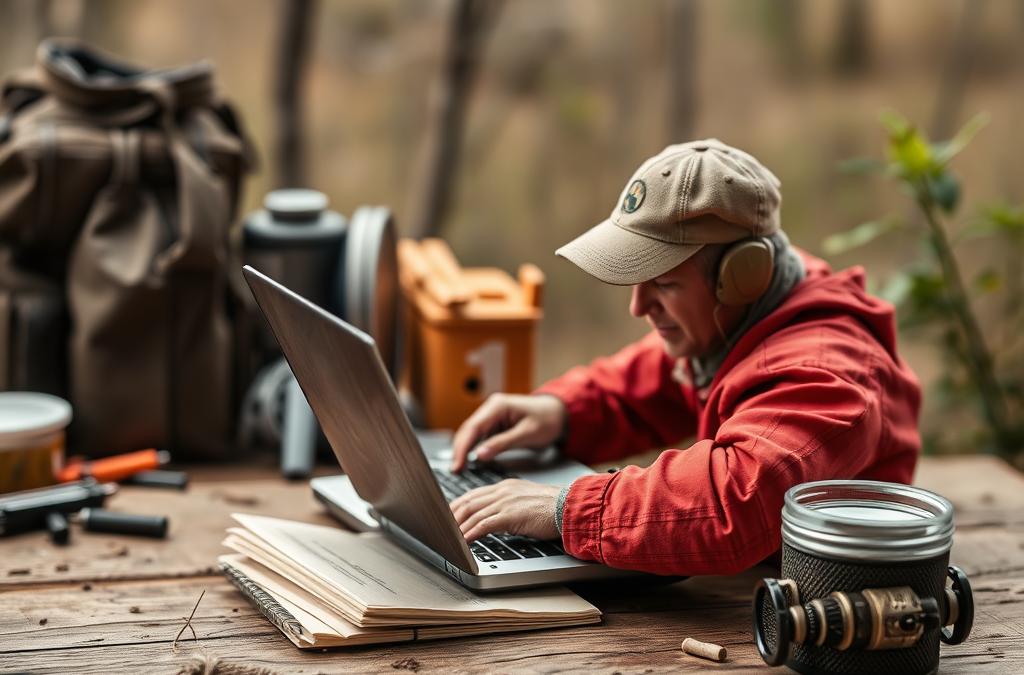
While the internet offers a wealth of information, it often contains conflicting advice and outdated practices that can mislead individuals into making poor decisions.
Many websites promote unverified tips or anecdotal experiences that may not apply universally. This can lead to a false sense of security, where individuals believe they are prepared based on misleading information. Furthermore, online platforms often do not account for local variables, such as climate, geography, and community resources, which are essential for effective planning.
To address these issues, it is vital to supplement online resources with practical experience and local knowledge. Engaging with community groups, attending workshops, and participating in hands-on training can build essential skills that online tutorials cannot provide. Additionally, local experts often have a more nuanced understanding of specific risks and resources available in their area, which can significantly enhance one’s preparedness strategy.
The direct answer to Issues With Relying Solely on Online Prepper Resources: Common Misconceptions and Practical Alternatives depends on issue, relying, solely and the specific conditions described in the article. While the internet offers a wealth of information, it often contains conflicting advice and outdated practices that can mislead individuals into making poor decisions.
Understanding the Risks of Online Dependence
Online prepper resources can often present a one-size-fits-all approach to preparedness, which may not suit everyone’s unique circumstances. This can lead to ineffective strategies that do not account for personal skills, local threats, or resource availability. Additionally, the fast-paced nature of the internet means that information can become outdated rapidly, leaving individuals relying on obsolete practices.
Smart preparedness involves recognizing the limitations of online information. For example, while a viral article may promote a particular survival technique, it may not consider the legal implications or practical challenges of implementing that technique in specific areas. Therefore, it’s essential to approach such resources with a critical mindset and seek out diverse perspectives.

The Importance of Practical Skills
Practical skills are indispensable in any preparedness strategy, as they translate knowledge into actionable abilities. Online resources can provide theoretical knowledge, but without practice, individuals may struggle in real-life scenarios. Skills such as first aid, self-defense, and food preservation require hands-on experience to master.
For instance, while online videos can demonstrate how to build a fire, nothing compares to the experience of doing it in person. Engaging in local workshops, survival courses, or community classes can enhance these skills significantly. Moreover, these settings often provide opportunities to learn from experienced instructors who can offer personalized feedback and advice.
Community Engagement and Local Knowledge
Community engagement is a critical aspect of effective preparedness. Local groups and networks can provide invaluable resources, such as shared knowledge, equipment, and support in times of crisis. By connecting with others in the area, individuals can gain insights into specific local threats and develop tailored strategies to address them.
Additionally, local experts can help identify unique resources that may not be covered in online prepper resources. For example, a community garden can serve as a food source in emergencies, while local emergency services can offer guidance on disaster preparedness specific to the region. Establishing these connections fosters a collaborative approach to preparedness, enhancing overall resilience.
Evaluating Online Resources Critically
When utilizing online prepper resources, it is crucial to evaluate their credibility and relevance. Many websites may present information without proper citations or qualifications, making it difficult to determine their reliability. It’s essential to cross-reference information with established sources, such as government guidelines or reputable survival organizations.
Moreover, understanding the author’s background and expertise can provide context for the information presented. Resources authored by experienced professionals or organizations often carry more weight than those published by individuals without formal training. Engaging with multiple sources can help paint a comprehensive picture of preparedness strategies.
Further Reading
Authoritative Sources
- Library of Congress Research Guides
guides.loc.govResearch guides that help readers locate reliable background sources on a wide range of subjects
- USA.gov Official Information and Services
usa.govOfficial U.S. government information and public resources for practical reference
- Google Scholar
scholar.google.comAcademic search resource for finding research literature and source material
Frequently Asked Questions
Why is relying solely on online prepper resources problematic?
Relying solely on online prepper resources can lead to misinformation, lack of practical skills, and inadequate local knowledge, resulting in poor preparedness.
What practical skills should I focus on?
Focus on skills like first aid, self-defense, food preservation, and emergency communication, which are crucial in real-life scenarios.
How can I find local prepper communities?
Search online for local survival groups, community centers, or workshops, and use social media platforms to connect with like-minded individuals.
What should I look for in online prepper resources?
Evaluate the credibility of the source, check for expert authorship, and cross-reference information with established guidelines to ensure reliability.
How can I supplement online resources effectively?
Engage in hands-on training, attend workshops, and connect with local experts to gain practical experience and tailored knowledge.
Conclusion
In conclusion, while online prepper resources can offer valuable information, they should not be the sole source of guidance. Individuals must recognize the limitations of such resources and prioritize practical skills and community engagement. By supplementing online information with real-world experience and local knowledge, preppers can create a more robust and effective preparedness strategy. Consider seeking out workshops, connecting with local groups, and critically evaluating online content to enhance your preparedness efforts.
Related Content
- 10 Effective emergency shelter options for 2025: The Ultimate Guide
- Contingency Plans for Cascading Failures During Disasters That Keep Essential Services Running
- Preparedness Plan Example for a Two-Person Household With a 14-Day Home-and-Travel Checklist
- What to Do When Alarms Fail
- Ready for Anything Checklist: Essential Items and Steps for Preparedness




