
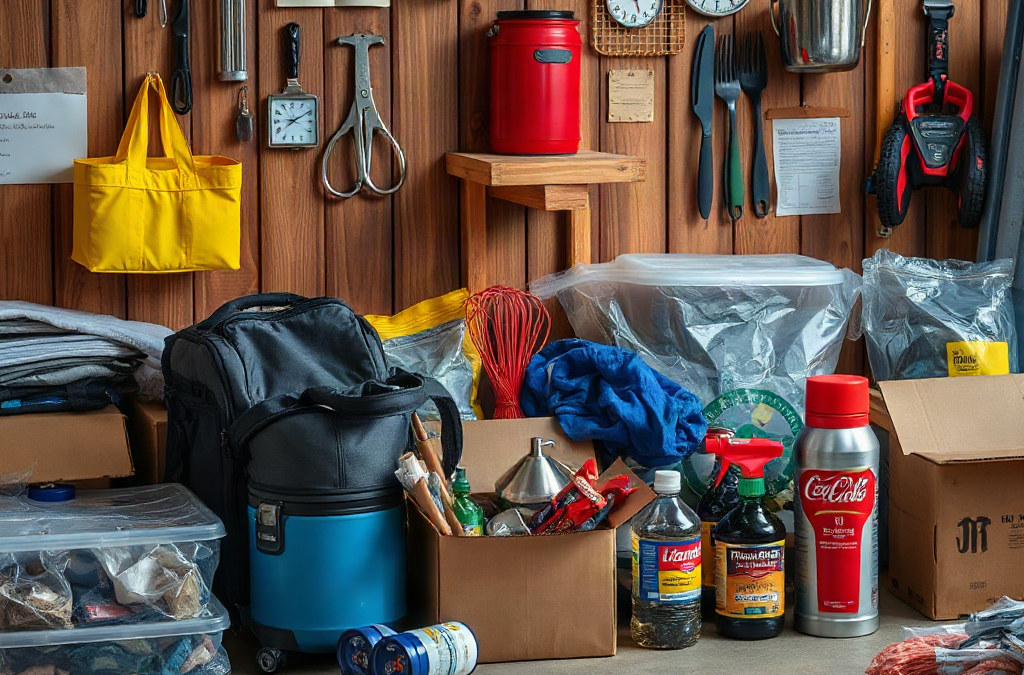
Prepare every needful thing with a practical readiness plan by identifying likely disruptions, covering essential needs, assigning responsibilities, and testing the plan before pressure rises. Prioritize drinking water, dependable food, medicines, lighting, sanitation, important documents, communications, and a realistic way to manage power or transport interruptions. Store supplies where they can be reached quickly, rotate dated items, and adapt quantities for children, older adults, pets, disabilities, and dietary restrictions. A plan that exists only on paper may fail when devices lose power or one person is unavailable, so rehearse contact methods, meeting points, shutoff procedures, and backup decisions. Review the arrangement after household, health, seasonal, or work changes.
Define Readiness Around Real Disruptions
A useful readiness plan begins with the disruptions a person or household could reasonably face, not with a long shopping list. A winter power outage, a temporary water interruption, a vehicle breakdown, a local evacuation notice, and a short period of illness create different demands. The same supplies may help in more than one situation, but the order of decisions changes. Cold weather makes warmth and power more urgent; evacuation makes portability and documents more valuable; a water interruption makes storage and sanitation central.
Write down the first effects of three or four plausible scenarios. Ask what stops working, who may need assistance, how long replacement services could take, and whether leaving or staying is safer. A practical plan should cover the first hours as well as several days. It should identify a meeting place, an out-of-area contact, medication needs, pet arrangements, transport options, and the location of utility shutoffs. Local government emergency offices and utility providers can help identify area-specific hazards, but the plan still needs household-level judgment.
Weak planning often assumes that every adult will be home, phones will remain charged, roads will be open, and a store will be reachable. Those assumptions are convenient but fragile. A caregiver may be at work, a child may be at school, or a person with mobility limitations may need more time and assistance. A paper contact sheet can be more useful than a phone-only list when a device is lost or its battery is depleted. Prepare every needful thing with a practical readiness plan by recording alternatives rather than relying on a single chain of events.
Start with a short risk-and-needs worksheet:

- List likely interruptions affecting food, water, power, transport, health care, and communication.
- Identify people, animals, equipment, and medications requiring special support.
- Mark two places to meet and two ways to contact one another.
- Separate supplies needed immediately from items useful only during a longer disruption.
The purpose is not to predict every event. It is to make the first decisions obvious when information is incomplete. A narrow, tested plan is more useful than an ambitious plan nobody can locate or maintain.
Build Supplies Around Needs and Constraints
Supplies should solve specific problems: drinking, eating, staying warm or cool, managing hygiene, treating routine health needs, receiving information, and moving safely. Begin with what people already use rather than buying specialized equipment first. Shelf-stable foods that fit normal diets are easier to rotate than unfamiliar emergency rations. Prescription medicines require particular attention because replacement timing, storage conditions, and clinician or pharmacy instructions may limit what can be kept in reserve.
Water deserves separate planning because it supports drinking, food preparation, and basic hygiene, yet stored water is heavy and takes space. Keep containers in a cool, suitable location and follow the container maker’s guidance. Do not assume a swimming pool, decorative water feature, or untreated outdoor source is automatically safe. If an official notice affects tap water, follow the stated treatment or usage instructions rather than improvising from memory.
Food selection involves a tradeoff between convenience, nutrition, storage life, and preparation requirements. Ready-to-eat foods reduce fuel and equipment needs, while dry foods may store efficiently but require water and heat. A household with an electric stove should not treat cooking fuel as its only fallback. Include a manual can opener, safe lighting, basic first-aid materials, sanitation supplies, backup charging options, and copies of important information. Keep fuel, batteries, and chemicals according to their labels and away from ignition sources.
Consider the person most likely to be missed by a generic inventory. An infant may need formula or feeding supplies; a diabetic household member may need temperature-sensitive medication and a monitoring routine; a pet may need food, medication, a carrier, and identification. Hearing, vision, cognitive, or mobility needs can change the usefulness of alarms, packaging, stairs, and transportation. A product is not a readiness asset if the intended user cannot open, carry, identify, or safely operate it.
Use a compact priority order before expanding the inventory:
- Immediate safety, prescribed treatment, drinking water, and sanitation.
- Food, temperature control, lighting, communication, and charging.
- Documents, cash access, transport support, tools, and comfort items.
Buying more is not always the best answer. A small apartment may benefit from compact multipurpose items and a clearly labeled grab bag, while a larger home may support separate storage points. The correct arrangement balances quantity with access, rotation, cost, and the ability to carry supplies if circumstances change.
Turn Supplies Into an Operating Plan
Stored items become useful only when people know what to do with them. Write short instructions for the first response: check for injuries, receive verified information, protect drinking water, contact designated people, and decide whether to remain or leave. Avoid instructions that depend on one person’s memory. A visible card can state where the main kit is kept, how to turn off utilities if appropriate, which medicines require special handling, and where household members should meet.
Assign responsibilities by task, not by assumption. One person might collect medications, another might secure pets, and another might monitor official updates. Include a substitute for every role. If a child is responsible for carrying a small kit, the task should be safe and age-appropriate; children should not be assigned utility shutoffs or hazardous equipment. A person working away from home needs a separate route and contact procedure rather than a vague promise to return.
Communication planning should include more than phone calls. Keep an external contact written on paper, agree on a short message format, and identify a meeting location if networks are congested. Battery-powered or hand-crank information devices may be useful, but they still require storage, testing, and familiarity. Printed maps and key addresses provide a backup when navigation applications cannot load or a route is blocked.
Evacuation and sheltering are different operating modes. An evacuation kit should be lightweight, portable, and document-focused; a stay-in-place arrangement can hold more water, food, sanitation supplies, and charging equipment. Do not combine everything into one heavy container. Separate a rapidly accessible bag from deeper household reserves, and keep essential medicines and identification with the person who may need them rather than in an inaccessible storage area.
A common failure is treating a checklist as a substitute for judgment. If an official instruction says to evacuate, a well-stocked home does not make staying appropriate. If smoke, flooding, extreme heat, or structural damage creates immediate danger, safety information and timely movement take priority over collecting possessions. Use official alerts for changing conditions, and preserve flexibility when the situation does not match the scenario originally imagined.
Test, Rotate, and Improve the Arrangement
Testing reveals failures that inventory counts cannot. Conduct a short household exercise during daylight, then examine whether each person can find the kit, read the contact sheet, open packages, use the lighting, and identify the meeting point. A useful test does not need to imitate danger. It can involve switching off selected devices briefly, preparing a meal without the usual appliance, or packing the evacuation bag within a set time.
Look for practical signals that the plan is working: people can explain their roles, supplies are reachable without moving heavy objects, dated products are being used in normal life, and a replacement is available before an item runs out. Warning signs include dead batteries, expired medicines, unlabeled containers, missing pet supplies, duplicate purchases, and instructions no one understands. Correct those failures before adding luxury items or advanced equipment.
Rotation protects both budget and reliability. Store ordinary foods that the household will actually eat, place newer items behind older ones, and review dates during a recurring household task such as a seasonal clothing change. Check water containers, chargers, batteries, flashlights, first-aid materials, documents, and clothing sizes. Temperature, moisture, pests, and sunlight can damage supplies even when their printed dates have not passed.
Cost constraints call for sequencing rather than abandoning the effort. First cover medication continuity, water, food that needs little preparation, lighting, sanitation, communication, and a way to leave safely. Add specialized gear only after the basic system works. A low-cost paper plan, a manual can opener, familiar foods, and a tested flashlight may deliver more practical value than an expensive device that depends on an unavailable network or complicated maintenance.
Review the arrangement after a move, new job schedule, birth, death, medical change, pet adoption, major purchase, or seasonal hazard. Invite every capable household member to identify one obstacle. Their observations often expose problems such as a kit stored too high, a route blocked by a locked gate, or instructions written in language one person cannot easily use.
Frequently Asked Questions
What should be prepared first?
Cover immediate safety, prescribed medicines, drinking water, sanitation, basic food, lighting, and communication before purchasing optional equipment.
How should supplies be organized?
Keep a quickly accessible bag for urgent movement and separate it from larger reserves used when staying home. Label locations and check that all users can reach them.
How can a readiness plan accommodate special needs?
List each person's medicines, mobility, sensory, dietary, communication, and transport needs, then assign a backup person and verify that supplies are usable.
How often should the plan be reviewed?
Review it at least seasonally and whenever household members, health needs, housing, work schedules, pets, or local risks change.
What is the most common planning mistake?
Relying on a stored checklist without testing it is common. Practice access, communication, cooking, lighting, and evacuation tasks so hidden problems become visible.
Further Reading
Authoritative Sources
- Ready.gov Emergency Kit
ready.govProvides federal guidance on assembling supplies for different household needs and disruptions
- Ready.gov Make a Plan
ready.govOffers planning prompts for contacts, alerts, household responsibilities, and evacuation decisions
- CDC Emergency Water Supply Guidance
cdc.govExplains practical considerations for water safety during interruptions and emergencies
- FDA Emergency Preparedness for Medicines
fda.govHelps readers consider medication storage, access, and continuity when normal services are disrupted
Conclusion
Readiness becomes dependable when it connects realistic disruptions to specific people, supplies, decisions, and backup methods. Put medicines, water, sanitation, familiar food, lighting, communication, and evacuation options ahead of specialized purchases. Separate portable essentials from stay-home reserves, document responsibilities, and account for anyone who may be away, need assistance, or care for an animal. Then test the arrangement: open the packages, use the equipment, follow the contact process, and check whether supplies remain safe and accessible. Replace what fails, rotate what dates, and revise the plan after household or seasonal changes. The goal is not to own everything; it is to make the next safe decision possible when ordinary services, information, or time are limited.
Related Content
- The Risks of Relying Only on Social Media for Advice: Misleading Information and Consequences
- The Risks of Overstocking Survival Food: Common Mistakes and Consequences
- Family Emergency Plans: Key Elements to Include
- 5 Essential Steps to Disaster Preparedness: Are You Ready
- Must-Have Emergency Gear: Essential Items for Preparedness




