
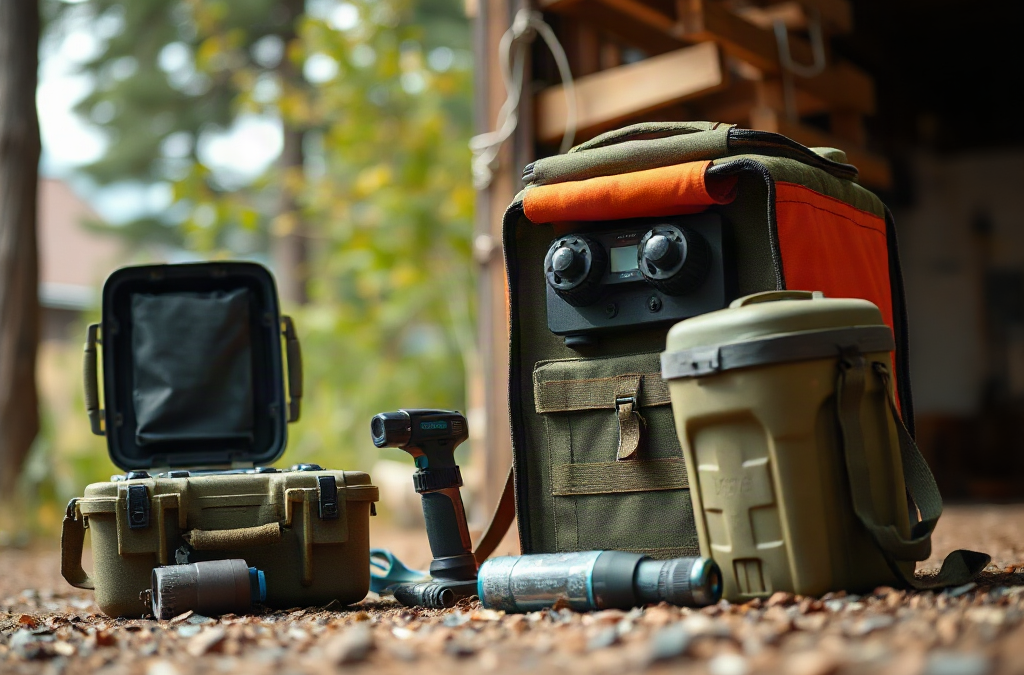
Prepper gear selection for low-maintenance readiness should favor durable, simple equipment that works without frequent charging, calibration, refilling, or specialized repairs. Prioritize water storage and treatment, shelf-stable food, lighting, first aid, communication, and basic tools, then test each item under realistic conditions before storing it. Mechanical options often outlast electronics when batteries are forgotten, but electronics can provide useful range and information when maintained properly. Choose common replaceable batteries, standardized connectors, corrosion-resistant materials, and supplies with visible expiration dates. The most common mistake is buying capability without assigning an inspection schedule, leaving dead batteries, degraded seals, expired medications, or unfamiliar equipment when it is needed.
What Low-Maintenance Readiness Actually Requires
Low-maintenance readiness is not the same as buying the fewest items. It means selecting equipment whose useful condition can be preserved with occasional inspection rather than constant charging, tuning, cleaning, or software support. A compact lantern with replaceable batteries may be more dependable for an infrequent user than a brighter rechargeable model that sits forgotten for a year. Likewise, a simple gravity water filter may suit a household better than a complicated treatment system that requires precise storage and several replacement parts.
The first decision is to identify the disruption the gear must cover. A short power outage, temporary water interruption, winter travel problem, and evacuation have different equipment demands. A household preparing for an outage may need lighting, water containers, food that requires little cooking, a manual can opener, and a way to receive local information. Someone preparing for vehicle travel may place greater value on tire equipment, warm layers, visibility gear, and a compact first-aid supply. Buying for an imaginary catastrophe often produces expensive equipment that is poorly matched to ordinary constraints.
Maintenance burden comes from more than moving parts. Batteries self-discharge, rubber seals age, adhesive fails, fuel can degrade, filters reach their service limits, and medicines expire. Electronics may become unusable when proprietary cables or companion applications disappear. Gear that depends on a single obscure cartridge creates a different vulnerability from gear that uses widely available batteries or standard fittings.
A useful test is to ask whether a person who did not pack the item could identify its purpose, operate it safely, and recognize when it needs service. If the answer is no, the equipment may still be worthwhile, but it requires labeling and practice. The prepper gear selection for low-maintenance readiness process should therefore measure both capability and ownership effort.

How to Choose Gear That Does Not Create a Chore
The strongest low-upkeep choices usually share four traits: straightforward operation, durable construction, common consumables, and visible service status. A stainless steel container, manual flashlight switch, ordinary batteries, and printed instructions are easier to manage than a device that relies on a custom application or an internal battery that cannot be replaced. Simplicity does not guarantee quality, but it reduces the number of ways neglect can make the item fail.
Compare total ownership effort rather than purchase price. A rechargeable lantern may cost more initially and provide excellent light, yet its value depends on periodic charging and battery health. A battery lantern may require spare cells and occasional testing, but it can remain ready through a longer storage interval if the cells are stored correctly. Neither option is universally better. A household that already rotates rechargeable equipment may prefer one charging system, while a household that rarely checks supplies may favor removable batteries and a dated inspection label.
Materials also influence upkeep. Coated metal, impact-resistant polymer, and replaceable fabric components can tolerate storage and handling better than delicate finishes or permanently bonded parts. Water-related items deserve special attention because cracks, pinhole leaks, and degraded gaskets may not be obvious until use. Store containers away from heat and sunlight, inspect seals, and avoid assuming that a product marketed for emergency use can be ignored indefinitely.
Use a simple selection screen before buying:
- Failure mode: What specifically makes the item unusable?
- Service need: Does it require charging, lubrication, cleaning, calibration, or replacement media?
- Supply chain: Can ordinary stores or common online suppliers provide its consumables?
- Storage fit: Will heat, moisture, freezing, or limited space damage it?
- Skill requirement: Can every intended user operate it without a long lesson?
The common mistake is treating extra features as extra resilience. A radio with scanning modes, recording, and multiple power inputs may be useful, but complexity adds opportunities for confusion. Choose the simplest model that satisfies the actual communication need, then keep its instructions and a compatible power option with it.
Building a Durable Priority Set by Function
Organize gear by the problem it solves rather than by product category. Water, light, information, temperature control, food preparation, health, and basic repair are practical functions that remain understandable during stress. This approach exposes gaps more effectively than collecting unrelated items from a shopping list.
Water and food preparation come first. Store water in sound, appropriately rated containers and include a treatment option that household members understand. Keep foods that can be eaten as stored or prepared with modest fuel and water. A manual opener, compact stove used according to its instructions, heat-safe cookware, and a way to measure water may matter more than a specialized cooking gadget. Food that requires several ingredients, refrigeration, or lengthy preparation creates hidden dependence on utilities.
Lighting and information should remain usable after dark. Keep more than one light source, but avoid collecting many incompatible charging systems. Headlamps are useful when both hands are occupied; lanterns illuminate a room; small lights help with close inspection. A battery radio may be useful for local updates, but it should be tested where it will be stored because reception varies by building and terrain. Printed contact information and a small amount of paper documentation remain useful when phones are unavailable.
Health and repair supplies need realistic boundaries. A first-aid kit should match the likely tasks: wound cleaning, dressings, gloves, blister care, and ordinary over-the-counter items used according to their labels. It should not substitute for professional medical care. Repair supplies might include strong tape, cordage, work gloves, basic hand tools, spare fasteners, and simple hardware. A multifunction tool is compact, but a dedicated screwdriver or adjustable wrench may be easier to use and replace.
Consider a winter outage in an apartment. A family may have more value from warm layers, blankets, water, ready-to-eat food, lighting, a thermometer, and a way to protect pipes than from a large outdoor shelter system. In a rural home, the priorities may shift toward stored fuel management, well-water contingencies, vehicle support, and longer-duration lighting. The low-maintenance readiness checklist should reflect the building, climate, mobility, and health needs of the people using it.
A weak assumption is that one premium item can cover an entire function. A high-capacity power station does not replace water storage, food, lighting redundancy, or a manual alternative. Capability should be distributed across a few dependable tools rather than concentrated in one device with a single failure point.
Testing, Storage, and Replacement Decisions
Testing converts stored equipment into known equipment. A short, scheduled exercise reveals whether the lantern has the right batteries, whether the stove can be used safely in its intended setting, whether the water container fits its storage location, and whether every household member understands the basic process. Testing also shows which products are uncomfortable, too noisy, too heavy, or too complicated to use.
Use the equipment under conditions that resemble its purpose without creating unnecessary danger. Run lights after dark, prepare a stored meal using the planned method, inspect first-aid contents, and assemble the repair tools for a minor household task. Do not operate fuel-burning appliances indoors unless the product instructions and local safety guidance explicitly permit the setting. Carbon monoxide risk makes improvised indoor fuel use especially hazardous.
Label supplies with purchase dates, opening dates, battery type, and the next inspection month. Group related items together, but do not seal everything into an inaccessible container. Clear bins or labeled pouches make missing supplies visible. Store moisture-sensitive gear in a dry location and keep critical instructions in printed form. Rotating consumables through normal household use is often more reliable than waiting for an annual purge.
Replace an item when its failure would create an unacceptable gap, not merely because a newer model exists. Replace cracked containers, swollen batteries, corroded contacts, damaged straps, degraded seals, and expired products according to the manufacturer’s directions. A product that still turns on may not be safe or dependable if its battery compartment is corroded or its filter has been stored beyond its recommended interval.
The best sign that a setup is working is low friction: users can find it, identify it, operate it, and return it without confusion. Signs of failure include unopened packaging, missing consumables, repeated charging reminders, unclear ownership, or equipment that no one wants to carry. The gear selection process should end with a smaller, tested set rather than an expanding pile.
Frequently Asked Questions and Conclusion
Low-maintenance readiness improves when equipment is matched to real disruptions, stored in suitable conditions, and checked often enough to expose deterioration. The goal is not zero maintenance; it is predictable maintenance that fits ordinary household routines.
Frequently Asked Questions
What gear should be selected first?
Begin with water storage, lighting, shelf-stable food, a manual opener, basic first aid, communication, and simple repair tools. Prioritize gaps that would affect safety within the first day of an outage.
Are rechargeable devices unsuitable for low-maintenance readiness?
No. Rechargeables can work well when a household already maintains a charging routine. Keep a compatible backup power source and a non-rechargeable alternative for essential functions.
How often should stored gear be checked?
Use monthly or quarterly checks for batteries, water containers, medicines, and frequently used equipment, with longer intervals only where the manufacturer permits them. Date every inspection.
What makes prepper gear difficult to maintain?
Proprietary batteries, fragile seals, uncommon filters, software dependence, unclear instructions, and storage in heat or moisture all increase failure risk and ownership effort.
Should expensive gear replace simple backup equipment?
Usually not for every function. A capable primary device can be paired with a simpler backup, especially for light, communication, water treatment, and cooking.
Conclusion
Low-maintenance preparedness depends on dependable choices that fit the people, space, climate, and disruptions being considered. Select equipment by function, examine its failure points, and favor standard consumables, durable materials, readable instructions, and manual alternatives where they add real value. Water, light, food preparation, health supplies, communication, and repair capability deserve priority before specialized equipment. Test the setup in ordinary conditions, label replacement dates, and remove products that are confusing or difficult to service. A smaller collection that remains accessible and familiar will usually outperform a larger collection left untested in storage. Review the setup after each exercise and replace only what solves a demonstrated weakness.
Related Content
- Survival Skills for Handling Earthquakes
- Prepping Your Family for Emergencies: Essential Supplies and Strategies
- 3 Suggestion On Acquiring Incredible Survival Bartering Power
- Storm Survival Kit Checklist: Essential Items for Effective Emergency Preparedness
- The Psychological Impact of Disasters and How to Cope




