
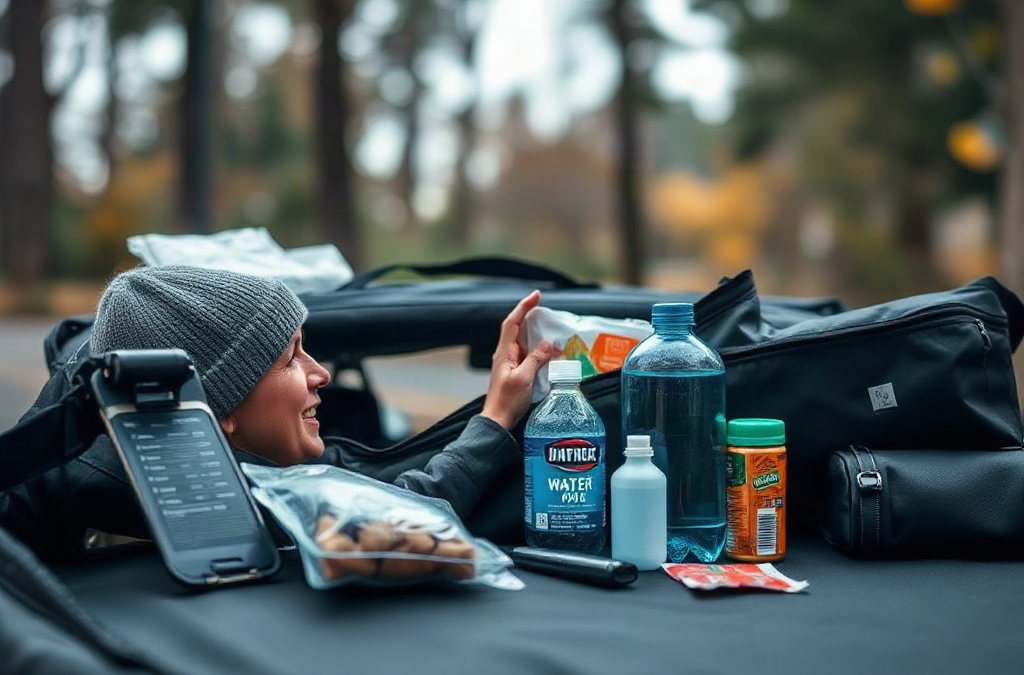
Miniprep kits for compact personal readiness are small, purpose-built sets that cover short disruptions without the weight, cost, or duplication of a full household reserve. A useful kit combines water access, compact food, basic first aid, light, communication support, hygiene items, essential medications, and a written contact card in a container you can carry and inspect. The 24-hour limit keeps priorities realistic, while a refresh routine catches expired medication, depleted batteries, damaged packaging, and missing documents. Avoid filling the kit with bulky gear or specialized tools you cannot use; reliable basics matched to your commute, health needs, climate, and likely delays provide more practical value.
What a Miniprep Kit Should Cover
A miniprep kit is best treated as a short-duration bridge, not a miniature version of a large emergency stockpile. Its job is to help one person remain safer and more functional during a delay, sudden closure, transportation problem, power interruption, or unplanned overnight stay. The compact format imposes a useful discipline: every item must solve a likely problem, serve more than one purpose, or protect a personal need that cannot be replaced easily.
Start by defining the situation the kit must cover. A commuter may need to walk home, wait several hours for transportation, or remain at work after public services slow down. A person who travels by car may need supplies for a roadside delay, while someone working remotely may need a small household grab pouch near the entryway. These scenarios do not require identical contents. A heavy blanket may be reasonable in a vehicle during cold weather but wasteful in a desk drawer.
A practical 24-hour kit usually addresses five functions: hydration, energy, basic health, visibility and communication, and personal continuity. Water is difficult to compress, so the kit may use a small sealed bottle, a collapsible container, or a method for obtaining and treating water where that is lawful and appropriate. Food should be familiar, shelf-stable, and usable without cooking. First aid should cover minor cuts, blister care, pain relief that the user already tolerates, and any prescribed medication that can be safely carried.
Personal continuity deserves equal attention. A contact card, small charging cable, spare cash, identification copy stored securely, glasses, menstrual supplies, hearing-device batteries, or allergy-related items may matter more than another general-purpose gadget. The common mistake is building around dramatic scenarios while ignoring the ordinary constraint that actually stops a person: a dead phone, inaccessible medication, wet socks, or inability to contact family.

Use Miniprep kits for compact personal readiness as a design exercise rather than a shopping category. Write down the first six hours of the likely disruption, then identify what could prevent movement, communication, warmth, hydration, or medication access. That list is more reliable than copying a universal checklist.
Choosing Compact Supplies Without Creating Gaps
Compactness should reduce friction, not merely reduce size. A tiny item that breaks easily, requires an obscure battery, or cannot be used in poor light is not automatically a good choice. The strongest supplies are familiar, durable, and easy to verify. Packaging matters as much as the object: a crushed food wrapper, leaking liquid, or loose medication can compromise the rest of the pouch.
Choose food according to calories, tolerance, temperature, and preparation limits. A nut-free bar, crackers, dried fruit, shelf-stable spread, or other familiar snack may work for one person, while allergies, dental limitations, diabetes, or medication timing may require a different combination. Avoid testing a new product during a disruption. A compact food item that causes stomach upset or cannot be opened without a knife has failed its main purpose.
Water planning requires realistic expectations. A small bottle provides immediate access but does not equal a full day of hydration, particularly in heat or during physical exertion. A collapsible bottle saves space when empty but may be less convenient to refill and more vulnerable to puncture. Water treatment products can be useful in specific travel or outdoor contexts, but instructions, expiration dates, and source-water limitations must be understood before relying on them.
Lighting and power deserve a similar comparison. A small LED light is usually more useful than a phone flashlight because it preserves the phone battery for communication and can be positioned hands-free. A power bank adds capability but also adds weight and needs periodic charging. Carrying a cable that does not match the phone, or storing a power bank at zero charge, creates false confidence. The practical test is simple: connect the cable, turn on the light, and confirm that both work before returning them to the kit.
Medical supplies need restraint and personalization. A few adhesive bandages, gauze, tape, antiseptic wipes, blister protection, and gloves may cover common minor problems. Prescription medication should remain in original labeling when possible and should follow the user’s clinician or pharmacist guidance. Do not substitute a generic medicine merely because it is small, and do not use the kit as a place to store loose pills without clear identification. The better tradeoff is a modest, familiar medical layer plus personal items that are genuinely difficult to replace.
Building the Kit for Work, Travel, and Home
The container should match the way the kit will move. A slim zip pouch works for a desk, backpack, or coat pocket; a brighter, tougher case may be better in a vehicle; and a small handled bag can serve a home entry point. The container should open quickly, resist ordinary moisture, and make missing items visible. Multiple small cases can be useful when one contains medication or hygiene supplies, but excessive compartmentalization makes inspection slower.
For a workplace kit, prioritize quiet, low-mess items that can stay in a drawer: sealed water, a familiar snack, compact light, charging cable, basic first aid, hand-cleaning supplies, a mask if the wearer uses one, and a contact card. Include weather-appropriate comfort items if the commute may involve walking, such as thin gloves or foldable rain protection. A desk kit should not depend on access to a kitchen, locker, or personal vehicle unless those are reliably available.
A vehicle kit can carry more weight but faces heat, cold, vibration, and theft risk. Food, medication, batteries, and adhesives may degrade faster in temperature extremes, so not every household kit belongs permanently in a car. A reflective item, water, work gloves, light, phone power support, basic first aid, and a paper map or local contact information may be more useful than a large collection of tools. Check vehicle-specific needs separately, because a tire problem and a personal delay require different equipment.
At home, a miniprep kit is most useful when it can leave with the person quickly. Place it near an exit rather than burying it in a storage room. It can hold a small radio or charging solution, light, medication information, hygiene supplies, snacks, water containers, and copies of essential contact details stored with appropriate privacy protection. If several people share the home, individual medication and comfort needs should not be hidden inside one undifferentiated communal bag.
One compact priority list is more useful than an overfilled pouch:
- First: medication, glasses, communication, and personal medical needs.
- Second: water access, familiar food, light, and weather protection.
- Third: basic first aid, hygiene, documents, cash, and small repair items.
- Last: specialized tools, duplicate gadgets, and items included only because they appear on broad lists.
Compare the kit with the alternative of carrying nothing. The purpose is not to eliminate every inconvenience; it is to prevent a short interruption from becoming a medical, communication, or mobility problem. A commuter who already carries water and a power bank may need only the missing pieces, while a person with no regular carry system may benefit from a slightly larger pouch. Reusing a Miniprep kits for compact personal readiness checklist is sensible only after adapting it to the person and location.
Testing, Refreshing, and Improving the Kit
A kit becomes dependable through use and inspection, not through assembly alone. Test it under the conditions in which it may be needed: open the food with cold or wet hands, locate the light without turning on a room light, connect the charging cable, and read medication labels. These small trials expose problems that a visual inventory misses.
Run a short access test every few months and whenever the kit changes location. Check seals, leaks, battery charge, cable compatibility, food dates, medication dates, and the legibility of contact information. Seasonal changes should alter the contents: hot-weather commuting may call for sun protection and additional water planning, while cold-weather travel may require gloves, warmer layers, or a safer way to stay visible. Do not assume that a kit stored in a temperature-controlled room can be moved to a vehicle without review.
Look for signs that the design is working. The user can name the location of each critical item, open the container quickly, identify what needs replacing, and carry it without abandoning it for being uncomfortable. Failure signs include supplies remaining unused because they are inconvenient, multiple dead batteries, food that no one will eat, missing medication, or a pouch so full that its contents cannot be found. Each failure points to a design change rather than a need for more gear.
Refresh the kit after travel, illness, a weather change, a phone replacement, a move, or a change in work schedule. Replace consumed items immediately instead of waiting for the next scheduled check. Keep a small note inside with the inspection month and any item that must be remembered, but avoid writing sensitive health details where strangers could read them.
The most common misconception is that a larger kit is automatically safer. More equipment creates more weight, more maintenance, and more opportunities for confusion. A smaller kit with tested items, accurate personal information, and a clear purpose is often easier to carry and more likely to be present when needed. For related planning, the Miniprep kits for compact personal readiness approach works best when it is reviewed alongside household supplies rather than treated as a replacement for them.
For additional planning, consult local public-safety agencies, transportation providers, workplace policies, and medication guidance from a pharmacist or clinician. Those sources can clarify conditions that a generic compact kit cannot, including local weather, travel restrictions, accessibility needs, and safe medication storage.
Frequently Asked Questions
How large should a miniprep kit be?
It should hold the supplies needed for the intended short disruption without becoming too heavy or difficult to access. A desk pouch, backpack insert, vehicle case, and home grab bag may each need a different size.
Should water be included in a compact readiness kit?
Yes, when practical, but treat a small bottle as immediate support rather than a complete daily supply. Add a refill approach only if its use and limitations are understood.
What food works best in a small kit?
Choose familiar, shelf-stable food that matches allergies, dietary needs, medication timing, and the available preparation method. Test packaging before storing it.
Can medication be kept in a miniprep kit?
Personal medication needs should be planned with a pharmacist or clinician. Keep identification clear, respect storage requirements, and avoid relying on unlabeled loose tablets.
How often should the kit be checked?
Inspect it every few months and after use, travel, seasonal changes, a phone change, or any change in health or schedule. Batteries, food, seals, cables, and medication deserve particular attention.
Conclusion
A compact readiness kit earns its place by solving the disruptions most likely to affect the person carrying it. Define the scenario first, then protect medication access, communication, hydration, food, light, basic health, and weather comfort before adding specialized equipment. Match the container to its location, test every item in realistic conditions, and remove supplies that are too fragile, unfamiliar, or difficult to maintain. A workplace pouch may need different choices from a vehicle case or home exit bag, and none should be treated as a complete substitute for larger household planning. Build a modest first version, carry it for a normal week, note what was awkward or missing, and revise it during the next inspection rather than buying more items by default.




