
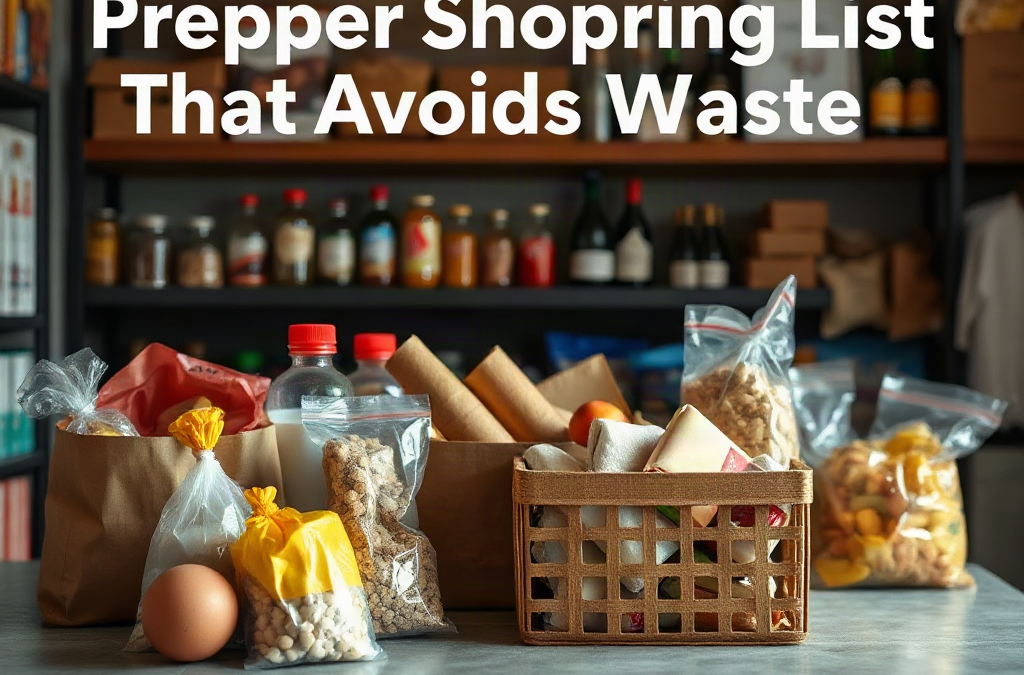
An individual material readiness list for solo preppers should cover water, shelf-stable food, medications, sanitation, lighting, communications, power, documents, and basic repair supplies for the disruptions most likely to affect one person. A practical 30-day system separates immediate-use items from reserve stock, stores water in manageable containers, accounts for prescription timing, and includes equipment that can be operated without assistance. Test every critical item before relying on it, especially radios, battery banks, can-openers, water treatment methods, and cooking equipment. Avoid buying a large mixed kit first; a smaller, documented supply set matched to your living space, health needs, climate, and transport options is easier to maintain and more useful.
Build the Readiness Baseline Around One Person
A solo readiness list should begin with the conditions of the individual, not with a preassembled kit. One person may need fewer total calories than a household, but there is no second person to share lifting, monitoring, cooking, navigation, or first aid. That changes the material priorities. Supplies should be compact enough to move, simple enough to use while tired, and arranged so that a critical item can be found in darkness or during a stressful interruption.
Write down the disruptions that are plausible where you live: a short power failure, several days without safe tap water, severe weather, evacuation, a heating interruption, or temporary store and pharmacy access problems. Then identify the time horizon for each. A winter apartment outage calls for warm layers, safe lighting, and a communication method; a rural evacuation may place greater emphasis on fuel, vehicle supplies, and paper navigation. A single universal list usually wastes money because it treats every risk as equally likely.
Use three storage layers rather than one oversized cache. Keep a small grab-and-go pouch for identification, medication, light, phone power, and water. Store daily-use household reserves where they are easy to reach. Maintain a deeper reserve for less frequent disruptions. The arrangement should reflect mobility: heavy water containers may be sensible in a fixed dwelling but impractical if you may need to leave quickly. The related Individual material readiness list for solo preppers can be used as a cross-check after the personal baseline is written.
A common mistake is counting objects instead of capabilities. A flashlight without spare batteries is incomplete, and food that requires fuel, water, or equipment you do not possess is not a fully usable meal. Record the item, quantity, location, expiration or replacement date, and the condition that would trigger use. That short inventory turns a pile of purchases into an operating system for one person.

Prioritize Water, Food, and Medication Supplies
Water deserves the first storage decision because dehydration, cooking limitations, and sanitation problems can appear together when service is interrupted. Store commercially packaged water or food-grade containers, and divide the supply into containers that one person can safely lift and pour. Keep some water accessible for immediate drinking rather than placing every container in a basement, vehicle, or high shelf. A treatment method can extend options, but it does not replace stored water for every need.
Food should be selected by use, not novelty. Choose items you already tolerate and can prepare with the available heat source: canned fish, beans, vegetables, oats, rice, nut butter, dried fruit, crackers, shelf-stable milk, and ready-to-eat meals can serve different roles. Include a manual can opener, utensils, and a way to manage packaging. Foods with high salt content may increase thirst, while dry staples require additional water and cooking fuel. Ready-to-eat foods cost more per serving but reduce dependence on power and fuel.
Build meals before buying quantities. A solo prepper might test a two-day menu using stored foods, then note water use, cooking time, waste, and whether the portions work. That trial exposes weak assumptions such as buying a large bag of grain without a stove or storing food that causes digestive problems. For longer storage, rotate normal groceries into the reserve so dates remain visible and familiar items are consumed before quality declines.
Medication planning requires individual judgment and coordination with a prescriber or pharmacist where appropriate. Keep an accurate medication list with names, doses, prescribing information, allergies, and relevant medical contacts. Store prescribed medicines according to their labeling, and do not assume that heat, freezing, moisture, or prolonged vehicle storage is harmless. Include ordinary personal-care items that are easy to overlook, such as glasses, hearing-aid batteries, menstrual supplies, mobility aids, and backup medical devices.
The weak alternative is a generic “survival food” box that looks complete but ignores allergies, chronic conditions, dental needs, or preparation limits. A smaller rotation of familiar food and documented medical supplies is often more reliable than a larger assortment that has never been opened. For sanitation and illness-related needs, the individual material readiness list should be reviewed alongside household health instructions and product labels.
Cover Light, Power, Communication, and Sanitation
Lighting and power preserve independence during an outage. Keep a headlamp for hands-free work, a separate flashlight for distance or signaling, spare batteries in their original packaging or a protected case, and a charged power bank with the correct phone cable. Rechargeable batteries can reduce waste, but they create a dependence on charging equipment; disposable batteries can be easier to replace but should be checked for leakage and age. Choose the arrangement that matches your normal habits rather than buying technology you will not maintain.
Communication supplies should work when mobile data does not. A battery or hand-crank radio may provide local alerts, while a paper contact list prevents a dead phone from becoming an information barrier. Write down an out-of-area contact, nearby meeting locations, utility numbers, medical contacts, and important addresses. Keep a whistle where it can be reached quickly, but treat it as a signaling tool rather than a substitute for a communication plan. Test the radio at home and learn which controls operate it before a crisis.
Sanitation is a practical health and morale issue. Store toilet paper, soap, hand sanitizer, toothbrush supplies, wipes, absorbent bags, gloves, disinfecting products, and menstrual or incontinence supplies as applicable. If water service may fail, plan how the toilet will be managed and where waste can be contained without contaminating food or living areas. Follow local disposal guidance for any emergency waste arrangement; improvised systems may create odor, leakage, or exposure problems.
A useful test is a no-power evening. Turn off normal lighting, prepare a simple meal, charge a phone only from the stored power source, and complete basic cleanup using the stored sanitation supplies. Notice whether cables fit, whether the light creates glare, whether the power bank has enough capacity for the actual devices, and whether water is being consumed faster than expected. Buying a larger battery does not solve an incompatible connector, and a sophisticated solar panel may produce little useful charge in poor weather or a shaded location.
Keep the everyday operating items together in a clearly labeled location. One small tote can hold lighting, charging, radio, batteries, and paper information, while sanitation and water remain stored separately for weight and access reasons. The goal is not technological redundancy for its own sake; it is the ability to maintain light, receive information, preserve hygiene, and contact help without depending on one fragile device.
Choose Tools, Documents, and Transport-Safe Equipment
Tools should solve likely tasks rather than imitate a large workshop. A multitool, adjustable wrench, screwdrivers, pliers, utility knife, duct tape, work gloves, zip ties, cordage, and basic fasteners can address minor household problems. Add a fire extinguisher appropriate for the dwelling and learn its operating instructions. Do not treat candles, camp stoves, generators, or fuel-burning heaters as automatically safe indoors; carbon monoxide and fire hazards require strict adherence to manufacturer directions and local safety guidance.
First aid materials should match the user’s training and likely environment. Adhesive bandages, sterile dressings, gauze, tape, antiseptic supplies, disposable gloves, tweezers, and a thermometer cover ordinary minor needs, while more advanced equipment is only useful if the user knows how to apply it. Check package integrity and replace dried, contaminated, or expired contents. A large trauma kit can create false confidence when the owner has never practiced with its contents.
Documents are physical readiness materials, not administrative extras. Keep copies of identification, insurance information, prescriptions, emergency contacts, property details, and essential account or access instructions in a waterproof sleeve. Protect sensitive information from casual exposure and update copies when details change. A modest amount of accessible cash may be useful during payment-system interruptions, but the amount and storage method should reflect personal security and local conditions.
Solo mobility changes the value of every item. A person who may evacuate on foot should favor compact, multipurpose supplies and a comfortable pack over heavy duplicate gear. A vehicle-based plan can carry more water and tools but must account for heat, cold, theft, and maintenance. Test the load by walking with it or lifting it into the vehicle. If the pack prevents safe movement, the list is too ambitious. If an item has only one rare use and consumes substantial space, compare it with a lighter alternative.
Use a simple priority order when funds are limited: water containers and safe drinking options, medication and personal health supplies, food that needs little preparation, lighting and phone power, sanitation, documents, then specialized tools. This does not mean tools are unimportant; it means a wrench cannot compensate for missing water or an inaccessible prescription. The solo-prepper materials list should be adjusted after each real-world test rather than expanded automatically.
Test, Rotate, and Improve the Supply Set
Readiness is demonstrated by use. Schedule a short inspection each month and a more complete exercise several times a year. Check water containers for leaks, batteries for corrosion, food dates and package damage, medication records, radio operation, charger compatibility, and the condition of shoes, clothing, gloves, and bags. Replace what was consumed immediately instead of waiting for the next inspection.
Run scenarios that expose dependence on normal services. Prepare a meal without the usual appliance, spend several hours without mains power, locate documents using only a flashlight, and carry the evacuation bag to the intended exit. A written log should capture what failed: perhaps the can opener was awkward, the radio instructions were unclear, the water container was too heavy, or the power bank was empty because it had been used for travel. Each failure gives a specific correction.
Rotation is more than watching expiration dates. Use older food in ordinary meals, refill the reserve with newly purchased items, and keep the replacement date for batteries and filters visible. Store supplies according to manufacturer instructions, particularly products affected by temperature and moisture. Avoid transferring liquids or chemicals into unmarked containers; loss of labeling can cause dangerous mistakes under pressure.
Do not let a readiness list become a reason to delay basic training. Learn how to shut off utilities, use the fire extinguisher, treat minor wounds, read local alerts, and operate the equipment you own. Training may reduce the amount of specialized material required, while unfamiliar equipment may increase risk despite its apparent usefulness. Ask whether each item is accessible, usable, replaceable, and suited to the scenario it is meant to address.
After testing, revise the list by capability rather than shopping category. Mark each item as present, usable, missing, or needing replacement. The finished inventory should tell you what you can drink, eat, clean, power, communicate, carry, and document during a disruption. That direct evidence is more valuable than a longer list with untested assumptions.
Frequently Asked Questions
What should a solo prepper buy first?
Begin with safe water storage, prescribed medications and medical information, familiar food requiring little preparation, lighting, phone charging, and sanitation supplies. Add tools after these basic capabilities are covered.
How much food should one person store?
Choose a time period based on local risks and budget, then build tested meals for that period. Count usable portions and preparation requirements rather than relying on the number of packages.
Is a ready-made emergency kit enough for one person?
Usually not by itself. Commercial kits may omit prescriptions, glasses, dietary needs, suitable clothing, document copies, and equipment compatible with your phone or living space.
How can a solo prepper keep supplies portable?
Separate grab-and-go items from stationary reserves, use multipurpose tools, test the packed weight, and remove equipment that is difficult to carry or requires skills you do not have.
How often should readiness supplies be checked?
Inspect frequently used and perishable items monthly, and conduct a practical equipment test several times each year. Replace consumed, damaged, incompatible, or poorly stored items promptly.
Further Reading
Authoritative Sources
- Build a Kit
ready.govProvides government guidance on assembling supplies for different emergencies, including water, food, medical items, documents, and communication tools
- Emergency Water Supply and Treatment
cdc.govExplains safe handling and treatment considerations when normal water service is disrupted
- Emergency Preparedness for Your Medications
fda.govOffers medication-storage and emergency planning information relevant to personal supply decisions
- Survival Kit Supplies
redcross.orgLists common emergency supplies and highlights personal needs that generic kits may omit
Conclusion
A useful solo-prepper supply set is built around personal constraints, likely disruptions, and demonstrated capability. Put water, medication access, familiar food, sanitation, light, communication, and essential documents ahead of specialized gear. Divide materials between an evacuation pouch, accessible household reserves, and deeper storage so one failure or a sudden departure does not remove every option. Test meals, charging equipment, radios, containers, tools, and carrying weight before an outage exposes their weaknesses. Keep labels and dates visible, rotate ordinary supplies through the reserve, and revise the inventory after each exercise. The next step is a written audit: identify what you can safely drink, eat, clean, power, communicate, and carry today, then purchase only the missing capability that addresses the highest practical risk.
Related Content
- Navigate Life’s Challenges: A Practical Basic Readiness Guide for Every Situation
- Storm Survival Kit Checklist: Essential Items for Effective Emergency Preparedness
- The Top 5 Emergency Survival Hacks You Need to Know
- 10 Effective preparedness essentials Every Smarter Person Needs in 2025
- How to Create an Effective Evacuation Plan




