
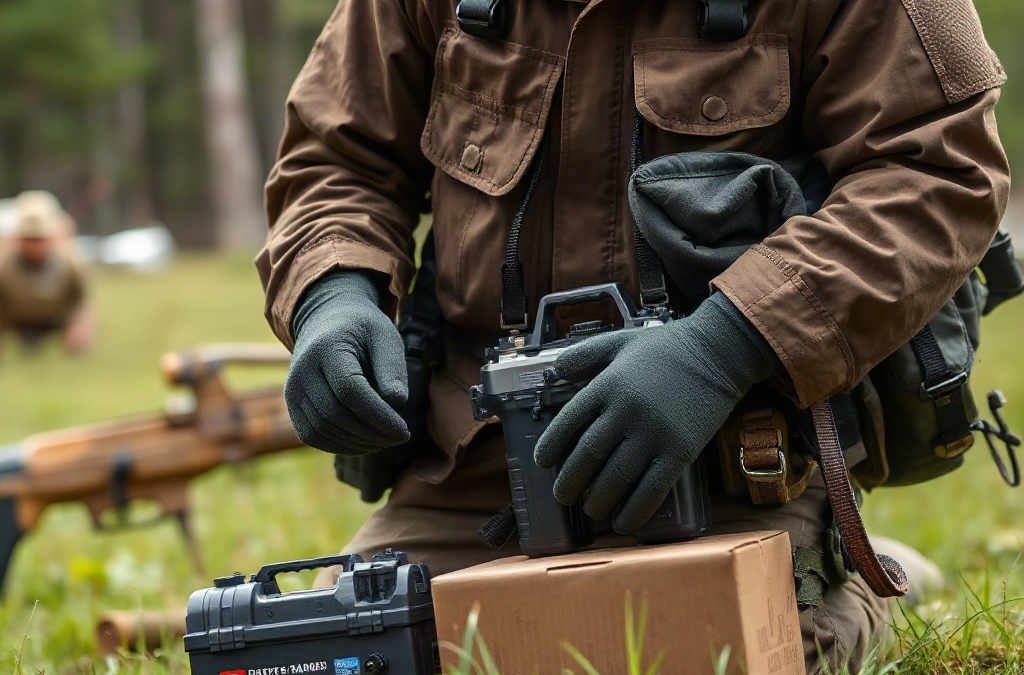
Prepper equipment checks before deployment should confirm that batteries hold charge, containers and seals keep out moisture, clothing and packs fit correctly, and every critical tool works under realistic conditions. Test items in the order they would be used, beginning with communication, lighting, water, medical, navigation, and shelter equipment. Replace expired consumables, inspect cords and closures for damage, and carry compatible spares rather than assuming a device will work because it powered on once. A short loaded walk can expose shoulder pressure, loose straps, hot spots, and inaccessible supplies before they become operational problems. Record failures, correct them, then repeat the check after repacking.
Define the Deployment Load Before Inspecting Gear
Equipment checks are more reliable when they begin with the actual task, route, duration, weather exposure, and transport method. A vehicle-based evacuation load has different priorities from a foot deployment, and a short relocation does not justify the same weight as an overnight movement. Inspecting every item without deciding how it will be used first creates a tidy inventory but may leave critical equipment buried, incompatible, or too heavy to carry.
Separate equipment into three groups: mission-critical items, support items, and convenience items. Mission-critical gear might include water containers, a means of communication, navigation tools, lighting, first-aid supplies, weather protection, and required medication. Support items such as repair tape, cordage, spare batteries, and sanitation supplies make the primary equipment usable. Convenience items can be removed when their weight, bulk, or maintenance burden exceeds their value.
A useful inspection follows the order of use rather than the order in which items were purchased. For example, a person leaving after a power outage may need shoes, identification, keys, a phone, lighting, water, and navigation access before opening a larger pack. If the flashlight is beneath food and spare clothing, the pack may technically contain the right supplies while still failing at the first dark doorway.
Build a simple deployment profile before checking the contents:

- Destination and duration: identify whether the load supports hours, one night, or several days.
- Movement method: account for vehicle storage, public transport, or sustained walking.
- Environmental exposure: consider rain, heat, cold, dust, and darkness.
- Personal constraints: include prescriptions, eyewear, mobility needs, and child or pet supplies.
The common mistake is treating a stockpile list as a deployment plan. A large supply of canned food does not solve a mobility problem if the load cannot be lifted, and a sophisticated radio offers little value if the user has not charged it, programmed it lawfully, or practiced its basic controls. Use Prepper equipment checks before deployment as a working process: decide the scenario, assign each item a job, then test whether the item performs that job.
Test Power, Communication, and Lighting Equipment
Power-dependent equipment should be tested under use conditions, not merely switched on for a few seconds. Batteries lose capacity during storage, contacts can corrode, charging cables fail, and proprietary connectors may leave a working device unusable when its only cable is damaged. A functional test should confirm the device, its power source, its controls, and the accessories needed to operate it.
Start with the equipment that would affect safety or coordination most directly. Charge phones, radios, power banks, and rechargeable lamps; then verify that each charger works from the intended source. Test a power bank by connecting it to the actual phone or lamp rather than relying on the indicator lights. Inspect battery compartments for swelling, leakage, corrosion, or loose springs. Damaged lithium-ion batteries should not be carried or charged; follow the manufacturer’s disposal guidance instead.
Communication checks should include contact information, volume, signal assumptions, and a backup method. A phone may be useful when networks are available but cannot be treated as the only communication plan. Write important numbers on paper, keep a small charging cable with the device, and confirm that any radio accessories match the radio model. Do not assume that a radio provides communication simply because it receives a broadcast; transmission procedures, coverage, licensing requirements, and local conditions may differ.
Lighting deserves a hands-on test because darkness changes how quickly small defects become serious. Check the switch, beam, headband, clip, battery door, and spare batteries. A headlamp can leave both hands free for a repair or stair climb, while a handheld light may be easier to aim and share. Neither choice is universally better: select according to the task and carry a backup light that uses a different stored power source when practical.
A common failure is mixing loose batteries with metal objects, which can create heat or short circuits. Keep spare cells in protective packaging, label rechargeable packs with their last charge date, and replace questionable batteries before departure. The deployment equipment check is complete only when power, cables, adapters, and operating knowledge work as one system.
Inspect Water, Shelter, Clothing, and Containers
Water and shelter equipment should be checked for cleanliness, integrity, access, and compatibility. Examine bottles and reservoirs for cracks, damaged threads, leaking caps, odors, or degraded seals. Open stored water-treatment products and confirm their expiration information and instructions remain readable. A filter should be inspected according to its manufacturer’s guidance, including its seals, fittings, flow condition, and storage requirements; do not assume a dry or previously used filter is ready without checking those details.
Shelter failures often begin with small defects: a pinhole in a tarp, a missing cord lock, a bent tent pole, a sticky zipper, or a groundsheet packed with moisture. Set up the shelter at least once before deployment. This reveals whether the poles, stakes, guy lines, and rain cover are present and whether the packed configuration can be repeated in poor light. Compare a lightweight shelter with a more protective one according to exposure and carrying capacity. Saving weight may be sensible for a short, mild trip but costly when wind, rain, or cold makes drying and insulation difficult.
Clothing should be evaluated as a layered system rather than as a pile of garments. Check fasteners, soles, laces, waterproof layers, insulation, gloves, head protection, and spare socks. Wear the intended footwear with the actual load and walk long enough to expose rubbing or pressure. A boot that feels acceptable indoors may create a hot spot after an hour, while a lightweight shoe may dry faster but offer less protection on rough ground.
Containers are part of the equipment, not just packaging. Inspect pack stitching, zippers, buckles, compression straps, dry bags, and internal organization. Test whether frequently needed items can be reached without unpacking everything. A waterproof liner can protect contents, but it should not become an excuse to ignore a leaking pack or place vital medication beneath wet gear.
The weak assumption is that new equipment is automatically deployment-ready. Factory packaging can hide missing parts, and older gear can look clean while its elastic, adhesive, foam, or rubber has deteriorated. Make a small wet-weather and low-light setup test, then correct failures before the load is sealed. For additional planning context, review Prepper equipment checks before deployment alongside the specific instructions supplied with each product.
Run a Loaded Trial and Correct Failure Points
A loaded trial converts an inventory into evidence. Pack the equipment exactly as it would travel, put it on, and complete a realistic movement such as stairs, a short walk, vehicle loading, or a change between indoor and outdoor conditions. The purpose is not athletic performance; it is finding failures in balance, access, comfort, and sequence while correction is still easy.
Pay attention to where the load presses, shifts, swings, or blocks movement. Shoulder straps that loosen during walking, a hip belt that cannot carry weight comfortably, or a water bottle that falls out of its pocket can make a technically complete pack unreliable. Adjust the fit with the pack loaded, and place dense items close to the body while keeping fragile or frequently accessed items protected. A lighter load is usually preferable to carrying every possible contingency, but removing water, weather protection, medication, or communication equipment simply to reduce weight creates a different risk.
Practice the first five minutes of deployment. Can you retrieve shoes, keys, identification, light, phone, and water without searching? Can you access a rain layer before the pack contents become wet? Can you locate the first-aid kit while wearing gloves? These small tests expose poor organization more effectively than rereading a checklist.
Use a simple failure log after the trial:
- Observed problem: record exactly what happened, such as a leaking bottle or painful strap.
- Likely cause: distinguish poor fit, damaged equipment, missing accessory, or unrealistic packing.
- Correction: repair, replace, relocate, reduce, or add a compatible backup.
- Retest condition: repeat the scenario that revealed the problem.
One common mistake is fixing the symptom without checking the system. Moving a flashlight may improve access, but it does not help if the batteries are weak; adding padding may reduce pressure while making the pack too large for its storage space. A successful trial ends when the equipment remains accessible and comfortable after the same movement that previously exposed the defect.
Use a Final Sign-Off and Maintenance Record
The final check should be a controlled sign-off, not a rushed glance at an open bag. Group items by function, confirm quantities and condition, and record dates for batteries, water-treatment supplies, medications, fuel, and other time-sensitive contents. Keep the record with the storage location or in a digital note that can be accessed without relying on a single device.
Prioritize defects by consequence. A torn snack bag is inconvenient; a failed water container, missing prescription, dead communication device, or unusable shelter component can change the safety of the deployment. Correct high-consequence failures first, then address comfort and convenience. If replacement is not immediately possible, mark the limitation clearly and choose a safer alternative rather than allowing the bag to appear complete.
Storage conditions influence the next inspection. Heat, moisture, sunlight, compression, and rodents can damage batteries, elastic, adhesives, food packaging, and fabrics. Keep equipment in a location where it can be reached and inspected, but avoid sealing items so tightly that opening the container becomes a project. After every real use, return items to assigned locations and replace consumables promptly.
Recheck the load after seasonal changes, major travel, illness, a change in household members, or any equipment substitution. A winter clothing layer may be excessive in hot weather, while a summer load may lack insulation when temperatures fall. The record should answer three questions: what was tested, what failed, and what changed afterward. That history is more useful than a checklist marked complete without observations.
Deployment equipment is trustworthy when it has been handled, worn, opened, charged, and used in the conditions it is expected to face. A final sign-off should confirm not only possession but access, compatibility, condition, and user familiarity.
Frequently Asked Questions
How often should deployment equipment be checked?
Inspect critical equipment before each deployment and after every use. Perform a broader seasonal review to catch battery degradation, expired supplies, clothing changes, and damage from storage.
What should be tested first in a prepper load?
Test items that affect immediate safety and coordination first: lighting, communication, water access, medication, navigation, weather protection, and the ability to carry the load.
Should every piece of equipment have a backup?
Back up high-consequence failures rather than duplicating everything. A spare light, charging method, water container, or navigation option may matter more than a second convenience tool.
How can I tell whether a pack is too heavy?
Wear it during a realistic walk and watch for altered balance, shoulder or hip pain, restricted breathing, rubbing, or difficulty accessing essentials. Remove low-value items before sacrificing water or safety equipment.
What is the most overlooked equipment failure?
Compatibility failures are common: the cable does not fit, the filter connector leaks, the battery type is wrong, or a replacement part is missing. Test complete systems, not isolated products.
Conclusion
A sound pre-deployment check proves that equipment can be found, carried, powered, and used under the conditions that matter. Define the movement scenario first, then test high-consequence systems such as water, communication, lighting, medication, shelter, and footwear. Inspect seals, batteries, closures, cords, and pack fittings instead of trusting appearance or purchase date. A loaded trial often reveals more than an inventory review because it exposes discomfort, poor access, and incompatible components. Record every failure, correct the cause, and repeat the same test before departure. The final load should be compact enough to move with, organized for fast access, and supported by backups where a single failure would create an unacceptable problem.




