For instance, heavy rainfall can lead to flooding, making certain roads impassable and isolating communities. Similarly, extreme heat can increase the risk of heat-related illnesses, necessitating additional cooling supplies and hydration plans. As a result, it is vital to regularly review and update your emergency plans to reflect current weather trends and forecasts.
The direct answer to The Impact of Weather on Your Preparedness Strategy: Key Considerations for Effective Planning depends on impact, weather, preparedness and the specific conditions described in the article. For instance, heavy rainfall can lead to flooding, making certain roads impassable and isolating communities.
Understanding Local Weather Patterns
Understanding local weather patterns is crucial for developing a robust preparedness strategy. Each region has unique climate characteristics that can influence the types of emergencies you may face. For example, coastal areas might be more susceptible to hurricanes, while inland regions may experience severe thunderstorms or tornadoes. Being aware of these patterns allows you to tailor your emergency plans accordingly.
Additionally, monitoring seasonal changes can help you anticipate potential challenges. For instance, knowing that your area experiences heavy snowfall during winter can prompt you to stock up on snow removal equipment and winter supplies. Ignoring these patterns may lead to unpreparedness during critical situations.
Preparing for Extreme Weather Events
Preparing for extreme weather events is a vital aspect of any preparedness strategy. These events can disrupt daily life, impact infrastructure, and pose serious risks to personal safety. To effectively prepare, identify the types of extreme weather that are most likely to occur in your area and develop specific plans for each scenario.
For instance, if you live in a hurricane-prone region, ensure you have a detailed evacuation plan, emergency contacts, and a supply kit that includes food, water, medications, and other essentials. Similarly, for areas prone to wildfires, create a defensible space around your home and gather necessary documents in a fire-safe container. Tailoring your preparations to specific threats can significantly improve your resilience.
Resource Management Based on Weather
Resource management based on weather conditions is critical for maintaining an effective preparedness strategy. The availability of supplies can vary significantly with changing weather. For instance, heavy rainfall may lead to supply shortages or transportation disruptions, making it essential to stockpile necessary items in advance.
Moreover, consider the types of resources you might need during different weather conditions. During a heatwave, prioritize hydration and cooling supplies, while in winter, focus on warmth and snow removal equipment. By proactively managing your resources based on anticipated weather conditions, you can ensure you are better prepared for any emergency.
Adjusting Your Emergency Plans
Adjusting your emergency plans to reflect changing weather patterns is crucial for maintaining their effectiveness. As climate conditions evolve, so too should your strategies and resources. Regularly review and update your plans based on seasonal forecasts and long-term climate trends.
For example, if your region is experiencing more frequent flooding, consider relocating critical supplies to higher ground or investing in flood-resistant storage options. Staying flexible and responsive to weather changes ensures that your preparedness strategy remains relevant and effective.
Offers resources and guidance on preparing for emergencies, including weather-related disasters
Frequently Asked Questions
How does weather affect emergency preparedness?
Weather affects emergency preparedness by influencing resource availability, safety measures, and evacuation routes, requiring tailored planning for different conditions.
What should I include in my emergency kit for extreme weather?
Your emergency kit should include food, water, medications, first aid supplies, flashlights, batteries, and weather-appropriate clothing.
How can I stay informed about local weather conditions?
Stay informed by subscribing to local weather alerts, using weather apps, and following official meteorological services on social media.
What are the most common mistakes in weather preparedness?
Common mistakes include underestimating the severity of weather events, not having an updated emergency plan, and failing to stockpile necessary supplies.
How often should I update my emergency plans?
You should review and update your emergency plans at least once a year or whenever significant weather pattern changes occur.
Conclusion
Incorporating the impact of weather into your preparedness strategy is essential for effective planning and response. By understanding local climate patterns, preparing for extreme weather events, and managing resources accordingly, you can enhance your readiness for emergencies. Regularly updating your plans to reflect changing weather conditions will ensure that you remain resilient and capable of handling unforeseen challenges. Start assessing your preparedness strategy today and make the necessary adjustments to better protect yourself and your loved ones.
Regular training and drills are essential to ensure everyone understands their roles and responsibilities during a crisis. Furthermore, organizations should evaluate their communication tools and invest in systems that can function effectively under stress, such as satellite phones or two-way radios, which can operate when traditional networks fail.
The direct answer to Emergency Communication Failures and Solutions: Identifying Causes and Effective Strategies depends on emergency, communication, failure and the specific conditions described in the article. Regular training and drills are essential to ensure everyone understands their roles and responsibilities during a crisis.
Common Causes of Communication Failures
Identifying the root causes of emergency communication failures is crucial for developing effective solutions. Common issues include reliance on outdated technology, lack of clear communication protocols, and failure to account for diverse communication needs among team members. For instance, not all responders may have access to the same devices or platforms, which can lead to gaps in information sharing.
Organizations should regularly assess their communication processes to identify weaknesses. This may involve analyzing past incidents to determine where communication breakdowns occurred and what factors contributed to these failures. By understanding these causes, organizations can implement targeted improvements that enhance overall communication effectiveness.
Strategies to Improve Communication
Effective communication during emergencies requires a multi-faceted approach. Organizations should establish clear and concise communication protocols that outline how information will be shared during a crisis. This includes identifying key personnel responsible for disseminating information and ensuring that all team members are aware of these roles.
Additionally, organizations can benefit from creating a communication plan that incorporates various channels, such as social media, text alerts, and traditional media. This ensures that information reaches a broad audience and accommodates different preferences for receiving updates. Regularly reviewing and updating these communication strategies is essential to keep them relevant and effective.
Training and Drills
Training and drills are vital components of an effective emergency communication strategy. Regularly scheduled drills allow team members to practice their roles and familiarize themselves with communication tools. These exercises also help identify any gaps in knowledge or equipment that need to be addressed.
Organizations should incorporate realistic scenarios into their drills to simulate actual emergency conditions. This not only enhances preparedness but also fosters teamwork and collaboration among responders. After each drill, conducting a debriefing session helps teams evaluate their performance and refine their communication strategies.
Technology Solutions
Investing in the right technology is essential for effective emergency communication. Organizations should explore various communication tools, such as mass notification systems, mobile apps, and two-way radios, to determine which options best meet their needs. These technologies should be reliable and capable of functioning in adverse conditions, such as during power outages or network failures.
Furthermore, organizations should ensure that all personnel are trained to use these technologies effectively. This may involve providing training sessions on new tools or conducting refresher courses on existing systems. Keeping technology updated and regularly tested is crucial for maintaining communication capabilities during emergencies.
National preparedness resources for planning, mitigation, and response readiness
Frequently Asked Questions
What are the main causes of emergency communication failures?
The main causes include inadequate planning, outdated technology, and insufficient training, which lead to misinformation and delayed responses during crises.
How can organizations improve their emergency communication plans?
Organizations can improve their plans by establishing clear protocols, investing in reliable communication tools, and conducting regular training exercises for all personnel.
Why is training important for emergency communication?
Training ensures that all team members understand their roles and responsibilities, which helps prevent confusion and enhances coordination during a crisis.
What technologies can support emergency communication?
Technologies such as mass notification systems, mobile apps, and two-way radios are essential for maintaining effective communication during emergencies.
How often should emergency communication plans be reviewed?
Emergency communication plans should be reviewed and updated regularly to ensure they remain relevant and effective in addressing current needs and technologies.
Conclusion
Emergency communication failures can have severe consequences, but organizations can mitigate these risks through proactive planning and training. By identifying the root causes of communication breakdowns and implementing effective strategies, teams can enhance their readiness for emergencies. Prioritizing regular training, investing in reliable technology, and establishing clear protocols will lead to improved communication and better outcomes during crises. Moving forward, organizations should continuously evaluate and refine their communication strategies to adapt to ever-evolving challenges.
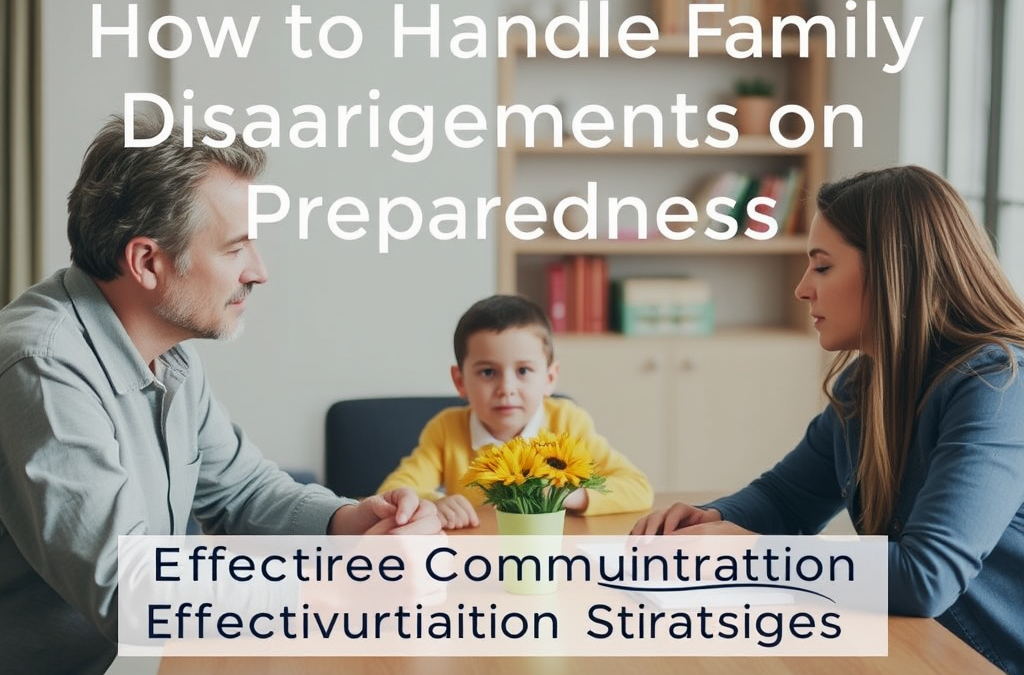
It’s important to recognize that differing opinions may arise from varying levels of risk perception, personal experiences, or even cultural backgrounds. Addressing these differences respectfully can prevent misunderstandings and foster a more cooperative environment.
The direct answer to How to Handle Family Disagreements on Preparedness: Effective Communication Strategies depends on handle, family, disagreement and the specific conditions described in the article. It’s important to recognize that differing opinions may arise from varying levels of risk perception, personal experiences, or even cultural backgrounds.
Understanding Different Perspectives
Recognizing that each family member may have a unique perspective on preparedness is crucial. Some might prioritize food security, while others may focus on shelter or medical supplies. Understanding these viewpoints can help in crafting a comprehensive preparedness plan that addresses all concerns.
To navigate these differences, initiate family discussions that encourage sharing of personal experiences and fears related to emergencies. This can reveal underlying motivations behind each person’s stance, leading to a more empathetic approach to conflict resolution. For instance, someone who has experienced a natural disaster may have a heightened sense of urgency, while others might feel that the likelihood of such events is low.
Establishing a Family Preparedness Plan
A collaborative family preparedness plan is essential for aligning everyone’s priorities. Begin by drafting a list of essential supplies and strategies that reflect the family’s collective insights. This can include emergency contacts, evacuation routes, and necessary supplies for various scenarios.
Involving family members in this planning process not only promotes buy-in but also educates everyone on the importance of preparedness. Schedule regular updates to the plan, ensuring it remains relevant as circumstances change. This can help in reinforcing the commitment to preparedness as a family unit.
Effective Communication Techniques
Open and respectful communication is fundamental when discussing preparedness. Use active listening techniques to ensure that all voices are heard without interruption. Acknowledge each person’s feelings and validate their concerns, which helps in creating a supportive environment.
Consider using ‘I’ statements to express personal feelings without placing blame, such as, “I feel worried when we don’t discuss our emergency plan.” This approach encourages dialogue rather than defensiveness. Setting aside dedicated time for these discussions can also demonstrate the seriousness of the topic to the family.
Common Pitfalls to Avoid
One common mistake in handling family disagreements about preparedness is dismissing concerns as irrational. This can alienate family members and hinder cooperation. Instead, prioritize understanding their fears and addressing them constructively.
Another pitfall is imposing solutions without consulting others. This can create resentment and reduce engagement in the preparedness process. Aim for consensus where possible, allowing each family member to contribute their ideas and preferences.
National preparedness resources for planning, mitigation, and response readiness
Frequently Asked Questions
How can I start a conversation about preparedness with my family?
Begin by expressing your thoughts on the importance of preparedness and inviting others to share their views. This sets a collaborative tone for the discussion.
What if my family members are resistant to discussing preparedness?
Try to understand their concerns and fears, and emphasize the benefits of being prepared. Suggest starting with small discussions to ease into the topic.
How often should we review our family preparedness plan?
Review your family preparedness plan at least once a year or whenever significant changes occur, such as new family members or changes in location.
What are the key components of a family preparedness plan?
A family preparedness plan should include emergency contacts, evacuation routes, essential supplies, and specific roles for each family member during a crisis.
How can we address differing opinions on preparedness supplies?
Encourage open dialogue about each person’s priorities and create a compromise list that includes a balance of everyone’s concerns.