
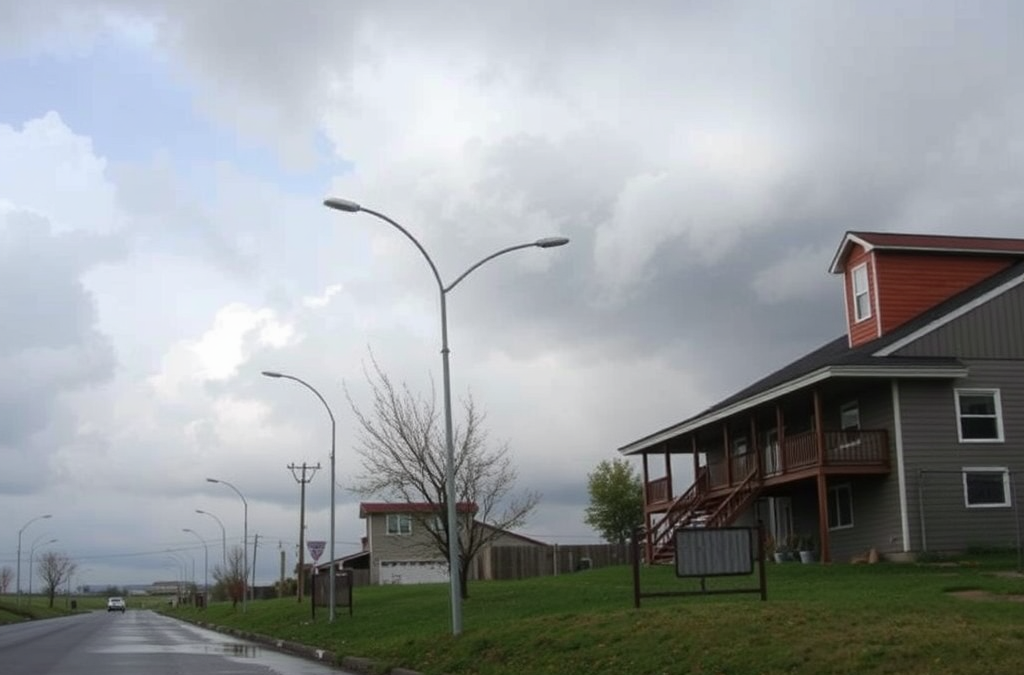
For instance, heavy rainfall can lead to flooding, making certain roads impassable and isolating communities. Similarly, extreme heat can increase the risk of heat-related illnesses, necessitating additional cooling supplies and hydration plans. As a result, it is vital to regularly review and update your emergency plans to reflect current weather trends and forecasts.
The direct answer to The Impact of Weather on Your Preparedness Strategy: Key Considerations for Effective Planning depends on impact, weather, preparedness and the specific conditions described in the article. For instance, heavy rainfall can lead to flooding, making certain roads impassable and isolating communities.
Understanding Local Weather Patterns
Understanding local weather patterns is crucial for developing a robust preparedness strategy. Each region has unique climate characteristics that can influence the types of emergencies you may face. For example, coastal areas might be more susceptible to hurricanes, while inland regions may experience severe thunderstorms or tornadoes. Being aware of these patterns allows you to tailor your emergency plans accordingly.
Additionally, monitoring seasonal changes can help you anticipate potential challenges. For instance, knowing that your area experiences heavy snowfall during winter can prompt you to stock up on snow removal equipment and winter supplies. Ignoring these patterns may lead to unpreparedness during critical situations.
Preparing for Extreme Weather Events
Preparing for extreme weather events is a vital aspect of any preparedness strategy. These events can disrupt daily life, impact infrastructure, and pose serious risks to personal safety. To effectively prepare, identify the types of extreme weather that are most likely to occur in your area and develop specific plans for each scenario.
For instance, if you live in a hurricane-prone region, ensure you have a detailed evacuation plan, emergency contacts, and a supply kit that includes food, water, medications, and other essentials. Similarly, for areas prone to wildfires, create a defensible space around your home and gather necessary documents in a fire-safe container. Tailoring your preparations to specific threats can significantly improve your resilience.

Resource Management Based on Weather
Resource management based on weather conditions is critical for maintaining an effective preparedness strategy. The availability of supplies can vary significantly with changing weather. For instance, heavy rainfall may lead to supply shortages or transportation disruptions, making it essential to stockpile necessary items in advance.
Moreover, consider the types of resources you might need during different weather conditions. During a heatwave, prioritize hydration and cooling supplies, while in winter, focus on warmth and snow removal equipment. By proactively managing your resources based on anticipated weather conditions, you can ensure you are better prepared for any emergency.
Adjusting Your Emergency Plans
Adjusting your emergency plans to reflect changing weather patterns is crucial for maintaining their effectiveness. As climate conditions evolve, so too should your strategies and resources. Regularly review and update your plans based on seasonal forecasts and long-term climate trends.
For example, if your region is experiencing more frequent flooding, consider relocating critical supplies to higher ground or investing in flood-resistant storage options. Staying flexible and responsive to weather changes ensures that your preparedness strategy remains relevant and effective.

Further Reading
Authoritative Sources
- Ready.gov
ready.govA comprehensive resource for emergency preparedness information, including weather-specific planning
- NOAA
noaa.govThe National Oceanic and Atmospheric Administration provides weather forecasts and safety tips for various weather events
- Red Cross
redcross.orgOffers resources and guidance on preparing for emergencies, including weather-related disasters
Frequently Asked Questions
How does weather affect emergency preparedness?
Weather affects emergency preparedness by influencing resource availability, safety measures, and evacuation routes, requiring tailored planning for different conditions.
What should I include in my emergency kit for extreme weather?
Your emergency kit should include food, water, medications, first aid supplies, flashlights, batteries, and weather-appropriate clothing.
How can I stay informed about local weather conditions?
Stay informed by subscribing to local weather alerts, using weather apps, and following official meteorological services on social media.
What are the most common mistakes in weather preparedness?
Common mistakes include underestimating the severity of weather events, not having an updated emergency plan, and failing to stockpile necessary supplies.
How often should I update my emergency plans?
You should review and update your emergency plans at least once a year or whenever significant weather pattern changes occur.
Conclusion
Incorporating the impact of weather into your preparedness strategy is essential for effective planning and response. By understanding local climate patterns, preparing for extreme weather events, and managing resources accordingly, you can enhance your readiness for emergencies. Regularly updating your plans to reflect changing weather conditions will ensure that you remain resilient and capable of handling unforeseen challenges. Start assessing your preparedness strategy today and make the necessary adjustments to better protect yourself and your loved ones.
Related Content
- Techniques for Keeping Warm Without Heat
- The Importance of Practicing Survival Skills Regularly: Essential Techniques and Real-World Applications
- How to Recognize Signs of Inadequate Emergency Planning: Key Indicators and Common Mistakes
- How can I plan for unexpected challenges in disaster scenarios?
- What’s the best approach to educate my family on preparedness?




