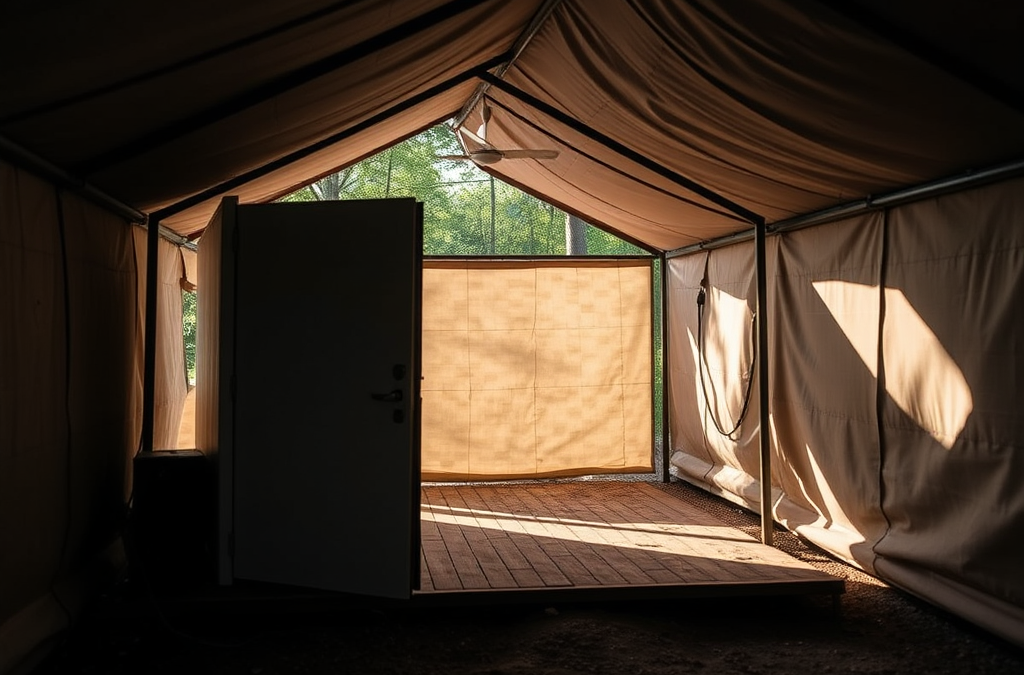
For instance, temporary shelters like tents are portable and quick to set up, but they may not offer the same level of protection as permanent structures. Conversely, community shelters often provide more resources but may be overcrowded and lack privacy. Prioritizing safety, accessibility, and resource availability will enhance your emergency preparedness.
Another critical consideration is the shelter’s location. Proximity to essential resources, such as food, water, and medical supplies, is vital. Evaluate the risks associated with the area, including potential natural disasters, and choose a shelter that minimizes those risks. Additionally, ensure that the shelter has adequate ventilation and insulation to protect against extreme weather conditions.
The direct answer to How to Choose the Right Shelter for Emergencies: Key Factors and Practical Considerations depends on choose, right, shelter and the specific conditions described in the article. For instance, temporary shelters like tents are portable and quick to set up, but they may not offer the same level of protection as permanent structures.
Types of Emergency Shelters
Emergency shelters can be classified into various types, including temporary, semi-permanent, and permanent structures. Each type has its advantages and disadvantages that you should weigh based on your specific circumstances.
Temporary shelters, such as tents and tarps, are lightweight and easy to transport, making them ideal for short-term use. However, they may not provide sufficient protection from harsh weather conditions. Semi-permanent shelters, like trailers or mobile homes, offer more durability and comfort but require a more significant investment. Permanent structures, such as reinforced buildings, provide the best protection but may not be feasible for every situation.
Assessing Shelter Locations
Location is a critical factor in choosing the right shelter for emergencies. Factors to consider include accessibility, proximity to resources, and the potential for natural disasters. A well-located shelter can make a significant difference in safety and survival.
Evaluate areas that are less prone to flooding, landslides, or other natural disasters. Ensure that the shelter is easily accessible for all members of your group, especially those with mobility issues. Additionally, consider the distance to nearby resources, such as food, water, and medical facilities, which can be crucial during an emergency.
Essential Supplies for Your Shelter
Equipping your emergency shelter with the right supplies is essential for comfort and survival. Basic supplies should include food, water, first aid kits, and sanitation items. Additionally, consider incorporating tools and equipment that can assist in maintaining the shelter.
Common items to include are non-perishable food items, portable water filters, flashlights, battery-operated radios, and extra blankets. Having a well-stocked shelter can help alleviate stress during emergencies and ensure that you are prepared for any situation.
Common Mistakes to Avoid
When selecting a shelter for emergencies, it’s easy to make mistakes that can jeopardize your safety. One common error is underestimating the importance of structural integrity. Always choose a shelter that can withstand environmental hazards, such as high winds or heavy snowfall.
Another mistake is failing to plan for adequate supplies. Ensure that you have enough resources to sustain your group for an extended period, as emergencies can often last longer than anticipated. Regularly review and update your supplies to ensure they remain suitable for use.
Academic search resource for finding research literature and source material
Frequently Asked Questions
What types of shelters are best for emergencies?
Temporary shelters like tents are portable and quick to set up, while permanent structures offer the best protection. Choose based on your specific needs and circumstances.
How do I assess the location of an emergency shelter?
Consider accessibility, proximity to resources, and the risk of natural disasters to ensure the shelter is safe and practical.
What essential supplies should I have in my emergency shelter?
Basic supplies include food, water, first aid kits, sanitation items, and tools for maintaining the shelter.
What common mistakes should I avoid when choosing a shelter?
Avoid underestimating the shelter’s structural integrity and failing to plan for adequate supplies, as these can jeopardize safety during emergencies.
How can I ensure my shelter is safe during an emergency?
Choose a shelter that is structurally sound, situated in a safe location, and equipped with adequate supplies to sustain your group.
Conclusion
Choosing the right shelter for emergencies is a critical decision that can greatly impact your safety and survival. Prioritize assessing your individual needs, understanding the types of shelters available, and evaluating their locations. Always ensure your shelter is well-stocked with essential supplies and avoid common mistakes like underestimating structural integrity. By taking these factors into account, you can enhance your preparedness and resilience during any emergency situation.
When individuals fail to prepare their minds for stressful situations, they may struggle with decision-making, experience heightened anxiety, and lack the resilience necessary to navigate challenges.
However, mental unpreparedness can lead to panic, poor judgment, and the inability to adapt to rapidly changing circumstances. For example, during emergencies, those lacking mental preparation may freeze or make irrational decisions, exacerbating the situation. To mitigate these risks, individuals should prioritize mental preparedness by practicing stress management techniques, such as mindfulness, visualization, and scenario-based training.
Moreover, engaging in realistic scenario planning can enhance one’s ability to cope with crises. By mentally rehearsing potential situations, individuals can develop a clearer understanding of their responses and decision-making processes. This practice not only reduces anxiety but also fosters greater confidence in one’s ability to handle emergencies. Ignoring mental preparedness can lead to significant consequences, including increased vulnerability in high-pressure situations and a diminished capacity to recover from setbacks.
The direct answer to The Dangers of Neglecting Mental Preparedness: Common Mistakes and Consequences depends on danger, neglecting, mental and the specific conditions described in the article. When individuals fail to prepare their minds for stressful situations, they may struggle with decision-making, experience heightened anxiety, and lack the resilience necessary to navigate challenges.
Understanding Mental Preparedness
Mental preparedness refers to the psychological readiness to face challenges, particularly in high-stress situations. It involves developing a mindset that allows individuals to remain calm and focused under pressure. Understanding this concept is essential, as many people equate preparedness solely with physical supplies or skills, ignoring the mental aspect. By recognizing that mental preparedness is as crucial as physical readiness, individuals can better equip themselves for unforeseen circumstances.
The importance of mental preparedness cannot be overstated; it serves as the foundation for effective action during emergencies. When individuals are mentally prepared, they can think clearly, make informed decisions, and maintain control over their emotions. Conversely, neglecting this aspect often leads to emotional distress, confusion, and ineffective responses during critical moments.
Common Mistakes in Mental Preparedness
One of the most significant mistakes people make regarding mental preparedness is underestimating its importance. Many assume that simply having physical supplies or plans in place is sufficient, overlooking the necessity of mental training. This oversight can lead to severe consequences when faced with real emergencies, as individuals may falter in their decision-making.
Another mistake is failing to engage in realistic scenario planning. Without practicing responses to potential crises, individuals may find themselves unprepared when faced with real-life situations. This lack of practice can result in a freeze response, where individuals are unable to act decisively. To avoid these pitfalls, it is vital to integrate mental preparedness into overall emergency planning.
Building Mental Resilience
Mental resilience is the ability to bounce back from adversity, stress, and uncertainty. Building this resilience is crucial for effective mental preparedness. One effective way to enhance resilience is through regular stress management techniques such as mindfulness, meditation, and cognitive behavioral strategies. These practices enable individuals to develop a greater awareness of their thoughts and emotions, allowing them to manage stress more effectively.
Additionally, fostering social connections and support systems can significantly enhance mental resilience. Engaging with others who share similar experiences can provide emotional support and practical advice during difficult times. By nurturing relationships and seeking help when needed, individuals can create a robust support network that bolsters their mental preparedness.
Practical Strategies for Improvement
To improve mental preparedness, individuals should implement practical strategies that can be integrated into their daily routines. One effective approach is to regularly practice visualization techniques, where individuals mentally rehearse various scenarios they may encounter. This helps to create familiarity with potential challenges and can reduce anxiety when faced with real-life situations.
Another strategy is to engage in regular physical exercise, which has been shown to improve mental health and resilience. Exercise can help alleviate stress and enhance mood, making it easier to cope with challenges. Combining physical activity with mental training creates a comprehensive preparedness plan that addresses both physical and psychological needs.
National preparedness resources for planning, mitigation, and response readiness
Frequently Asked Questions
What is mental preparedness?
Mental preparedness is the psychological readiness to face challenges and manage stress effectively in high-pressure situations.
Why is mental preparedness important?
It is essential for clear decision-making and maintaining control during emergencies, reducing the likelihood of panic and confusion.
What are common mistakes in mental preparedness?
Common mistakes include underestimating its importance and failing to practice realistic scenario planning.
How can I build mental resilience?
Mental resilience can be built through stress management techniques, such as mindfulness, and by fostering supportive social connections.
What practical strategies can improve mental preparedness?
Strategies include practicing visualization techniques and engaging in regular physical exercise to enhance mental health and resilience.
Conclusion
In conclusion, neglecting mental preparedness poses significant dangers that can hinder effective responses during crises. Building mental resilience and implementing practical strategies for improvement should be prioritized for anyone looking to enhance their overall preparedness. By recognizing the importance of mental readiness and actively engaging in practices that promote it, individuals can better equip themselves to navigate the challenges of unexpected situations with confidence and clarity.
This includes natural disasters like hurricanes, floods, earthquakes, and man-made threats such as industrial accidents. Additionally, reviewing historical data on past disasters can reveal patterns and inform future preparedness efforts.
The first step in assessing local disaster risks is to This includes both natural disasters, such as floods, hurricanes, and wildfires, as well as man-made threats like hazardous material spills or infrastructure failures. To effectively identify local hazards, consult resources like the United States Geological Survey (USGS) for geological hazards or the National Oceanic and Atmospheric Administration (NOAA) for weather-related risks.
Identifying Local Hazards
The first step in assessing local disaster risks is to identify the hazards that are most prevalent in your area. This includes both natural disasters, such as floods, hurricanes, and wildfires, as well as man-made threats like hazardous material spills or infrastructure failures. Understanding these hazards allows communities to focus on the risks that matter most.
To effectively identify local hazards, consult resources like the United States Geological Survey (USGS) for geological hazards or the National Oceanic and Atmospheric Administration (NOAA) for weather-related risks. Additionally, local government agencies often provide hazard mitigation plans that outline specific risks and preparedness strategies. Engaging with these resources can provide a clearer picture of the threats residents face.
Evaluating Community Resources
Once potential hazards are identified, evaluating community resources becomes essential. This means understanding the available emergency services, shelters, and communication systems that can be activated during a disaster. Assessing these resources helps determine the community’s capacity to respond effectively to various emergencies.
Community resources can include local fire departments, medical facilities, and volunteer organizations. It’s critical to map these resources and understand their capabilities and limitations. Engaging with local leaders and emergency planners can help uncover gaps in resources and plans, ensuring that community members are well-prepared for potential disasters.
Using Technology and Tools
Modern technology offers various tools for assessing disaster risks effectively. Geographic Information Systems (GIS) can help visualize hazards, while online platforms like FEMA’s Risk Mapping provide detailed insights into flood zones, storm surge areas, and other risk factors. Using these tools can enhance understanding and planning efforts.
Moreover, mobile applications can facilitate real-time alerts and emergency information dissemination. Communities should leverage these technologies to foster awareness and preparedness. Training community members to use these tools effectively can improve overall disaster readiness.
Community Engagement and Preparedness
Community engagement is vital for effective disaster risk assessment. Collaborating with neighbors, local businesses, and organizations can create a network of support during emergencies. Engaging in community drills, workshops, and preparedness exercises fosters a culture of readiness and resilience.
Moreover, establishing communication channels among community members can enhance information sharing during a disaster. Regular meetings or forums can help address concerns, share resources, and develop collective response strategies. This engagement is crucial for ensuring that everyone understands their role during a disaster.
National preparedness resources for planning, mitigation, and response readiness
Frequently Asked Questions
What are the first steps in assessing disaster risks?
The first steps include identifying local hazards, evaluating community resources, and analyzing historical disaster data to understand risks specific to your area.
How can technology help in disaster risk assessment?
Technology such as GIS and FEMA’s Risk Mapping tools can provide visual representations of hazards and help communities analyze risk factors effectively.
Why is community engagement important?
Community engagement fosters collaboration among residents, enhances preparedness, and ensures that everyone knows their roles during emergencies.
What resources should be evaluated?
Evaluate resources like local emergency services, shelters, medical facilities, and communication systems to understand the community’s capacity to respond to disasters.
How can I find my area’s specific hazards?
Consult local government hazard mitigation plans, as well as resources from organizations like the USGS and NOAA, to identify the specific hazards in your area.
Conclusion
Assessing local disaster risks is a critical process that involves identifying hazards, evaluating community resources, and engaging with technology and community members. By understanding the specific risks your area faces, you can prioritize preparedness efforts and develop effective response strategies. Remember to continually reassess risks and engage with your community, as this collaboration can significantly enhance resilience in the face of disasters. Taking proactive steps now can make a significant difference when emergencies arise.