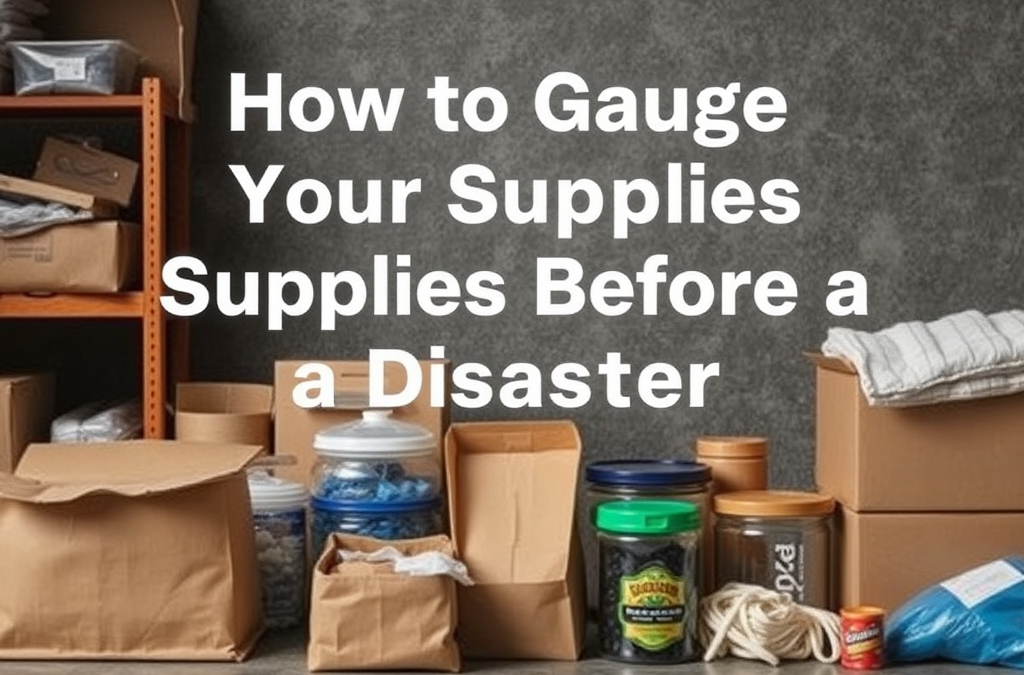
Many people underestimate the amount of food and water they will need, especially for extended periods. For example, a general rule is to have at least one gallon of water per person per day for at least three days, along with enough non-perishable food to last the same period. Additionally, consider seasonal changes; for instance, you might need extra blankets and heating supplies in winter.
The direct answer to How to Gauge Your Supplies Before a Disaster: Essential Inventory and Assessment Methods depends on gauge, supply, before and the specific conditions described in the article. Many people underestimate the amount of food and water they will need, especially for extended periods.
Conducting a Comprehensive Inventory
Start your assessment by listing all supplies you currently have. Include food, water, first-aid items, and any emergency tools such as flashlights and batteries. Make sure to categorize them for easier management. This inventory will help you visualize what is available and what might need replenishing.
As you create your list, consider using a spreadsheet or a mobile app designed for inventory management. This way, you can easily update quantities and expiration dates, making it simpler to track your supplies over time. Regular updates to your inventory can prevent last-minute scrambles when a disaster strikes.
Assessing the Condition of Your Supplies
Once you have your inventory, the next step is to assess the condition of each item. Check expiration dates on food and medications, as well as the functionality of tools like flashlights and radios. Discard any items that are expired or no longer usable.
Be mindful of the storage conditions for your supplies. For example, food items should be stored in a cool, dry place to prevent spoilage. Regularly rotating supplies can help ensure you consume older items first and keep your stock fresh.
Identifying Essential Items
Focus on identifying the most critical supplies you will need during a disaster. This typically includes non-perishable food, clean drinking water, first-aid kits, medications, and sanitation supplies. Tailor your list to your family’s specific needs, considering dietary restrictions or medical conditions.
Additionally, consider including items that can enhance your comfort during a disaster, such as blankets, portable chargers, and games for children. Having a well-rounded supply list will help ensure that you’re not only prepared for survival but also for maintaining some semblance of normalcy.
National preparedness resources for planning, mitigation, and response readiness
Frequently Asked Questions
What supplies are essential for disaster preparedness?
Essential supplies include non-perishable food, clean water, first-aid kits, medications, flashlights, batteries, and sanitation items.
How often should I check my emergency supplies?
You should check your emergency supplies at least every six months to ensure everything is in good condition and not expired.
How much water should I store?
Store at least one gallon of water per person per day for at least three days for drinking and sanitation.
What is the best way to store food for emergencies?
Store food in a cool, dry place in airtight containers to prolong shelf life and prevent spoilage.
Should I include pet supplies in my emergency kit?
Yes, include necessary pet supplies such as food, water, medications, and comfort items for your pets in your emergency kit.
Conclusion
Properly gauging your supplies before a disaster is essential for ensuring your family’s safety and well-being. By conducting a thorough inventory, assessing the condition of your supplies, and identifying essential items, you can create a robust emergency preparedness plan. Remember to regularly update your supplies, rotate out older items, and tailor your kit to meet your family’s specific needs. Taking these proactive steps will help you feel more secure and ready for any potential emergencies.
Laws governing items such as pepper spray, stun guns, knives, and firearms can vary significantly, leading to misunderstandings about what is permissible. Understanding these laws is critical to ensure compliance and avoid potential legal repercussions.
For example, while carrying pepper spray may be legal, using it in a situation deemed excessive or unjustified could lead to criminal charges. Therefore, it is essential to carefully evaluate the necessity and appropriateness of each self-defense item you consider.
The direct answer to Confusion Around Legalities of Self-Defense Supplies: Key Regulations and Common Misconceptions depends on confusion, around, legality and the specific conditions described in the article. Laws governing items such as pepper spray, stun guns, knives, and firearms can vary significantly, leading to misunderstandings about what is permissible.
Understanding Local Laws
Self-defense laws can differ dramatically from one location to another, making it vital to understand the regulations in your area. Many jurisdictions have specific laws that outline what constitutes a legal self-defense tool and the circumstances under which it can be used. For instance, some states allow the use of firearms for self-defense, while others may restrict their carry or require permits.
To navigate these complexities, individuals should consult local law enforcement or legal resources to clarify what self-defense supplies are permissible. Additionally, consider reaching out to local self-defense instructors or legal experts who can provide insights into the laws affecting self-defense supplies. Ignorance of these laws can lead to serious legal issues, making proactive education essential.
Common Misconceptions About Self-Defense Supplies
Many people assume that any self-defense item they purchase is legal to carry and use. This assumption can lead to significant legal issues if the item is prohibited or if it is used inappropriately. For example, while stun guns may be legal in some states, they are banned in others, and using them in a situation deemed unreasonable can lead to criminal charges.
It’s crucial to be aware of misconceptions such as believing that self-defense items can be used freely whenever someone feels threatened. Legal definitions of self-defense require that the response is proportional to the threat faced. Misunderstanding this principle can result in serious consequences, including potential criminal charges.
Evaluating Self-Defense Needs
Evaluating your self-defense needs involves understanding both the threats you may face and the legal implications of carrying specific supplies. Conducting a personal risk assessment can help identify which items are necessary for your safety. For instance, if you live in an area with a higher crime rate, you may feel the need to carry self-defense tools more than someone in a safer neighborhood.
Additionally, consider the effectiveness and legality of each item. Some tools, such as pepper spray, are generally considered effective and legal in most places. However, others may not provide the same legal assurances. Prioritizing items that are both effective and legal will help ensure you are better prepared without risking legal complications.
Legal Consequences of Misuse
The misuse of self-defense supplies can lead to severe legal consequences, including criminal charges and civil liabilities. If a self-defense item is used in a manner that is deemed excessive or unwarranted, the individual may face charges such as assault or battery, regardless of the initial intention to defend oneself.
To avoid such pitfalls, it is crucial to understand the legal standards for using self-defense supplies. Always aim for a proportional response to any perceived threat, and be prepared to articulate the justification for your actions if questioned by law enforcement. Recognizing the potential repercussions of misuse is essential for responsible self-defense practices.
For those looking to delve deeper into the legalities surrounding self-defense supplies, consider consulting local law enforcement resources, attending self-defense workshops, and reviewing legal publications that specialize in self-defense laws. These sources can provide valuable insights and help clarify any lingering confusions.
Academic search resource for finding research literature and source material
Frequently Asked Questions
What types of self-defense supplies are generally legal to carry?
Commonly legal self-defense supplies include pepper spray, personal alarms, and certain types of knives, but legality can vary by location.
Are there restrictions on using self-defense supplies?
Yes, the use of self-defense supplies must be proportional to the threat faced; excessive use can lead to legal consequences.
How can I find out the laws regarding self-defense supplies in my area?
Check with local law enforcement or legal resources for specific regulations pertaining to self-defense supplies in your jurisdiction.
What should I do if I am involved in a self-defense incident?
Immediately contact law enforcement and seek legal counsel to ensure your rights are protected and to navigate any potential legal issues.
Can I carry self-defense supplies while traveling?
Traveling with self-defense supplies requires knowledge of the laws in both your departure and destination locations, as they can differ significantly.
Conclusion
Understanding the confusion surrounding the legalities of self-defense supplies is essential for anyone considering carrying such items. By prioritizing knowledge of local laws, evaluating personal self-defense needs, and recognizing the potential legal consequences of misuse, individuals can make informed decisions that enhance their safety without risking legal repercussions. Stay informed and proactive to navigate the complexities of self-defense laws effectively.
For instance, storing food at fluctuating temperatures can promote the growth of bacteria and mold, rendering food unsafe for consumption. Similarly, using non-airtight or inappropriate containers can expose food to moisture and air, leading to spoilage and degradation of quality. Regularly rotating your food supplies is essential to ensure that older items are used first, preventing waste.
The direct answer to Common Pitfalls in Long-Term Food Storage: Mistakes to Avoid for Effective Preservation depends on pitfall, long-term, food and the specific conditions described in the article. For instance, storing food at fluctuating temperatures can promote the growth of bacteria and mold, rendering food unsafe for consumption.
Temperature Control Issues
Maintaining a consistent and appropriate temperature is critical in long-term food storage. Ideal storage temperatures vary by food type but generally range from 32°F to 70°F. Fluctuations can compromise food safety, leading to spoilage and loss of nutrients.
To prevent temperature-related issues, use a refrigerator or freezer with a reliable thermostat. Regularly monitor the temperature with a thermometer, especially during seasonal changes, and avoid opening the storage area unnecessarily, which can introduce warm air.
Packaging Mistakes
Improper packaging can cause exposure to air, moisture, and pests, all of which can damage food quality. Common mistakes include using plastic bags that are not vacuum-sealed or containers that do not provide an airtight seal.
Invest in high-quality, airtight containers designed for long-term storage. Glass jars, vacuum-sealed bags, and food-grade buckets are excellent choices. Ensure that all items are completely dry before sealing to avoid moisture retention, which can lead to mold growth.
Neglecting Food Rotation
Failing to rotate food supplies can lead to expired items going unnoticed, resulting in waste and potential health risks. A common practice is to follow the “first in, first out” (FIFO) principle, where older items are used before newer ones.
Implement a labeling system that includes expiration dates and regularly check your inventory. This helps ensure that you consume older items first and maintain a fresh supply.
Choosing the Wrong Storage Location
The location of your food storage can significantly impact its longevity. Areas with high humidity, direct sunlight, or fluctuating temperatures can lead to spoilage and degradation.
Choose a cool, dark, and dry area for storage, such as a basement or pantry. Avoid placing food near heat sources like ovens or water heaters, and ensure the area is well-ventilated to prevent moisture buildup.