
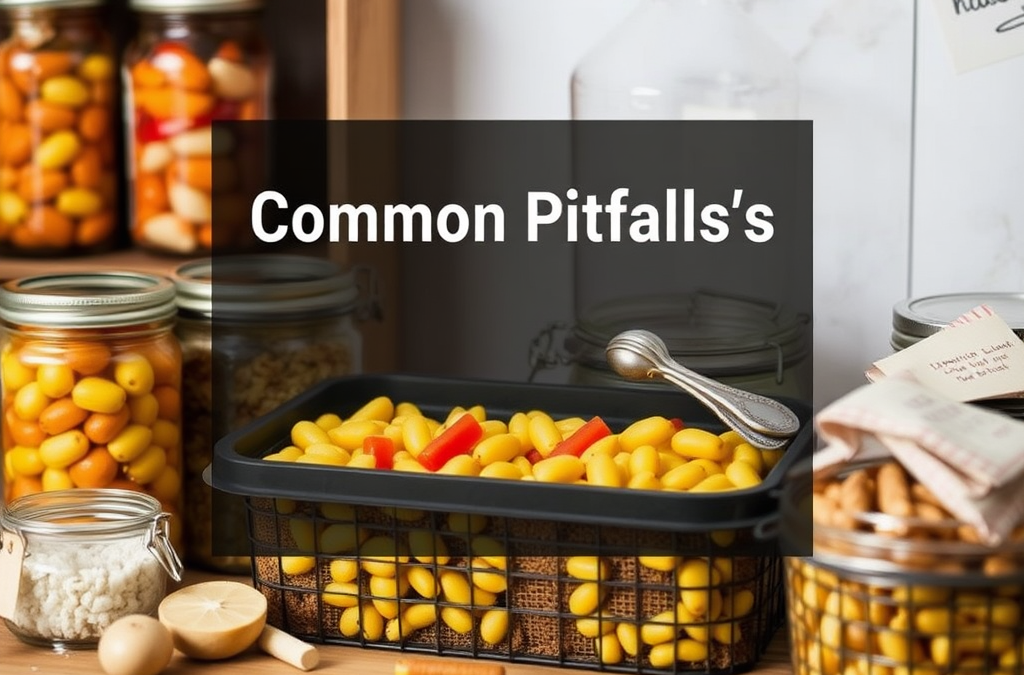
For instance, storing food at fluctuating temperatures can promote the growth of bacteria and mold, rendering food unsafe for consumption. Similarly, using non-airtight or inappropriate containers can expose food to moisture and air, leading to spoilage and degradation of quality. Regularly rotating your food supplies is essential to ensure that older items are used first, preventing waste.
The direct answer to Common Pitfalls in Long-Term Food Storage: Mistakes to Avoid for Effective Preservation depends on pitfall, long-term, food and the specific conditions described in the article. For instance, storing food at fluctuating temperatures can promote the growth of bacteria and mold, rendering food unsafe for consumption.
Temperature Control Issues
Maintaining a consistent and appropriate temperature is critical in long-term food storage. Ideal storage temperatures vary by food type but generally range from 32°F to 70°F. Fluctuations can compromise food safety, leading to spoilage and loss of nutrients.
To prevent temperature-related issues, use a refrigerator or freezer with a reliable thermostat. Regularly monitor the temperature with a thermometer, especially during seasonal changes, and avoid opening the storage area unnecessarily, which can introduce warm air.
Packaging Mistakes
Improper packaging can cause exposure to air, moisture, and pests, all of which can damage food quality. Common mistakes include using plastic bags that are not vacuum-sealed or containers that do not provide an airtight seal.
Invest in high-quality, airtight containers designed for long-term storage. Glass jars, vacuum-sealed bags, and food-grade buckets are excellent choices. Ensure that all items are completely dry before sealing to avoid moisture retention, which can lead to mold growth.

Neglecting Food Rotation
Failing to rotate food supplies can lead to expired items going unnoticed, resulting in waste and potential health risks. A common practice is to follow the “first in, first out” (FIFO) principle, where older items are used before newer ones.
Implement a labeling system that includes expiration dates and regularly check your inventory. This helps ensure that you consume older items first and maintain a fresh supply.
Choosing the Wrong Storage Location
The location of your food storage can significantly impact its longevity. Areas with high humidity, direct sunlight, or fluctuating temperatures can lead to spoilage and degradation.
Choose a cool, dark, and dry area for storage, such as a basement or pantry. Avoid placing food near heat sources like ovens or water heaters, and ensure the area is well-ventilated to prevent moisture buildup.
Further Reading
Authoritative Sources
- NIH Office of Dietary Supplements
ods.od.nih.govEvidence-based information on vitamins, minerals, supplements, and nutrition-related questions
- USDA FoodData Central
fdc.nal.usda.govUSDA nutrient data for foods and ingredients used in nutrition decisions
- Harvard T.H. Chan School of Public Health Nutrition Source
hsph.harvard.eduPublic health nutrition guidance and educational resources
Frequently Asked Questions
What is the best temperature for long-term food storage?
The best temperature for long-term food storage generally ranges between 32°F and 70°F, depending on the type of food.
How can I tell if my stored food is still safe to eat?
Check for signs of spoilage such as off odors, discoloration, or mold. Expiration dates and packaging integrity are also indicators.
What types of containers are best for long-term food storage?
Airtight containers like glass jars, vacuum-sealed bags, and food-grade buckets are ideal for preventing spoilage.
How often should I check my food storage?
Regularly check your food storage every few months to ensure temperatures are stable and items are not expired.
Can I store food in plastic containers?
Yes, but ensure they are food-grade and airtight to prevent moisture and air from compromising food quality.




