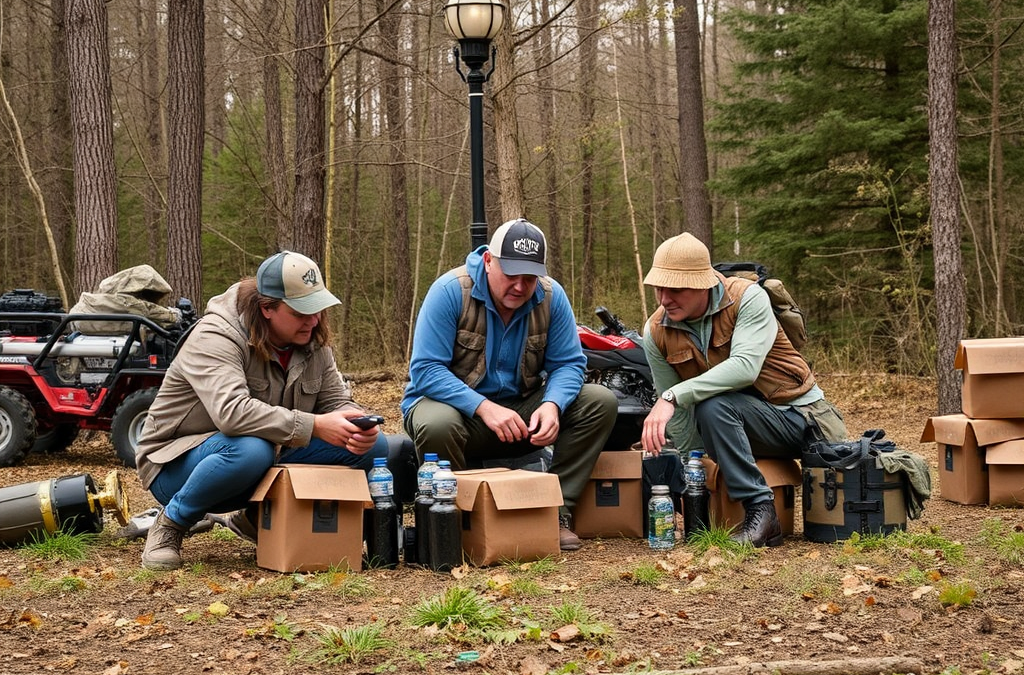
Many groups may overestimate their readiness based on individual capabilities rather than collective strength. This can result in inadequate responses during crises, where every member’s skills and resources play a vital role. Establishing a clear inventory of resources, including food supplies, medical kits, and equipment, can help highlight deficiencies and prioritize what needs to be addressed first.
Another important aspect is to create regular training sessions and drills. These not only enhance skills but also build camaraderie among members, ensuring that everyone knows their roles in an emergency. Regular practice can reveal unforeseen challenges and allow for adjustments to plans. Moreover, fostering an environment where feedback is welcomed can help identify areas needing improvement.
The direct answer to What to Do If Your Prepper Community Is Unprepared: Steps for Effective Collaboration and Resilience depends on prepper, community, unprepared and the specific conditions described in the article. Many groups may overestimate their readiness based on individual capabilities rather than collective strength.
Identifying Community Weaknesses
To effectively address unpreparedness, it’s essential to identify the specific weaknesses in your community. This could involve conducting surveys or meetings to gather insights on individual capabilities and resources available. By pinpointing areas of concern, you can ensure that everyone is aware of potential vulnerabilities and can work collectively to address them.
Members may have different levels of experience and access to resources, which can create uneven preparedness. Acknowledging these differences can help in creating targeted training programs and resource allocations that benefit the entire group. For instance, if several members lack first aid training, organizing a workshop can enhance the community’s overall readiness.
Developing a Collaborative Plan
Once weaknesses are identified, the next step is to develop a collaborative plan that addresses these gaps. This plan should include clear roles, responsibilities, and resources that each member can contribute. Establishing a communication protocol is critical to ensure that everyone is informed and can act swiftly during an emergency.
A well-defined plan should also include scenarios that the community may face, such as natural disasters or economic collapse. By discussing these possibilities, the group can develop strategies to mitigate risks and respond effectively. Regular updates to the plan will keep it relevant and ensure that all members remain engaged and informed.
Training and Drills for Readiness
Implementing regular training and drills is vital for ensuring that the community can respond effectively to emergencies. These activities help members practice their roles and build confidence in their skills. Consider conducting simulations of various emergency scenarios to assess the community’s readiness and identify areas for improvement.
Training should not be limited to physical skills; sharing knowledge on topics such as communication, resource management, and emotional resilience is equally important. A well-rounded approach to training will prepare members to handle both practical tasks and the psychological challenges that arise during crises.
Creating a Resource Inventory
A comprehensive resource inventory is an essential tool for any prepper community facing unpreparedness. This inventory should include food supplies, medical equipment, tools, and any other critical resources that members may have. By having a clear understanding of what is available, the community can plan accordingly and identify shortages that need to be addressed.
Encourage members to regularly update the inventory, as resources can change over time. This practice not only ensures that the community has what it needs but also fosters a sense of accountability and ownership among members. An accurate inventory can also aid in planning for future purchasing or resource-sharing initiatives.
For more insights into effective community preparedness, consider exploring resources from local emergency management agencies or organizations focused on disaster resilience. These can provide valuable information on best practices and strategies for enhancing community readiness.
Academic search resource for finding research literature and source material
Frequently Asked Questions
What should I do first if my prepper community is unprepared?
The first step is to assess your community’s strengths and weaknesses by conducting surveys to identify gaps in skills and resources.
How can we improve communication within our prepper community?
Establish clear communication protocols and regular meetings to ensure everyone is informed and engaged in preparedness efforts.
Why is training important for a prepper community?
Training enhances skills, builds confidence, and fosters teamwork, which is crucial for an effective response during emergencies.
What resources should be included in a community inventory?
A community inventory should include food supplies, medical kits, tools, and any other critical resources that members can contribute.
How often should we update our preparedness plan?
Your preparedness plan should be reviewed and updated regularly to reflect any changes in resources, skills, or community dynamics.
Conclusion
Addressing the unpreparedness of your prepper community requires a proactive approach centered on communication, collaboration, and training. Prioritize identifying weaknesses and developing a comprehensive plan that encompasses resource sharing and skill enhancement. Regular training sessions and updates to your resource inventory will strengthen community resilience, ensuring that all members are equipped to face emergencies effectively. By fostering a supportive and informed environment, your community can significantly improve its overall preparedness and response capabilities.
Self-defense in disaster scenarios encompasses more than just physical confrontation; it includes awareness of one’s environment and understanding potential threats. Recognizing that not all situations will escalate to violence is crucial. the best defense is to avoid confrontation altogether by being aware of escape routes and safe locations. This proactive approach can prevent conflicts before they arise.
Moreover, the psychological aspect of self-defense is often overlooked. Individuals who remain calm and collected during crises are better equipped to assess situations accurately and make informed decisions. Panic can lead to poor judgment, highlighting the importance of mental preparedness alongside physical readiness.
Common Misconceptions and Their Consequences
One prevalent misconception is that self-defense training is unnecessary for those who do not perceive themselves as targets. This belief can lead to a lack of preparation, making individuals more vulnerable during disasters. In reality, anyone can find themselves in a threatening situation, and being prepared is crucial.
Another common error is the assumption that weapons are the primary means of defense. While they can provide protection, reliance on weapons without proper training can escalate situations and lead to unintended harm. Understanding the balance between physical defense and conflict avoidance is key to effective self-defense.
Practical Strategies for Effective Self-Defense
Effective self-defense strategies should prioritize awareness and de-escalation. Individuals should practice situational awareness by staying alert to their surroundings and recognizing potential threats early. This proactive stance allows for timely intervention, whether by avoiding a dangerous area or seeking help when necessary.
De-escalation techniques, such as verbal communication and conflict resolution skills, can often diffuse potential confrontations without resorting to violence. Training in these areas can empower individuals to handle tense situations more effectively and safely.
Legal Considerations in Self-Defense
Understanding the legal implications of self-defense is crucial. Many people mistakenly believe that they can use force whenever they feel threatened, but the law typically requires that individuals demonstrate a reasonable belief of imminent harm. Knowing the specific laws in one’s jurisdiction can help prevent legal repercussions following a self-defense incident.
Additionally, individuals should be aware of the consequences of brandishing a weapon, as this can be interpreted differently under the law. Comprehensive training that includes legal education can help individuals navigate these complexities and make informed decisions during crises.
Academic search resource for finding research literature and source material
Frequently Asked Questions
What are the key misconceptions about self-defense during disasters?
Key misconceptions include the belief that self-defense is only physical and that carrying a weapon is sufficient without proper training.
Why is situational awareness important in self-defense?
Situational awareness helps individuals identify potential threats early, allowing them to avoid dangerous situations before they escalate.
How can I prepare for self-defense during a disaster?
Preparation involves training in self-defense techniques, understanding legal rights, and practicing situational awareness and de-escalation strategies.
What legal considerations should I be aware of in self-defense?
Legal considerations include understanding when it is lawful to use force and the consequences of brandishing a weapon in various jurisdictions.
Are weapons necessary for self-defense during disasters?
While weapons can provide protection, they are not always necessary; awareness and de-escalation are often more effective strategies.
Conclusion
Understanding misconceptions about self-defense during disasters is crucial for enhancing personal safety. Prioritizing situational awareness, legal knowledge, and de-escalation techniques can significantly improve one’s ability to navigate dangerous situations. It is essential to prepare mentally and physically, recognizing that self-defense extends beyond mere physical confrontation. By addressing common misunderstandings and focusing on proactive strategies, individuals can empower themselves to handle crises more effectively.
Additionally, financial waste occurs when money is spent on food that ultimately goes unused. It’s important to establish a balance between having enough supplies and avoiding excess.
Understanding the shelf life and expiration dates of survival food is essential to prevent overstocking. To avoid overstocking, it’s important to regularly check expiration dates and rotate your food supplies.
Understanding Shelf Life and Expiration Dates
Understanding the shelf life and expiration dates of survival food is essential to prevent overstocking. Each type of food has a different longevity, and many items can spoil faster than anticipated if not stored correctly. For example, canned goods can last for years, while dried foods may have a shorter shelf life depending on moisture exposure and packaging. Misjudging these timelines leads to waste.
To avoid overstocking, it’s important to regularly check expiration dates and rotate your food supplies. Implement a first-in, first-out (FIFO) system, ensuring that older items are consumed first. This practice not only helps in maintaining food quality but also in managing your inventory effectively.
Assessing Your Actual Needs
Assessing your actual needs is crucial in preventing the risks associated with overstocking survival food. Many individuals overestimate the amount of food required during emergencies, leading to excess that ultimately goes to waste. A practical approach is to evaluate your household’s consumption patterns and create a realistic inventory based on those insights.
Consider factors such as family size, dietary preferences, and the length of time you expect to be in a survival situation. Keeping a detailed record of what you consume regularly can help inform your purchasing decisions, enabling you to stock the right quantities without excess.
Storage Solutions for Survival Food
Effective storage solutions can mitigate the risks of overstocking survival food. Proper storage not only prolongs the life of your food but also maximizes the space available in your home. Use airtight containers to protect against moisture and pests, and store items in a cool, dark place to prevent spoilage.
Additionally, consider using vacuum-sealed bags for bulk items. This method helps reduce air exposure and can significantly extend shelf life. By optimizing storage solutions, you can better manage your food supply and reduce the temptation to overstock.
Common Mistakes in Food Preparation
Common mistakes in food preparation can exacerbate the risks associated with overstocking survival food. One frequent error is failing to check the condition of stored food before use. Items may deteriorate due to improper storage conditions, leading to waste. Always inspect food for signs of spoilage before consumption.
Another mistake is neglecting to diversify food types. Relying too heavily on one type of food can lead to nutritional deficiencies and increased waste if that food item expires. Aim for a balanced stock that includes a variety of food groups to ensure both safety and nutrition.
A comprehensive guide on food safety practices, including storage and handling of food supplies
Frequently Asked Questions
What are the signs of overstocking survival food?
Signs include expired items, difficulty finding space for new purchases, and food that goes uneaten for long periods.
How can I determine the right amount of survival food to stock?
Assess your household’s consumption patterns and consider factors like family size and dietary needs to inform your stock levels.
What types of food have the longest shelf life?
Canned goods, freeze-dried items, and dehydrated foods typically have the longest shelf lives compared to other food types.
What are the best storage methods for survival food?
Airtight containers, vacuum sealing, and keeping food in cool, dark places help maximize shelf life and prevent spoilage.
How often should I check my food supplies?
Regular checks every few months are recommended to ensure items are not expired and to rotate your stock effectively.
Conclusion
In summary, the risks of overstocking survival food can lead to food spoilage, financial waste, and inadequate storage. To mitigate these risks, it’s essential to assess your actual needs, understand shelf life, and implement effective storage solutions. Regularly checking your supplies and avoiding common mistakes will ensure that your emergency preparedness remains practical and effective. Prioritize consuming older items and maintain a balanced stock to enhance your readiness without the pitfalls of excess.