
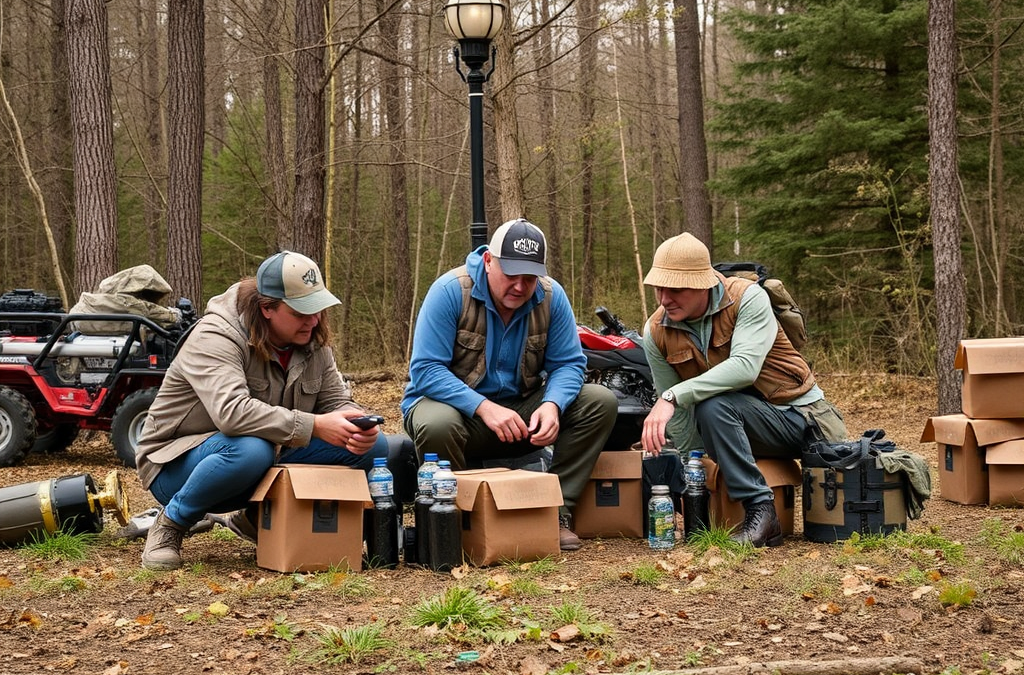
Many groups may overestimate their readiness based on individual capabilities rather than collective strength. This can result in inadequate responses during crises, where every member’s skills and resources play a vital role. Establishing a clear inventory of resources, including food supplies, medical kits, and equipment, can help highlight deficiencies and prioritize what needs to be addressed first.
Another important aspect is to create regular training sessions and drills. These not only enhance skills but also build camaraderie among members, ensuring that everyone knows their roles in an emergency. Regular practice can reveal unforeseen challenges and allow for adjustments to plans. Moreover, fostering an environment where feedback is welcomed can help identify areas needing improvement.
The direct answer to What to Do If Your Prepper Community Is Unprepared: Steps for Effective Collaboration and Resilience depends on prepper, community, unprepared and the specific conditions described in the article. Many groups may overestimate their readiness based on individual capabilities rather than collective strength.
Identifying Community Weaknesses
To effectively address unpreparedness, it’s essential to identify the specific weaknesses in your community. This could involve conducting surveys or meetings to gather insights on individual capabilities and resources available. By pinpointing areas of concern, you can ensure that everyone is aware of potential vulnerabilities and can work collectively to address them.
Members may have different levels of experience and access to resources, which can create uneven preparedness. Acknowledging these differences can help in creating targeted training programs and resource allocations that benefit the entire group. For instance, if several members lack first aid training, organizing a workshop can enhance the community’s overall readiness.
Developing a Collaborative Plan
Once weaknesses are identified, the next step is to develop a collaborative plan that addresses these gaps. This plan should include clear roles, responsibilities, and resources that each member can contribute. Establishing a communication protocol is critical to ensure that everyone is informed and can act swiftly during an emergency.

A well-defined plan should also include scenarios that the community may face, such as natural disasters or economic collapse. By discussing these possibilities, the group can develop strategies to mitigate risks and respond effectively. Regular updates to the plan will keep it relevant and ensure that all members remain engaged and informed.
Training and Drills for Readiness
Implementing regular training and drills is vital for ensuring that the community can respond effectively to emergencies. These activities help members practice their roles and build confidence in their skills. Consider conducting simulations of various emergency scenarios to assess the community’s readiness and identify areas for improvement.
Training should not be limited to physical skills; sharing knowledge on topics such as communication, resource management, and emotional resilience is equally important. A well-rounded approach to training will prepare members to handle both practical tasks and the psychological challenges that arise during crises.
Creating a Resource Inventory
A comprehensive resource inventory is an essential tool for any prepper community facing unpreparedness. This inventory should include food supplies, medical equipment, tools, and any other critical resources that members may have. By having a clear understanding of what is available, the community can plan accordingly and identify shortages that need to be addressed.
Encourage members to regularly update the inventory, as resources can change over time. This practice not only ensures that the community has what it needs but also fosters a sense of accountability and ownership among members. An accurate inventory can also aid in planning for future purchasing or resource-sharing initiatives.

For more insights into effective community preparedness, consider exploring resources from local emergency management agencies or organizations focused on disaster resilience. These can provide valuable information on best practices and strategies for enhancing community readiness.
Further Reading
Authoritative Sources
- Library of Congress Research Guides
guides.loc.govResearch guides that help readers locate reliable background sources on a wide range of subjects
- USA.gov Official Information and Services
usa.govOfficial U.S. government information and public resources for practical reference
- Google Scholar
scholar.google.comAcademic search resource for finding research literature and source material
Frequently Asked Questions
What should I do first if my prepper community is unprepared?
The first step is to assess your community’s strengths and weaknesses by conducting surveys to identify gaps in skills and resources.
How can we improve communication within our prepper community?
Establish clear communication protocols and regular meetings to ensure everyone is informed and engaged in preparedness efforts.
Why is training important for a prepper community?
Training enhances skills, builds confidence, and fosters teamwork, which is crucial for an effective response during emergencies.
What resources should be included in a community inventory?
A community inventory should include food supplies, medical kits, tools, and any other critical resources that members can contribute.
How often should we update our preparedness plan?
Your preparedness plan should be reviewed and updated regularly to reflect any changes in resources, skills, or community dynamics.
Conclusion
Addressing the unpreparedness of your prepper community requires a proactive approach centered on communication, collaboration, and training. Prioritize identifying weaknesses and developing a comprehensive plan that encompasses resource sharing and skill enhancement. Regular training sessions and updates to your resource inventory will strengthen community resilience, ensuring that all members are equipped to face emergencies effectively. By fostering a supportive and informed environment, your community can significantly improve its overall preparedness and response capabilities.




