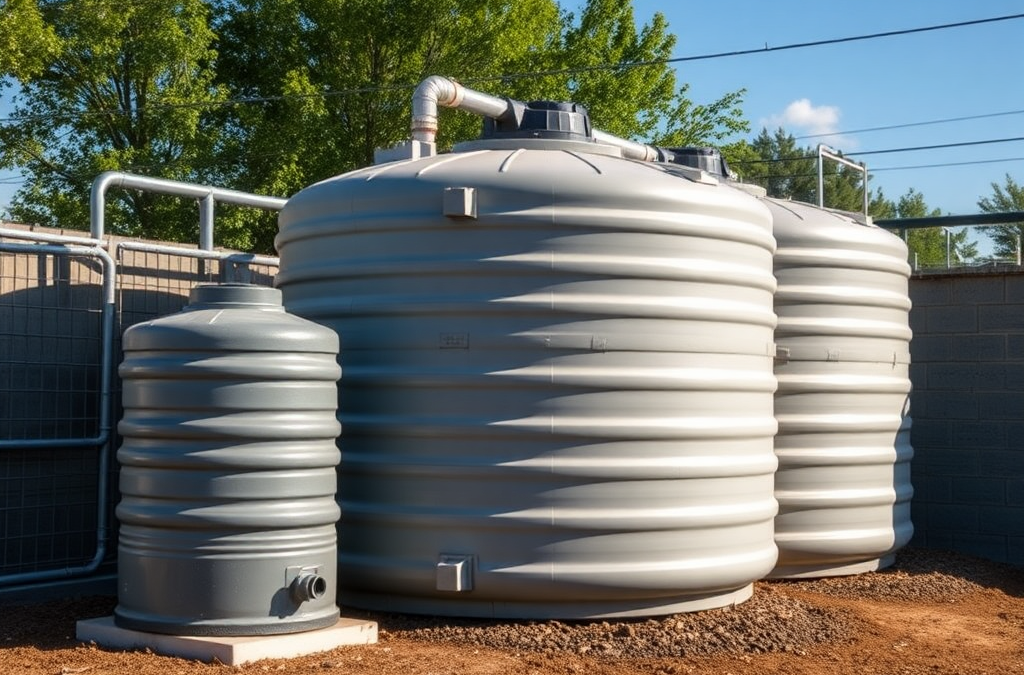
Long-term water storage solutions are critical for preparedness and sustainability. These solutions enable individuals and communities to maintain a reliable water supply during emergencies or in areas with limited access to fresh water. The effectiveness of these storage solutions depends on the type of container used, the environment in which they are stored, and the maintenance practices followed.
Choosing the right container is essential; options include plastic barrels, glass jars, and stainless steel tanks. Each material has its advantages and disadvantages, particularly concerning longevity and safety. Understanding these factors can help mitigate potential risks associated with long-term water storage.
Common Contamination Risks
Contamination is one of the significant issues with long-term water storage solutions. Factors such as exposure to light, temperature fluctuations, and inadequate sealing can lead to bacterial growth and chemical leaching. For example, if water is stored in clear plastic containers, exposure to sunlight can encourage algae growth, compromising water quality.
To minimize contamination risks, it is crucial to use appropriate storage containers that are designed for water storage. Containers should be opaque, food-grade, and made from materials that do not leach harmful chemicals. Regularly inspecting the storage environment and ensuring that containers are sealed can further reduce the risk of contamination.
Material Degradation Over Time
Over time, the materials used for water storage can degrade, leading to potential issues with safety and quality. For instance, certain plastics can break down and leach chemicals into the water, especially when exposed to heat or sunlight. Glass containers, while inert and safe, can be heavier and more prone to breaking.
Choosing durable materials for long-term storage is essential. Stainless steel and high-density polyethylene (HDPE) are commonly recommended due to their resistance to corrosion and chemical reactions. It is also vital to regularly inspect containers for signs of wear, such as cracks or discoloration, which can indicate that the material is degrading.
Best Practices for Long-Term Storage
Implementing best practices for long-term water storage can significantly enhance the safety and quality of the stored water. First, always start with clean, safe water. Utilize filtration systems or purifying tablets to eliminate contaminants before storage.
Next, choose the right containers and store them in a cool, dark place to minimize exposure to heat and light. Rotate your water supply every six months to ensure freshness, and conduct regular checks for leaks or contamination signs. Additionally, labeling containers with the storage date can help maintain an effective rotation schedule.
Mistakes to Avoid
Several common mistakes can undermine the effectiveness of long-term water storage solutions. One major error is using non-food-grade containers, which can leach harmful substances into the water. Additionally, neglecting to clean containers before use can introduce bacteria, leading to contamination.
Another mistake is failing to regularly inspect stored water for quality. Relying on water stored for years without checking can be risky, as even properly sealed containers can develop issues over time. Finally, overlooking the importance of proper sealing can lead to evaporation and contamination, rendering the stored water unsafe for consumption.
Frequently Asked Questions
What is the best material for long-term water storage?
High-density polyethylene (HDPE) and stainless steel are excellent choices due to their durability and resistance to leaching.
How often should I replace stored water?
It is recommended to rotate and replace stored water every six months to ensure its freshness and safety.
Can I store water in glass containers?
Yes, glass containers are safe for water storage, but they are heavier and more fragile compared to plastic options.
What signs indicate water contamination?
Signs of contamination include unusual odors, discoloration, or the presence of floating particles in the water.
Is it necessary to purify water before storing it?
Yes, purifying water before storage is essential to eliminate any existing contaminants and ensure its safety for consumption.
Contains regulations and recommendations for food-safe materials, including those used in water storage
Conclusion
Addressing issues with long-term water storage solutions is essential for ensuring safe and reliable access to water. By understanding common risks such as contamination and material degradation, individuals can implement best practices that enhance water quality. Regular inspections, proper container choices, and mindful storage conditions are critical for effective long-term water storage. Prioritize these strategies to minimize risks and ensure your water supply remains safe for future use.
Community resources encompass a broad range of services and support systems available within a locality that can aid individuals in achieving their personal plans. These resources include educational institutions, healthcare providers, non-profit organizations, recreational facilities, and social services. Understanding the variety and functions of these resources is crucial for individuals looking to enhance their personal plans.
For instance, local libraries can provide access to educational materials and workshops, while community centers may offer recreational activities that promote physical and mental well-being. Recognizing what is available in one’s community allows individuals to strategize their plans effectively, incorporating the support they need to succeed.
How Community Resources Influence Planning
The integration of community resources into individual plans can lead to significant improvements in personal development and achievement. These resources often provide essential services that can help individuals overcome barriers and enhance their capabilities. For example, access to career counseling and job training programs can significantly affect employment opportunities for individuals seeking to advance their careers.
Moreover, community health services can address mental and physical health needs, which are foundational for individuals to pursue their plans effectively. The relationship between community resources and individual planning is reciprocal; as individuals utilize these resources, they often contribute back to the community, creating a cycle of support and improvement.
Examples of Effective Resource Utilization
Many individuals have successfully utilized community resources to achieve their personal goals. For example, a young adult seeking to improve their job prospects might take advantage of a local workforce development program that offers resume workshops, interview training, and networking opportunities. This not only aids in their immediate job search but also equips them with skills for future employment.
Another example is a family utilizing local health services to access counseling and parenting classes, which can significantly enhance their family dynamics and personal well-being. These real-world scenarios illustrate the tangible benefits of integrating community resources into individual plans, showcasing how they can facilitate success and growth.
Challenges in Accessing Community Resources
While community resources offer numerous benefits, accessing them can present challenges. Barriers such as lack of awareness, transportation issues, and eligibility requirements can hinder individuals from fully utilizing available resources. For instance, some programs may have restrictions based on income or residency, which can limit access for certain individuals.
Additionally, the effectiveness of community resources can vary based on location and the specific needs of individuals. It is essential for individuals to actively seek out information, engage with community leaders, and advocate for their needs to overcome these barriers and maximize the benefits of available resources.
For those interested in exploring community resources further, local government websites often provide comprehensive directories of available services. Additionally, organizations such as the United Way and local nonprofits can offer insights into community initiatives aimed at supporting individual development.
Academic search resource for finding research literature and source material
Conclusion
Incorporating community resources into individual plans is essential for enhancing personal development and achieving goals. While challenges exist in accessing these resources, the potential benefits are significant. Individuals should actively seek out and utilize local resources to create a supportive network that fosters their success. By understanding the available options and advocating for their needs, individuals can greatly improve their planning outcomes.
Every pet owner should prioritize assembling a bug-out bag that includes essential supplies tailored to their pet’s needs. Start with food and water; pack at least three days’ worth of your pet’s regular food and a portable water container to ensure hydration. Additionally, include a sturdy leash, collar with identification tags, and a lightweight crate or carrier for safety and transportation.
Many pet owners overlook the importance of including first aid supplies, such as antiseptic wipes, bandages, and any necessary medications. These items can be critical in case of injury or illness during an evacuation. Always check expiration dates on medications and replace them as needed to avoid potential complications.
How to Choose the Right Food and Water Supplies
When selecting food for your pet’s bug-out bag, opt for high-quality, non-perishable options that are easy to transport. Pre-packaged meals or dry kibble are excellent choices since they can remain fresh for extended periods. Be sure to include a portable bowl for food and water, as well as any feeding instructions if you have multiple pets or specific dietary needs.
Water is just as vital as food. Aim to pack at least one gallon of water per pet for every three days. Consider using a collapsible bowl for easy feeding and hydration on the go. Remember to regularly refresh your water supply to prevent stagnation and contamination.
Including Safety and Comfort Items
In addition to food and water, safety and comfort items play a significant role in your pet’s well-being during an emergency. A first aid kit specifically designed for pets can help address injuries quickly. Include items like gauze, adhesive tape, and a thermometer. Familiarize yourself with basic first aid techniques to ensure you’re prepared in case of an emergency.
Comfort items, such as a favorite toy or blanket, can provide emotional support for your pet during stressful situations. Pets can experience anxiety during evacuations, so having familiar scents and objects can help ease their fears. If your pet is crate-trained, consider including their crate in the bug-out bag for added security and comfort.
Preparing for Different Types of Emergencies
Different emergencies require varying preparations. For natural disasters, consider the likelihood of flooding or fires and tailor your bug-out bag accordingly. If you live in an area prone to specific threats, such as hurricanes or earthquakes, research local guidelines for pet safety in these situations.
Practice evacuation drills with your pets to ensure they are familiar with the process. This will help them remain calm during actual emergencies. Keep your bug-out bag in an easily accessible location, and periodically review its contents to ensure everything is up to date and ready to go.
Frequently Asked Questions
What should I include in a bug-out bag for my dog?
Include essentials like food, water, a leash, collar with ID tags, a first aid kit, and comfort items such as a favorite toy or blanket.
How often should I check my pet's bug-out bag?
Review your pet's bug-out bag every six months to ensure that food, medications, and supplies are up to date and in good condition.
Can I use human food in my pet's bug-out bag?
While some human foods are safe for pets, it's best to pack their regular food to prevent digestive issues and ensure they receive proper nutrition.
How do I keep my pet calm during an evacuation?
Familiar items like toys or blankets can help comfort your pet. Additionally, practice evacuation drills to familiarize them with the process.
What if my pet has special needs?
Consult your veterinarian for tailored advice on including any specific medications, dietary needs, or mobility aids in your pet's bug-out bag.
Learn about emergency preparedness for pets from the Red Cross, including evacuation tips and safety resources
Conclusion
Preparing a bug-out bag for your pet is essential for ensuring their safety and comfort during emergencies. Focus on packing the right supplies, including food, water, first aid items, and comfort objects. Regularly review and update your bag to keep it ready for any situation. By prioritizing your pet’s needs, you can help them navigate emergencies with less stress and more security.
Mental preparation involves training the mind to handle emergencies effectively. It includes developing emotional resilience, situational awareness, and decision-making skills. Understanding the psychological impact of emergencies is vital, as stress can impair judgment and response times. Mental preparation allows individuals to recognize their emotional triggers and develop strategies to manage anxiety during crises.
For instance, someone who has mentally rehearsed a fire evacuation may remain calm and follow the plan when faced with an actual emergency. In contrast, a person who has not prepared might freeze or panic, leading to dangerous outcomes. Thus, mental preparation serves as a foundational element of effective emergency response.
Benefits of Mental Readiness
Being mentally prepared for emergencies offers numerous advantages. One significant benefit is improved decision-making under pressure. Individuals who practice mental scenarios can quickly assess situations, prioritize actions, and execute plans efficiently. This ability can be lifesaving in emergencies where time is of the essence.
Moreover, mental readiness can reduce the likelihood of panic. Panic can lead to irrational behavior, hindering effective responses. For example, during a natural disaster, a mentally prepared person may calmly follow evacuation routes, while someone unprepared might become disoriented and make poor choices. Additionally, mental preparation fosters a sense of control, enhancing overall well-being and reducing post-traumatic stress symptoms.
Common Mistakes in Mental Preparation
Despite its importance, many individuals make critical mistakes in mental preparation. One common error is underestimating the psychological impact of emergencies. People often focus solely on physical preparedness, neglecting the mental aspect. This oversight can lead to inadequate responses when faced with actual crises.
Another mistake is failing to practice mental scenarios regularly. Mental rehearsal is essential for reinforcing learned behaviors. Without consistent practice, individuals may struggle to recall their training during high-stress situations. Additionally, some may rely too heavily on external resources, such as apps or guides, rather than developing their own mental strategies. Building personal coping mechanisms is crucial for effective mental preparedness.
Practical Techniques for Mental Preparation
To enhance mental preparation for emergencies, individuals can employ various practical techniques. Visualization is one effective method. By vividly imagining themselves responding to different emergency scenarios, individuals can strengthen their mental pathways and improve recall under pressure. Regularly practicing mindfulness can also enhance emotional resilience, allowing individuals to stay grounded during high-stress situations.
Another technique is scenario-based training, which involves role-playing emergency situations. This hands-on approach helps individuals practice their responses in a controlled environment, making them more likely to react effectively in real emergencies. Finally, maintaining a positive mindset and reinforcing self-efficacy can empower individuals to trust their abilities in crisis situations.
Frequently Asked Questions
What is mental preparation for emergencies?
Mental preparation for emergencies involves training the mind to handle stressful situations effectively, improving decision-making, and reducing panic.
Why is mental preparation important?
Mental preparation is crucial as it enhances an individual’s ability to respond effectively in emergencies, leading to better outcomes and reduced anxiety.
How can I improve my mental preparation?
Improving mental preparation can be achieved through techniques like visualization, mindfulness, and scenario-based training to practice responses.
What are common mistakes in mental preparation?
Common mistakes include underestimating psychological impacts, failing to practice regularly, and relying too heavily on external resources.
How does mental preparation reduce panic?
Mental preparation reduces panic by fostering a sense of control and familiarity with emergency responses, allowing individuals to remain calm.
This CDC page discusses the importance of mental health in emergency preparedness and response
Conclusion
Mental preparation is an essential component of effective emergency response, equipping individuals with the necessary skills to handle crises. By understanding the importance of mental readiness, recognizing common mistakes, and employing practical techniques, individuals can significantly enhance their ability to respond effectively. Prioritizing mental preparation not only improves decision-making and reduces panic but also fosters resilience in the face of adversity. Taking proactive steps towards mental readiness will empower individuals to navigate emergencies with confidence.
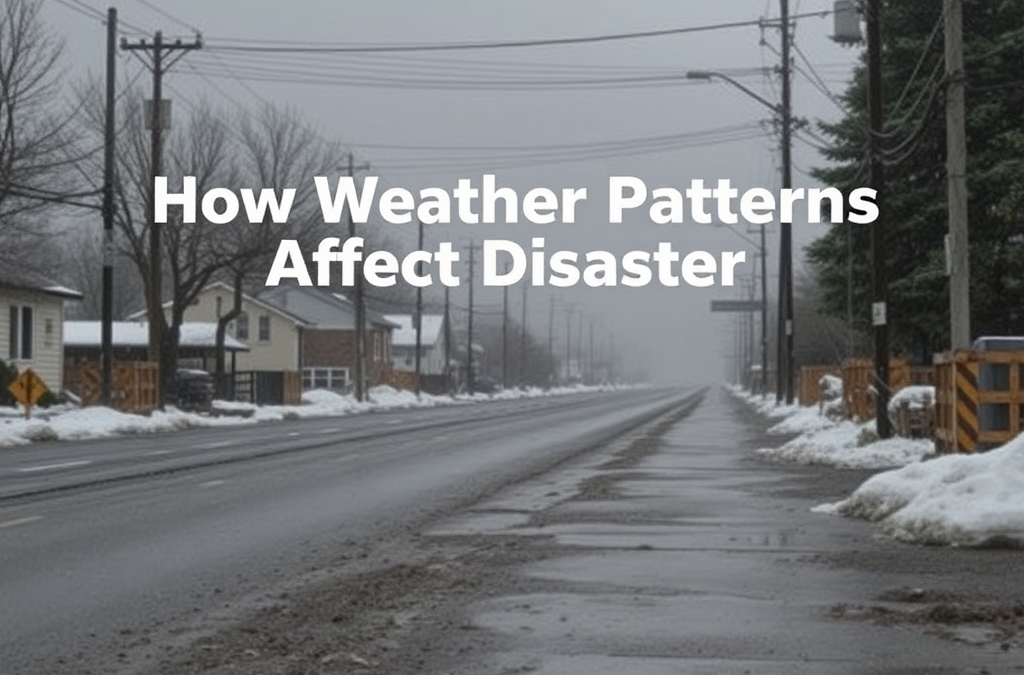
Weather patterns are critical in shaping disaster scenarios, as they dictate the frequency and severity of natural events like storms, droughts, and floods. Understanding these patterns involves analyzing historical weather data, seasonal trends, and geographical factors that contribute to different types of disasters. For instance, coastal regions are more susceptible to hurricanes, while areas near rivers may face flooding risks. Recognizing these patterns allows planners to anticipate potential disasters and allocate resources accordingly.
Common misconceptions about weather patterns include the belief that they are static and predictable. In reality, weather systems can change rapidly due to various factors, including atmospheric conditions and human activity. Disaster planners must remain flexible and adapt their strategies to account for these fluctuations. An effective approach includes regularly updating risk assessments based on the latest meteorological data and climate models.
Impact of Climate Change on Weather Patterns
Climate change significantly alters weather patterns, leading to more extreme weather events and unpredictable conditions. Rising global temperatures contribute to increased storm intensity, prolonged droughts, and changing precipitation patterns. These shifts necessitate a reevaluation of disaster preparedness plans, as traditional methods may no longer suffice in the face of heightened risks.
For example, areas that previously experienced mild winters may now face severe cold snaps, while regions accustomed to regular rainfall might struggle with drought. Disaster planners must incorporate climate projections into their strategies, ensuring that their plans are robust enough to handle these emerging threats. This can include investing in infrastructure improvements, community education, and emergency response training tailored to the new climate realities.
Regional Considerations in Disaster Planning
Each region has unique weather patterns that influence disaster risks. For instance, the Midwest may face tornado threats, while the Southeast deals with hurricanes. Understanding these regional nuances is essential for effective disaster planning. Planners should analyze local historical data to identify trends and potential hazards specific to their area.
A common mistake in regional disaster planning is the failure to involve local stakeholders and communities in the process. Engaging residents can provide invaluable insights into local vulnerabilities and resources, fostering a collaborative approach to preparedness. Additionally, planners should consider local geography and infrastructure when designing their disaster response strategies, ensuring they are tailored to the specific needs of the community.
Developing a Weather-Responsive Disaster Plan
Creating a disaster plan that effectively responds to weather patterns involves several key steps. First, conduct a thorough risk assessment that evaluates potential hazards based on historical weather data and current climate trends. This assessment should guide the development of response strategies tailored to address specific threats.
Next, establish clear communication channels to disseminate critical information during a disaster. This includes alert systems for severe weather warnings and community education on emergency procedures. Regular drills and training sessions can help ensure that both emergency responders and residents are prepared for various scenarios. Finally, continuously review and update the disaster plan to incorporate new data and lessons learned from past events, ensuring it remains relevant and effective.
For those interested in a deeper understanding of how weather patterns affect disaster planning, consider exploring resources from meteorological organizations and disaster response agencies. These sources provide valuable insights into current research and best practices in disaster preparedness.
Frequently Asked Questions
How do weather patterns influence disaster preparedness?
Weather patterns dictate the types of hazards a region may face, influencing risk assessments and resource allocation for effective disaster preparedness.
What role does climate change play in disaster planning?
Climate change leads to extreme weather events and unpredictable conditions, requiring updates to disaster plans to address heightened risks effectively.
Why is regional analysis important in disaster planning?
Regional analysis helps identify specific hazards based on local weather patterns, ensuring disaster plans are tailored to the unique needs of the community.
What are common mistakes in disaster planning?
Common mistakes include failing to involve local stakeholders, not updating plans based on new data, and underestimating the impact of climate change.
How can communities prepare for extreme weather?
Communities can prepare by conducting risk assessments, establishing clear communication channels, and engaging in regular training and drills.
National preparedness resources for planning, mitigation, and response readiness
Conclusion
Weather patterns play a crucial role in shaping disaster planning strategies. By understanding the implications of these patterns and the impacts of climate change, disaster planners can create more effective, responsive plans. Prioritizing regional analysis, community engagement, and continuous updates to preparedness strategies will enhance resilience against future weather-related disasters. Communities should focus on proactive measures, ensuring they are equipped to respond to the evolving challenges posed by changing weather conditions.
Understanding the Vulnerabilities of a Single Power Source
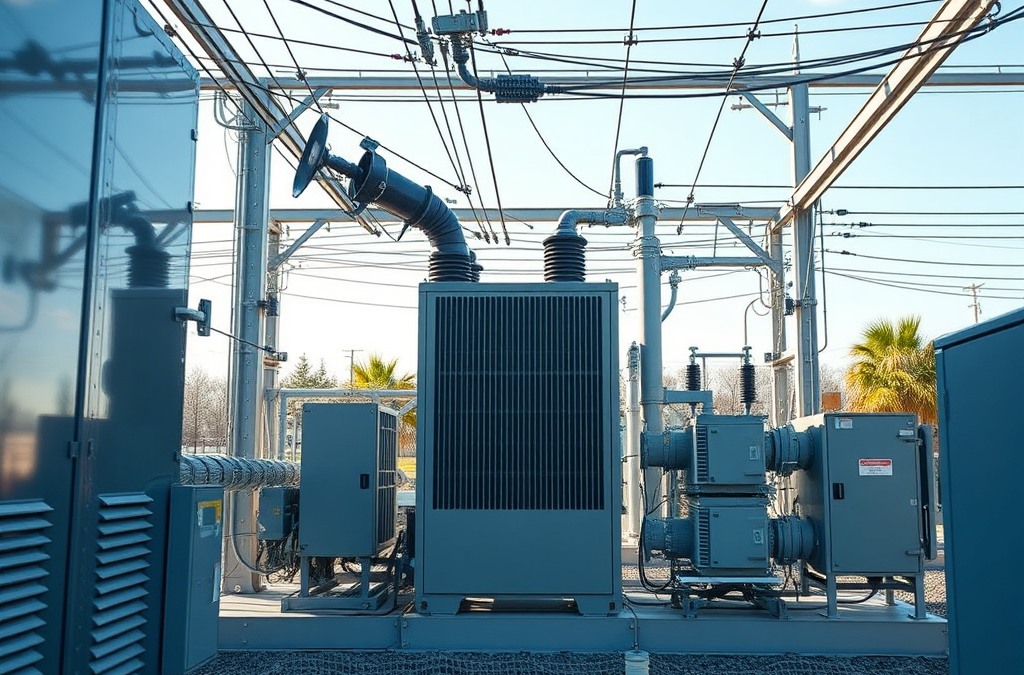
Relying on a single power source poses significant vulnerabilities that can impact both personal and organizational operations. When a power grid or generator is the only source of energy, any disruption—be it from natural disasters, equipment failure, or maintenance issues—can lead to complete power loss. This situation is particularly critical for businesses that rely on continuous energy supply for production, data management, or customer service.
Many underestimate the potential frequency and severity of outages, often believing that their primary power source is infallible. However, the reality is that aging infrastructure, climate change, and increased demand can strain power systems, leading to unexpected failures. For example, during extreme weather events, power lines may become damaged, causing widespread outages. Organizations that do not account for these risks may face not only operational disruptions but also reputational damage and financial losses.
The Impact of Power Outages on Operations
Power outages can have devastating effects on operations, particularly for industries that require constant energy supply. The immediate impact is often the halt of production lines, which can lead to significant financial losses. Moreover, companies may incur additional costs related to restarting operations, lost data, and potential damage to equipment due to abrupt power interruptions.
For instance, a manufacturing facility that depends on automated machinery may find that even a brief outage can lead to hours of downtime, not to mention the risk of damaging sensitive equipment. Furthermore, businesses that operate in sectors such as healthcare can face dire consequences, where power failure might compromise patient safety. These scenarios illustrate the importance of assessing the risks associated with a single power source and preparing for contingencies.
Redundancy: Why It Matters for Power Systems
Establishing redundancy within power systems is crucial for mitigating the risks associated with relying on a single power source. Redundancy involves having backup systems or alternative energy sources that can immediately take over in case the primary source fails. This approach significantly enhances resilience and reliability, ensuring that critical operations can continue uninterrupted.
For example, many data centers employ uninterruptible power supplies (UPS) and backup generators to maintain operations during an outage. By doing so, they can avoid data loss and maintain service availability. Additionally, integrating renewable energy sources, such as solar or wind, alongside traditional power grids can provide an extra layer of security. This diversification not only helps in managing outages but also reduces dependency on any single energy source, aligning with sustainability goals.
Strategies for Diversifying Power Sources
Diversifying power sources is a practical strategy that organizations can adopt to minimize risks associated with reliance on a single power source. One effective approach is to integrate various energy solutions, including renewable energy options like solar panels, wind turbines, and battery storage systems. This not only enhances resilience but also aligns with growing sustainability initiatives.
Organizations can start by conducting a thorough energy audit to assess their current power consumption and identify potential alternative sources. Investing in hybrid systems that combine traditional and renewable energy can also be beneficial. Furthermore, establishing agreements with multiple energy providers can ensure a steady supply, even if one provider experiences issues. Ultimately, these strategies not only safeguard against outages but also contribute to a more sustainable energy future.
Frequently Asked Questions
What are the main risks of relying on a single power source?
The main risks include power outages, system overload, and lack of redundancy, which can disrupt operations and lead to significant losses.
How can I mitigate risks associated with a single power source?
Mitigation can be achieved by diversifying energy sources, implementing backup systems, and conducting regular risk assessments.
What are some examples of backup power systems?
Examples include uninterruptible power supplies (UPS), backup generators, and renewable energy systems like solar panels.
Why is redundancy important in power systems?
Redundancy is vital because it ensures continuous power supply during outages, enhancing operational resilience and reliability.
What should organizations consider when diversifying power sources?
Organizations should assess current energy consumption, explore renewable options, and establish contracts with multiple providers to ensure reliability.
This guide outlines various strategies for mitigating risks associated with power outages and other disasters
Conclusion
Relying on a single power source presents significant risks that can jeopardize operational continuity and safety. By understanding these vulnerabilities and implementing strategies such as redundancy and diversification, organizations can enhance their resilience against power disruptions. It is crucial to conduct regular assessments of energy needs and explore alternative energy solutions to safeguard against potential outages. Prioritizing a multi-source approach not only mitigates risks but also aligns with sustainability efforts, ensuring a dependable and eco-friendly energy future.