Understanding the Importance of Food Stock Rotation
Effectively rotating emergency food stock is crucial for ensuring food safety and maintaining the nutritional value of supplies. Expired food can lead to health risks, and neglecting stock rotation can result in significant waste. By prioritizing the use of older items, you can prevent spoilage and ensure that your emergency provisions are always ready for consumption. This practice not only safeguards health but also maximizes the value of your food investments.
Moreover, understanding the risks associated with outdated supplies is essential. Foods may lose their nutritional potency over time, and some can become hazardous if consumed after their expiration dates. Establishing a routine for stock rotation helps mitigate these risks and promotes responsible preparedness.
Implementing the FIFO Method
The FIFO (first in, first out) method is a widely accepted practice for rotating food stock effectively. This approach ensures that the oldest items are used first, reducing the likelihood of waste. To implement FIFO, organize your food storage so that new items are placed behind older ones. This simple arrangement encourages the use of older stock before newer additions.
As part of the FIFO system, labeling items with purchase dates or expiration dates can enhance visibility and help you track which items need to be used sooner. Regularly updating these labels can prevent confusion and reinforce the importance of using older items first. This system is particularly useful for canned goods, dehydrated foods, and other long-term storage items.
Storage Conditions for Emergency Food
Proper storage conditions are vital for maintaining the integrity of emergency food supplies. Temperature, humidity, and light exposure can significantly impact food quality and shelf life. Ideally, food should be stored in a cool, dry place away from direct sunlight. High temperatures can accelerate spoilage, while humidity can lead to mold growth and spoilage.
Using airtight containers can help protect foods from moisture and pests. Additionally, organizing your storage area to allow for good airflow can prevent condensation and further protect your stock. Regularly checking the conditions of your storage area is essential to ensure that it remains suitable for food preservation.
Regular Inspection and Maintenance
Regular inspection of your emergency food stock is necessary to ensure that items remain safe for consumption. This includes checking expiration dates, inspecting packaging for damage, and assessing overall food quality. A routine inspection schedule, such as every six months, can help you stay on top of your inventory and address any issues before they escalate.
During inspections, take note of items that are nearing their expiration dates and prioritize their use. This proactive approach can help prevent waste and ensure that your emergency food stock is always up to date. Additionally, consider rotating your stock during these inspections to reinforce the FIFO method and keep your supplies organized.
Frequently Asked Questions
Why is food stock rotation important?
Food stock rotation prevents spoilage, ensures safety, and maintains nutritional value, reducing waste and health risks associated with expired items.
How can I implement FIFO in my food storage?
To implement FIFO, organize your food so that older items are at the front and newer items are placed behind them, ensuring older stock is used first.
What storage conditions are best for emergency food?
Emergency food should be stored in a cool, dry place away from direct sunlight, ideally in airtight containers to protect against moisture and pests.
How often should I inspect my emergency food stock?
Regular inspections should occur every six months to check expiration dates, packaging integrity, and overall food quality.
What are common mistakes in food stock rotation?
Common mistakes include neglecting to check expiration dates, not using the FIFO method correctly, and improper storage conditions that can lead to spoilage.
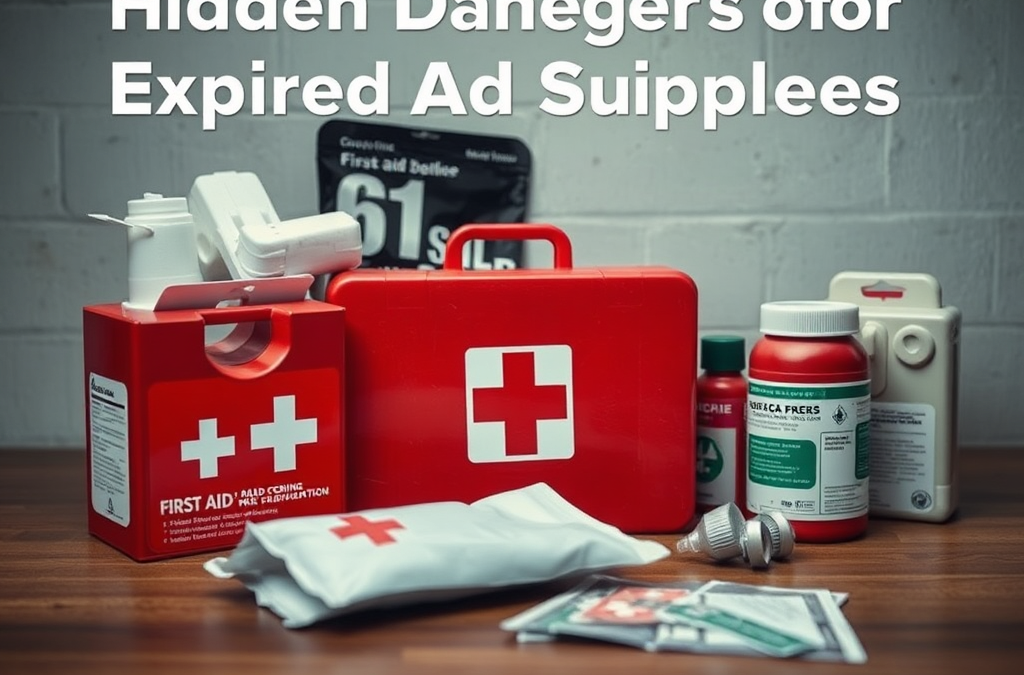
Expired first aid supplies refer to any medical products that have surpassed their designated expiration date, which indicates the time frame in which they are guaranteed to be effective and safe to use. This category can include medications, antiseptics, bandages, and various medical devices. Understanding what constitutes expired supplies is essential for ensuring safety and efficacy during emergencies. Many people might assume that supplies are still usable after their expiration date, but this can lead to dangerous outcomes.
For example, a common misconception is that medications, such as pain relievers or antibiotics, can still be effective past their expiration. However, chemical properties may change, rendering them ineffective or, in some cases, harmful. Bandages and dressings can also degrade in quality, potentially exposing wounds to infection or causing inadequate coverage.
Risks of Using Expired Supplies
Utilizing expired first aid supplies poses several risks that can compromise health and safety. The most immediate concern is the potential for ineffective treatment. For instance, if a person relies on expired pain medication during an emergency, they may not achieve the necessary pain relief, which could exacerbate their condition. Similarly, expired antiseptics may fail to properly clean a wound, increasing the risk of infection.
Another significant risk involves legal liability. In a situation where expired supplies are used and a person suffers harm as a result, the individual administering first aid may face legal consequences, especially in professional settings such as workplaces or public events. It is crucial to be aware of these risks and take preventive measures to ensure that first aid supplies are up-to-date and functional.
How to Check Your First Aid Kit
Regularly inspecting your first aid kit is essential to ensure that all supplies are current and effective. Begin by removing all items from the kit and checking the expiration dates on medications and supplies. It is advisable to create a checklist to make this process systematic. Note any items that are expired or nearing expiration, and plan to replace them promptly.
Additionally, assess the condition of non-medication items, such as bandages and gauze. Look for signs of wear, such as discoloration or damage to packaging, which could indicate compromised integrity. It’s also wise to periodically review the contents of your first aid kit to ensure that it is adequately stocked for your needs, including any specific supplies required for family members or pets.
Best Practices for Maintaining Supplies
To maintain an effective first aid kit, establish a routine for checking and replenishing supplies. Aim to conduct a comprehensive review of your first aid kit at least twice a year. This frequency allows you to catch any expired items and replace them before they can be needed in an emergency.
In addition to regular checks, consider implementing a rotation system for medications and supplies. When purchasing new items, place them at the back of the kit and move older items to the front. This method helps ensure that older supplies are used first, minimizing the risk of expiration. Finally, educate all family members about the importance of first aid kit maintenance, so they can contribute to keeping it up to date.
Conclusion
Understanding the hidden dangers of expired first aid supplies is crucial for maintaining safety during emergencies. By regularly checking expiration dates, replacing outdated items, and following best practices for kit maintenance, you can ensure that your first aid supplies remain effective and reliable. Taking these proactive steps will help you be better prepared for unexpected situations, ultimately safeguarding yourself and others.
Frequently Asked Questions
What should I do with expired first aid supplies?
Expired first aid supplies should be properly disposed of according to local regulations, often involving safe disposal methods for medical products.
How often should I check my first aid kit?
It is recommended to check your first aid kit at least twice a year to ensure all supplies are current and in good condition.
Can I still use expired medications?
It is not advised to use expired medications, as they may lose potency or become harmful after their expiration date.
What are the risks of using expired bandages?
Expired bandages may not adhere properly or provide adequate protection, increasing the risk of infection or inadequate wound care.
How can I keep my first aid supplies organized?
Use clear containers and labels to organize supplies by type, and implement a rotation system to ensure older items are used first.
Urban living presents unique challenges for prepping, primarily due to limited space and resources. Without a yard, individuals must adapt their strategies to ensure they can effectively prepare for emergencies. This includes understanding local risks, such as natural disasters or social unrest, that may impact urban areas more severely. It’s crucial to prioritize what supplies are necessary and how to acquire them in a city environment.
One common mistake is underestimating the importance of community connections. Urban preppers often overlook the value of networking with neighbors and local organizations that can provide support during emergencies. Building relationships can lead to shared resources, knowledge, and skills that are vital when traditional prepping methods are not feasible.
Maximizing Vertical Space for Food Production
Growing food without a yard may seem impossible, but vertical gardening offers a practical solution. Utilizing walls, balconies, and even window sills can provide opportunities for food production in limited spaces. Vertical gardens can include containers, trellises, and wall planters that allow for the cultivation of various herbs and vegetables.
For instance, using stackable planters or hanging pots can help maximize space while also enhancing aesthetics. It’s important to choose plants that thrive in smaller environments, such as lettuce, herbs, and strawberries. Additionally, understanding the sunlight and watering needs of these plants is crucial for successful growth. The key is to experiment with different setups to find what works best in your space.
Community Resources and Collaboration
Community gardening initiatives are a valuable resource for urban preppers. Many cities have established community gardens where individuals can rent plots or participate in cooperative growing efforts. These gardens not only provide space for cultivation but also foster a sense of community and shared responsibility.
Engaging in local gardening groups or online forums can lead to opportunities for collaboration, skill-sharing, and resource pooling. For example, some community gardens host workshops on sustainable practices, which can enhance your prepping skills. Participating in these initiatives can also lead to access to tools, seeds, and knowledge that would be difficult to acquire alone.
Storage Solutions for Limited Spaces
Effective storage is essential for urban preppers facing space constraints. Utilizing multi-functional furniture, under-bed storage, and vertical shelving can help maximize available space. Prioritizing essential supplies, such as food, water, and first-aid kits, is crucial for developing an effective storage plan.
One effective strategy is to create a modular storage system that allows for easy access and organization. For instance, using clear bins can help you quickly identify supplies without rummaging through clutter. Additionally, consider rotating stock to ensure that older items are used first, reducing waste and keeping supplies fresh.
Frequently Asked Questions
Can I grow food without a yard?
Yes, you can grow food using vertical gardens, container gardening, and community gardens to maximize limited space.
What are essential supplies for urban prepping?
Essential supplies include non-perishable food, water, first-aid kits, tools, and items for self-defense, if necessary.
How can I connect with other preppers in my area?
Join local community groups, online forums, or social media pages focused on prepping and survival to find like-minded individuals.
What are the best plants for container gardening?
Herbs like basil and parsley, as well as vegetables like lettuce and tomatoes, are well-suited for container gardening.
What is a community garden?
A community garden is a shared space where individuals can grow food collectively, often providing access to resources and knowledge.
Academic search resource for finding research literature and source material
Conclusion
Prepping without a yard requires creativity and adaptability. Urban preppers must leverage vertical space, community resources, and effective storage solutions to ensure readiness. By connecting with neighbors and utilizing shared spaces, individuals can enhance their preparedness efforts while building a supportive network. Prioritize the essentials, stay informed about local risks, and remain flexible in your strategies to thrive in an urban environment.
Food safety during disasters involves recognizing potential risks associated with food spoilage, contamination, and improper storage. Natural disasters such as floods, hurricanes, and earthquakes can disrupt food supply chains, leading to challenges in maintaining the safety and quality of food products. The primary risks include temperature fluctuations, exposure to contaminants, and physical damage to food supplies.
For instance, when power outages occur, perishable items stored in refrigerators may spoil quickly, leading to foodborne illnesses. Understanding these risks is crucial for effective disaster preparedness and response, ensuring that the food you consume remains safe and healthy.
Best Practices for Food Storage
Implementing best practices for food storage is essential in maintaining food safety during disasters. Start by organizing your pantry and refrigerator, ensuring that food is stored at appropriate temperatures. Refrigerated items should be kept at or below 40°F (4°C), while freezers should be at 0°F (-18°C). Use thermometers to monitor these temperatures regularly.
Additionally, ensure that food items are stored in airtight containers to prevent spoilage and contamination. Label all food items with purchase dates to keep track of their freshness. In the event of an impending disaster, stock up on non-perishable items such as canned goods, grains, and dried fruits, which can last longer and provide essential nutrition when fresh food is scarce.
Dealing with Power Outages
Power outages during disasters pose significant challenges for food safety. It’s crucial to have a plan in place for managing perishable food items when the power goes out. Keep refrigerator and freezer doors closed as much as possible to maintain the cold temperature. A full freezer can keep food safe for about 48 hours if unopened, while a half-full freezer will maintain its temperature for about 24 hours.
Consider investing in coolers and ice packs to help keep perishables cold during extended outages. If food has been above 40°F for more than two hours, it should be discarded. Always err on the side of caution food safety; if in doubt, throw it out.
Avoiding Contamination
Contamination is a significant concern during disasters, especially if flooding occurs. Floodwaters can carry harmful bacteria, chemicals, and other contaminants that may compromise food safety. To avoid contamination, keep food off the ground and away from potential floodwaters. Use sealed containers to protect food from exposure.
After a disaster, inspect food items carefully. If any food has come into contact with floodwaters, it should be discarded immediately, as it may pose serious health risks. Wash all surfaces and utensils that may have been exposed to contaminated water thoroughly with soap and clean water to ensure safety.
Emergency Food Supplies
Having a well-stocked emergency food supply is vital for ensuring food safety during disasters. Aim to have at least a three-day supply of non-perishable food for each person in your household. Include items such as canned goods, dried beans, rice, pasta, and ready-to-eat meals. Don’t forget to include a manual can opener and utensils for food preparation.
Regularly check your emergency food supplies to ensure that items are not expired and that everything is in good condition. Rotate your supplies periodically by using older items first and replenishing with fresh stocks. This practice not only ensures food safety but also helps you maintain a balanced diet during emergencies.
Frequently Asked Questions
What should I do with perishable food during a disaster?
Keep perishable food in the refrigerator or freezer and avoid opening doors frequently. If the power is out for more than four hours, discard any perishable items that have been above 40°F.
How can I tell if food is safe after a disaster?
Check for signs of spoilage, such as off smells, discoloration, or mold. If food has been in contact with floodwaters, it should be discarded.
What non-perishable foods are best for emergencies?
Canned goods, dried beans, rice, pasta, and granola bars are excellent non-perishable options that provide essential nutrition during emergencies.
How long can food last in a freezer without power?
A full freezer can keep food safe for about 48 hours if unopened, while a half-full freezer will maintain its temperature for about 24 hours.
What are the risks of eating contaminated food?
Eating contaminated food can lead to foodborne illnesses, which may cause symptoms like nausea, vomiting, diarrhea, and fever.
A comprehensive resource for understanding food safety and health risks
Conclusion
Ensuring food safety during disasters requires careful planning and awareness of potential risks. By implementing proper food storage practices, preparing for power outages, and avoiding contamination, you can protect your health. Regularly check and maintain your emergency food supplies, and always prioritize safety over risk. Being proactive in these areas will help you navigate challenging situations with confidence.
A common mistake when creating emergency kits is overlooking essential supplies. Many individuals focus on basic items like flashlights and batteries but forget critical elements such as food, water, and necessary medications. Without these, an emergency kit may not serve its purpose effectively. For instance, a well-rounded kit should include non-perishable food items, a water supply of at least one gallon per person per day, and any required prescription medications.
When selecting food, consider items with a long shelf life, such as canned goods or energy bars. Additionally, ensure that the food is suitable for all members of the household, including children and pets. Ignoring dietary restrictions or preferences can lead to wasted supplies and inadequate nutrition during emergencies. Regular inventory checks can help identify any missing items before they are needed.
Failing to Customize Kits for Specific Needs
Another significant oversight is failing to customize emergency kits for individual needs. Each household has unique requirements based on the age, health, and preferences of its members. For instance, families with infants should include baby formula, diapers, and other specific needs, while elderly family members may require additional medications or mobility aids.
Personalizing your kit ensures that it meets the needs of everyone involved. For example, including comfort items like a favorite toy or blanket can help children cope with stress during emergencies. Furthermore, consider including specific items for pets, such as food and medications, to ensure their well-being. This tailored approach not only prepares you better for emergencies but also fosters a sense of security among family members.
Neglecting Regular Updates
Many people create an emergency kit but then neglect to update it regularly. Over time, items can expire or become unusable, rendering the kit ineffective when needed. It is crucial to periodically check the contents of your emergency kit and replace any expired items, especially food and medications.
Establishing a schedule for these checks can help maintain an effective emergency kit. For example, consider reviewing your kit every six months, perhaps coinciding with daylight saving time changes. This habit ensures that your kit remains stocked with fresh supplies and reflects any changes in your household’s needs, whether it be a new family member or a change in medical requirements.
Not Considering Location-Specific Risks
Failing to consider location-specific risks is another common mistake when creating emergency kits. Different regions face distinct threats, such as hurricanes in coastal areas or wildfires in dry regions. A one-size-fits-all approach to emergency kits can leave you unprepared for the specific challenges your area may face.
To address this issue, research the common emergencies in your geographical area and tailor your kit accordingly. For example, if you live in a flood-prone area, you may want to include waterproof bags for important documents or a portable water filtration system. Understanding the risks can help you prioritize which supplies are most critical for your specific situation, ensuring your readiness in a crisis.
Frequently Asked Questions
What should I include in my emergency kit?
Your emergency kit should include food, water, first aid supplies, medications, flashlights, batteries, and personal hygiene items.
How often should I update my emergency kit?
It's advisable to check and update your emergency kit every six months to ensure all items are current and usable.
Can I use my emergency kit for daily needs?
While some items can be used daily, it's essential to keep emergency supplies separate to ensure they are available when needed.
How do I customize my emergency kit?
Customize your kit based on the specific needs of your household, including dietary restrictions, medical requirements, and the ages of family members.
What are some common mistakes people make with emergency kits?
Common mistakes include overlooking essential supplies, failing to customize kits, neglecting updates, and not considering location-specific risks.
National preparedness resources for planning, mitigation, and response readiness
Conclusion
Creating an effective emergency kit requires careful consideration and regular maintenance. Prioritize essential supplies tailored to your household’s unique needs, and don’t forget to update your kit regularly to ensure its readiness. By understanding the specific risks associated with your location, you can further enhance your preparedness. Taking these steps can significantly improve your ability to respond effectively during emergencies.
Preparing your home for emergencies starts with understanding the specific risks you may face in your area, such as natural disasters, fires, or intrusions. Each home may require different safety strategies based on location, construction, and available resources. Recognizing these factors allows homeowners to tailor their prepare your home checklist effectively.
For example, homes in flood-prone areas should prioritize water barriers and evacuation routes, while those in wildfire zones might focus on creating defensible space around their property. This targeted approach helps ensure that the measures taken are relevant and effective, ultimately increasing the likelihood of safety in the event of an emergency.
Essential Supplies for Your Home Checklist
A comprehensive prepare your home checklist should include essential supplies that cater to the needs of your household. This typically involves food, water, medical supplies, and tools for both short-term survival and long-term recovery. Start by assessing your family’s unique needs. For instance, consider any dietary restrictions, medical conditions, or the number of pets in your home.
Here’s a basic list of items to include:
Non-perishable food items
Water (one gallon per person per day for at least three days)
First aid kit
Flashlights and batteries
Multi-tool or Swiss Army knife
Local maps
Whistle to signal for help
Common mistakes include underestimating the amount of food and water needed or failing to update supplies regularly. Always check expiration dates and rotate stock to ensure freshness.
Creating an Effective Communication Plan
Establishing a communication plan is crucial for maintaining contact with family members during emergencies. This plan should outline how to reach each other if separated and designate a meeting place. Consider utilizing both local and out-of-town contacts to ensure coverage in case local networks are compromised.
For example, if family members are at school or work when an emergency occurs, having a designated point of contact outside the immediate area can provide a reliable way to share information. Include all family members in the planning process, and conduct regular drills to ensure everyone remembers the plan.
Regular Maintenance and Safety Checks
Routine maintenance and safety checks are vital components of your prepare your home checklist. Regularly inspect smoke detectors, carbon monoxide detectors, and fire extinguishers. Replace batteries as needed and ensure that all safety devices are in working order.
Additionally, evaluate your home’s structural integrity. Check for signs of wear and tear, such as loose shingles, cracks in the foundation, or gaps around windows and doors. Addressing these issues proactively can prevent larger problems during emergencies and enhance overall safety.
Frequently Asked Questions
What should be included in a home emergency kit?
A home emergency kit should include water, non-perishable food, a first aid kit, flashlights, batteries, and essential personal items.
How often should I update my emergency supplies?
Check and update your emergency supplies at least once a year, ensuring food and medications are not expired.
What is the best way to secure my home against intrusions?
Install sturdy locks, outdoor lighting, and security cameras, and consider a neighborhood watch program.
How can I prepare my home for natural disasters?
Understand local risks, create an emergency plan, and have supplies ready specific to the types of disasters in your area.
Why is a communication plan important during emergencies?
A communication plan ensures family members can reach each other and stay informed during emergencies, enhancing safety and coordination.
Academic search resource for finding research literature and source material
Conclusion
Preparing your home checklist is a critical step in ensuring safety and readiness for emergencies. By understanding risks, stocking essential supplies, creating a communication plan, and conducting regular maintenance, you can significantly enhance your family’s preparedness. Prioritize these elements, and take proactive measures to protect your home and loved ones.