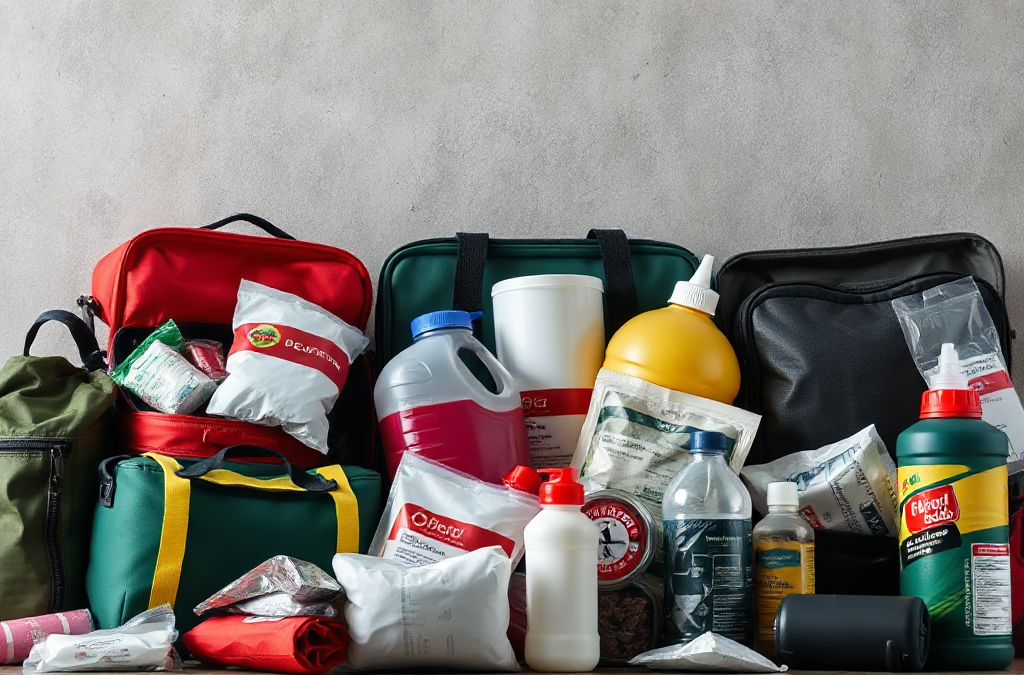
Common mistakes in creating emergency kits include neglecting essential supplies, failing to tailor kits to individual needs, and not updating contents regularly. Many people overlook critical items such as food, water, and necessary medications, which are vital for survival during emergencies. It's important to customize your kit based on your household's specific requirements, such as including baby supplies for families with infants or medications for elderly members. Additionally, regularly checking and replenishing your kit ensures that it remains effective and ready for use when needed.
Overlooking Essential Supplies
A common mistake when creating emergency kits is overlooking essential supplies. Many individuals focus on basic items like flashlights and batteries but forget critical elements such as food, water, and necessary medications. Without these, an emergency kit may not serve its purpose effectively. For instance, a well-rounded kit should include non-perishable food items, a water supply of at least one gallon per person per day, and any required prescription medications.
When selecting food, consider items with a long shelf life, such as canned goods or energy bars. Additionally, ensure that the food is suitable for all members of the household, including children and pets. Ignoring dietary restrictions or preferences can lead to wasted supplies and inadequate nutrition during emergencies. Regular inventory checks can help identify any missing items before they are needed.
Failing to Customize Kits for Specific Needs
Another significant oversight is failing to customize emergency kits for individual needs. Each household has unique requirements based on the age, health, and preferences of its members. For instance, families with infants should include baby formula, diapers, and other specific needs, while elderly family members may require additional medications or mobility aids.
Personalizing your kit ensures that it meets the needs of everyone involved. For example, including comfort items like a favorite toy or blanket can help children cope with stress during emergencies. Furthermore, consider including specific items for pets, such as food and medications, to ensure their well-being. This tailored approach not only prepares you better for emergencies but also fosters a sense of security among family members.

Neglecting Regular Updates
Many people create an emergency kit but then neglect to update it regularly. Over time, items can expire or become unusable, rendering the kit ineffective when needed. It is crucial to periodically check the contents of your emergency kit and replace any expired items, especially food and medications.
Establishing a schedule for these checks can help maintain an effective emergency kit. For example, consider reviewing your kit every six months, perhaps coinciding with daylight saving time changes. This habit ensures that your kit remains stocked with fresh supplies and reflects any changes in your household’s needs, whether it be a new family member or a change in medical requirements.
Not Considering Location-Specific Risks
Failing to consider location-specific risks is another common mistake when creating emergency kits. Different regions face distinct threats, such as hurricanes in coastal areas or wildfires in dry regions. A one-size-fits-all approach to emergency kits can leave you unprepared for the specific challenges your area may face.
To address this issue, research the common emergencies in your geographical area and tailor your kit accordingly. For example, if you live in a flood-prone area, you may want to include waterproof bags for important documents or a portable water filtration system. Understanding the risks can help you prioritize which supplies are most critical for your specific situation, ensuring your readiness in a crisis.
Frequently Asked Questions
What should I include in my emergency kit?
Your emergency kit should include food, water, first aid supplies, medications, flashlights, batteries, and personal hygiene items.
How often should I update my emergency kit?
It's advisable to check and update your emergency kit every six months to ensure all items are current and usable.
Can I use my emergency kit for daily needs?
While some items can be used daily, it's essential to keep emergency supplies separate to ensure they are available when needed.
How do I customize my emergency kit?
Customize your kit based on the specific needs of your household, including dietary restrictions, medical requirements, and the ages of family members.
What are some common mistakes people make with emergency kits?
Common mistakes include overlooking essential supplies, failing to customize kits, neglecting updates, and not considering location-specific risks.
Further Reading
Authoritative Sources
- Ready.gov Preparedness Guidance
ready.govFederal preparedness guidance for household planning, alerts, supplies, and emergencies
- American Red Cross Emergency Preparedness
redcross.orgEmergency preparedness resources for families, disasters, and practical safety planning
- FEMA Preparedness Resources
fema.govNational preparedness resources for planning, mitigation, and response readiness
Conclusion
Creating an effective emergency kit requires careful consideration and regular maintenance. Prioritize essential supplies tailored to your household’s unique needs, and don’t forget to update your kit regularly to ensure its readiness. By understanding the specific risks associated with your location, you can further enhance your preparedness. Taking these steps can significantly improve your ability to respond effectively during emergencies.