Identifying the best emergency food suppliers starts with understanding your specific needs. This includes evaluating how much food you need based on the number of people in your household and the duration for which you want to be prepared. For example, a family of four may require different quantities and types of food compared to a single individual. Consider factors such as dietary restrictions, preferences, and any potential emergencies that could impact access to food.
Moreover, it is crucial to assess the types of emergencies you are preparing for, whether they are natural disasters, economic instability, or other crises. This understanding will guide your decision-making process and help you define the key attributes you need from suppliers, including the variety of products and storage options.
Evaluating Supplier Quality and Reliability
When searching for emergency food suppliers, quality and reliability are paramount. Look for suppliers that provide detailed information about their sourcing practices, production processes, and food safety standards. Certifications from recognized food safety organizations, such as the USDA or FDA, can be strong indicators of a supplier’s commitment to quality.
Additionally, consider the shelf life of the products offered. High-quality suppliers typically offer foods with extended shelf lives, ensuring that you have access to safe and nutritious options even after long periods of storage. A good rule of thumb is to choose suppliers whose products have a shelf life of at least 25 years, as this provides ample time for use during unforeseen emergencies.
Key Features to Look for in Emergency Food
Identifying the best emergency food suppliers also involves scrutinizing the specific features of their products. High-quality emergency food should be nutrient-dense, offering essential vitamins and minerals to sustain health during crises. Look for options that include a balanced mix of carbohydrates, proteins, and fats.
Variety is another critical aspect; a diverse menu can help prevent food fatigue during extended periods of reliance on emergency provisions. Consider suppliers that offer meals, snacks, and beverages in their packages, as this will provide more options and enhance the overall experience. Furthermore, verify that the packaging is robust and designed for long-term storage, as this will help maintain food integrity over time.
Customer Feedback and Reputation
Customer reviews and testimonials can provide valuable insights into the reliability of emergency food suppliers. Look for feedback on product quality, delivery times, and customer service. High ratings and positive reviews indicate a supplier’s commitment to customer satisfaction and product excellence.
Additionally, consider engaging with online forums and communities focused on emergency preparedness. Members often share their personal experiences with different suppliers, providing firsthand accounts that can guide your decision-making process. A supplier with a strong reputation in these communities is likely to be a more reliable choice.
Frequently Asked Questions
What should I consider when choosing emergency food suppliers?
Consider product quality, shelf life, variety, sourcing practices, and customer reviews to ensure reliability.
How long should emergency food last?
Look for foods with a shelf life of at least 25 years to ensure they remain safe and nutritious.
Are there specific certifications I should look for?
Yes, certifications from organizations like the USDA or FDA indicate adherence to food safety standards.
How can I find customer reviews for suppliers?
Check online review platforms, forums, and social media for feedback from other customers about their experiences.
What types of food should be included in an emergency supply?
Include a variety of nutrient-dense options, such as meals, snacks, and beverages to prevent food fatigue.
National preparedness resources for planning, mitigation, and response readiness
Conclusion
Identifying the best emergency food suppliers is a crucial step in ensuring your preparedness for unforeseen situations. By understanding your needs, evaluating supplier quality, and considering customer feedback, you can make informed decisions that enhance your food security. Prioritize suppliers that offer long shelf life, nutritional value, and a variety of products to meet your emergency requirements.
Personal hygiene is critical in prepping because it directly impacts health and safety during emergencies. Maintaining cleanliness helps prevent infections and diseases, which can be especially dangerous when access to medical care is limited. In a prepping scenario, where resources may be scarce, the risk of illness can increase significantly. Understanding the mechanisms behind personal hygiene can help you prioritize it effectively.
Hygiene practices, such as regular handwashing, bathing, and proper sanitation of food and living areas, not only protect individual health but also contribute to the well-being of the entire group. In confined spaces or during prolonged emergencies, neglecting hygiene can lead to outbreaks of illness, which may spread rapidly among those affected.
Common Hygiene Risks in Prep Scenarios
When prepping, various hygiene risks can arise, often exacerbated by the environment and circumstances. For example, lack of access to clean water can hinder basic hygiene practices like handwashing and bathing. Contaminated water sources can lead to gastrointestinal illnesses, making it essential to have water purification methods in place.
Another risk is the improper disposal of waste. Without adequate sanitation facilities, human waste can contaminate water supplies and attract pests, increasing the risk of disease. Additionally, inadequate food storage and preparation practices can lead to foodborne illnesses. Understanding these risks helps preppers develop strategies to mitigate them effectively.
Practical Hygiene Strategies for Preppers
To maintain personal hygiene in prepping, it is essential to implement practical strategies that ensure cleanliness and health safety. First, establish a hygiene kit that includes soap, hand sanitizer, sanitary wipes, and other essential items. This kit should be easily accessible and regularly stocked to ensure readiness during emergencies.
Next, create a routine that incorporates regular handwashing, bathing when possible, and maintaining clean living spaces. Use biodegradable soap to minimize environmental impact if water resources are limited. Additionally, invest in portable toilets or composting toilets to manage waste effectively, preventing contamination of water sources.
Consequences of Neglecting Hygiene
Neglecting personal hygiene during prepping can lead to severe consequences, including increased susceptibility to infections and diseases. For instance, respiratory infections can spread quickly in close quarters, while gastrointestinal diseases can arise from contaminated food and water. These health issues can jeopardize not only individual health but also group survival, as sick individuals may require additional resources and care.
Moreover, poor hygiene can result in pest infestations, leading to further health risks. Rodents and insects are attracted to waste and unclean living conditions, which can introduce additional pathogens. By prioritizing hygiene, preppers can significantly reduce these risks and enhance their chances of survival in emergency situations.
Frequently Asked Questions
What are the basic hygiene practices to follow while prepping?
Basic hygiene practices include regular handwashing, use of sanitizers, maintaining clean living areas, and proper food storage and preparation.
How can I ensure clean water for hygiene?
Invest in water purification methods, such as filters or purification tablets, to ensure access to clean water for hygiene and drinking.
What should I include in a hygiene kit for prepping?
A hygiene kit should include soap, hand sanitizer, sanitary wipes, toothbrushes, toothpaste, and any personal hygiene products needed.
Why is personal hygiene crucial during emergencies?
Personal hygiene is crucial during emergencies to prevent the spread of infections and diseases, which can quickly escalate in confined spaces.
What are the consequences of neglecting hygiene in prepping?
Neglecting hygiene can lead to infections, disease outbreaks, pest infestations, and compromised group health, jeopardizing survival.
Red CrossGuidance on ensuring safe drinking water and hygiene in emergency situations
Conclusion
Maintaining personal hygiene in prepping is essential to safeguard health and ensure survival. By implementing effective hygiene practices, such as having a well-stocked hygiene kit and establishing routines, preppers can mitigate health risks. Remember that neglecting hygiene can lead to severe consequences, including disease outbreaks and pest infestations. Prioritize hygiene to enhance your preparedness and resilience in any emergency situation.
To balance prepping with family responsibilities, it’s essential to understand how family dynamics influence preparedness efforts. Each family member has unique perspectives, skills, and commitments, which can either support or hinder prepping goals. Recognizing these dynamics helps in creating a cohesive approach to preparedness.
For instance, some family members may be more enthusiastic about prepping, while others might see it as an unnecessary burden. Engaging everyone in discussions about the importance of preparedness can foster a collective mindset. A family member’s reluctance could stem from misconceptions about prepping or concerns about time commitment. Addressing these issues openly can help mitigate resistance and encourage collaboration.
Creating a Family Preparedness Plan
A family preparedness plan is crucial for ensuring that everyone knows their roles during emergencies. Start by identifying potential risks your family may face, such as natural disasters, power outages, or health crises. Once you’ve established these risks, involve family members in brainstorming solutions and responses.
Assign specific tasks according to each member’s strengths and interests. For example, if one child is great at organizing, they could manage the supply inventory, while another could help with emergency drills. Regularly review and update the plan to adapt to changing family needs and circumstances. This collaborative approach not only enhances preparedness but also reinforces family bonds.
Integrating Prepping Into Daily Life
Incorporating prepping tasks into daily family life can reduce the feeling of being overwhelmed by responsibilities. One effective method is to integrate small prepping activities into existing routines. For instance, meal planning can include prepping emergency food supplies, while family outings could include visits to local emergency preparedness workshops.
Additionally, consider designating a specific day each month for family preparedness activities. This could involve practicing emergency drills, reviewing the emergency plan, or checking supplies. Making prepping a regular part of family life can help normalize it and ensure that it doesn’t become a daunting task.
Communication Strategies for Prepping
Effective communication is vital when balancing prepping with family responsibilities. Regular family meetings to discuss prepping goals, challenges, and successes can create a supportive environment. Encourage open dialogue where everyone feels comfortable sharing their thoughts and concerns.
Utilizing visual aids, such as charts or checklists, can help clarify tasks and responsibilities. This not only keeps everyone informed but also allows for tracking progress. Remember to celebrate small achievements to maintain motivation and reinforce the importance of preparedness within the family unit.
Frequently Asked Questions
What is the most important aspect of family prepping?
Effective communication and collaboration among family members are crucial for successful family prepping.
How often should we review our family preparedness plan?
It's recommended to review your family preparedness plan at least twice a year or whenever there are significant changes in your family circumstances.
What are some easy prepping tasks for families?
Easy prepping tasks include organizing supplies, practicing emergency drills, and creating a family communication plan.
How can we make prepping fun for kids?
Incorporate games and challenges into prepping activities, such as scavenger hunts for supplies or role-playing emergency scenarios.
What should be included in a family emergency kit?
A family emergency kit should include water, non-perishable food, first-aid supplies, flashlights, batteries, and any necessary medications.
Further Reading
Building a strong foundation for family preparedness can lead to greater resilience during emergencies. For more in-depth information on effective strategies and resources, consider exploring the following:
Provides resources for understanding risks and developing family emergency plans
Conclusion
Balancing prepping with family responsibilities requires intentional planning and open communication. By creating a family preparedness plan, integrating prepping into daily life, and fostering collaboration, families can enhance their readiness for emergencies while strengthening their bonds. Prioritize regular reviews of your strategies and adapt them to changing circumstances to ensure ongoing effectiveness.
Alternative communication methods refer to non-traditional channels used to convey information during crises. These include technologies such as social media platforms, SMS notifications, and community radio broadcasts. Their significance lies in their ability to reach diverse audiences quickly, providing critical updates and instructions when conventional communication methods may falter. For instance, during natural disasters, these channels can be used to disseminate emergency alerts, safety tips, and resource availability, ensuring that affected populations remain informed.
One common misconception is that alternative methods are less reliable than traditional media. However, these channels are more effective in real-time dissemination, especially when traditional infrastructures are compromised. For example, social media platforms can facilitate immediate interaction between authorities and the public, allowing for a rapid exchange of vital information.
The Importance of Timely Information
Timely information is critical during crises as it enables individuals and organizations to make informed decisions. The role of alternative communication methods becomes evident when considering how they can deliver urgent updates in real-time. For instance, during an active shooter situation, immediate alerts via SMS can inform nearby individuals to evacuate or seek shelter, potentially saving lives.
Moreover, these methods help prevent the spread of misinformation, which can exacerbate chaos during emergencies. By providing reliable information directly from authoritative sources, alternative communication channels can counter false narratives that often proliferate through unofficial channels. Establishing a clear line of communication allows authorities to guide public behavior effectively, reducing panic and confusion.
Case Studies of Effective Communication
Several examples illustrate the successful implementation of alternative communication methods in crises. One notable case is the use of social media during the 2011 earthquake and tsunami in Japan. Authorities utilized Twitter and Facebook to provide updates and safety instructions, reaching millions of people almost instantaneously. This rapid communication helped coordinate rescue efforts and inform the public about safety measures.
Similarly, during Hurricane Harvey in 2017, local officials employed SMS alerts to keep residents updated on evacuation routes and shelter locations. The effectiveness of these alerts contributed to saving lives and minimizing injuries as residents received timely information tailored to their specific locations.
Challenges and Limitations
Despite the advantages of alternative communication methods, several challenges can hinder their effectiveness. One major issue is digital divide, where not all individuals have equal access to technology. This disparity can lead to segments of the population being left uninformed during crises. In rural areas, for instance, limited internet connectivity can restrict access to social media updates or emergency alerts.
Another limitation is the potential for information overload. During a crisis, the volume of messages can overwhelm individuals, making it difficult to discern critical updates from less important information. Authorities must prioritize clarity and conciseness in their messaging to combat this challenge, ensuring that vital information stands out amidst the noise.
For those interested in exploring more about the role of alternative communication methods in crises, consider looking into local government resources on emergency preparedness, academic studies on communication strategies during disasters, or specialized publications from organizations focused on disaster management.
Frequently Asked Questions
What are alternative communication methods?
Alternative communication methods include non-traditional channels such as social media, SMS alerts, and community radio, used to disseminate information during crises.
Why is timely information important during crises?
Timely information helps individuals make informed decisions, reduces panic, and prevents the spread of misinformation, ultimately saving lives.
How can social media be used effectively in emergencies?
Social media can provide real-time updates, facilitate interaction between authorities and the public, and counter misinformation by disseminating reliable information directly.
What challenges do alternative communication methods face?
Challenges include the digital divide limiting access to technology and information overload, where the volume of messages can overwhelm recipients.
Can alternative communication methods replace traditional methods?
While alternative methods enhance communication, they should complement traditional methods rather than replace them, ensuring comprehensive coverage during crises.
Understanding the Importance of Financial Planning
Financial planning is crucial when stocking emergency supplies, as it helps ensure that you invest wisely in items that will truly benefit you during a crisis. A well-thought-out plan not only prevents overspending but also maximizes the value of what you purchase. By understanding your specific needs, you can allocate resources effectively, avoiding unnecessary purchases or shortages in critical areas.
Moreover, financial planning takes into account the potential costs associated with maintaining supplies, such as storage, rotation, and replacement of perishables. Without a solid plan, individuals may find themselves either underprepared or overstocked, both of which can lead to financial strain during emergencies.
Common Financial Pitfalls in Emergency Supplies
One major financial pitfall when stocking emergency supplies is overestimating the amount needed. Many people tend to purchase large quantities of items based on fears rather than actual needs. This can result in wasted money on supplies that may never be used or that expire before they can be consumed. For example, buying a year’s worth of canned goods may seem prudent, but if those items aren’t consumed or rotated, they can lead to significant waste.
Another common mistake is failing to account for the total cost of ownership, which includes not just the purchase price but also the costs of storage, maintenance, and eventual disposal. Additionally, neglecting to keep track of expiration dates can lead to purchasing items that become unusable, thus throwing money away. Those who do not regularly check their supplies may find themselves in a situation where they have to purchase replacements at a higher price in a time of crisis.
How to Assess Your Needs Accurately
To avoid financial pitfalls, it’s essential to conduct a thorough needs assessment before stocking supplies. Start by evaluating your household’s specific requirements based on factors like the number of people, dietary restrictions, and the types of emergencies you are likely to face. For instance, a family with children may need different supplies compared to a household of adults.
Consider creating a checklist of essential items categorized by priority. This strategy helps ensure that you focus on the most critical supplies first, allowing you to spread your budget effectively. Regularly updating this list based on changing needs or circumstances is also vital, as it helps prevent unnecessary purchases.
Effective Budgeting Strategies
Implementing effective budgeting strategies can significantly reduce the risk of financial pitfalls when stocking emergency supplies. Start by establishing a clear budget based on your assessment of needs. Allocate funds specifically for emergency supplies to prevent overspending in other areas.
Additionally, consider bulk purchasing for non-perishable items that you know you will use, but do so cautiously. Buying in bulk can lead to savings, but only if you are certain that you can consume the items before they expire. Another effective strategy is to take advantage of sales and discounts, ensuring that you are getting the best prices for your supplies. This approach requires vigilance and regular monitoring of prices to capitalize on savings opportunities.
Frequently Asked Questions
What are the most common mistakes when stocking emergency supplies?
Common mistakes include overestimating needs, neglecting expiration dates, and failing to track total costs, leading to waste and financial strain.
How can I determine what supplies I need?
Assess your household's specific needs based on factors like size, dietary restrictions, and the types of emergencies you may encounter.
Is bulk purchasing always a good idea for emergency supplies?
Bulk purchasing can save money, but only if you are sure you can use the items before they expire. Assess your consumption patterns before buying in bulk.
How often should I check my emergency supplies?
Regularly check your emergency supplies at least every six months to ensure items are in good condition and to rotate stock based on expiration dates.
What budgeting strategies can help with emergency supply stocking?
Establish a clear budget for emergency supplies, allocate funds specifically for them, and take advantage of sales to maximize your purchasing power.
National preparedness resources for planning, mitigation, and response readiness
Conclusion
To effectively stock emergency supplies while avoiding financial pitfalls, it is essential to conduct a thorough needs assessment and create a specific budget. Focus on purchasing only what is necessary, regularly check the condition of supplies, and take advantage of sales and bulk purchasing when appropriate. By implementing these strategies, you can ensure that your emergency preparedness efforts are both financially efficient and effective.
Prepping in high-density areas often means facing significant spatial limitations. Urban living typically restricts the amount of storage available, which can hinder one’s ability to stockpile essential supplies. In small apartments or shared living situations, every square inch counts, making it crucial to adopt creative storage solutions.
For instance, using vertical space effectively by installing shelves or utilizing under-bed storage can maximize the available area. Additionally, consider investing in collapsible or multi-functional furniture that can double as storage units. These strategies not only help in organizing supplies but also make efficient use of limited space.
Resource Scarcity and Competition
In densely populated areas, the competition for resources can be fierce, especially during emergencies. High demand for food, water, and medical supplies often leads to rapid depletion of stock in local stores. This reality necessitates a strategic approach to resource acquisition and management.
To mitigate these challenges, it’s vital to establish a diverse network of suppliers and local farmers. Engaging with community-supported agriculture (CSA) programs or local co-ops can provide reliable access to fresh produce, while also fostering community ties. Furthermore, understanding the peak times for shopping and using bulk buying strategies can help ensure that you are well-stocked when needed.
Building Community Networks
Building a network within your community is essential for effective prepping in high-density areas. Collaborating with neighbors can lead to shared resources, skills, and information, enhancing overall preparedness. By forming a community group focused on emergency preparedness, individuals can pool resources and skills, making it easier to navigate crises together.
For example, organizing regular meetings to discuss emergency plans, share skills, and distribute tasks can strengthen community resilience. Additionally, creating a neighborhood contact list can facilitate quick communication during emergencies, ensuring everyone is informed and prepared.
Effective Storage Solutions
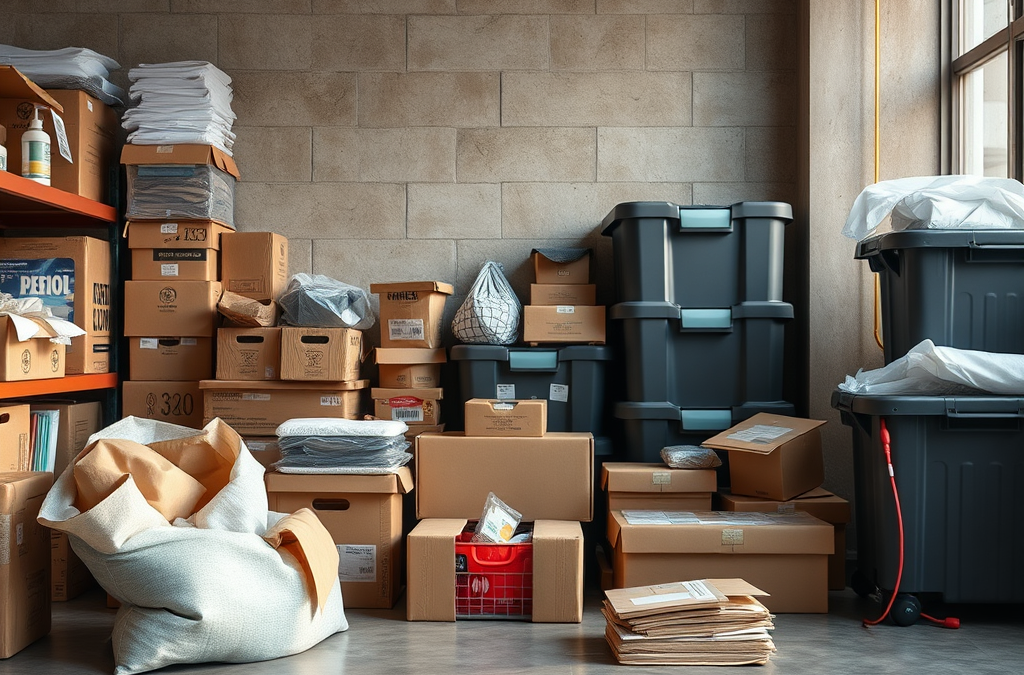
Finding effective storage solutions is critical for prepping in limited spaces. Utilizing containers that stack or fit neatly into corners can maximize available space while keeping supplies organized. Consider using food-grade storage bins for long-term food storage, ensuring that items are protected from pests and humidity.
Moreover, investing in a quality food dehydrator can extend the shelf life of perishables, allowing for more efficient use of space. By prioritizing items that are compact and versatile, you can maintain a well-rounded supply without overwhelming your living area.
Frequently Asked Questions
What are the main challenges of prepping in urban areas?
The main challenges include limited storage space, resource scarcity, and competition for supplies during emergencies.
How can I maximize storage in a small apartment?
Utilize vertical space, invest in multi-functional furniture, and consider collapsible storage options to make the most of your available area.
What role does community play in urban prepping?
Community networks can provide shared resources, skills, and information, making it easier to prepare for and respond to emergencies collectively.
What are some effective long-term food storage solutions?
Use food-grade storage bins, vacuum-sealed bags, and a food dehydrator to extend the shelf life of perishable items.