
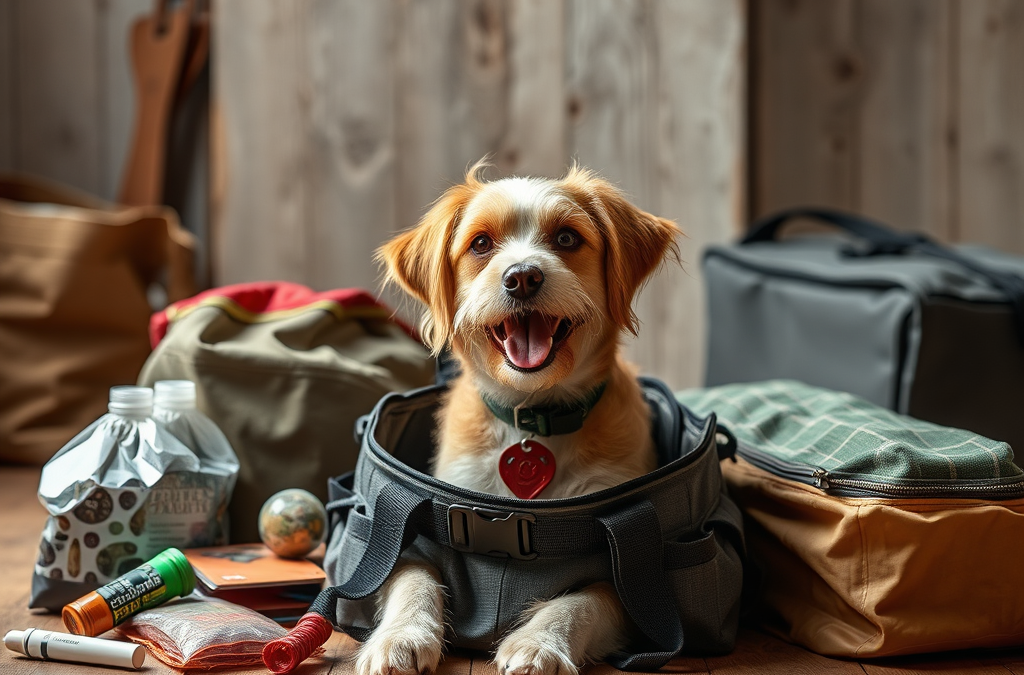
When creating a bug-out bag for pets, it's essential to include food, water, a leash, identification tags, and first aid supplies. Pack at least three days' worth of your pet's regular food and a gallon of water for each pet, ensuring they stay hydrated. A sturdy crate or carrier is vital for safe transportation, while comfort items like a favorite toy can help alleviate stress during emergencies. Don't overlook necessary medications and first aid items, as they can be lifesavers in case of injury. Regularly check and update your supplies to ensure everything is current and ready for use.
Essential Supplies for Your Pet’s Bug-Out Bag
Every pet owner should prioritize assembling a bug-out bag that includes essential supplies tailored to their pet’s needs. Start with food and water; pack at least three days’ worth of your pet’s regular food and a portable water container to ensure hydration. Additionally, include a sturdy leash, collar with identification tags, and a lightweight crate or carrier for safety and transportation.
Many pet owners overlook the importance of including first aid supplies, such as antiseptic wipes, bandages, and any necessary medications. These items can be critical in case of injury or illness during an evacuation. Always check expiration dates on medications and replace them as needed to avoid potential complications.
How to Choose the Right Food and Water Supplies
When selecting food for your pet’s bug-out bag, opt for high-quality, non-perishable options that are easy to transport. Pre-packaged meals or dry kibble are excellent choices since they can remain fresh for extended periods. Be sure to include a portable bowl for food and water, as well as any feeding instructions if you have multiple pets or specific dietary needs.
Water is just as vital as food. Aim to pack at least one gallon of water per pet for every three days. Consider using a collapsible bowl for easy feeding and hydration on the go. Remember to regularly refresh your water supply to prevent stagnation and contamination.

Including Safety and Comfort Items
In addition to food and water, safety and comfort items play a significant role in your pet’s well-being during an emergency. A first aid kit specifically designed for pets can help address injuries quickly. Include items like gauze, adhesive tape, and a thermometer. Familiarize yourself with basic first aid techniques to ensure you’re prepared in case of an emergency.
Comfort items, such as a favorite toy or blanket, can provide emotional support for your pet during stressful situations. Pets can experience anxiety during evacuations, so having familiar scents and objects can help ease their fears. If your pet is crate-trained, consider including their crate in the bug-out bag for added security and comfort.
Preparing for Different Types of Emergencies
Different emergencies require varying preparations. For natural disasters, consider the likelihood of flooding or fires and tailor your bug-out bag accordingly. If you live in an area prone to specific threats, such as hurricanes or earthquakes, research local guidelines for pet safety in these situations.
Practice evacuation drills with your pets to ensure they are familiar with the process. This will help them remain calm during actual emergencies. Keep your bug-out bag in an easily accessible location, and periodically review its contents to ensure everything is up to date and ready to go.
Frequently Asked Questions
What should I include in a bug-out bag for my dog?
Include essentials like food, water, a leash, collar with ID tags, a first aid kit, and comfort items such as a favorite toy or blanket.
How often should I check my pet's bug-out bag?
Review your pet's bug-out bag every six months to ensure that food, medications, and supplies are up to date and in good condition.
Can I use human food in my pet's bug-out bag?
While some human foods are safe for pets, it's best to pack their regular food to prevent digestive issues and ensure they receive proper nutrition.
How do I keep my pet calm during an evacuation?
Familiar items like toys or blankets can help comfort your pet. Additionally, practice evacuation drills to familiarize them with the process.
What if my pet has special needs?
Consult your veterinarian for tailored advice on including any specific medications, dietary needs, or mobility aids in your pet's bug-out bag.
Further Reading
Authoritative Sources
- Ready.gov: Pets
ready.govThis resource provides comprehensive information on preparing pets for emergencies, including checklists and tips
- ASPCA: Emergency Preparedness
aspca.orgThe ASPCA offers guidelines on how to keep pets safe during emergencies, including necessary supplies and planning advice
- Red Cross: Pets and Emergencies
redcross.orgLearn about emergency preparedness for pets from the Red Cross, including evacuation tips and safety resources
Conclusion
Preparing a bug-out bag for your pet is essential for ensuring their safety and comfort during emergencies. Focus on packing the right supplies, including food, water, first aid items, and comfort objects. Regularly review and update your bag to keep it ready for any situation. By prioritizing your pet’s needs, you can help them navigate emergencies with less stress and more security.




